

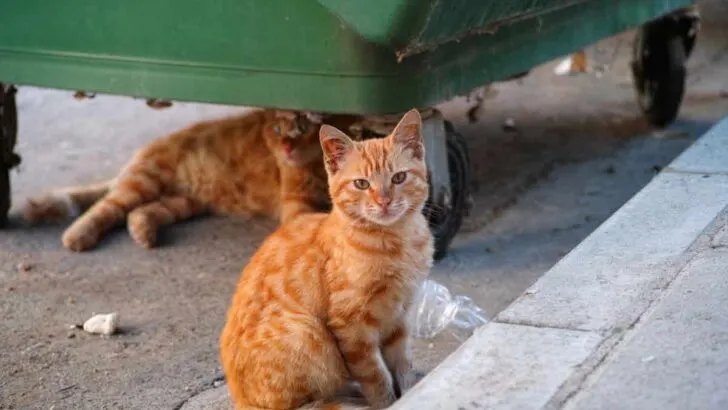
Stray cats can be a nuisance, especially when they start hanging around your house. Not only can they cause damage to your property, but they can also spread diseases and parasites. So, how do you stop stray cats from hanging around your house?
You can use several methods to deter stray cats from coming onto your property. Some involve unpleasant smells, while others rely on physical barriers or noise. Calling animal control and attempting to rehome the cat are also effective methods.
Finding a method that works for you and your situation is important, as not all methods will be effective in every situation.
We’ll explore some of the most effective ways to keep stray cats away from your house. Whether dealing with a single cat or a whole colony, these methods can help you regain control of your property and keep it free from unwanted feline visitors.
Why Stray Cats Are a Problem
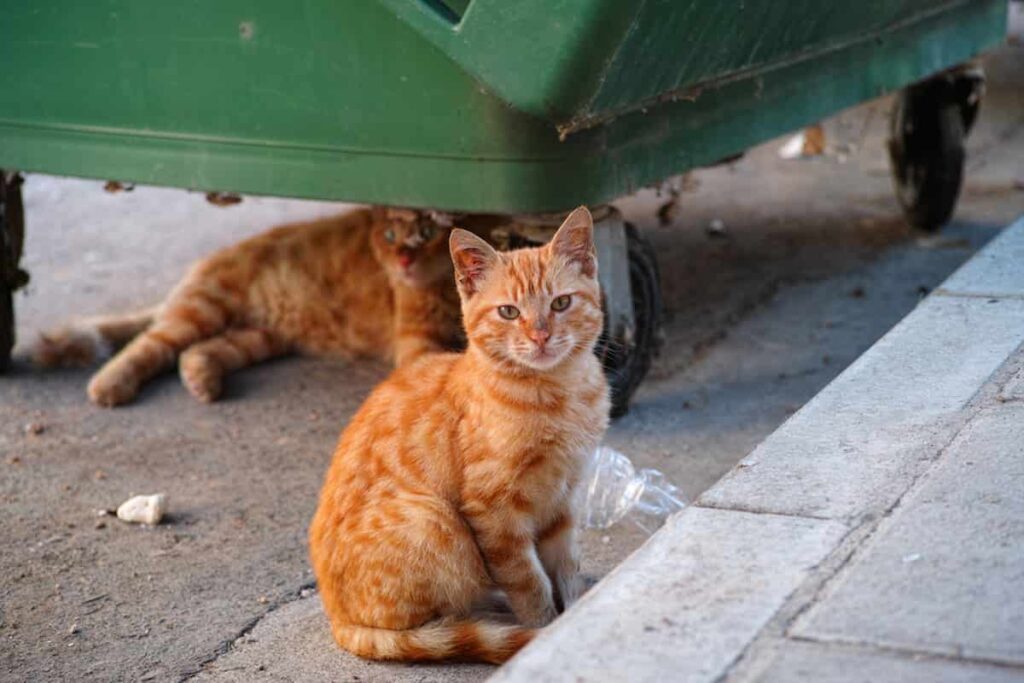
Stray cats can be a nuisance for homeowners, especially if you own a cat like us and don’t want any interactions between those two to happen.
Stray cats can cause damage to property, dig up gardens, and spread diseases. Stray cats also tend to spray urine and feces, leaving an unpleasant odor around your home. Additionally, stray cats can attract other animals like raccoons and skunks, which can cause further problems.
Stray cats can also be a problem for your pets. They can carry diseases like rabies, feline leukemia, and feline immunodeficiency virus, which can be transmitted to your pets. Stray cats can also be aggressive towards other animals, leading to fights and injuries.
We occasionally see stray cats where we live, and that’s one of the primary reasons we never let our cat Harley outdoors.
The Dangers of Stray Cats
Stray cats can pose a danger to humans as well. They can scratch or bite if they feel threatened, leading to infections and other health issues. Also, stray cats can carry parasites like fleas and ticks, which can be transmitted to humans.
Stray cats can also be a danger to the environment. They can kill birds and other small animals, disrupting the ecosystem. Stray cats can also spread diseases to wildlife, which can have a negative impact on the local ecosystem.
It’s important to take steps to discourage stray cats from hanging around your home to prevent these problems from occurring. By doing so, you can help protect your property, pets, and the environment.
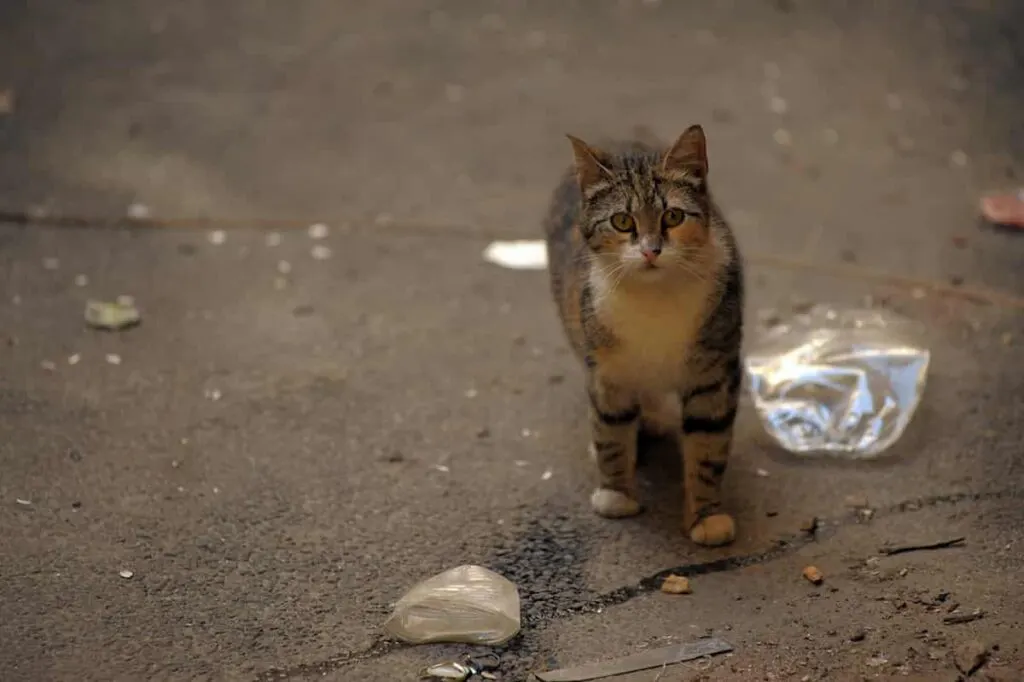
Preventing Stray Cats from Approaching Your House
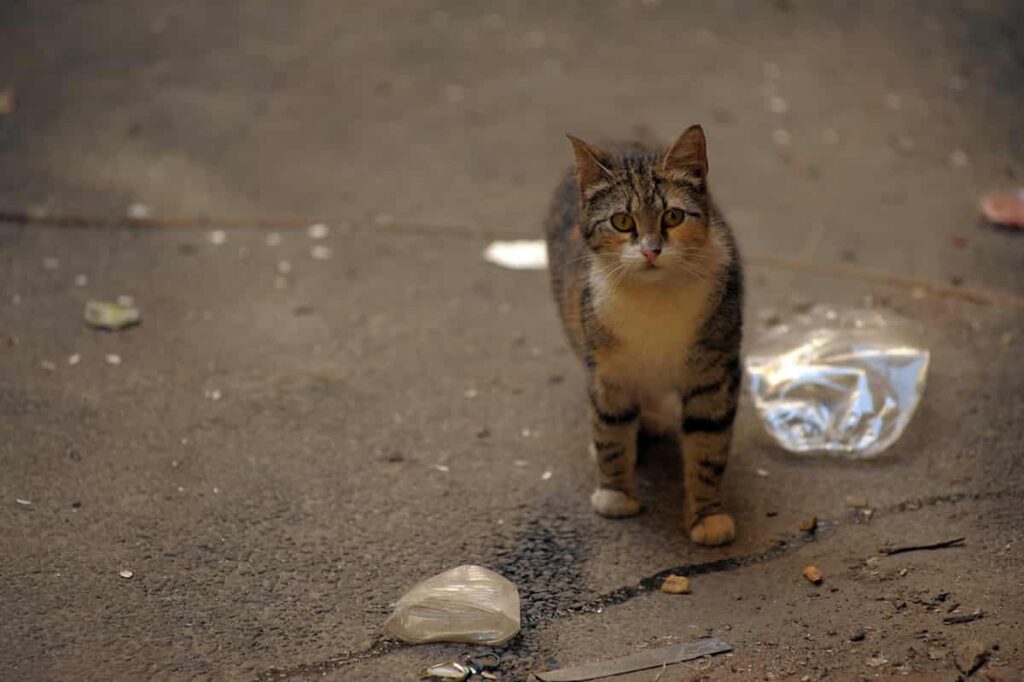
Stray cats around the home can be a problem if you have other cats in your home already. It can lead to lots of territorial aggression, and putting your cat in those stressful situations is not good. Thankfully, you can do a few things to prevent them from coming around.
Removing Food Sources
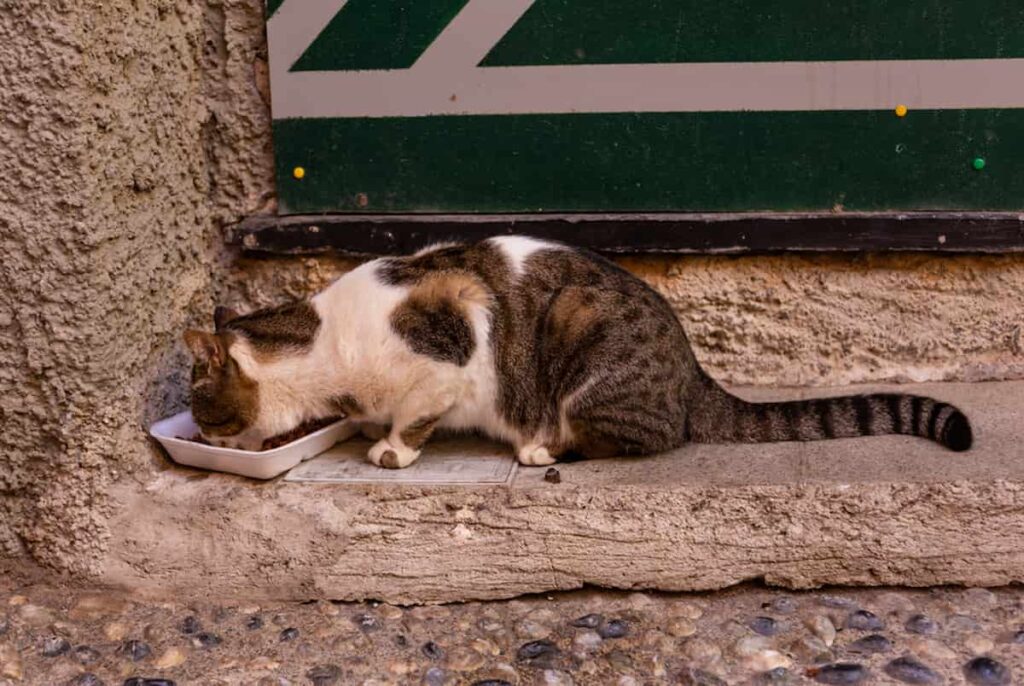
One way to prevent stray cats from approaching your house is to remove any food sources that may attract them. This includes securing your garbage cans with tight-fitting lids and avoiding leaving any pet food outside. Additionally, you can try to keep your yard clean and free of any fallen fruits or vegetables that may attract cats.
If you feed your own cat outdoors, or have a food bowl or water bowl there, consider moving that inside. Stray cats can easily pick up on the scent of your other cat, and they may even try to steal away those resources.
Using Repellents
Another option to prevent stray cats from approaching your house is to use repellents. Many different types of repellents are available, including sprays, granules, and ultrasonic devices. These repellents emit a scent or sound that cats find unpleasant, which can deter them from coming near your house.
Blocking Access Points
Blocking access points is another effective way to prevent stray cats from approaching your house. This includes sealing any holes or gaps in your fence or walls that may allow cats to enter your yard. You can also use chicken wire or other barriers to prevent cats from climbing onto your roof or other high areas.
Scaring Them Away
Finally, you can try to scare stray cats away from your house by making loud noises or using motion-activated sprinklers. You can also use visual deterrents, such as reflective surfaces or fake owls, to make cats think twice before approaching your house.
Using these strategies, you can effectively prevent stray cats from approaching your house and potentially causing damage or becoming a nuisance.
Dealing with Stray Cats That Have Already Taken Up Residence
If you’ve got stray cats hanging around already, then there are a few things you can do to help remove them from their residence. This includes getting professionals to remove them and rehoming them independently.
Contacting Animal Control
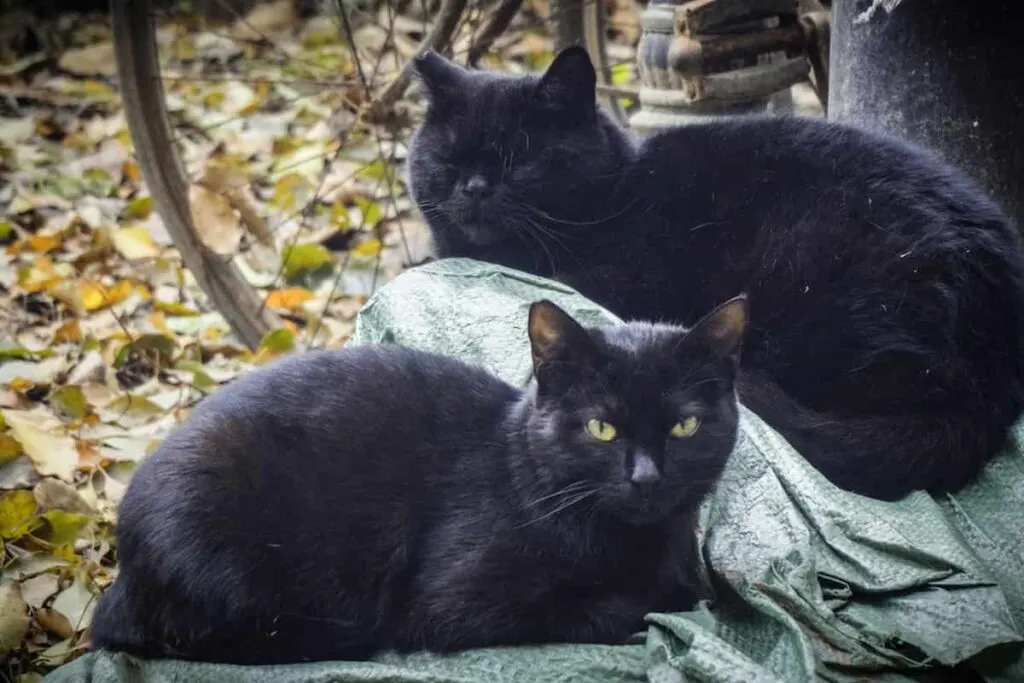
If you have a stray cat that has taken up residence in your yard or home, one option is to contact your local animal control agency.
They can help you safely and humanely remove the cat from your property. Animal control may also be able to scan the cat for a microchip to see if it has an owner. If the cat is not claimed after a certain period of time, it may be put up for adoption.

Trapping and Releasing
Another option is to trap the stray cat and release it elsewhere. This should only be done if the cat is healthy and not a danger to other animals or people. You can purchase a humane trap from a hardware or home improvement store. Bait the trap with food and wait for the cat to enter.
Once trapped, take the cat to a safe location away from your home and release it. It is important to note that trapping and releasing should only be done in areas where it is legal and safe.
Ideally, you want animal control to trap the cat. The last thing you want is to pick up a scratch or get into a situation where you pass on any bacteria to your own cat due to improper handling.
Finding a New Home for the Cat
If you cannot keep the stray cat and do not want to release it back into the wild, consider finding a new home for the cat. You can contact local animal shelters or rescue organizations to see if they can take in the cat.
You can also try to find a new home for the cat by posting on social media or putting up flyers in your community. Before giving the cat to a new owner, make sure they are responsible and able to provide proper care.
Dealing with stray cats that have taken up residence can be challenging, but options are available. Whether you contact animal control, trap and release, or find a new home for the cat, it is important to do so in a safe and humane manner.


My name is James, and welcome to FAQCats!
Along with our team of cat owners, expert pet enthusiasts, and pet professionals, we aim to write engaging helpful, engaging content about cats. At FAQCats we strive to provide content that’s accurate and fun to read. Our team writes about everything related to cats; even the most complex of topics. Through extensive research and caring for our own fur-pals, we’re able to provide something cat owners worldwide will love. Have a look around, and leave us feedback anytime!