

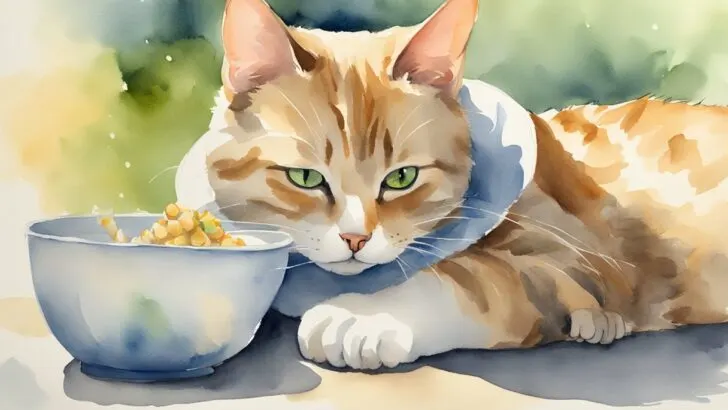
Feeding a cat with a cone may seem challenging at first, but with a few adjustments, your feline friend can comfortably eat and drink. I’ve had to deal with this very situation when my own cat, Harley, needed to wear a cone after surgery.
By elevating the food and water dishes, you provide your cat with better access to their meals, making it easier for them to reach their food without the awkwardness of the cone getting in the way.
Cats are adaptable creatures, and while the cone might be a temporary hindrance, they often quickly learn to maneuver around their new accessory. In my experience, placing the food dish on a small raised platform or using a raised feeding station can make a world of difference.
It’s also helpful to use shallow bowls so that the cone doesn’t knock against the sides, simplifying the process for your kitty.
Of course, every cat is unique, and what works for one might not work for another. For some cats, spreading their food out on a flat surface or a plate allows them to eat around the edges of the cone.
The Purpose of the Cone
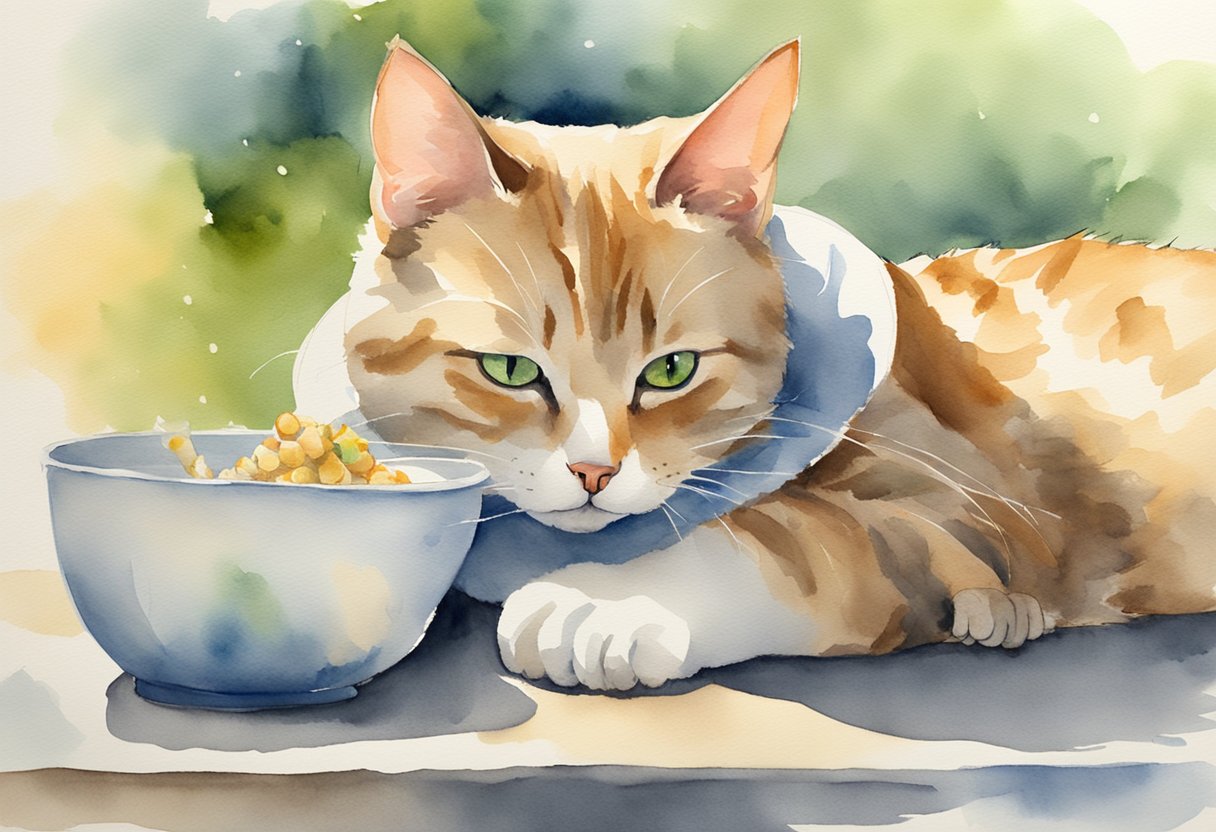
When your cat wears a cone, also known as an Elizabethan collar or e-collar, it’s for their protection and quick recovery. These cones play a critical role in preventing them from interfering with the healing process after surgery or when recovering from injuries.
Post-Surgery Care
After your cat has undergone surgery, such as spaying or neutering, it’s important that the stitches remain intact.
The cone is designed to restrict your cat’s ability to reach and potentially harm their surgical site, ensuring a more controlled and safer healing process. Veterinarians typically recommend these cones to keep the area clean and protected, which ultimately contributes to a smoother recovery.
Preventing Licking and Scratching
Cats are natural groomers, and their instinct to lick or scratch at a wound or irritation can impede healing. Elizabethan collars prevent this behavior, whether it’s an injury or dermatological issue.
It’s not only about stitches—any area on the body that needs to heal can benefit from the protection offered by a cone.
Types of Cones
You may encounter various types of cones tailored to your cat’s comfort and size. Soft cones are typically made from foam, and they offer more flexibility. Traditional hard plastic cones are very durable but can be less comfortable.
For better comfort, some pet parents opt for inflatable collars or inflatable cones, which are also known as ‘donut’ style. Each type serves the same purpose but caters to individual needs, such as improved peripheral visibility with soft cones or better mobility with inflatable collars.
Feeding Your Cat with a Cone
When your cat has a cone, mealtime can become a bit more challenging. You’ll need to adjust their eating and drinking setup, consider hand-feeding, and closely monitor their intake to ensure they stay hydrated and well-nourished.
Adjusting Your Cat’s Food and Water Setup
- Elevate the bowls: Raising the food and water bowls can help your cat access their meals without the cone getting in the way. Aim for an elevation of 2 to 4 inches, depending on your cat’s size, which you can achieve with a commercial stand or simply using books or boxes.
- Use shallow dishes: Swap out your regular food bowl for a shallow saucer or plate. This allows the cone to rest above the dish, rather than knocking into it, making wet or dry food easier to reach.
Hand-Feeding and Using a Special Bowl
- Be patient with hand-feeding: If your cat is reluctant or unable to eat on their own, you might need to hand-feed them with a spoon or by offering bits of food by hand. This can provide comfort and encourage them to eat despite the cone.
- Consider special bowls: There are bowls designed for feeding a cat with a cone. These are typically narrower and deeper, allowing the cone to fit around the bowl while your cat eats.
Monitoring Your Cat’s Nutrition and Hydration
- Watch for signs of malnutrition: Keeping a close eye on your cat’s eating habits is crucial, as difficulty eating might lead to malnutrition. Ensure your cat is consuming a balanced diet and consider treats to entice them if they’re being picky.
- Ensure adequate hydration: Water intake is just as important. If your cat struggles to drink with their cone on, you may need to provide water through a syringe or opt for wet food to increase fluid intake.


My name is James, and welcome to FAQCats!
Along with our team of cat owners, expert pet enthusiasts, and pet professionals, we aim to write engaging helpful, engaging content about cats. At FAQCats we strive to provide content that’s accurate and fun to read. Our team writes about everything related to cats; even the most complex of topics. Through extensive research and caring for our own fur-pals, we’re able to provide something cat owners worldwide will love. Have a look around, and leave us feedback anytime!