

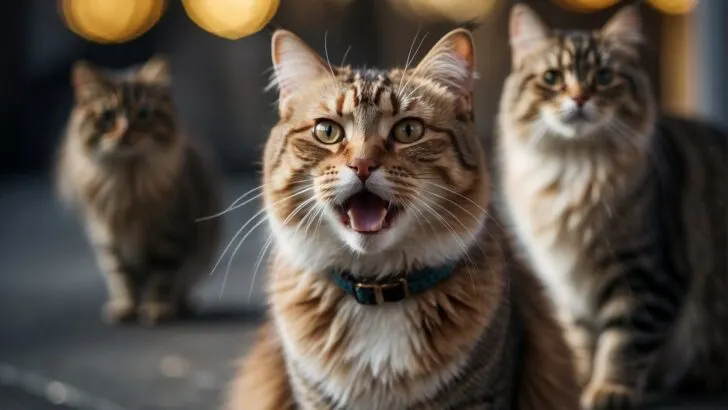
Yes, cats can indeed contract kennel cough, much like dogs do, although it is less commonly diagnosed in feline friends. If you’re a cat owner, you might be more accustomed to dealing with hairballs or the occasional sneeze than persistent coughing.
I’ve certainly been puzzled a few times when my own cat Harley started showing signs of a respiratory infection. It started with just a bit of sneezing and some nasal discharge, but I didn’t think much of it until there was this persistent hack that didn’t seem typical for the furballs or the sniffles.
He had been around our friends pup Bleu, and it was obvious once we connect the dots on how he developed the cough. It’s moments like these that remind us cat enthusiasts that our whiskered companions can catch more than just mice – they’re susceptible to airborne pathogens as well.
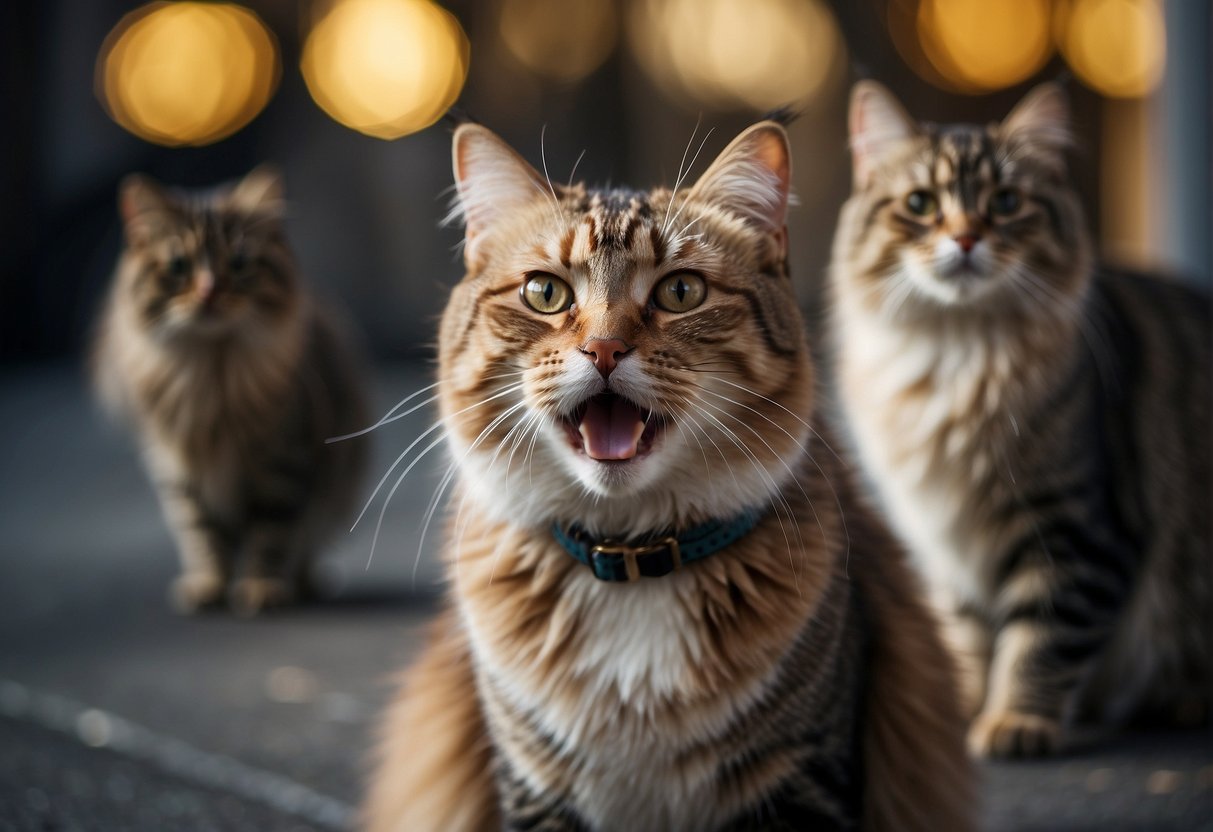
Kennel cough in cats can sometimes go unnoticed because they may not display the classic symptom of coughing as frequently as dogs do. Instead, your cat may exhibit other respiratory symptoms: they might sneeze more often, have a runny nose, or show a general decrease in energy.
When your cat is exhibiting these symptoms, it’s important to remember that, just like us, they can catch nasty bugs and require a bit of extra care. Proper veterinary assessment and treatment are crucial in these cases. By being observant and responsive to changes in your cat’s health, you can ensure your purring pet returns to their playful and healthy self.
Understanding Kennel Cough
When discussing kennel cough, it’s crucial to understand what causes it, whether our feline friends can contract it, and how it spreads. Let’s explore these aspects thoughtfully.
Causative Agents of Kennel Cough
Kennel cough is typically triggered by a combination of viruses and bacteria, with the primary bacterial pathogen being Bordetella bronchiseptica. This is not the sole perpetrator; other viruses such as canine distemper virus and canine adenovirus can also be involved. These pathogens attack the respiratory tract, compromising the immune system and making it easier for infection to take hold.
Can Cats Really Get Kennel Cough?
While traditionally associated with dogs, kennel cough can affect cats too. Kennel cough in cats is relatively rare, but they can contract the disease, leading to symptoms like sneezing, coughing, and nasal discharge. Cats with a robust immune system often fight off the pathogens but can become carriers and transmit the disease to other animals.
Mechanisms of Spread in Cats
Kennel cough is contagious and can spread in a few ways:
- Direct contact with infected animals
- Through the air (coughing, sneezing)
- Via contaminated surfaces (bowls, litter boxes, toys)
Particularly in multi-cat households, or spaces like shelters or catteries, the risk of transmission is higher due to the close quarters they share.
Symptoms and Diagnosis
When caring for your feline friend, being able to recognize the signs of illness and understanding the diagnostic steps taken by your vet are essential. Here’s how to identify symptoms and what to expect during a vet visit.
Identifying Symptoms in Cats
Your cat’s health can sometimes be a bit of a mystery. Respiratory infections, like kennel cough, present specific symptoms that you’re likely to notice. If your cat has a persistent cough or shows signs like sneezing, nasal discharge, or eye discharge, it’s time to pay close attention.
Cats may not cough as noticeably as dogs with kennel cough, but they can exhibit other respiratory symptoms such as:
- Wheezing
- Lethargy
- Loss of appetite
- Fever
Diagnostic Procedures
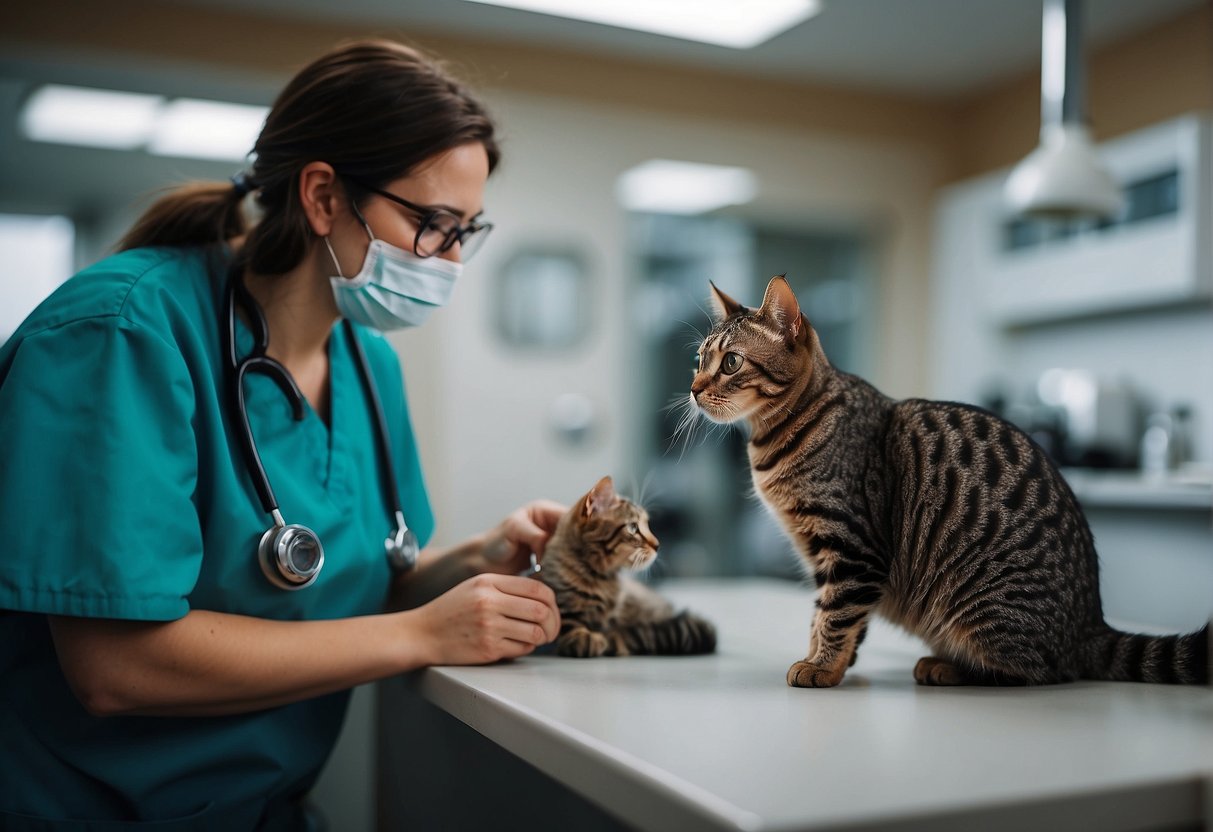
Once at the vet, expect a detailed vet examination that looks at your cat’s throat, listens to their lungs, and checks for swollen lymph nodes under the jaw. The vet may suggest specific tests such as:
- X-rays: To check for signs of pneumonia or other changes.
- Swab tests: Taking a sample from your cat’s throat or nasal passages.
- Bloodwork: To assess overall health and rule out other diseases.
The vet will piece together this information to reach a diagnosis. It might all sound intimidating, but remember, early detection and diagnosis are your cat’s best allies in fighting off illness.
Treatment Options
When your cat falls ill with kennel cough, timely and appropriate treatment is essential. Your furry friend’s recovery will largely depend on supportive care and the right medications to tackle the infection.
General Care and Medications
Your first step should be to visit a veterinary clinic where the vet can confirm the diagnosis. If your cat has an infection, they may prescribe antibiotics to fight bacterial causes of kennel cough. For viral infections, which do not respond to antibiotics, the focus will be on supporting the immune system until it clears the virus.
Home Care Recommendations
At home, rest and TLC (tender loving care) go a long way in helping your cat recover. Keep their environment calm to reduce stress, which can impede a cat’s immune system.
Ensure they are hydrated; a humidifier can assist in easing breathing and reducing cough severity. Maintain a comfortable space where they can get plenty of sleep, as rest is crucial for a recovering immune system.
Remember, while it’s tempting to treat your kitty on your own, always consult your vet before administering any medication or supplements. With a combination of professional treatment and your attentive care, most healthy cats bounce back from kennel cough.
Prevention Strategies
When it comes to keeping your feline friend healthy, preventing illnesses like kennel cough is a top priority. Let’s explore two key strategies you can implement to safeguard your cat’s health.
Vaccination and Routine Healthcare
Regular visits to your veterinarian are crucial for ensuring that your cat’s vaccine schedule is up-to-date. While there’s no vaccine specifically called a “kennel cough vaccine” for cats, there is a Bordetella vaccine that might be recommended, especially if your cat frequents places like grooming salons, shelters, or doggy daycare where they could come into contact with the Bordetella bronchiseptica bacteria.
Always consult your vet to tailor the vaccination plan to your cat’s specific needs and lifestyle. Maintaining a strong immune system in your cat through proper healthcare can significantly help in prevention of various infectious diseases.
Environmental Management
Managing your cat’s environment plays a key role in preventing the spread of respiratory infections.
- Hygiene: Keep your cat’s living space clean by regularly washing bedding, dishes, and toys.
- Stress: Minimize stressors as stress can weaken the immune system. A consistent routine and comfortable habitat are beneficial.
- Shelter: Ensure your cat has a warm, comfortable place away from drafts or damp areas that can exacerbate respiratory issues.
Remember, while being sociable creatures, cats can be prone to infections in high-density living areas or when coming into close contact with other animals. Simple steps like regular cleaning and avoiding overcrowded situations can make a significant difference.


My name is James, and welcome to FAQCats!
Along with our team of cat owners, expert pet enthusiasts, and pet professionals, we aim to write engaging helpful, engaging content about cats. At FAQCats we strive to provide content that’s accurate and fun to read. Our team writes about everything related to cats; even the most complex of topics. Through extensive research and caring for our own fur-pals, we’re able to provide something cat owners worldwide will love. Have a look around, and leave us feedback anytime!