


Feline parents are known to take their pets out with them on monthly shopping trips to ensure their fur babies aren’t left alone at home for too long. If you’re a regular at Target stores, you may wonder if you can do the same by bringing in your cat on the next trip. So, can you bring cats to Target?
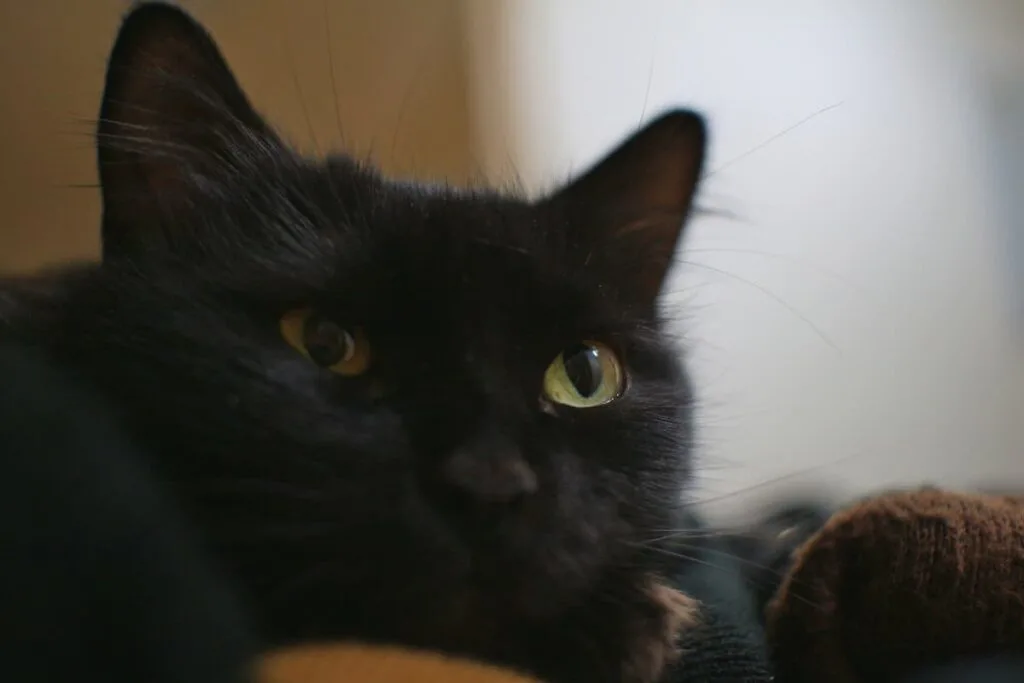
No, you cannot bring cats in Target. Target has a strict no-animals policy like many other retail corporations, with one exception – service animals. That means bringing your cat to Target, even if secured in a carrier, isn’t allowed because cats don’t qualify as service animals.
If you’re filled to the brim with queries about Target’s stringent pet policy or what your options are in terms of pet-friendly shopping outlets – this article’s just what you need. Stick with us as we break down all aspects of shopping with pets and other bits of essential info.


Can You Bring Cats In Target
Target Corp. has been around for some time, and as of 2021, the retail giant has 1,926 stores throughout the U.S. That makes the corporation one of the largest retailers in the country. It’s also why many pet parents have difficulty taking in Target’s stance on pets in the store.
However, Target isn’t the only retail corporation in the United States with a strict no-pets policy. For instance, Walmart and Costco have similar guidelines.
So, what does all of that mean for cat owners? In short, it means that cat owners can’t bring in their pets with them to a Target outlet, no matter the precaution (carrier or collar and chain) since cats do not qualify as service animals.
And before cat parents take offense at having their fur babies excluded, Target’s pet policy includes all kinds of animals, including canines, rabbits, or any other type of pet.
Why Is Target’s Pet Policy So Strict
As a pet parent, you can’t help but love and think the best of your feline. That’s why it may be a little challenging to understand why retail outlets take such a rigid stance on the presence of pets inside stores. However, here are a few motivations to help fellow cat lovers understand the reluctance retailers corporations reflect regarding pet admittance.
- Hygiene
Believe it or not, the top-most reason retail outlets quote when it comes to defending their no-pets policy is maintaining the store’s hygiene and cleanliness. If you live with a cat, you’re likely aware of the species’ obsessive self-grooming habits and overall cleanliness. However, here’s the rub – your kitty cat has its own personal litter box at home to relieve the call of nature.
Even if you take precautions and line your pet carrier with a training pad, chances are others around your pet’s crate will have to suffer through the stench that inevitably accompanies such situations.
Then there’s also the fact that it’s not unheard of pets to litter on the supermarket floor – which is unhygienic and can lead to an even bigger mess if someone accidentally steps into the feces.
- Medical Reasons
Another viable reason why stores will generally avoid the presence of pets is to make the environment safer for folks suffering from pet allergies or conditions like asthma. A retail outlet is built to cater to everyone, which means they need to be prepared for all eventualities – including the presence of a fur baby resulting in triggering a medical response in someone sensitive to their company.
- Comfort
As bizarre as it may seem to an animal-lover, there are people in the world who suffer from conditions like cynophobia (fear of dogs) and Gatophobia (fear of cats). Like all phobias, these conditions can get pretty intense and irrational – causing those who suffer from them severe discomfort.
Some people are uncomfortable around animals despite the lack of any phobia and prefer to shop in an animal-free space. That’s also something retailers need to keep in mind when deciding on policies for their outlets.
Why Does Target Allow Service Animals
Having highlighted some of the reasons why retail outlets don’t prefer allowing pets on their premises, it’s likely some cat owners are wondering why the same standards don’t apply to service animals.
Individuals who suffer from disabilities can sometimes rely on service animals to assist them daily. And, what’s more, it’s not something individual retail policy can instruct because the rights of a person requiring a service animal are protected by Federal law via the Americans with Disabilities Act (ADA).
The ADA prohibits discrimination against people with disabilities and offers protection for service animals. However, it’s important to note that states can differ in the definition of service animals, and that’s why access with service animals can also vary according to the region.
According to the ADA, a service animal “… means any dog that is individually trained to do work or perform tasks for the benefit of an individual with a disability, including a physical, sensory, psychiatric, intellectual, or other mental disability.”
It’s also essential to note that emotional support animals don’t have the same protection as service animals because they qualify as working animals. That’s why emotional support animals can be denied entry – depending on the policy of the place of business.

Types Of Service Animals
If you’re still having a little bit of difficulty wrapping your mind around the difference between service and emotional support or therapy dogs, here are a few examples of service animals to help you out.
Psychiatric Service
Mental Health Service Dogs are trained to assist people with severe depression, anxiety disorders, PTSD, etc. These animals are task-trained to provide their handler with the emotional support that helps them go about their lives as normally as possible.
Seizure Alert or Response Animals
Seizures can be extremely dangerous and are difficult to predict. Of course, controlling oneself when suffering from an episode is impossible, and it can make you vulnerable to a whole host of situations.
That’s where seizure alert canines can come in handy. These animals accompany their handlers 24 hours a day and are specifically trained to sense when a seizure is about to occur and call (howl) for help or take the handler to a safer place.
Guide Dogs
These animals are specially trained to assist visually impaired or blind people with the safe navigation of spaces.
Things To Consider
Even though you may be a little disheartened to learn that cats and other pets aren’t allowed in Target, you can ensure your pet is safe and happy at home as you make your grocery run. Here’s how.
- Recruit A Pet-minder
If you’re uneasy about leaving your feline alone at home, you can always rely on the help of a friend or family member to look after your fur baby in your absence.
If everyone’s busy and you can’t put off going to the store any longer – why not get in touch with a reputable pet-sitting service? Pet-sitters are qualified to look after animals, and what’s more, they’ll show up at your place to take care of your feline.
- Interactive Toys
If the nearest Target outlet is nearly at the corner of your house, or you don’t expect to be away from home for too long, you can keep your kitty cat well-occupied in your absence by investing in interactive toys.
These toys are designed to keep your cat’s interest engaged for longer and will help keep your feline out of trouble by keeping it entertained while you’re out shopping.
- Avail Target’s Same Day Delivery Service
Suppose you don’t want to leave your cat alone because it’s not feeling brilliant or perhaps, you’re feeling a bit under the weather. In that case, you can always fall back on Target’s same-day delivery service to get all the items you need – without having to leave the house.


My name is James, and welcome to FAQCats!
Along with our team of cat owners, expert pet enthusiasts, and pet professionals, we aim to write engaging helpful, engaging content about cats. At FAQCats we strive to provide content that’s accurate and fun to read. Our team writes about everything related to cats; even the most complex of topics. Through extensive research and caring for our own fur-pals, we’re able to provide something cat owners worldwide will love. Have a look around, and leave us feedback anytime!