

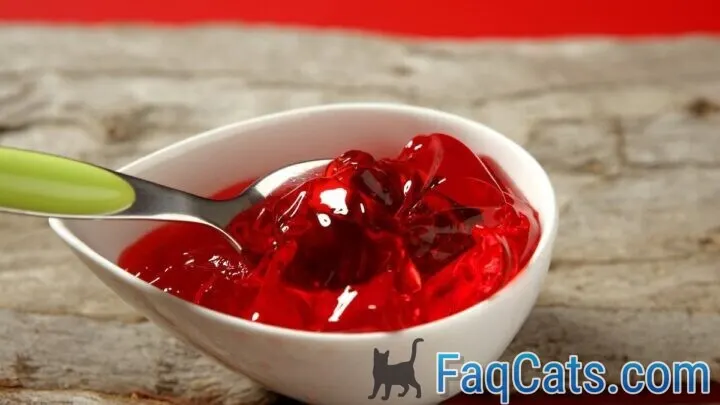
It’s perfectly natural to want to share some of your favorite foods with your cats. After all, you love them, so they should make your cat’s life better too, right?
Well, as any cat owner knows, there are a lot of foods we can enjoy that shouldn’t be served to cats. But what about family favorites like Jello? After all, gelatin is usually refined from animal products, so it seems like something your cat might like, right?
While cats might enjoy Jello and try to eat it if you give it to them, they probably shouldn’t. Flavored jello, which is what most people prefer to eat, contains too much sugar and citric acid to be healthy for cats. Depending on the flavor, it may have other toxins as well. Sugar-free versions are even worse because they often use toxic sweeteners your cat’s body can’t handle.
Here’s what you need to know about giving your cats jello, the original product, gelatin, and other human-food treats.
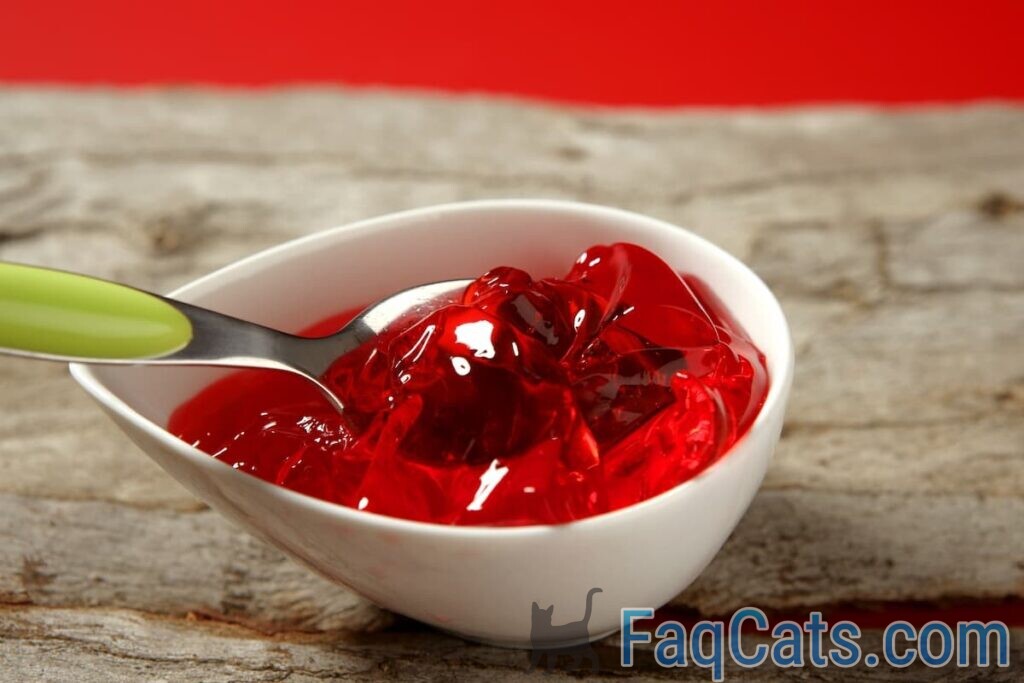
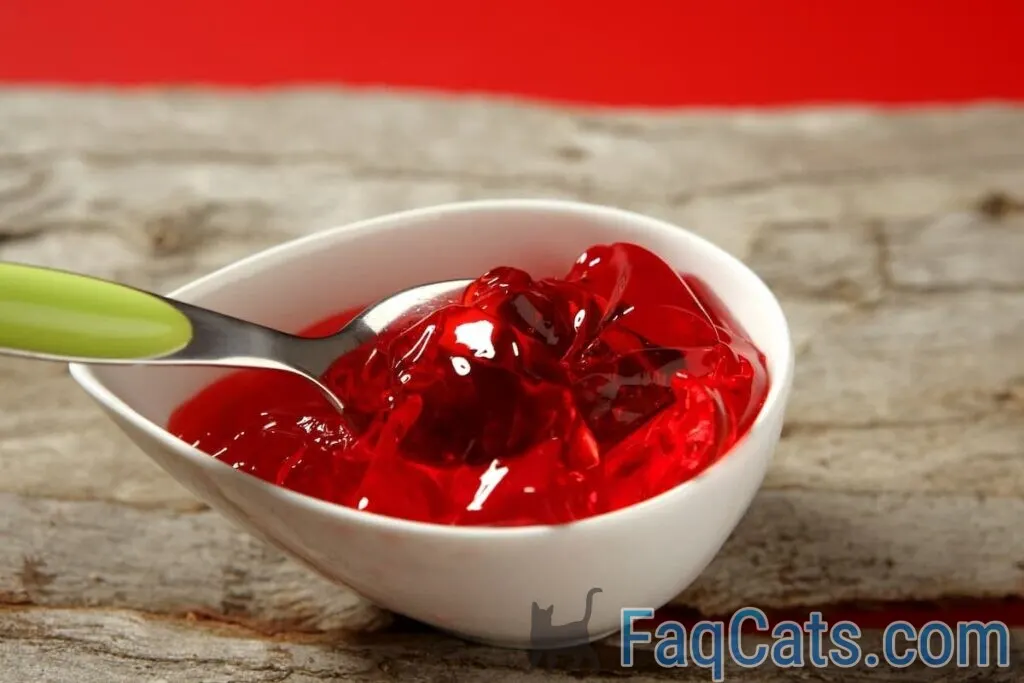
Can Cats Eat Unflavored Gelatin
Cats can eat unflavored gelatin, and it’s good for them too. However, you should always ensure that the unflavored gelatin you’re serving is only gelatin.
Sweeteners and other additives that can be used to make gelatin more palatable for people can be harmful when you feed them to a cat.
You should also make sure you aren’t using gelatin to replace other parts of your cat’s diet. They still need plenty of proteins and fats from other sources.
But, as long as the rest of your cat’s diet is healthy, the occasional gelatin treat, made with plain water or unseasoned chicken or beef broth, can be a great treat.
Giving your cat gelatin can help promote joint health and keep their skin and fur healthier.
Why Is Plain Gelatin Good For Your Cat
Plain gelatin contains a lot of things your cat needs in their diet and in larger concentrations than in a lot of other sources. For instance, gelatin contains a lot of protein, good for building muscle and is the main nutrient cats need, and a lot of collagen, which helps protect joint and skin health.
Gelatin also contains amino acids and other key nutrients, which can make it extra appealing to your cat.
That’s why cats will sometimes eat unflavored gelatin, especially if it’s served cold or frozen.
But you can also use cat safe broth (which means no added sodium, spices, or vegetables) to make more flavorful gelatin if your cats aren’t interested in the plain kind.
Can I Give My Cat Collagen Powder
Collagen powder, mixed into your cat’s food or a cat-safe liquid to form a treat, can be really good for your cat. Like plain gelatin, which contains a lot of collagen, collagen powder is a good addition to your cat’s joints, skin, and fur.
However, it’s essential to look for products that are designed for cats. Since cats’ bodies are smaller than their owner’s, they don’t need as much collagen in their diet to get the same benefits.
Plus, human collagen powder and supplements often include other ingredients to help with human absorption. Those same ingredients don’t always have the same effect on cats.
So, instead of using collagen powder, you might already have, look for a supplement designed for cats and with the appropriate dosage information for cats.
Your vet may be able to help if you’re not sure where to look for cat supplements and dietary aids.
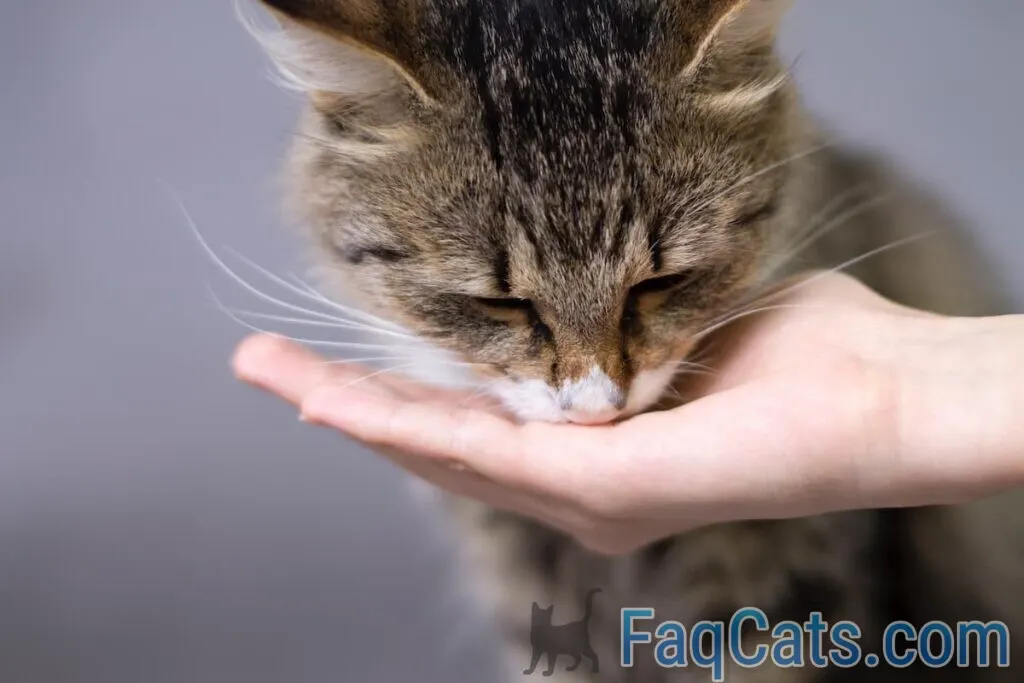
Is Collagen Good For Your Cat
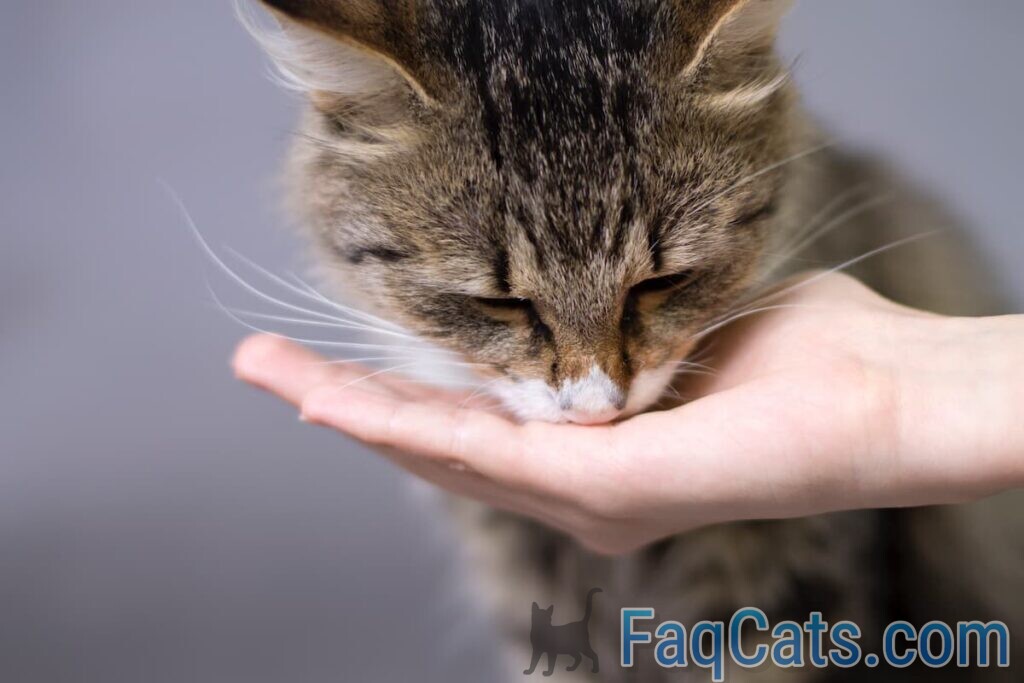
Collagen is good for cats; it’s one of the biggest reasons (other than hydration) that plain gelatin can be good for cats too.
Collagen is one of the basic building blocks for many different tissues in your body and cats’ bodies. That includes their skin and fur and the cartilage and lubrication in their joints.
Getting a little extra collagen in your cat’s diet might not have an immediate effect, but it can be beneficial over time, especially for cats that are showing signs of joint pain or aging.
Of course, if you’re considering adding collagen as more than an occasional treat or supplement, you should consult with your vet. They’ll be able to tell you if it’s a good idea for your cat and might be able to help you find some high-quality sources, so you know your cat is getting what they need and no harmful fillers or extra ingredients.
Of course, you can also get more collagen in your cat’s diet by giving them a little unflavored gelatin made with plain water or cat-safe chicken, beef, or fish broth!
Does All Jello Have Xylitol
Not all Jello has xylitol; right now, it’s only used in sugar-free and reduced-sugar versions. However, that doesn’t mean that sugared versions won’t start using xylitol in the future.
You should always read the ingredients on any product you’re planning to give your cats to ensure the recipe hasn’t changed and that harmful ingredients like xylitol aren’t included.
Can Cats Eat Strawberry Jelly
If you’re wondering if there are other sweet treats you can feed your cat instead of jello, like your favorite strawberry jelly, don’t worry, you’re not alone!
However, you should know that your cat shouldn’t eat strawberry jelly. There are a lot of reasons that jelly isn’t good for your cat, and some of them are the same reasons your cat shouldn’t eat jello.
For one thing, jelly of any flavor, not just strawberry, has far too much sugar for your cat. Sugar-free varieties are also more dangerous for the same reasons as jello; many sugar-free sweeteners are incredibly toxic to cats and dangerous for them to have.
It’s also not a good idea to give your cat jelly because they can’t process any of the ingredients, and it doesn’t have any nutritional value for them.
Remember, cats are obligate carnivores that can’t even taste sweetness!
Jelly might be delicious to you, but it probably won’t taste like much to your cat.
Worse, if your cat does eat jelly, the amount of citric acid in some jellies can be too high for them. So even if everything else is safe, citric acid could upset your cat’s stomach and cause other problems.
Things To Consider
When you’re thinking about your cat’s diet, there are a few things you need to consider: Your cat’s dietary needs, what they’re willing to eat, and the ingredients and additives that aren’t safe for your furry friend.
Plenty of cats have perfectly healthy and nutritious diets without adding gelatin, and some cats that get gelatin probably have diets that are lacking in other areas.
So, don’t think of unflavored gelatin as a catch-all improvement to your cat’s diet. Maintaining a dietary balance is critical for your cat’s health.
It’s also important to remember that gelatin does have calories. If you’re adding gelatin to your cat’s diet, you’ll need to adjust the rest of their caloric intake accordingly.
Any major changes to your cat’s diet, especially in response to a health condition or aging, should be done in consultation with your vet. Only your vet can accurately measure your cat’s health and make recommendations to help you meet their nutritional needs.


My name is James, and welcome to FAQCats!
Along with our team of cat owners, expert pet enthusiasts, and pet professionals, we aim to write engaging helpful, engaging content about cats. At FAQCats we strive to provide content that’s accurate and fun to read. Our team writes about everything related to cats; even the most complex of topics. Through extensive research and caring for our own fur-pals, we’re able to provide something cat owners worldwide will love. Have a look around, and leave us feedback anytime!