

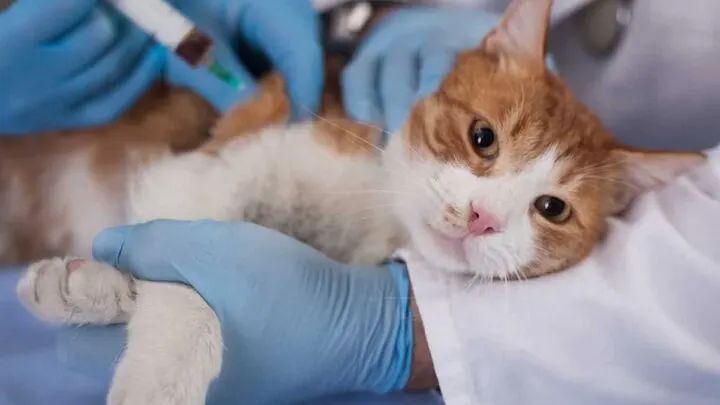
When getting a new kitty, regardless of age, you must ensure they are up to date on all of their vaccines. One of the most important ones is their Feline Viral Rhinotracheitis, Calicivirus, and Panleukopenia (FVRCP) vaccine, more commonly known as the distemper shot. Panleukopenia is commonly known as distemper in cats, which is where the name comes from. What does a distemper shot do for a cat?
A distemper shot protects your cat from three different diseases at once. It will protect them from Feline Viral Rhinotracheitis, Calicivirus, and Panleukopenia.
Your veterinarian will help to set up a vaccine schedule for you and your kitty to stick to. However, it is always helpful to be more knowledgeable about the shots your cat is getting before you go into the office.
Do Indoor Cats Need A Distemper Shot
Yes, indoor cats do need a distemper shot. The two main vaccinations all indoor cats need are rabies and distemper. Just because your cat is an indoor cat does not mean they are automatically protected from these diseases and do not need to be vaccinated. They can still be exposed, and since both of these diseases can be life-threatening, it is a good preventive measure to have them vaccinated.
Does A Distemper Shot Calm Cats Down
Contrary to its name, the distemper shot does not help with a cat’s temper. The only thing that a distemper shot helps with is vaccinating your cat against Feline Viral Rhinotracheitis, Calicivirus, and Panleukopenia.
If you have a cat with a bad temperament, then the best course of action would be to consult your veterinarian to determine if anything is wrong that could be causing their bad temper. Your veterinarian may discover something medically is affecting them, causing them pain and leading to their bad temper. Or they may not find anything and will recommend a cat behaviorist for you to consult for further advice.
How Does A Distemper Shot Affect A Cat
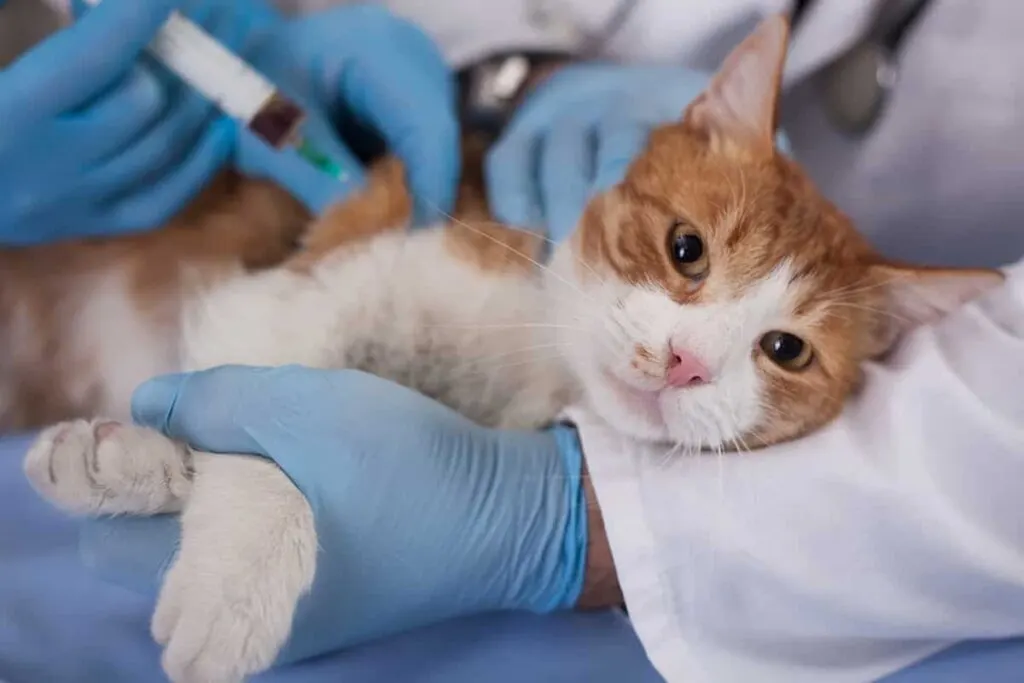
For the most part, the distemper shot should have little to no side effects for your cat. Most cats receive the vaccine and do not even notice that they just got a shot and do not experience side effects after.
In the rare case of some side effects, it will only be irritation at the injection site. You may see some redness or swelling at the injection site. In extreme cases, your cat may develop hives on their belly or start swelling in their face. Injection site sarcomas are also a risk with every vaccine.
This is a type of cancer that originates at the injection site. If your cat reacts strangely to the vaccine, seek medical attention for them immediately.
How Often Does A Cat Need A Distemper Shot
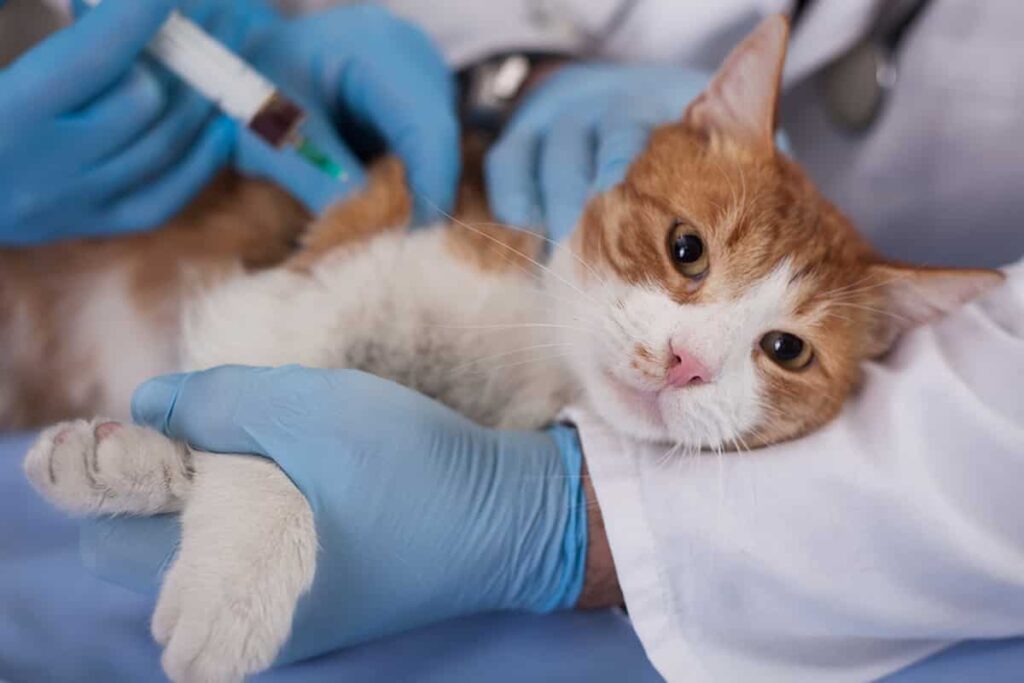
Your cat will need a booster on their distemper shot every couple of years, depending on what age they first received the vaccine. Kittens as young as six weeks need the shot every 3-4 weeks until they are 16 weeks old. If your cat is over 16 weeks old and has not received their distemper shot, then they will need two doses 3-4 weeks apart.
For both kittens and adult cats, they will receive one dose one year after their last dose of the initial series was given. Then, they will need a booster every three years. Your veterinarian will work out a vaccine schedule with you and will likely send regular reminders so you can stay on track.
How Long Does It Take For A Distemper Shot To Start Working
A distemper shot takes about 14 days to start working because the vaccine needs to be introduced to your cat’s body and integrated into their system. This process cannot happen instantaneously.
For most cats, the vaccine will start taking effect about five days after the initial administration and will be considered fully effective after 14 days. During these first 14 days, it’s important to keep them inside and away from other pets until their vaccine is fully effective.
The Costs Of Distemper Shots
The distemper shot is typically around $25-$50. This is also per shot, so you will need to factor this into your financial plan when considering getting a new cat. These shots must be kept up with and cannot be missed for any reason.
Some veterinary offices will do discounts or run certain specials that can help you save some money when vaccinating your cat. Take some time to call several different offices and compare prices before committing to scheduling a visit with one.

Understanding Distemper In Cats
Feline Panleukopenia, or distemper, is a highly contagious viral disease caused by feline parvovirus. The virus attacks their bone marrow and causes low white blood cell counts. It is commonly seen in unvaccinated cats and can often be fatal, especially for young kittens.
If your cat has distemper, they will likely become lethargic and will start to lose their appetite. You may also notice them vomiting or having diarrhea more frequently. You may also find blood in both their diarrhea and vomit. It is important to seek medical attention immediately if your cat displays any of these symptoms.
Identifying Distemper In Your Cat
You will know if your cat has distemper if you notice them exhibiting abnormal behavior. Not eating regularly and becoming more lethargic are the initial signs of distemper. If you notice this, look at their litter box and see if there is diarrhea or any stool with blood in it.
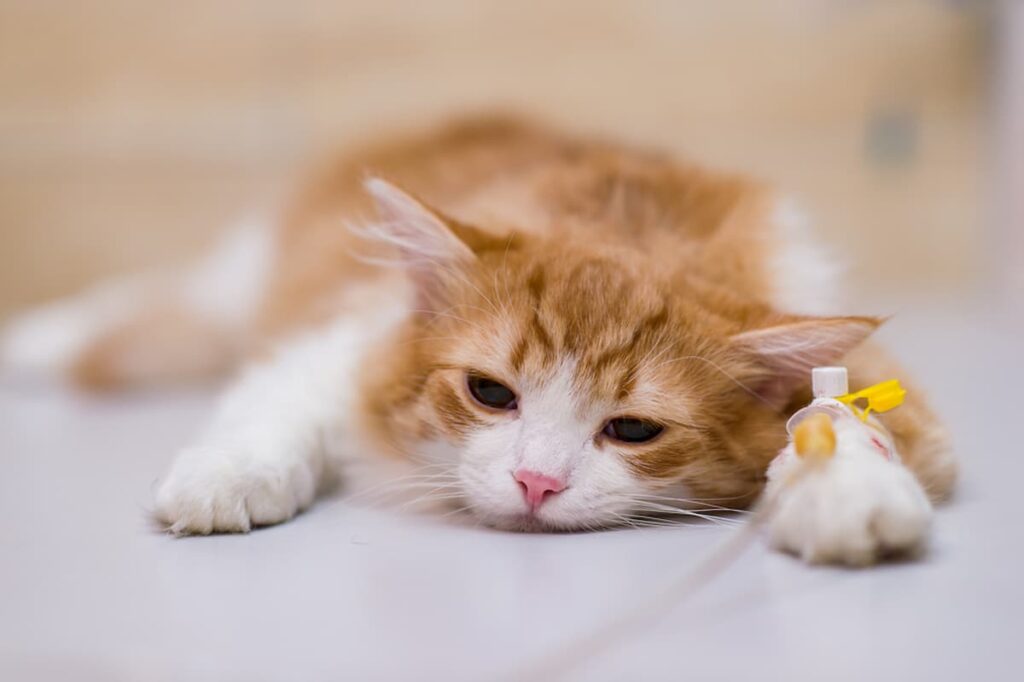
Also, if your cat vomits, look for blood as well. Seek medical attention from your veterinarian immediately for the best chance of protecting your cat. Unfortunately, there is no medicine to cure distemper in cats. Cats can be given fluid and pain medication to aid in their healing process, but ultimately, their immune system has to fight it off. It is much easier to vaccinate healthy cats for distemper than cure ill cats.
Things To Consider
Feline distemper is extremely easy to prevent if actively taken care of, so with any of your cats, keep them up to date on their vaccines. If your cat becomes pregnant, they will become more susceptible to feline distemper and may not be able to receive the vaccine while pregnant.
Taking preventive measures and having them up to date on their vaccines is the best way to protect them once they are pregnant. This is also the case for immunocompromised cats. Some cats will be born with or develop other health issues that weaken their immune system and make it more difficult to recover from a disease as deadly as feline distemper.
Keeping your cats on a strict vaccine schedule is the best way to protect them and keep them healthy. With serious diseases like feline distemper, it is much easier to prevent the disease than it is to treat it.


My name is James, and welcome to FAQCats!
Along with our team of cat owners, expert pet enthusiasts, and pet professionals, we aim to write engaging helpful, engaging content about cats. At FAQCats we strive to provide content that’s accurate and fun to read. Our team writes about everything related to cats; even the most complex of topics. Through extensive research and caring for our own fur-pals, we’re able to provide something cat owners worldwide will love. Have a look around, and leave us feedback anytime!