

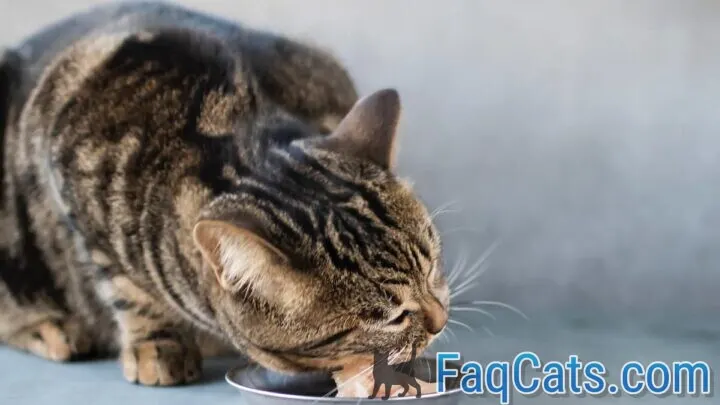
Cats are carnivores and solely get the most of their nutrients from meat. Meanwhile, you can not feed your cat any meat. The primary and most essential nutrient a cat needs is taurine, and you can find this in only a few foods or parts of an animal. The absence of taurine in a cat’s food will make it susceptible to various health problems, like dilated cardiomyopathy. And blindness. One of the best sources of taurine is the chicken heart. But can cats eat raw chicken hearts?
Cats can eat raw chicken hearts. However, the heart is an essential part they must consume because it is the primary source of their primary nutrient, taurine.
Now that you understand the health benefit of feeding your cat a chicken’s heart raw, you may also have other questions relating to your cat’s taurine diet. Let’s dive straight in and discuss how essential a chicken heart is to your cat in providing taurine by answering a few questions.


Can Cats Eat Chicken Hearts?
Yes! Cats can eat chicken hearts because they are carnivores. It is also essential that they eat chicken hearts because the heart is the primary source of taurine, a vital nutrient requisite to a cat’s system.
Firstly, carnivores feed on meat because it provides them with the most nutrients they need. Taurine is a crucial nutrient a cat needs in its system to be healthy; else, the cat will be susceptible to various health conditions. Hence, taurine is a nutrient that determines the health of a cat. It will be best if you feed your fresh cat tripe, such as heart, liver, kidney, and lung, at least once every week.
It will provide your cat with the balanced diet it needs to stay healthy and free from health issues. You can change the organ meat you feed your cat routinely but always include hearts, such as chicken hearts, in the menu. The reason is that the heart is the primary source of taurine, a crucial and requisite amino acid needed by a cat. No cat can survive without taurine.
Is It Compulsory To Clean A Chicken’s Heart Before Cooking It?
The cleaning of a chicken’s heart before cooking depends on the pet owner. There is always an argument about cleaning chicken hearts before cooking.
The religious figure says that cleaning a chicken’s heart before cooking is necessary. According to religion, it is unclean to cook meat without washing the blood it contains away. Hence, the heart of a chicken is mostly washed or cleaned before cooking it for their cat to eat.
On the contrary, some people (mostly non-religious pet owners) feel cleaning a chicken’s heart is a waste of time. The reason is that with the aid of a cooking flame, they will melt the fat, dissolve and remove the clotted blood and burn off the blood vessels. Since they can make the chicken’s heart clean with flame rather than cleaning it with various steps, they believe cleaning the chicken’s heart is a redundant task and a waste of time.
How Do You Clean And Cook Chicken Hearts?
Cleaning a chicken’s heart before cooking for your cat involves various steps. These steps begin from removing the blood vessels, membrane, and fat to the removal of clotted blood from the chicken’s heart.
The primary reason people clean a heart is to remove its fat content, blood vessels, and blood vessels, which are present due to slaughtering. There are various steps to follow to properly clean a chicken’s heart before cooking it for your pet. These steps may be time-consuming, but they are straightforward without requiring any complex step or procedure. The steps involved in cleaning a chicken’s heart include the following:
Step one: The removal of the blood vessels, fat, and membrane in the chicken’s heart.
This is the first stage of cleaning the chicken’s heart, where the blood vessels are cut and removed alongside the fat present in the heart. Make use of a knife to cut the separate and discard the fat from the heart located at the upper part of the heart. Then, you can pull the membrane off the heart and discard it too.
Step two: The removal of the clotted blood.
After step one, the heart chambers will be exposed, giving you the chance to clean and remove the clotted blood. You will, however, need to place the heart under running water to clean any remaining clotted blood in the heart properly.
The water current must enter the heart chambers. The pressure will make the heart swell; you will then press the swollen heart to deflate it (remove the water) and blood clots present in the chambers. It is advisable to repeat this procedure a few times until the heart is clean from blood clots.
Now that the chicken heart is clean, it is ready for cooking. You can cook the chicken’s heart by boiling it over medium heat in a pan. When cooking, always cover the pan until a large proportion of the liquid has been absorbed. Meanwhile, it is not yet time to remove the pan from the cooking flame; instead, wait for another fifteen minutes. After waiting for fifteen minutes, remove the pan and serve the chicken heart to your cat. It is also essential that you sprinkle salt over the meat before serving.
How Many Chicken Hearts Can A Cat Eat?
At least two to three chicken hearts per day.
Taurine is an essential nutrient needed by a cat; otherwise, survival will be impossible because taurine’s absence in their system will expose them to various chronic health problems. However, this does not mean that you should overfeed your cat with chicken hearts, a major source of taurine. Large amounts of chicken heart will provide your cat with the necessary nutrients to stay healthy. But it is advisable to reduce your cat’s daily intake of chicken hearts to about two to three.
Lastly, it will be beneficial to you and your cat’s health to visit a vet to get the recommended amount of chicken hearts you should feed your cat to keep it healthy.
Conclusion
A chicken heart is a crucial food all cats must consume to survive. The reason is that the heart contains a vital nutrient called taurine. The taurine determines the health of a cat. If a cat lacks this nutrient, it will experience severe health issues. Hence, to ensure your cat stays healthy, feed it with at least two to three chicken hearts per day.


My name is James, and welcome to FAQCats!
Along with our team of cat owners, expert pet enthusiasts, and pet professionals, we aim to write engaging helpful, engaging content about cats. At FAQCats we strive to provide content that’s accurate and fun to read. Our team writes about everything related to cats; even the most complex of topics. Through extensive research and caring for our own fur-pals, we’re able to provide something cat owners worldwide will love. Have a look around, and leave us feedback anytime!