
It’s no secret that your feline friend is a big fan of seafood; for them, the stinkier the seafood, the better! While cats are attracted to many seafood varieties, that only means that some seafood is healthy. Wide varieties of seafood pose health risks to your cat, and you should always be cautious and research before feeding your cat any new type of food.
The good news if your cat is a seafood lover is that cats can safely eat scallops, as long as scallops are fresh and fully cooked.
Even though it is safe to give cats a small number of scallops, be cautious about how large of a serving of scallops you feed your cat, as your cat can get sick if they eat too much of this type of food.

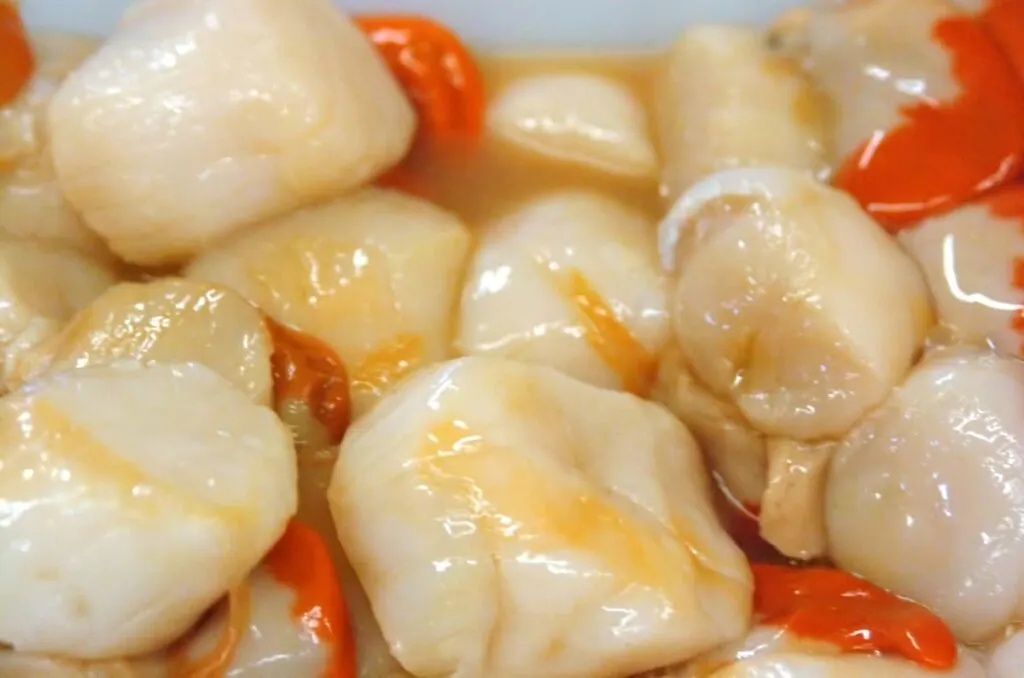
What about raw scallops?
Your cat should never consume raw scallops, as eating raw seafood can make your cat very ill and can lead to illness. With all raw seafood, there is always a chance of your cat contracting a parasite or another virus that can be transmitted through uncooked food, which can have long-term health repercussions for your cat.
If you are worried about raw scallops, use a meat thermometer to ensure they are cooked to the correct temperature. Scallops should always be cooked to a temperature of 125 degrees at a minimum to be fully done and to avoid food-borne illnesses.
The dangers of feeding your cat expired scallops
It is also not a good idea to feed your cat scallops that are about to expire or scallops that are already past their expiration date. If you feel uncomfortable consuming the scallops yourself, your feline friend should not be eating the scallops, either. While it is tempting to give your cat the leftovers or food that is about to spoil to avoid wasting it, this can do your cat far more harm than good.
If your cat consumes bad scallops, it may have a very upset stomach, including diarrhea, nausea, and vomiting. To avoid the painful side effects that can come along with eating rotten food, throw out any scallops that seem like they may have gone bad, regardless of whether they are cooked or uncooked.
How can I tell if scallops have gone bad?
If you are still determining if your scallops have expired, the first step is to do a sniff test. If the scallops smell fishy, sour, or unpleasant, it is safe to assume they are past their expiration date and should be thrown straight into the trash. If they smell ok, but you are still concerned, check the texture of the scallops.
Scallops about to go bad often have a slimy wet coating, indicating that you or your cat should not eat the scallops. Scallops are not seafood with a long shelf life in the fridge, so it is best to cook them quickly after purchasing or freeze your scallops immediately.
Are scallops healthy for cats to eat?
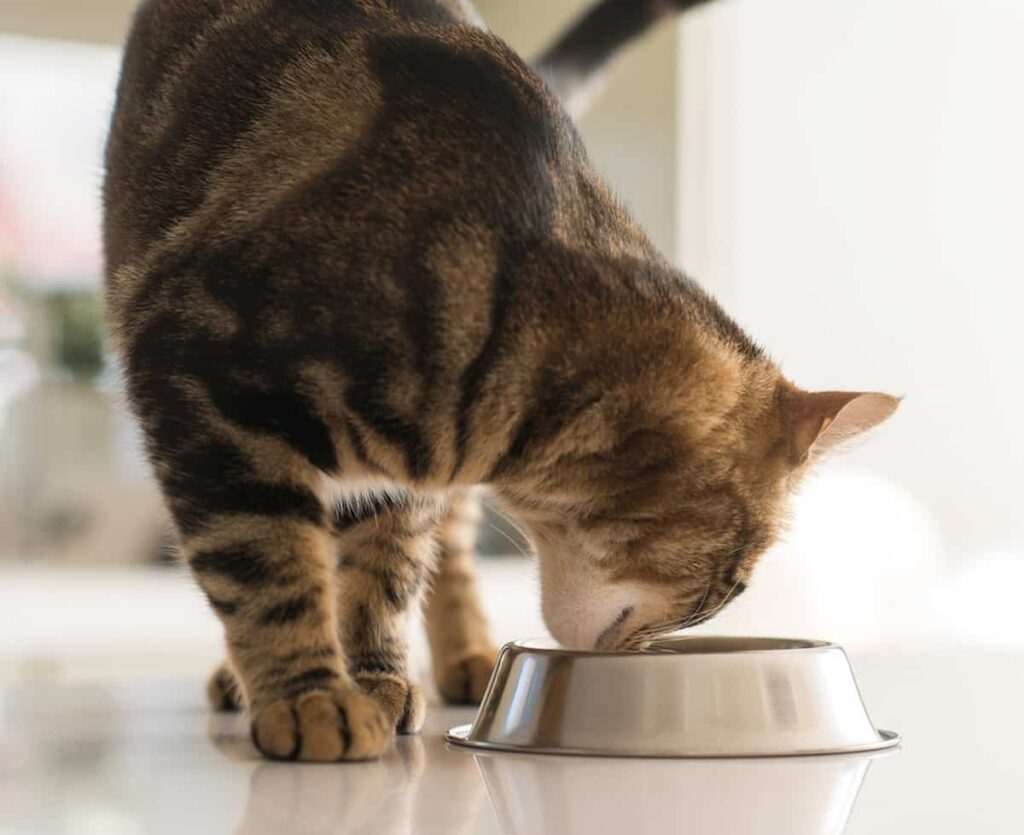
Cats should receive all the vitamins, nutrients, and protein they need daily through the cat food they are eating. Supplementing your cat’s food with any other human food is not needed. However, many cats are intrigued and enjoy eating human food, and it is not detrimental to their health if they consume foods like scallops in small quantities.
Scallops are a type of seafood that do contain protein, healthy fats, and vitamins such as potassium, zinc, and magnesium. These are healthy things for your cat to have as part of its regular diet.
However, it can be unhealthy for your cat to eat too many scallops at once. Pet owners should avoid giving their cats more than a few bites of scallops a week and be mindful about the serving size of the extra food you are giving your cat. Too many rich-tasting human foods can hurt your cat’s stomach and lead to weight gain for them down the road.
While it is ok to feed older cats a few nibbles of scallops now and then, kittens should not be eating seafood. They should primarily be living off of their mother’s milk. Adding new human foods to their diet would negatively affect your cat.
Additionally, when kittens are super young, they cannot chew very well, so it could pose a choking hazard to your kitten if you introduce solid human food too early in their diet. Even if your kitten shows a lot of interest in eating scallops or other human food, it is best to consult your vet before you let them try anything.
Are scallops a good meal replacement for cats?
Feeding your cat scallops as a meal replacement for their regular cat food is not a good idea. While they might enjoy a scallop as a treat every so often, scallops are not filling and do not contain the ingredients cat need for a full, well-balanced meal. Scallops are a very rich type of seafood, even for humans, so it wouldn’t be a good idea to use them as a meal replacement as they might bother your cat’s digestive system.
The Takeaway
If you give your cat cooked scallops, you should also be careful to avoid giving them any scallops that are overly seasoned with spices or herbs, as this can be bad for your cat’s digestive system. It is best to avoid letting your cat eat scallops that might be heavily processed or cooked in unusual ways. While scallops are not toxic for your cat, some other ingredients they are cooked with could be dangerous.
A little treat of scallops or another seafood delicacy can be a fun way to reward your cat for good behavior or treat them at the end of the day. Still, this food should never be served as a dietary replacement for their regularly prescribed cat food.
My name is James, and welcome to FAQCats!
Along with our team of cat owners, expert pet enthusiasts, and pet professionals, we aim to write engaging helpful, engaging content about cats. At FAQCats we strive to provide content that’s accurate and fun to read. Our team writes about everything related to cats; even the most complex of topics. Through extensive research and caring for our own fur-pals, we’re able to provide something cat owners worldwide will love. Have a look around, and leave us feedback anytime!