
Cats obsess over the strangest things, so it is no shock to any cat owner when their cat charges at them when they’ve opened a beer or are pouring themselves wine. You’ve likely considered giving your cat some of your delicious adult beverages before but have not come up with a clear answer regarding the safety of giving your cat alcohol. Is it safe to give your cat alcohol? Can cats get drunk?
Yes, cats can get drunk. However, it is incredibly unsafe and not recommended. Cats have an incredibly low alcohol tolerance, and just a few licks of your drink can make them intoxicated. Never let your cat consume alcohol, as it will likely lead to alcohol poisoning, which is highly dangerous and can result in the death of your cat.
Like most cat owners, you likely have more questions about the signs of ethanol poisoning and if there are any cat-friendly alcohols. Luckily for you, you can find the answers to the questions you’ll have in this article.

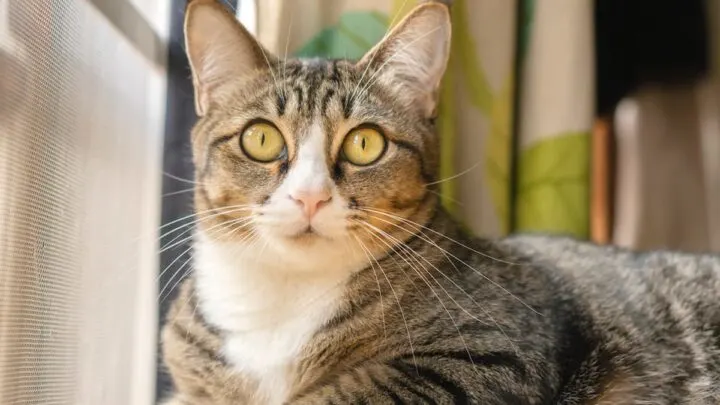
What happens if you give a cat alcohol?
Refrain from giving your cat alcohol. Just a small amount of it is enough to cause a variety of health problems. Alcohol poisoning in cats happens far quicker than with humans as cats have a significantly smaller stature and can get alcohol poisoning from just a few licks of it. There are many signs of alcohol poisoning in cats. If your cat experiences any of the following symptoms of alcohol poisoning, bring your cat to the vet immediately:
- Diarrhea
- Vomiting
- Lethargy
- Lack of coordination
- Trouble breathing
- Coma
- Seizures
- Death
How much alcohol is safe for cats?
Under no circumstances is alcohol is safe for a cat so refrain from offering it to your cat. Only one teaspoon of alcohol can put your cat into a coma. They are significantly smaller than us, so it does not take much to make your cat fall ill or even cause death. They do make alcohol for cats specifically, which we will discuss below.
How do cats act when drunk?
In less severe cases of alcohol consumption in cats, you’ll notice human-like symptoms such as wobbliness, falling, and the inability to hold the head up straight. In cases of alcohol poisoning, you’ll see your cats health declining quite fast, and they will become lethargic, may have seizures, or even fall into a coma.
Do cats like to get drunk?
No, cats should not even consume alcohol. Small amounts of alcohol are hazardous for your cat and can even lead to death. Do not provide your cat with alcohol even if they appear interested in it because it only takes a small amount of alcohol to kill your cat.
Can I give my cat vodka?
No, no alcohol should be consumed by your cat. Alcohol consumption can cause your cat to fall into a coma or even die. However, due to vodka’s strong smell, it is unlikely your cat would even show interest in the vodka, let alone try it.
Why does my cat like beer?
Cats are inquisitive creatures, and they likely are not interested in the beer itself but the sound of the beer can opening. They probably associated the beer can opening with the sound of their wet food can being opened. Under no circumstances should you give your cat alcohol. The smallest amount of alcohol is enough to harm your cat permanently or even cause death.
What happens if my cat accidentally consumes alcohol?
Take your cat to the vet immediately for a proper evaluation and treatment if your cat has consumed alcohol and you’re unsure of the amount, or your cat is showing signs of alcohol poisoning. Remember, symptoms of alcohol poisoning include diarrhea, vomiting, lethargy, lack of coordination, trouble breathing, coma, or seizures.
Do cats like the smell of alcohol?
Your cat will be curious about anything you do, but most cats are usually good at differentiating food from things that aren’t food. If your cat comes across your alcohol, it will likely be repulsed by the smell. However, if your cat can get past its smell, they may consider trying some. Do not let your cat under any circumstances drink alcohol because it can cause permanent damage to your cat’s health or even kill them.
Can cats drink nonalcoholic beer?
No, nonalcoholic beer still contains trace amounts of alcohol. Although it may not be enough to kill your cat, it is still not recommended and is incredibly unhealthy. However, a beverage called cat wine is made for your cat and safe for it too.
What is cat wine?
Cat wine is a mixture of nonalcoholic ingredients, including catnip, that replicates the mellowing feeling of alcohol. Although it will not harm your cat, it doesn’t serve any benefits for your cat either. Cat wine is entirely safe for cats, although you should get your vet’s approval before offering it to your cat to ensure your cat will not have an allergic reaction to any of its ingredients. Cat wine is a great option to keep your cat away from your drink, but it should not be offered as a replacement for water as your cat needs water to survive, and cats tend to be bad at hydrating, which is why most cat owners have to offer their cat wet food.
Are there alternatives to cat wine?
Yes, if you do not wish that your cat consume cat wine, whether for allergy reasons or another reason, you can give your cat a special tea for cats. All cat tea is, is distilled water mixed with catnip. Another extra treat you can do is place a frozen cube of chicken broth in your cat’s water bowl to give them something special instead of the normal water.
Conclusion
Never give your cat any human alcohol, as you can permanently damage your cat’s health and even cause death. Diarrhea, vomiting, lethargy, lack of coordination, trouble breathing, coma, and seizures are signs of alcohol poisoning and should not be taken lightly. If your cat experiences those symptoms, bring them to the vet immediately, as they could be in life-threatening danger. There are alternatives to human alcohol, such as cat wine and cat tea. Both contain catnip to replicate the mellowing effects of alcohol. However, although they are made for cats and are safe for cats, you should always consult your vet before giving your cat any new food or beverages to ensure it doesn’t include any ingredients your pet is allergic to.


My name is James, and welcome to FAQCats!
Along with our team of cat owners, expert pet enthusiasts, and pet professionals, we aim to write engaging helpful, engaging content about cats. At FAQCats we strive to provide content that’s accurate and fun to read. Our team writes about everything related to cats; even the most complex of topics. Through extensive research and caring for our own fur-pals, we’re able to provide something cat owners worldwide will love. Have a look around, and leave us feedback anytime!