


If you have ever dealt with constipation or other intestinal issues, you should know that milk of magnesia is incredibly helpful in easing those symptoms. However, now that your cat is sick, you are curious if it will be as beneficial in easing your cat’s symptoms as it is for you. Can you give your cat milk of magnesia?
Yes, you can give your cat milk of magnesia, but only with vet approval. Never self-medicate your pet, as some human medications can be incredibly toxic to your pet.
When planning to give your cat any kind of medication, it is good to get the okay from your vet. Getting your vet’s approval is necessary because human medications are typically not safe for pet consumption. In some cases, like with milk of magnesia, it can be safe and beneficial with the correct dosage. However, you’ll need your vet’s approval before giving them anything to ensure your pet will not get sicker from the medication.
How much milk of magnesia can you give a cat?
Most vets recommend giving 1-3 tablespoons orally once a day. However, it is best to call your vet for a more accurate dosage as weight, age, and the other medications your cat takes may change the dosage. Never self-medicate your cat; always get the advice of a medical professional.
How long can a cat go without pooping?
Your cat can go without pooping for 48 hours, as anything over this time frame is cause for concern. However, it is ideal for your cat to poop at least once a day. If your cat goes longer than 48 hours without pooping, reach out to your vet immediately, as this can be a sign of something more severe and is also very uncomfortable for your cat. Bring your cat to the vet immediately if you feel as though your cat may have underlying issues causing constipation or if it has been over 48 hours without a bowel movement.
How to tell if a cat is constipated?
To tell if your cat is constipated, look for the following signs:
- Hard, dry poop
- Straining in the litter box
- Lethargy
- Frequent litter box trips with nothing coming out
- Loss of appetite
- Hard abdomen
- Vomiting
- Hiding
If your cat has gone over 48 hours without a bowel movement and has any of the following symptoms, you should bring your cat to the vet immediately as it could be caused by something more serious. It is not always easy to determine if your cat is suffering from constipation, especially if your cat isn’t the type to cry when in pain or discomfort.
What causes constipation in cats?
It becomes constipated when things do not move properly through a cat’s intestines.
However, there are many different reasons that your cat can’t properly pass things through its intestines, including spinal pain or other spinal issues, anxiety and stress, arthritis pain, only feeding your cat dry food (this can cause dehydration which can lead to constipation, so it is best to allow your cat to have some wet food in their diet to prevent this).
Also lack of fiber in the diet, the obstruction blocking the colon, kidney problems, excessive grooming which can lead to a lot of hair in the cat’s digestive tract, feline megacolon which causes the colon to become so large that the muscles no longer contract causing a build-up in hard, dry stool, IBS or Inflammatory Bowel Disease, Allergies, Nerve Problems, Cancer and more.
If you are worried about your cat’s lack of bowel movements, bring your cat to the vet immediately for a proper diagnosis and treatment.
What else can help with cat constipation?
There are numerous ways to help your cat with constipation. It is best to do these early on or as preventative steps as the longer your cat is constipated, the more dangerous it becomes.
Fiber-Rich Foods
Fiber is essential in a cat’s diet. However, their diets often lack this. You should add fiber to your cat’s diet, especially if they’re having trouble with bowel movements. A great way to add fiber to your cat’s diet is by adding a teaspoon of canned purée pumpkin once or twice a day to your cat’s diet.
Ginger
Ginger is a great way to get your cat’s digestive tract flowing again. However, you should consult your vet before offering this to your pet. If your vet gives the okay, you can offer your cat ginger in small amounts (¼ teaspoon) to get their digestive tract back in motion.
Aloe Vera Juice
This is a good way to get your cat’s digestive tract in order again. Mix in small amounts (½ teaspoon) to their food. However, speak to your vet beforehand because the weight and health of the animal will determine the proper dose, and too much can cause diarrhea in your cat.
Canned Wet Food
Dry food has no moisture, making it an incredibly dehydrating food for your cat. Provide your cat with canned wet food at least once a day to keep them hydrated. This will allow better hydration resulting in a smoother digestive system.
What is a natural laxative for cats?
Pumpkin is the most effective natural laxative for cats. This is due to its high fiber contents, making bowel movements softer and easier to pass for your cat.
Conclusion
Your cat can have the milk of magnesia. However, it is always best to get approval from your vet before medicating your cat. This is because dosages may vary depending on your cat’s weight, diet, and other medications they may be on could affect it.
To keep your cat safe, never self-medicate them. It is unfortunate seeing your cat in so much distress due to constipation or an upset stomach. However, there are numerous ways to naturally help your cat early on. If your cat has not had a bowel movement in the last 48 hours, you should bring it to the vet immediately, as it can signify something more serious.
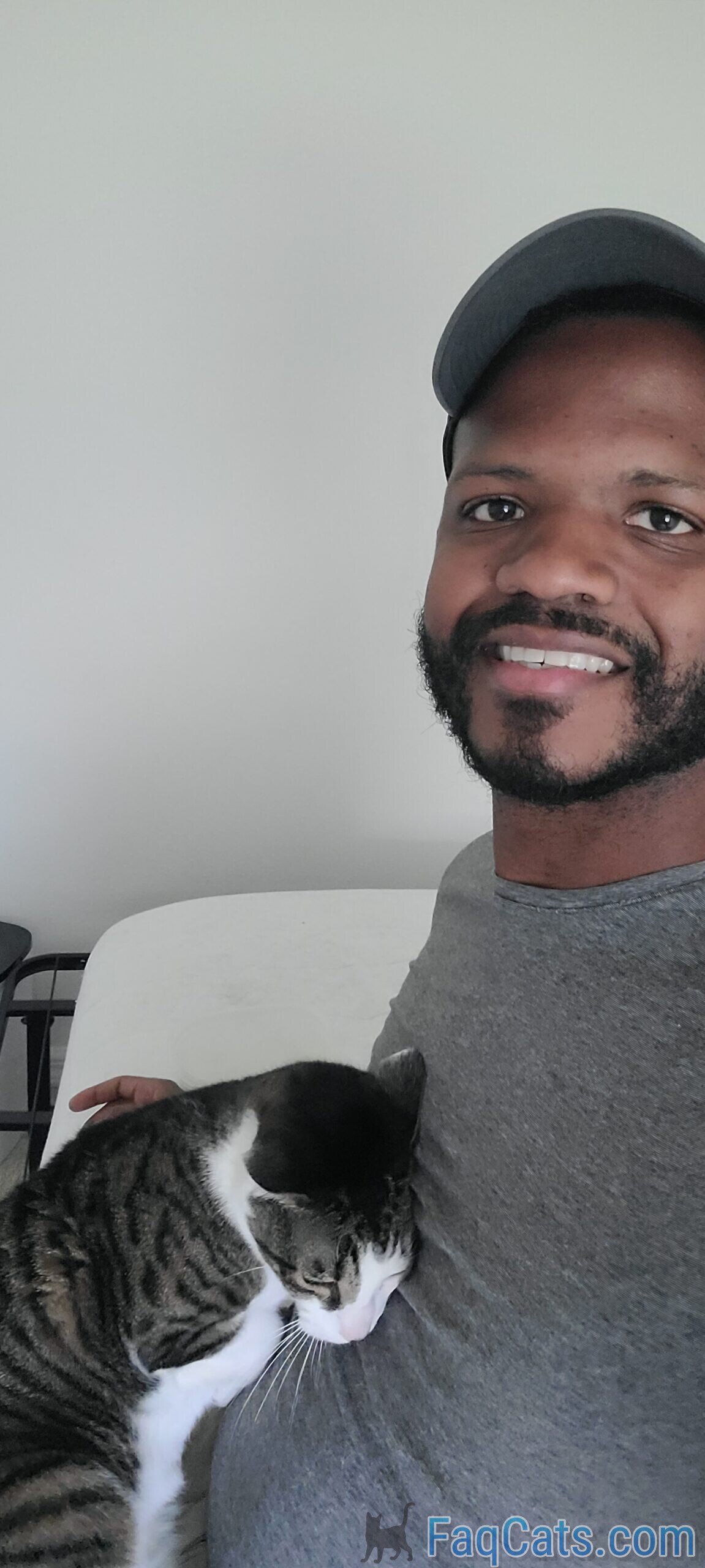

My name is James, and welcome to FAQCats!
Along with our team of cat owners, expert pet enthusiasts, and pet professionals, we aim to write engaging helpful, engaging content about cats. At FAQCats we strive to provide content that’s accurate and fun to read. Our team writes about everything related to cats; even the most complex of topics. Through extensive research and caring for our own fur-pals, we’re able to provide something cat owners worldwide will love. Have a look around, and leave us feedback anytime!