

You are sitting on the couch relaxing after a long grueling day at work, and you notice your cat is acting strangely. They are pouncing and patting at something round on the ground, but you cannot quite place what it is, so you get up to take a closer look, and you realize it is a spider! Thoughts start racing through your mind. “What if the spider bit my cat? What if the spider is poisonous and do cats kill spiders?
Cats do kill spiders due to their natural hunting instinct. Cats also occasionally eat spiders. They are constantly on the prowl for something they can attack and use their instincts on.
Now that you know that your cat can help rid your house of these disgusting creepy crawlies, you probably have other questions about why your cat devours spiders and if this should be a cause for concern. Let us look deeper into this.
Do all cat breeds kill spiders
Yes! All breeds of cats can and will kill spiders.
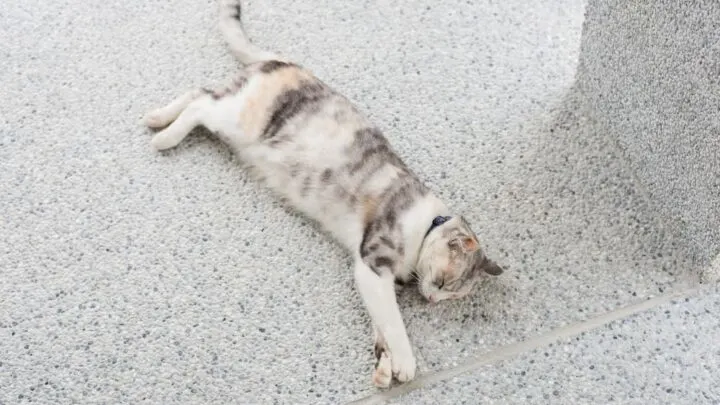
Cats are natural hunters. Their instincts are to seek, hunt, and pounce anything that may challenge their inner lion. My cat will chase anything and everything she can get her paws on, from hair ties to socks to bugs to spiders. It is entirely normal for your cat to chase and pat spiders around, often leading to the death and possible consumption of the little arachnid.
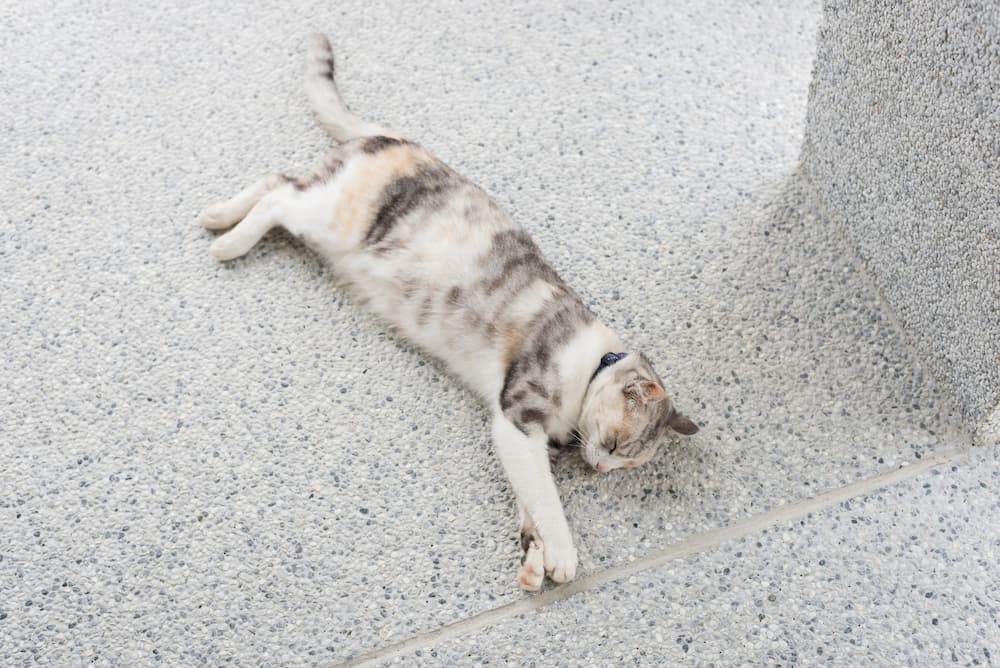
There are certain breeds of cats that may be less prone to exhibit their cat like instincts. Lazy cats such as Persians or Himalayans may choose to simply ignore the tiny intruder and sleep away their feline duties.
Is it healthy for my cat to eat spiders that are not poisonous
If your cat eats a spider, even a venomous spider, your cat’s digestive system will naturally neutralize any venom the spider may have.
Spider venom’s harmful effects are typically activated when they enter the bloodstream. Most spiders are not toxic for cats. Therefore, when a cat eats a supposedly venomous spider, it is very unlikely for them to exhibit any symptoms or sickness.
What happens if my cat is bitten by a spider
Cats’ skin is thicker than human skin, and most spider bites are harmless to our furry friends.
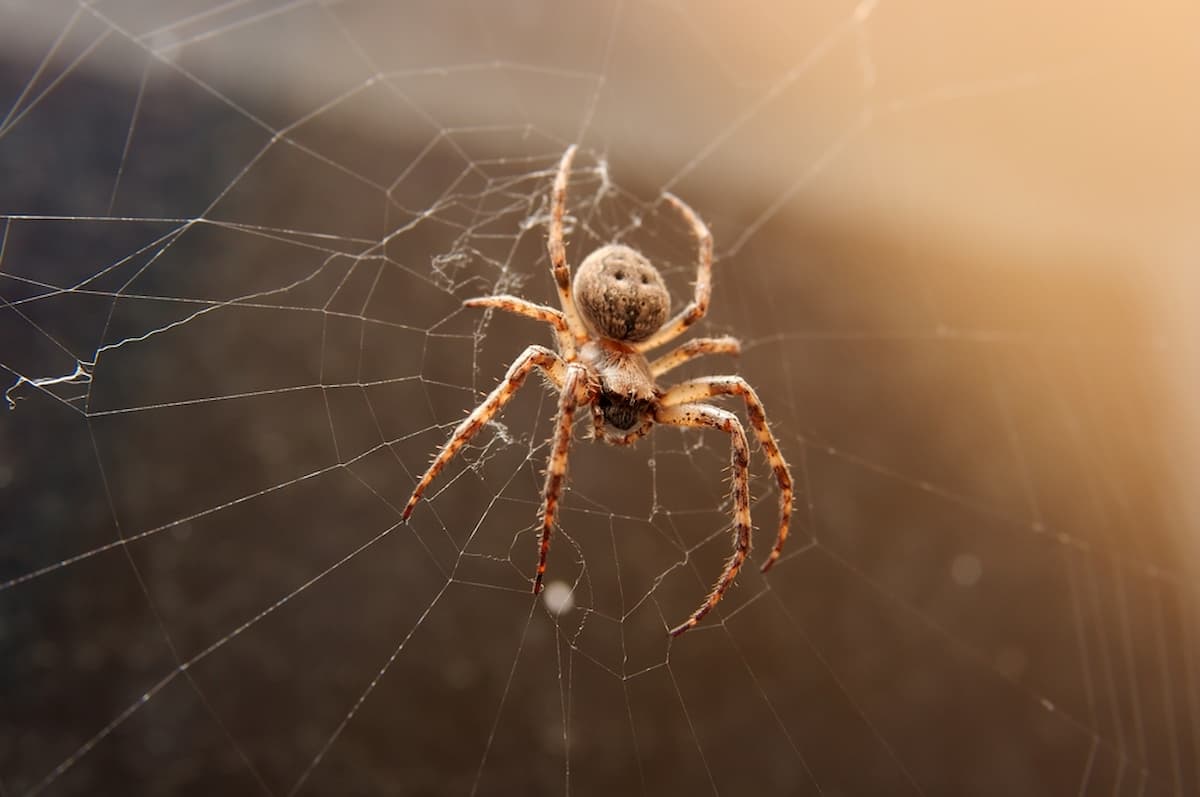
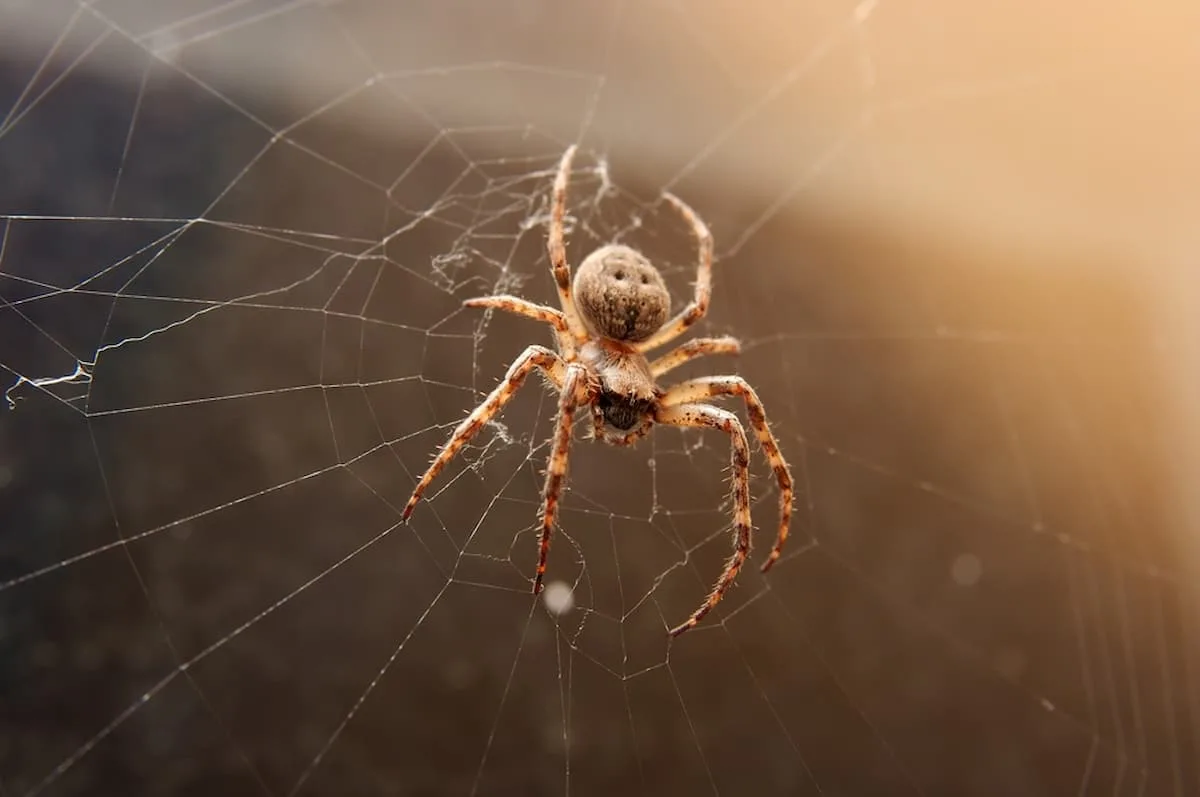
However, there are a couple of types of spiders that may appear in or around your home that can cause serious problems if your cat is bitten by them:
| Harmful Spiders | Recognizing these spiders | Symptoms resulting from a bite |
| Brown Recluse | Approximately half an inch in length. Brown with a dark violin shape on their back. Nocturnal creatures that typically hide in the dark, hard to reach places. Reclusive spider that will not become aggressive until it feels threatened Native to the US | In the area of the bite: Redness tissue death swelling blisters Leading to: loss of appetite lethargy signs that your cat is in pain |
| Black Widow | Approximately an inch and a half in length. Females – larger than males, all black, red hourglass can be found on their abdomen. Males – brown in color, with pink or red spots or stripes appearing on their abdomen. Found mostly in the US and Canada | Vomiting and lethargy Excessive salivation Loss of appetite Abnormal behavior that may indicate that your cat is in pain Loss of coordination Paralysis |
| Hobo Spider | Half an inch long Brown body with yellow marks on its bum. They make funnels, silk like web to hide in. Found in the Pacific Northwest, US. | Lethargy Muscle spasms Paralysis Vomiting |
| False Widow | It appears to be brownish, red, and orange. Cream markings on its abdomen About an inch and a half in length. Found mostly in Europe and parts of North and South America | Swelling around the bite area Tremors Paralysis loss of appetite |
There are other types of spiders that are commonly found in the home, but bites from these other spiders are typically no cause for concern.
What should I do if my cat is bitten by a poisonous spider
If your cat is bitten by what you believe to be a venomous spider, reach out to your veterinarian immediately.
Prior to your vet appointment, it is vital you keep an eye on the bite. If your cat is exhibiting vomiting or diarrhea, you can treat their symptoms prior to your vet appointment to help keep them stable. Keeping your cat hydrated should be your first priority until you are able to get them into a veterinarian. Feeding your cat wet food and adding chicken broth to their water can help keep them hydrated temporarily.
Depending on the severity of the bite, your vet can administer several types of treatments such as pain medication intravenous fluids if needed, or they may even have an anti-venom shot they can give to your cat.
Can I train my cat not to eat spiders
It is nearly impossible to train a cat not to eat spiders or other bugs, for that matter.
Cats have a natural born instinct to hunt for their prey. Spiders are small fuzzy critters that can often be a fun game for cats. If you prefer that your cat does not eat spiders, it is easier to prevent them from getting into your house than to train your cat not to eat them.
Spraying for bugs with pet-safe bug spray can help keep the spiders at bay. If you notice your cat is still finding spiders around your home, it is best to let them be, as it is a completely normal pastime for cats to stalk small home invaders. Keeping your yard clean, grass cut and old wood piles picked up or burned is a more natural way to keep the spiders out of your home.
Final Thoughts
It is in a cat’s nature to hunt and kill small creatures. Training your cat not to eat house spiders can prove to be quite impossible. Preventing spiders from entering your home is your best option if you want to keep your cat from hunting them.
Most spider breeds are harmless to cats; however, if your cat is bitten, you should keep an eye on the bite and your cat’s behavior for any abnormalities in case of a poisonous bite. Contact your veterinarian if you notice any persistent symptoms or severe wounds.


My name is James, and welcome to FAQCats!
Along with our team of cat owners, expert pet enthusiasts, and pet professionals, we aim to write engaging helpful, engaging content about cats. At FAQCats we strive to provide content that’s accurate and fun to read. Our team writes about everything related to cats; even the most complex of topics. Through extensive research and caring for our own fur-pals, we’re able to provide something cat owners worldwide will love. Have a look around, and leave us feedback anytime!