
When a cat purrs, it can be the most remarkable thing. The vibration of their body and the affectionate playfulness that follows after is one of the reasons many of us love cats. Do cats really have control over this behavior or is it just instinct? Do cats purr on purpose?
Yes, cats purr on purpose. Kittens and adult cats alike purr for a variety of reasons. These reasons include purring as a way to express their happiness and purring to soothe themselves through pain or a stressful experience.
Considering that there are many different causes for a cat’s purring, it is suggested that cats make these vocalizations on purpose. Read on as we examine many of the reasons why a cat purrs, what it means, and how you can better understand your pet.

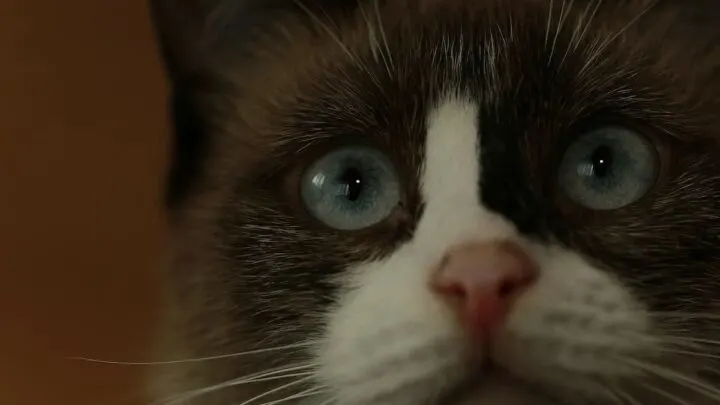
Reasons Why Cats Purr
There are five main reasons why cats purr. These reasons include cats feeling happy or content, a cat wanting something from their owner, and a way to soothe themselves when they are in pain or stressed out. In addition to all of these causes of purring, newborn kittens and mother cats also purr as a way to communicate with one another. Here are the five reasons why cats purr.
Your Cat Is Happy
Most of the time, cats purr because they are feeling happy or content. Usually, this is why cats purr when people are petting them or playing with them, so if a cat starts to purr when you are doing these things, then that is a good indicator that they are happy.
Your Cat Wants Something From You
Cats also tend to purr as a way to get a human’s attention reasonably often. This is called a solicitation purr, and cats will do this if they want attention, food, or other things from their owners. So, if your cat comes up to you purring before you start petting or playing with them, then this is likely the reason why. Some cats will do this more than others, and usually, more social cats will engage in this kind of purring more often.
Mother Cats Purr To Communicate With Their Newborn Kittens
Kittens are born without hearing or sight, so mother cats will use the vibrations of their purring to guide her kittens back to her. Kittens will learn how to purr after a few days of life as well, and they use this ability to communicate with their mother and littermates similarly.
Cats Purr To Reduce Stress
Sometimes cats purr to soothe themselves when they are feeling anxious or stressed out as well. This is a somewhat rare cause for purring in cats, but it can be seen relatively often in cats that experience chronic stress or anxiety. It is recommended to take your cat to the vet if they seem to be purring all of the time. This is because constant purring could be a sign of a medical issue or anxiety problem in cats.
Purring Can Be A Sign Of Pain In Cats
Like stress and anxiety, purring can be a sign that a cat is in pain as well. Many people report that cats often purr when giving birth or have an injury such as a broken bone. It is suggested that cats purr when they are in pain as a way to soothe themselves through the experience. As a result, you should take your cat to the vet if they seem to be constantly purring, especially if they also show other signs of pain.
Do Cats Purr On Purpose Or Is It Involuntary
Although people commonly thought that purring was involuntary in the past, we now know that cats purr intentionally. This means that they can control when they purr and when they do not purr. Purring occurs when cats move their vocal cords in a specific way, so purring is as intentional as a cat meowing at someone is.
Do Cats Purr Because They Like You
Most of the time, you will see a cat purring because they are feeling happy or content in a particular situation. Cats will also purr at people to get their attention, especially if they want attention or food. As a result, cats often come up to the people they like purring to get some attention. In addition to this, cats will also purr when someone that they like is actively petting them or playing with them.
Why Do Cats Purr When You Pet Them
Cats most often purr when they are being pet because they like it. This is especially true if the cat is exhibiting other signs of happiness along with its purring such as leaning into you and climbing into your lap.
Things To Consider
There are some other things that you should consider when it comes to if cats can purr on purpose. This includes when you should see a vet about your cat’s purring. Although purring is nothing to worry about in cats and is a sign of happiness, excessive purring can be a sign of health conditions, pain, and intense stress or anxiety in cats in some more rare instances. Here are some things to consider about cats purring.
When To See A Vet About Your Cat’s Purring
Although every cat is different and will purr at different rates, constant purring can be a sign of chronic pain, stress, and/or anxiety in cats. As a result, you should always take your cat to the vet if their purring seems to be abnormal or if they are exhibiting signs of pain or chronic stress, or anxiety. Signs of pain in cats besides purring include but may not be limited to:
● Lethargy
● Limping and having difficulty with jumping and moving around
● Reduced appetite
● Hiding
● An abnormal posture
● Signs of stress
● Being in a constant “cranky” mood
● Avoiding being pet or touched
● Becoming more reactive to light (avoiding bright light, squinting, keeping eyes closed)
Similarly, cats can also have some abnormal purring habits as a result of chronic stress or anxiety. This kind of anxiety or stress can be caused by many things, including medical conditions. As a result, you should still take your cat to the vet if you believe that their strange purring is being caused by stress or anxiety. Some signs of chronic stress and anxiety in cats include but may not be limited to:
● Having accidents outside of the litter box
● Increased vocalizations
● Hiding
● An onset of aggressive behavior
● Reduced appetite
● Excessive grooming
My name is James, and welcome to FAQCats!
Along with our team of cat owners, expert pet enthusiasts, and pet professionals, we aim to write engaging helpful, engaging content about cats. At FAQCats we strive to provide content that’s accurate and fun to read. Our team writes about everything related to cats; even the most complex of topics. Through extensive research and caring for our own fur-pals, we’re able to provide something cat owners worldwide will love. Have a look around, and leave us feedback anytime!