

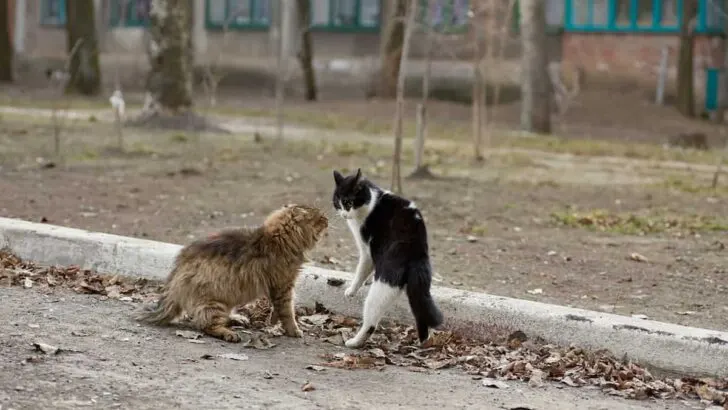
Feral cats are common in many areas, and people often wonder if they threaten kittens. Because of their wild nature, trusting them around kittens may not be the smartest idea. In most cases, you’ll protect kittens from feral cat attacks if they ever encounter one.
Kittens are especially vulnerable to feral cat attacks, and it’s important to understand the factors that can influence feral cat behavior toward them.
Following the prevention measures and safe practices discussed in this article can help keep kittens safe in areas with feral cats.
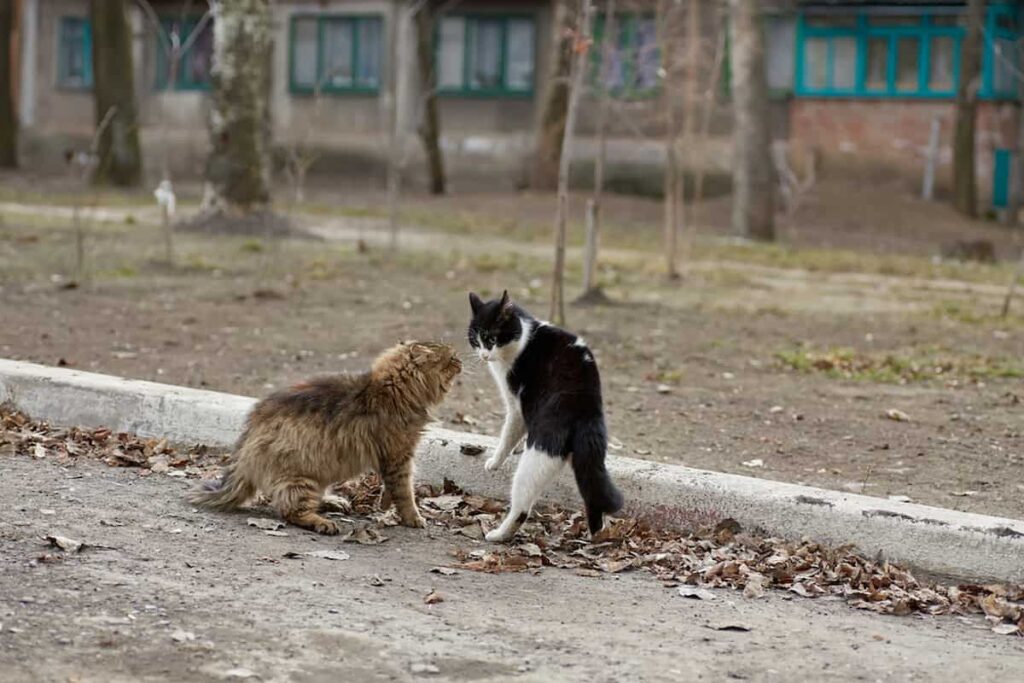
Do Feral Cats Attack Kittens?
Recent studies have revealed that feral cats are usually not hostile toward kittens; however, some factors can influence their temperament.
Feral cats, who continuously struggle to survive in the wild, may fiercely see kittens as competition and protect their domain. In times of hunger or fear, these felines are more likely to launch an assault on smaller animals, such as young cats.
Consequently, not only do they need more food sources, but they now have an additional creature that could be taking away from the little resources they had left to survive.
Research and Studies on Feral Cat Behavior Towards Kittens
Several research studies have delved into the behavior of feral cats toward their kittens. Astonishingly, a study in the Journal of Feline Medicine and Surgery concluded that felines living in the wild are typically tolerant when interacting with young ones without exhibiting hostile responses.
Interestingly, the study also revealed that feral cats were more likely to display hostile behavior towards kittens when they shared an area and battled over resources.
Research suggests that feral cats in areas of high cat density or, when threatened by kittens, demonstrate more aggressive behavior. Acknowledging such hostile behaviors can assist us in identifying proactive measures for safeguarding young felines from any potential assaults inflicted by their wild counterparts.
Factors That May Influence Feral Cat Behavior Towards Kittens
Feral cats may react to kittens in various ways, depending on environmental variables like food availability and shelter and social factors such as the presence of other cats or people nearby.
Not only do environmental elements affect the attitude of cats towards kittens, but individual characteristics such as age and health may also play a critical role in their behavior.
Environmental factors such as limited food sources or lack of shelter can make feral cats aggressive towards kittens.
Social influences such as other cats or humans can also affect feral cat behavior toward kittens. For example, if a feral cat has had more contact with people, it may be less likely to show aggression towards its young when humans are in the vicinity.

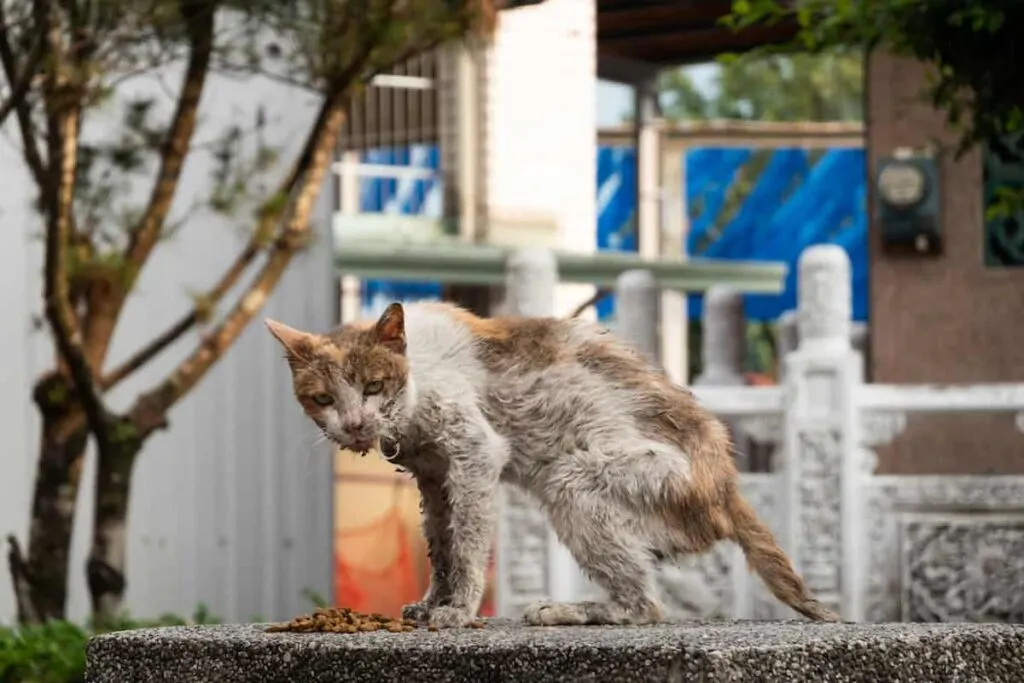
Common Scenarios Where Feral Cats Attack Kittens
Generally speaking, feral cats usually don’t disrupt kittens, though, in certain situations, they may become protective and aggressive. If a cat senses danger or is attempting to defend its turf, it could attack the tiny kitties with ferocity.
Additionally, feral cats may see kittens as competition for resources like food and shelter.
It is essential to recall that feral cats are driven by their natural instincts, making them unpredictable. These felines may perceive kittens as potential prey and attack if they seem weak or tiny enough. Therefore, appropriate caution should be taken when introducing young cats into a group of strays.
How to Protect Kittens from Feral Cat Attacks
To protect kittens from feral cat attacks, you can take several preventative measures.
Prevention Measures for Feral Cat Attacks on Kittens
By spaying or neutering your domestic cats, you can help significantly reduce the population of feral cats. Similarly, if you keep a clean outdoor space and regularly remove food sources such as garbage and pet food left out in the open, then this will also discourage wild felines from frequenting your area.
Providing secure shelters for kittens, such as enclosed structures with small openings to prevent access by feral cats, can also help to keep them safe.
Besides these preventative tactics, it is essential to emphasize creating a healthy and secure habitat for feral cats.
Securing food and water in allocated places and properly managing waste will help naturally draw the feral cats away from dangerous situations. This can be done by disposing of garbage responsibly so that more extensive problems do not arise.

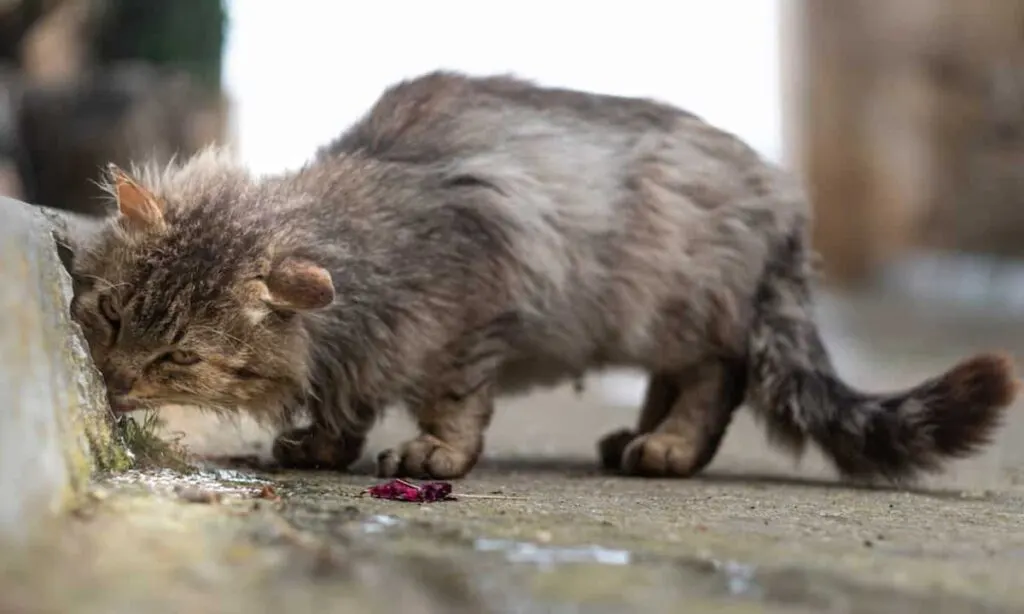
Safe Practices for Taking Care of Kittens in Areas with Feral Cats
Safeguarding kittens where wild cats exist is an extremely important task. Keeping them inside or in a secure area can help avoid contact with feral animals and keep the young ones safe.
To help protect yourself from a potential feral cat attack, remember not to leave food or water bowls outside in plain view. This is especially important near an area with known feral cats.
If kittens do go outside, they should be closely monitored and supervised, and any interactions with feral cats should be discouraged.
To keep the kittens safe, keep a healthy distance between them and feral cats. It’s essential to remember that even if they don’t appear aggressive, these wild animals can be potentially dangerous.
Available Resources for Dealing with Feral Cat Issues
Are you dealing with feral cats in your neighborhood? If so, there are plenty of available resources to help you. Reach out to local animal control or a feral cat organization. They can guide you through trapping and relocating the felines – an effective strategy for decreasing their population!
These organizations may also provide education and resources on safely caring for feral cats in your community.
By educating yourself on humane ways of handling feral cats, such as Trap-Neuter-Return (TNR) programs, you can help in the fight against overpopulation.
Trapping these felines, neutering or spaying them, and then returning them to their original residence allows us to control this population while ensuring they are treated with compassion.
Final Thoughts
Ultimately, when feral cats are present, kittens may be at risk. However, it is possible to keep youngsters safe from harm by taking precautionary steps such as implementing prevention methods and following safety protocols with available resources.
It’s essential to remember that feral cats are wild creatures and can act erratically. If you have worries about the presence of such cats around your area or are trying to figure out how to look after kittens safely within a feral cat environment, reach out for advice from an expert.
By collaborating, we can ensure both the safety and welfare of these felines and their young ones.


My name is James, and welcome to FAQCats!
Along with our team of cat owners, expert pet enthusiasts, and pet professionals, we aim to write engaging helpful, engaging content about cats. At FAQCats we strive to provide content that’s accurate and fun to read. Our team writes about everything related to cats; even the most complex of topics. Through extensive research and caring for our own fur-pals, we’re able to provide something cat owners worldwide will love. Have a look around, and leave us feedback anytime!