


Flea collars are a popular method of flea control for cats. However, cat owners and veterinarians debate their effectiveness on outdoor cats. While some argue that flea collars are a convenient and affordable way to keep fleas at bay, others claim they are ineffective and potentially harmful to cats.
Outdoor cats are particularly susceptible to flea infestations, as they are exposed to other animals and environments where fleas thrive. Flea collars work by emitting chemicals that repel or kill fleas. However, the effectiveness of these chemicals can vary depending on the type of collar, the cat’s lifestyle, and the severity of the flea infestation.
Before deciding whether to use a flea collar on your outdoor cat, it’s essential to weigh the pros and cons. In this article, we will explore the effectiveness of flea collars on outdoor cats, the potential risks and benefits, and alternative flea control methods that may be more suitable for your cat’s needs.
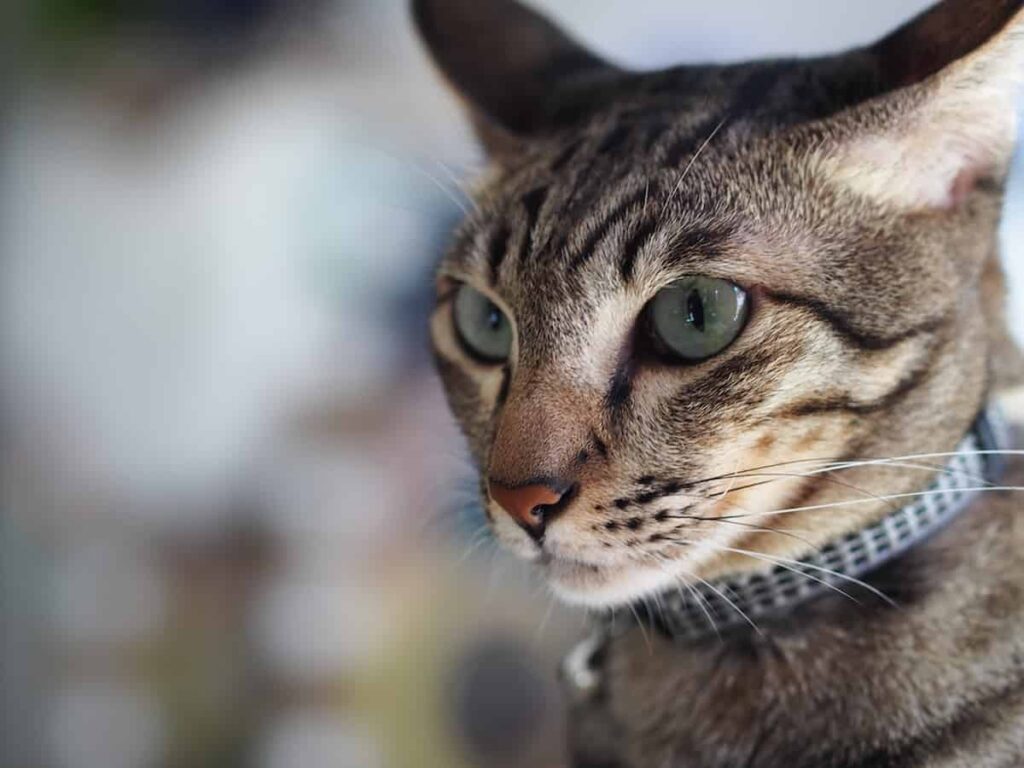
Flea Collars for Outdoor Cats
When it comes to outdoor cats, flea collars can be a helpful solution to the problem. And, in most cases, the results can be long-lasting.
What are the benefits of using flea collars on outdoor cats?
Using flea collars on outdoor cats can provide several benefits. First and foremost, they can prevent fleas and ticks from infesting your cat, leading to discomfort, skin irritation, and even disease.
Additionally, flea collars are easy to use and provide long-lasting protection, so you won’t have to worry about applying topical treatments or giving your cat pills regularly. Some flea collars also contain reflective materials that help keep your cat visible at night, which can be especially important if your cat likes to roam outside.
What are the risks of using flea collars on outdoor cats?
While flea collars can effectively prevent fleas and ticks, they come with some risks. Some cats may be allergic to the chemicals used in flea collars, which can lead to skin irritation, hair loss, and other symptoms. I have personally seen flea collars that burn the cat’s skin if it’s not good quality.
Additionally, flea collars can be dangerous if they become too tight or if your cat gets caught on something. It’s essential to choose a flea collar that is the right size for your cat and to monitor your cat closely for any signs of discomfort or irritation.
Choosing the Right Flea Collar
When choosing the right flea collar for your outdoor cat, there are a few factors to consider. With so many options available, knowing which one to choose can be overwhelming. In this section, we’ll review the factors to consider and the types of flea collars available to help you make an informed decision.
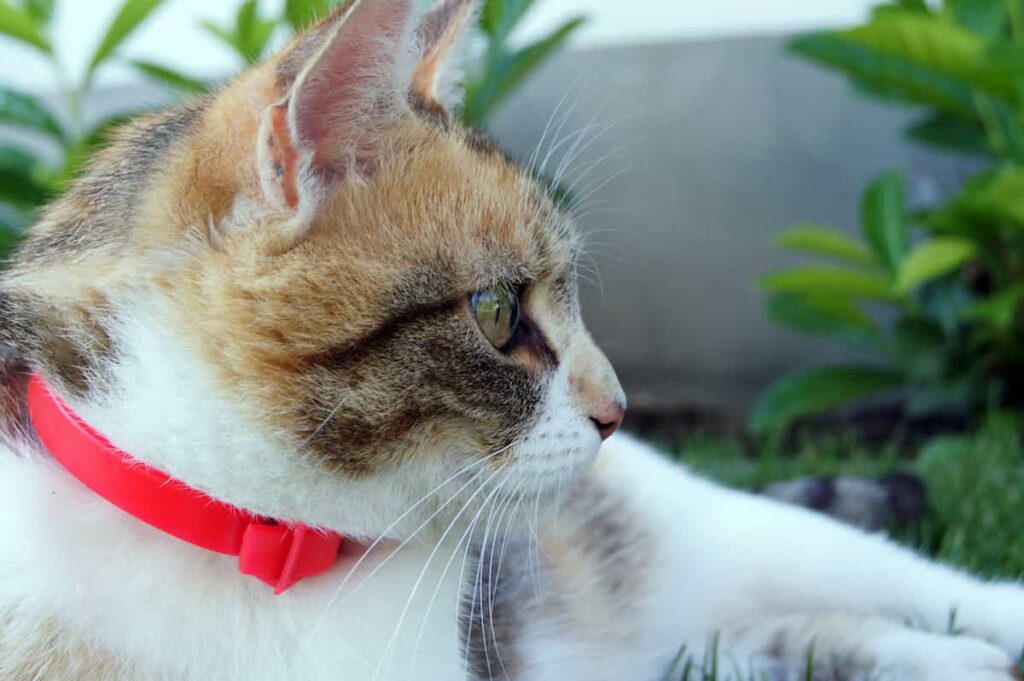
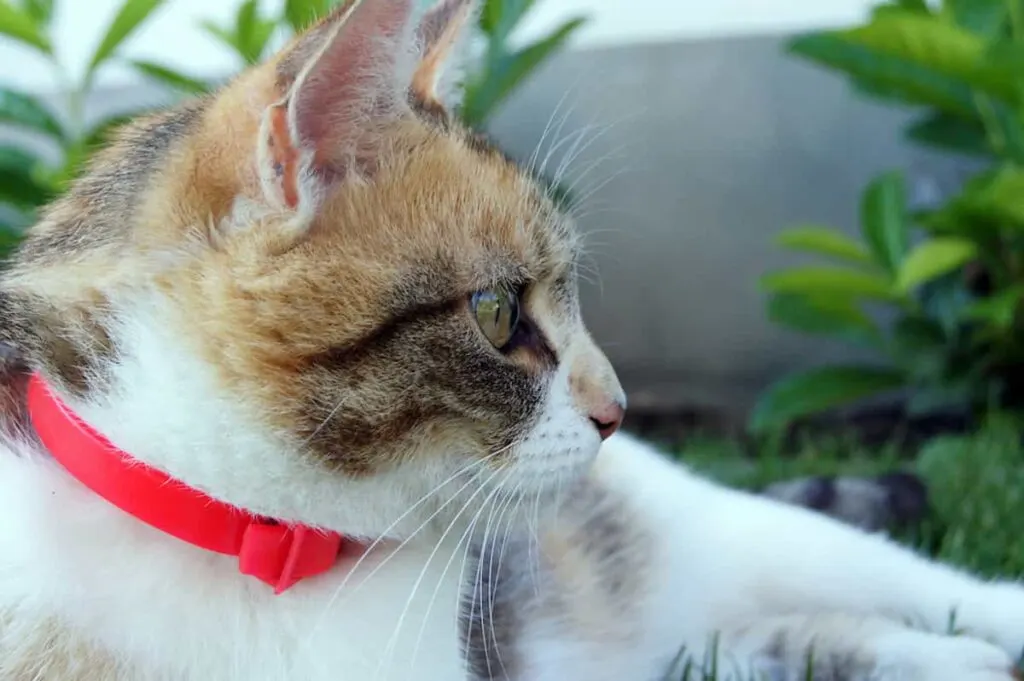
Factors to Consider
Before purchasing a flea collar for your outdoor cat, consider the following factors:
- Effectiveness: One of the most important factors to consider is how effective the flea collar is at killing fleas and preventing them from returning.
- Safety: It’s important to choose a safe flea collar for your cat to wear that won’t cause any adverse reactions.
- Durability: Outdoor cats are exposed to the elements, so choosing a durable flea collar that can withstand the wear and tear of outdoor life is essential.
- Fit: You want to get a flea collar that fits your cat. This means not buying a collar that’s too big for your kitten or too small for your Maine Coon. Fit matters because it can impact your cat’s breathing if its too tight. Also, it can lead to more agitation and make your cat more aggressive while being worn.
- Price: Flea collars can vary in price, so choosing one that fits your budget is essential.
Types of Flea Collars
There are several types of flea collars available for outdoor cats:
| Type | Description |
|---|---|
| Chemical Flea Collars | These collars release insecticides that kill fleas and ticks. They are effective but can cause skin irritation in some cats. |
| Herbal Flea Collars | These collars use natural ingredients like essential oils to repel fleas and ticks. They are generally safe but may not be as effective as chemical collars. |
| Ultrasonic Flea Collars | These collars emit ultrasonic waves that repel fleas and ticks. They are safe but may not be as effective as chemical or herbal collars. |
| Reflective Flea Collars | These collars have reflective strips that make your cat more visible at night. They do not repel fleas or ticks but can help keep your cat safe. |
When choosing a flea collar, it’s important to consider the factors above and choose the type of collar that best fits your cat’s needs. Remember that no flea collar is 100% effective, so using other flea prevention methods in conjunction with the collar is essential.
Alternatives to Flea Collars
Flea collars are a carefree way to treat your cat, but some better alternatives exist.
Topical Treatments
Topical treatments are a popular alternative to flea collars. They are applied directly to your cat’s skin and effectively kill fleas and ticks.
These treatments usually last for a month and are easy to apply. They come in different forms, such as spot-on treatments, sprays, and shampoos. Spot-on treatments are the most common type of topical treatment. They are applied to the back of the neck and are absorbed into the skin, providing protection for your cat.
Oral Medications
Oral medications are another alternative to flea collars. They come as pills or chewable that your cat can take. These medications work by killing fleas and ticks when they bite your cat.
They usually last for a month and are effective in preventing flea infestations. It is important to note that some oral medications may have side effects, so it is important to consult with your veterinarian before giving your cat any medication.
Natural Remedies
Natural remedies are a great alternative to flea collars if you prefer to avoid chemicals. Some natural remedies include essential oils, apple cider vinegar, and diatomaceous earth. Essential oils such as lavender, peppermint, and cedarwood can repel fleas and ticks.
Apple cider vinegar can be used as a flea spray, while diatomaceous earth can be sprinkled on your cat’s bedding to kill fleas and ticks. It is important to note that natural remedies may not be as effective as other alternatives and require more frequent application.
Final Thoughts
One thing to remember with outdoor cats is that you’ll need ongoing flea treatments. That can get expensive over time, especially if you buy quality flea collars. Consider making your cat a hybrid so that you don’t have to constantly change out collars.
Also, it’s much easier to use topical treatments as they continue working, and getting your cat to take those on rather than a collar is much easier.


My name is James, and welcome to FAQCats!
Along with our team of cat owners, expert pet enthusiasts, and pet professionals, we aim to write engaging helpful, engaging content about cats. At FAQCats we strive to provide content that’s accurate and fun to read. Our team writes about everything related to cats; even the most complex of topics. Through extensive research and caring for our own fur-pals, we’re able to provide something cat owners worldwide will love. Have a look around, and leave us feedback anytime!