


Cats are known for their unique coat colors and patterns, but have you ever wondered if a white kitten will stay white as they grow older?
When it comes to white kittens, whether they stay white or not depends on a few factors. While some white kittens will remain white throughout their lives, others may experience changes in their coat color.
This is a question that many cat owners have, especially if they are considering adopting a white kitten. This article will explore whether white kittens stay white or if their coat color changes as they grow older.
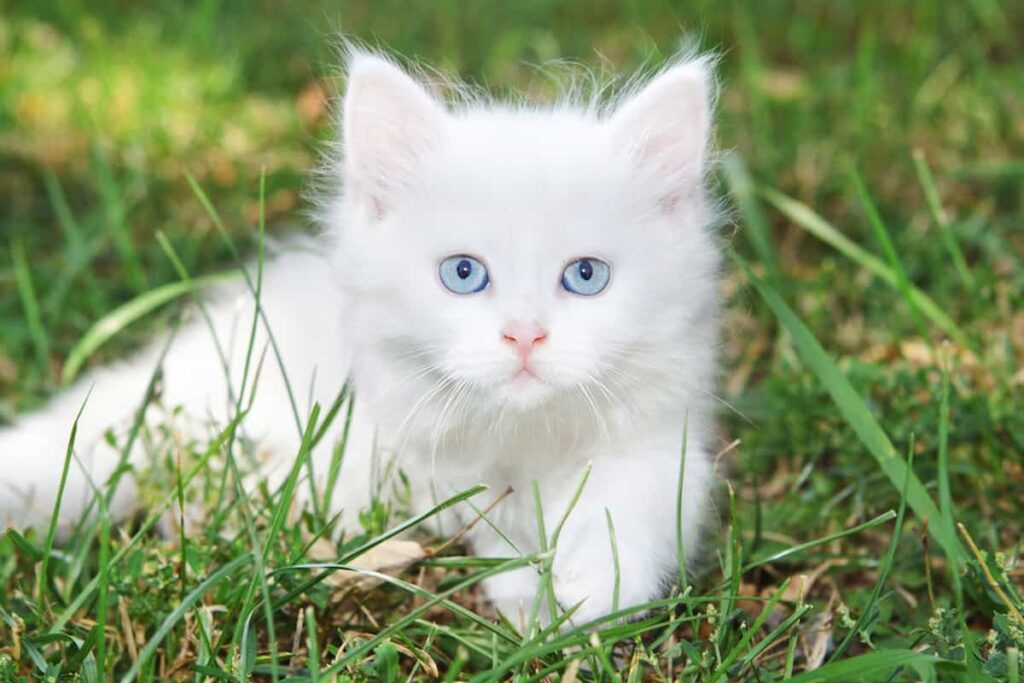
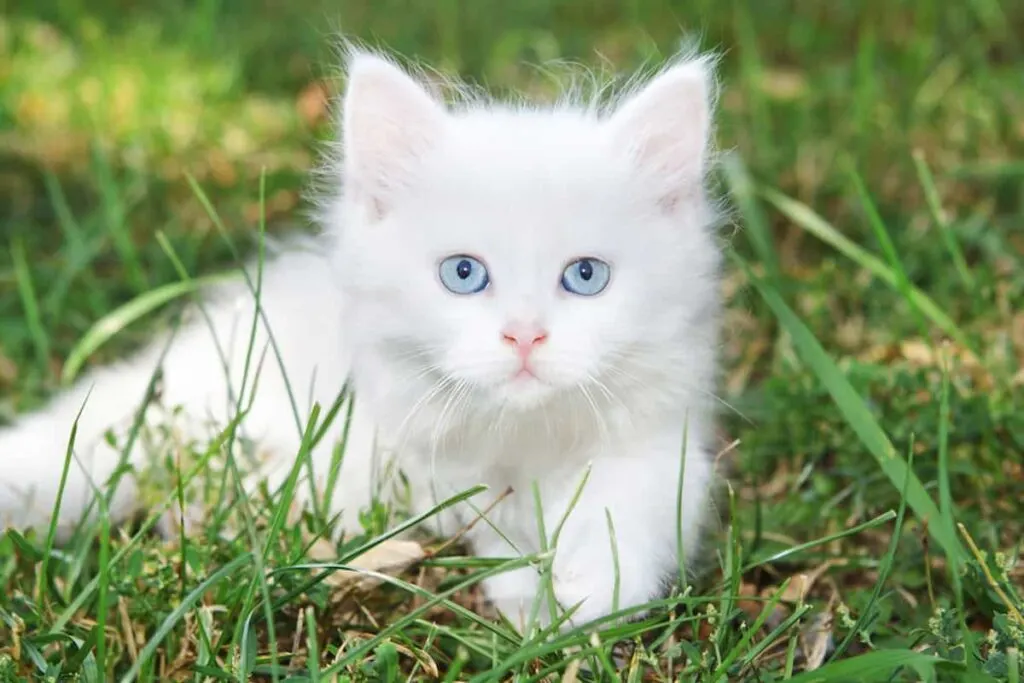
Do White Kittens Stay White
For the most part, white kittens will stay white as they enter adulthood—however, factors like genetics, environment, and other factors. Even breed history and the lineage of the parents play a role.
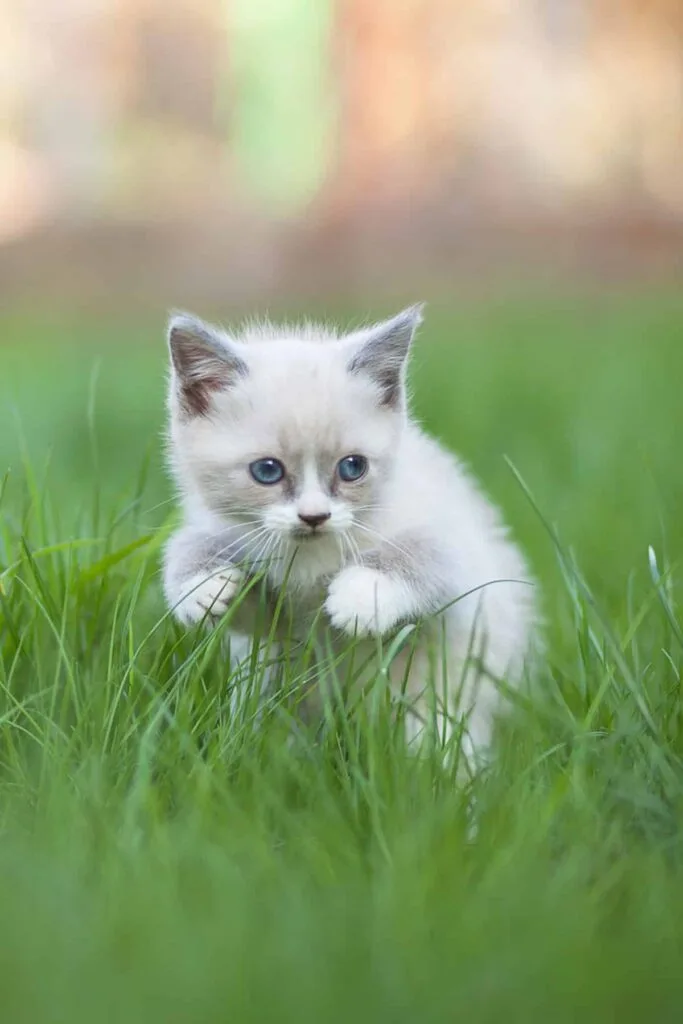
To illustrate, some white kittens may harbor a gene that causes their coat to become another color as they mature, whereas others keep the same pristine white hue. For example, Seal point Siamese cats tend to darken as they age.
Understanding Cat Coat Colors
To comprehend whether white kittens remain fair-haired, it is essential first to grasp the fundamentals of how feline coats come into being. Genes from its parents determine a cat’s coat shade.
These genes can produce various coat colors and patterns, including solid colors, tabby stripes, calico, tortoiseshell, and more.
So, if any traces of that trait are in the parent, the kitten could display those as they grow.
Why Do Kittens Sometimes Change Colors?
As kittens age, some may keep their coat color while others can change. This phenomenon is caused by the genes controlling fur pigmentation becoming more or less active over time.
While most of the color change can be chopped up to genetics, outside factors can also be in play. Seasonal changes, sun exposure, and health conditions can cause changes in a kitten’s coat color.

Albinism in Cats
Additionally, not all white cats are alike. Albinism, a genetic condition that causes the skin, hair, and eyes to lack pigment, is something that some white cats have been diagnosed with.
Unique and extraordinary, albino cats are known for their white coats that derive from a lack of melanin instead of any specific gene. These captivating creatures may even have pink skin with blue eyes.
Unfortunately, they can be more prone to sunburns or other issues than non-albino cats.
Other Factors that Can Affect a Kitten’s Coat Color
While genetics play a significant role in determining a kitten’s coat color, other factors can also impact their fur. These factors include:

Stress
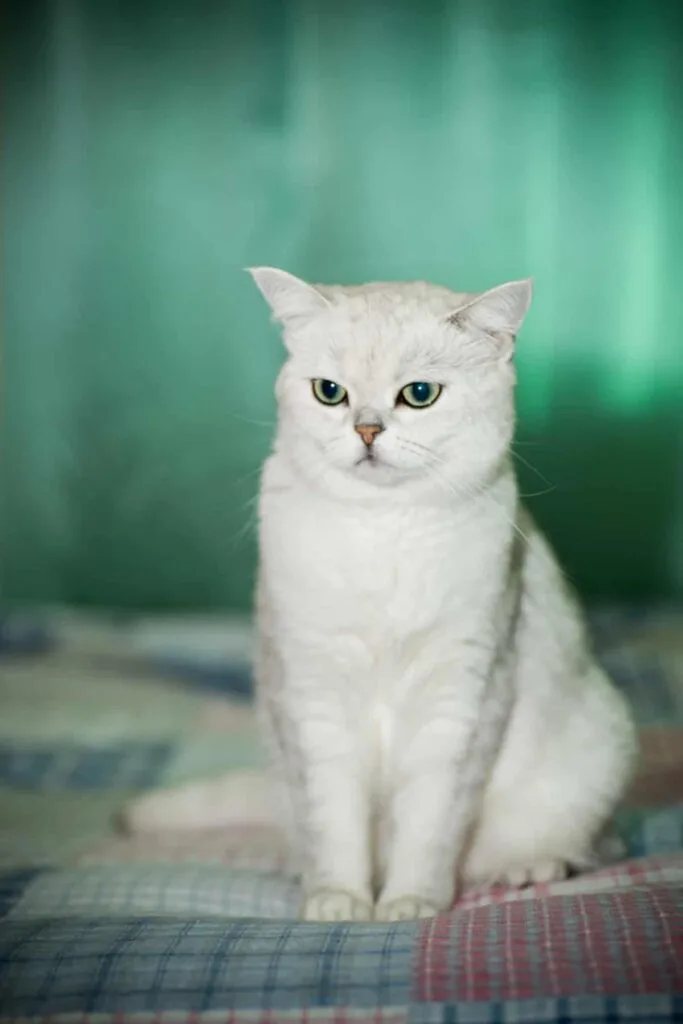
Stress can make a kitten’s fur change color or texture. This happens when the kitten is upset about something like moving to a new home or meeting a new pet. Stress can sometimes make the kitten’s fur fall out in patches.
Illness
Some diseases can cause a kitten’s fur to change color. For example, if a kitten has an infection or a fever, their fur might turn red. Additionally, skin conditions such as ringworm can cause hair loss and discoloration.
Diet
A kitten’s diet can also play a role in its coat color. A lack of certain nutrients, such as protein or omega-3 fatty acids, can lead to dry, dull fur.
A diet with too many certain nutrients, like copper or iron, can make fur discolored or brittle.
It’s essential to remember that a kitten’s coat color is just one small aspect of its overall health and well-being.
Despite the intrigue of pondering why a kitten’s fur has altered, it is critical to prioritize nurturing them with an optimal lifestyle that contains nourishing food, frequent veterinary appointments, and oodles of affection and care.
Final Thoughts
While some white kittens will remain white throughout their lives, others may experience changes in their coat color due to genetics, environment, and other factors.
It’s also important to note that not all white cats are the same, and some may have a genetic condition known as albinism. Ultimately, the color of a cat’s fur does not determine its health, personality, or ability to make a great pet.


My name is James, and welcome to FAQCats!
Along with our team of cat owners, expert pet enthusiasts, and pet professionals, we aim to write engaging helpful, engaging content about cats. At FAQCats we strive to provide content that’s accurate and fun to read. Our team writes about everything related to cats; even the most complex of topics. Through extensive research and caring for our own fur-pals, we’re able to provide something cat owners worldwide will love. Have a look around, and leave us feedback anytime!