

Cat owners know how stressful it can be to take your cat to the vet. After all, your cat doesn’t want to go there, and outside of regular checkups and vaccinations, taking your cat to the vet usually means that something is wrong.
So it makes sense that cat owners want to know everything they can about the prescriptions they get from the vet, especially if they have the potential to cause unexpected side effects.
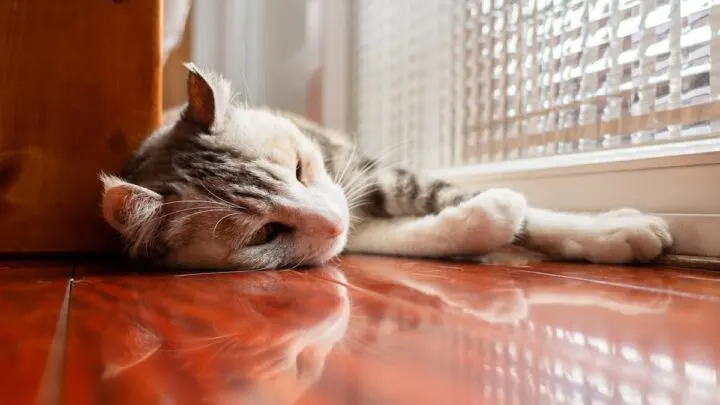
One of the most common questions we see after cats have been prescribed Loxicom is: Can Loxicom make cats sleepy?
Yes, Loxicom, which you’ll usually be prescribed under the brand names Meloxicam or Metacam for cats, can cause lethargy and drowsiness in cats, along with a few other side effects. If you’ve been given a Loxicom prescription for your cat, it’s essential to talk with your vet about the possible side effects and what reactions are normal on this medication.
For now, though, let’s take a closer look at Loxicom and what you need to know as a cat owner while your cats are taking this important prescription.
What Are The Side Effects Of Loxicom In Cats
Knowing the side effects of any medication your cat is taking is vital for taking care of them at home. Most medications come with special instructions, including the side effects of the medication, but you can always call your vet if you have any questions or concerns.
Here’s a quick list of some of the most common side effects of taking Loxicom for cats.
Drowsiness and Lethargy
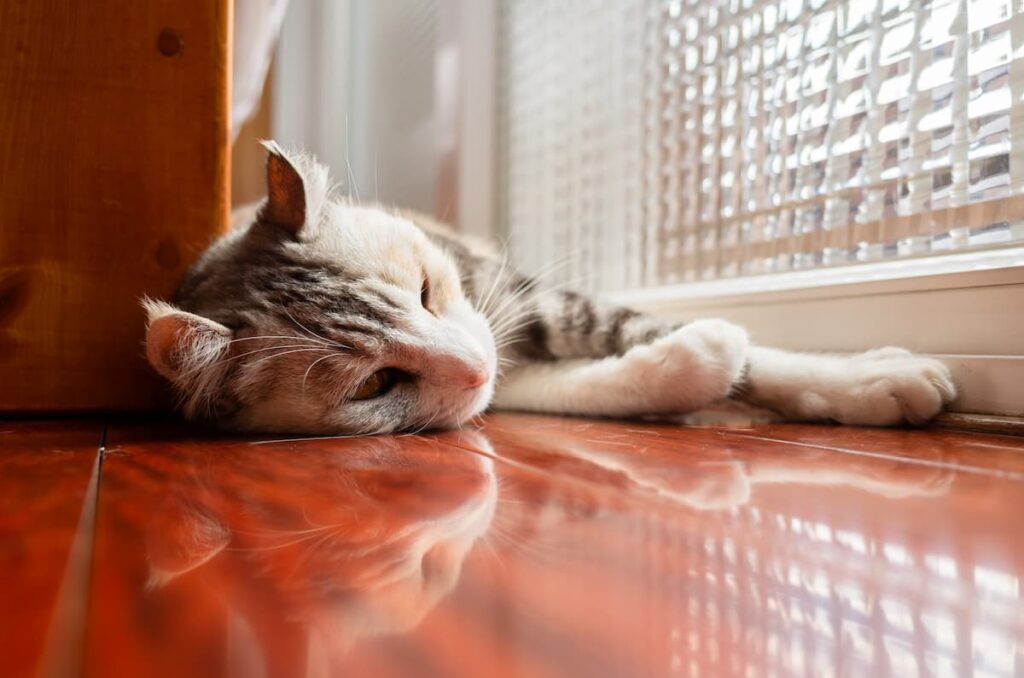
One of the most common side effects of Loxicam in cats is drowsiness and lethargy. This side effect is fairly common with pain medications for cats, and Loxicom is no different.
Your cat might spend a lot more time sleeping than usual when they’re taking Loxicom, or they might stay awake but seem tired and less interested in playing.
This side effect also makes cats more cuddly sometimes or less likely to ask for cuddles and more independent. Either way, the effects should wear off within a day or two of stopping the medication.
Lack of Appetite
Lack of appetite is another common side effect of Loxicom. That’s partial because this medication can irritate your cat’s stomach and make them queasy.
In more mild cases, your cat might eat less than usual, or they might not have any interest in food at all.
However, it’s important to try and give your cat opportunities to eat while they’re taking the medication. Skipping a meal is probably no big deal, but your cat does need to be eating at least one meal a day to stay healthy.
If your cat is refusing all food while on Loxicom, you should contact your vet right away. They might give you recommendations for what kinds of food might tempt your cat to start eating again, or they might recommend bringing your cat in for supportive care until the side effects wear off, and they can change medications.
Vomiting
Vomiting is another common side effect of Loxicom in cats. It’s less common than the other two side effects we’ve already mentioned, which is a good thing because vomiting can cause a range of issues.
For one thing, if your cat vomits shortly after taking an oral medication, they may not get the full benefit. Since Loxicom is a painkiller, that can be a serious issue depending on why it was initially prescribed.
You should also keep a close eye on cats that have vomited from Loxicom before because repeated vomiting can make it hard for your cat to stay hydrated or meet their nutritional requirements. Either problem could make it harder for your cat to heal or cause problems of its own over time.
If your cat has vomited more than one day in a row or more than once or twice in a single day, you should let your vet know and ask for their advice on when you need to intervene or change medications.
Diarrhea
Unfortunately for cat owners, another common side effect of Loxicom in cats is diarrhea. This symptom can make it harder for your cat to get to their litterbox, and they may even need a bath depending on whether fecal matter gets into their fur.
This symptom is relatively rare, but it can be serious when it happens. An episode or two of diarrhea, or even mild diarrhea that lasts for 48 hours or less, might not be concerning. But if the diarrhea is severe, keeps happening, or is constant, you should contact your vet right away.
That’s because, just like vomiting or not eating and drinking, diarrhea can make your cat dehydrated and stop them from properly digesting their food. An episode or two is less concerning, but continued diarrhea can cause problems that need more treatment.
This is another side effect that might merit changing medications for your cat if it’s severe enough or doesn’t get under control relatively quickly. Your vet may also recommend a diet change or an additional medication to treat this side effect if there aren’t any other good pain control options.
Bloody Stool
This last symptom is easily the most severe side effect of Loxicom that’s relatively common. There are some other rare side effects, but they’re usually one-off reactions to the medication rather than a true side effect that can happen to any cat.
Bloody stool is also a reason to immediately contact your vet. Depending on the situation and how serious the issue seems, they may recommend you bring your cat to them as soon as possible, or they might tell you to bring your cat to a vet hospital for emergency treatment.
Unfortunately, since Loxicom can irritate the stomach lining and other parts of the digestive system and can also have an impact on your cat’s kidneys, it’s hard to know how serious the problem is without giving your cat an exam.
The sooner you catch this symptom, the more likely it will be a treatable side effect. That means that it’s a good idea to clean your litter boxes before giving your cat Loxicom for the first time, and you should visually inspect their leavings to make sure everything is okay.
How Long Does Loxicom For Cats Last?
There are a few different ways vets can prescribe Loxicom, and it’s important to follow instructions carefully.
However, most of the time, Loxicom is prescribed as a twice-daily medication for up to 10 days, as needed. It’s essential to try and give the medication at the same time every day to make sure your cat doesn’t have too much or too little in its system at any one point.
How Long Does Loxicom Take To Work In Cats
Loxicom kicks in relatively quickly after you’ve given it to your cat. It should start to work within an hour or so of the first dose. If you continue giving it to your cat as directed, they should have pain relief until you stop giving them Loxicom.
Does Loxicom Have To Be Given With Food
You don’t need to give Loxicom with food, but it may be helpful to do so anyway.
For instance, if you’re giving your cat liquid Loxicom, you might be able to mix it in with a favorite wet food to make it easier to get your cat to take the medication.
However, mixing medications with food also means that you need to watch your cat carefully to make sure they eat the whole serving and get the entire dose.
Giving food around the same time or just before you give your cat Loxicom may help avoid some of the gastric side-effects in some cases, but not all cats respond the same way.
Things To Consider
As with any medication that you’re giving your cat, your vet should have the final word. If their instructions contradict any of the information in this article, you should listen to your vet.
Your vet may be changing the medication dosage or schedule slightly to better suit your cat’s needs and make sure they have adequate pain control.
It’s also important to monitor your cat for any signs of abnormal behavior not explained by the side effects of the medication. Just like some people can have bad reactions to certain medications, some cats may have a bad reaction to medications that are perfectly safe for other cats.
While adverse reactions of that type are rare, catching them early and contacting your vet as soon as possible is one of the best ways to protect your cat’s health. The easiest way to catch possible problems early is to keep an eye on your cat and watch for signs that something is wrong.


My name is James, and welcome to FAQCats!
Along with our team of cat owners, expert pet enthusiasts, and pet professionals, we aim to write engaging helpful, engaging content about cats. At FAQCats we strive to provide content that’s accurate and fun to read. Our team writes about everything related to cats; even the most complex of topics. Through extensive research and caring for our own fur-pals, we’re able to provide something cat owners worldwide will love. Have a look around, and leave us feedback anytime!