

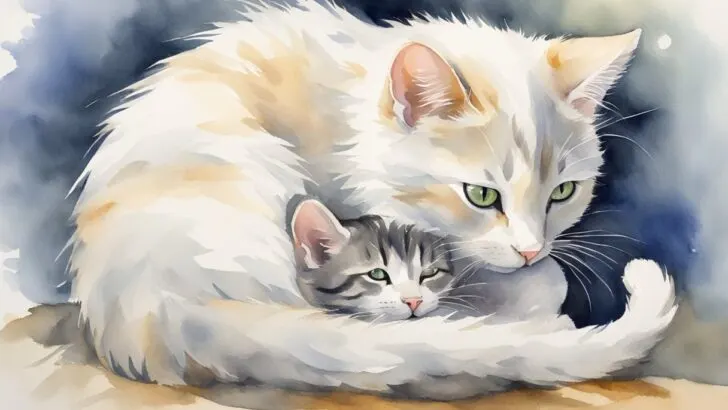
Cats have a unique and gentle way of transporting their kittens to ensure their comfort and safety. If you’ve ever watched a mother cat with her litter, you might have noticed her picking up each kitten by the scruff of their neck using her mouth.
This might seem uncomfortable, but it’s actually a natural behavior that doesn’t harm the kittens. The scruff is a specific area on the back of a kitten’s neck, and mother cats are instinctively equipped to grasp this part without causing pain.
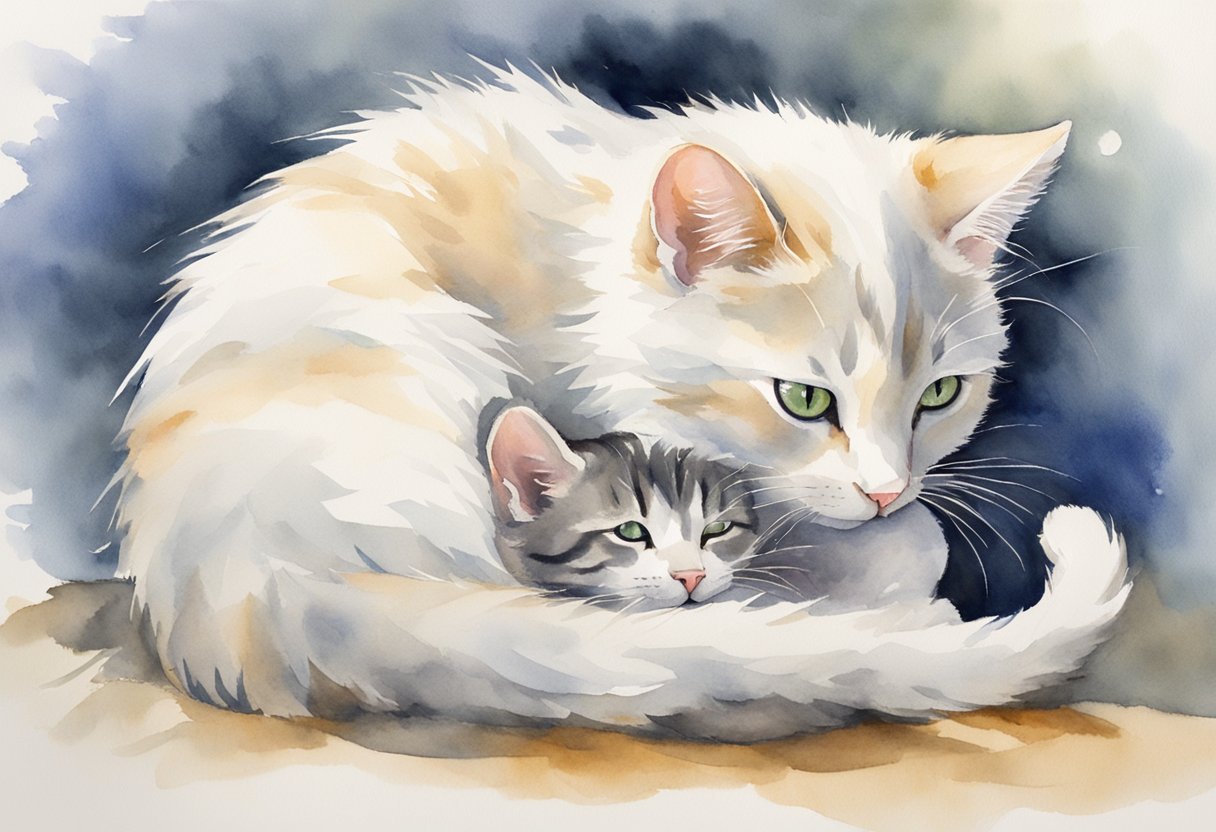
I’ve seen this tender act first-hand when my neighbor’s cat moved her newborns to a new nesting spot. It’s fascinating to observe; the kittens instinctively relax and become quite still, making it easier for the mother to carry them.
This is known as the “tonic immobility reflex”, which helps prevent any wiggling or squirming that could make the journey hazardous.
For your little feline friends, comfort and safety are always a priority, and nature has cleverly designed this carrying technique. It allows the mother cat to quickly and effectively move her kittens from one location to another, whether to avoid danger or just to keep her litter close.
Feline Maternal Behavior and Scruffing Technique
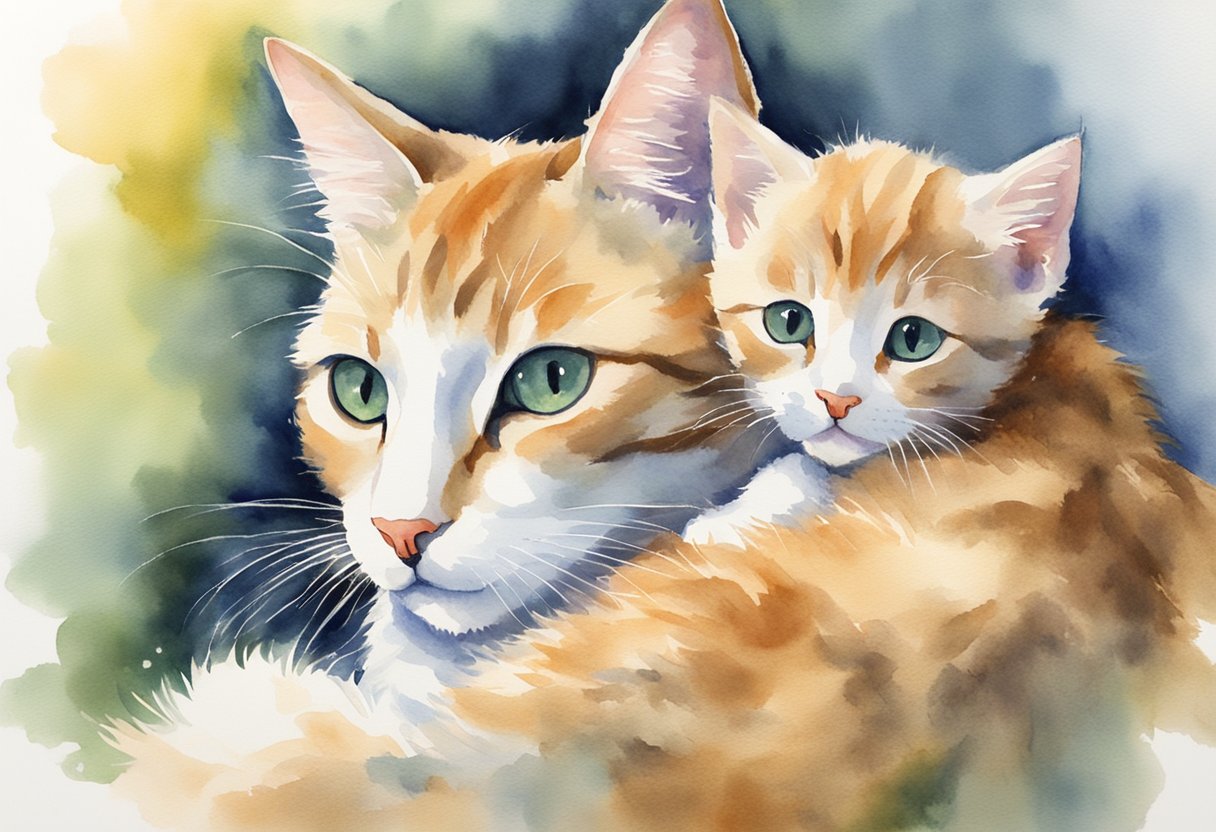
When you watch a mother cat with her kittens, you’ll notice her unique way of carrying kittens from one location to another. This is done through a method known as ‘scruffing‘. Scruffing is when mama cats gently bite the scruff, or the loose skin at the back of a kitten’s neck, to lift and carry them safely.
Mother cats possess a delicate yet effective technique for transporting their little ones. They use their teeth to grasp the scruff of their necks, ensuring a gentle grip that doesn’t cause pain to the kittens. Here’s how they manage this:
- Gentle Pressure: Mama cat applies just enough pressure to hold the kitten securely without hurting it.
- Instinctive Behavior: Kittens react by going limp, which prevents struggle or injury as they are moved.
- Body Heat Monitoring: Carrying kittens close allows the mother to transfer body heat and provide comfort.
This scruffing technique serves several purposes:
| Purpose | Explanation |
|---|---|
| Security | Mother cats move their young to keep them safe from potential threats. |
| Protection | It’s a way to protect the kittens by keeping them close in uncertain environments. |
| Restraint | Scruffing can be used to calm a kitten down if necessary. |
When observing scruffing, you might wonder if it’s okay to lift your own cat this way. Scruffing is generally reserved for kittens and is not typically comfortable for adult cats.
Ensuring Kitten Safety and Well-Being During Handling
When you interact with kittens, it’s crucial to understand the proper techniques for picking them up and recognizing when they might feel stressed. This ensures their safety and helps foster a trusting relationship between you and your feline friend.
Proper Ways to Pick Up and Hold Kittens
To pick up a kitten, always use both hands, placing one gently under the chest and the other supporting their hind legs. Your dominant hand can be used for the chest to give you better control, while your non-dominant hand can support them from below.
Hold the kitten close to your body to provide warmth and security, simulating the heat they would feel when close to their mother or littermates.
- Approach calmly: Move towards the kitten without sudden movements to avoid scaring it.
- Use a gentle touch: Kittens have delicate bones, so handle them with great care.
- Support the body: Always ensure that both the chest and hindquarters are supported.
By holding kittens this way, you emulate how their mother carries them and provide a sense of security.
Identifying Signs of Distress and Avoiding Overhandling
While kittens benefit from human interaction for socialization, it is possible to overdo it. Signs of distress such as squirming, meowing excessively, or trying to escape your grasp may indicate that the kitten is feeling overwhelmed. When you notice these signs, it’s time to:
- Limit handling: Give the kitten a break to prevent stress.
- Provide a safe space: Ensure access to a comfortable area with a litter box, food and water, and a cozy bed for warmth.
- Minimize interference: Avoiding too much handling, especially in potentially dangerous situations.
My name is James, and welcome to FAQCats!
Along with our team of cat owners, expert pet enthusiasts, and pet professionals, we aim to write engaging helpful, engaging content about cats. At FAQCats we strive to provide content that’s accurate and fun to read. Our team writes about everything related to cats; even the most complex of topics. Through extensive research and caring for our own fur-pals, we’re able to provide something cat owners worldwide will love. Have a look around, and leave us feedback anytime!