
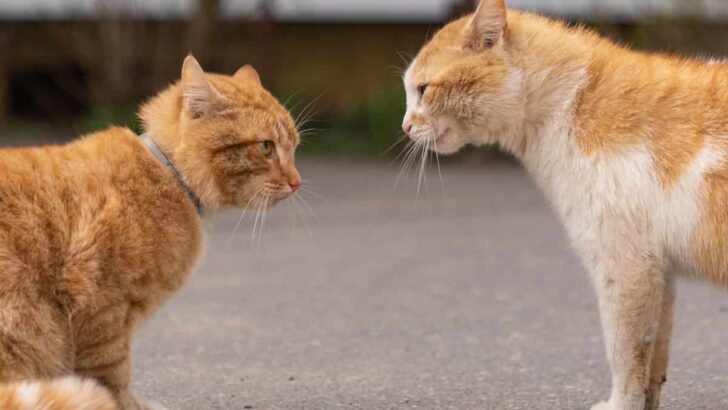
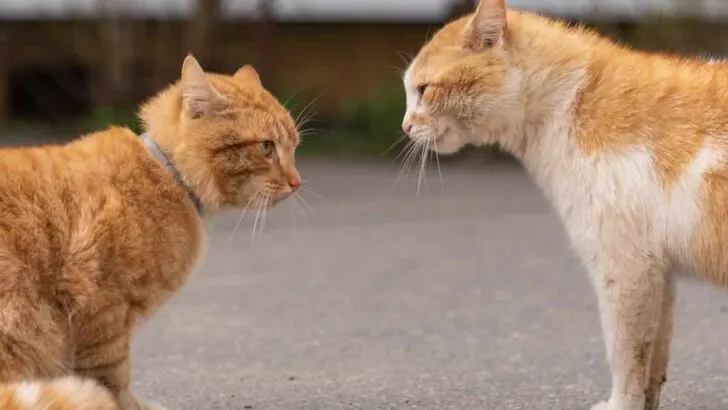
Male cats are known to be territorial and can be quite aggressive towards other cats, especially males. But how do they react when encountering kittens, particularly their offspring? This is a question that many cat owners may have, especially those who are introducing a new kitten into a household with a male cat.
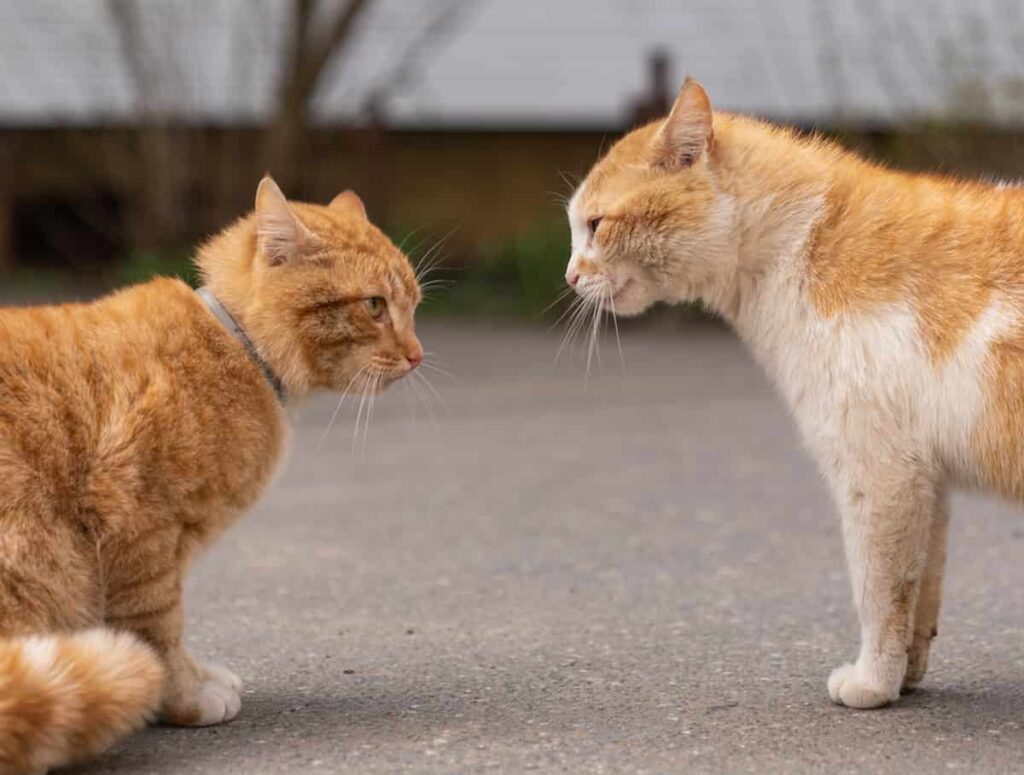
Research shows that male cats may not respond to kitten calls that signify high arousal, and they may not show a more urgent response to distressed kittens. Male cats may display some degree of aggression towards kittens, particularly if they perceive them as threatening their territory. This can include flattening ears, hissing, spitting, and growling, all warning signs a male cat may exhibit when encountering a new kitten.
However, it’s important to note that not all male cats will react the same way to kittens. Some male cats may be more tolerant and accepting of kittens, especially if they have been socialized with other cats from a young age. Nonetheless, it’s crucial to introduce kittens to male cats slowly and carefully and supervise their interactions to ensure they are safe and positive for both animals.
Understanding Male Cat Behavior
Male cats are known for their unique behavior and personalities. Understanding how they react to kittens is important to ensure peaceful coexistence in a multi-cat household. This section will discuss two key aspects of male cat behavior: Territorial Instincts and Socialization with Other Cats.
Territorial Instincts
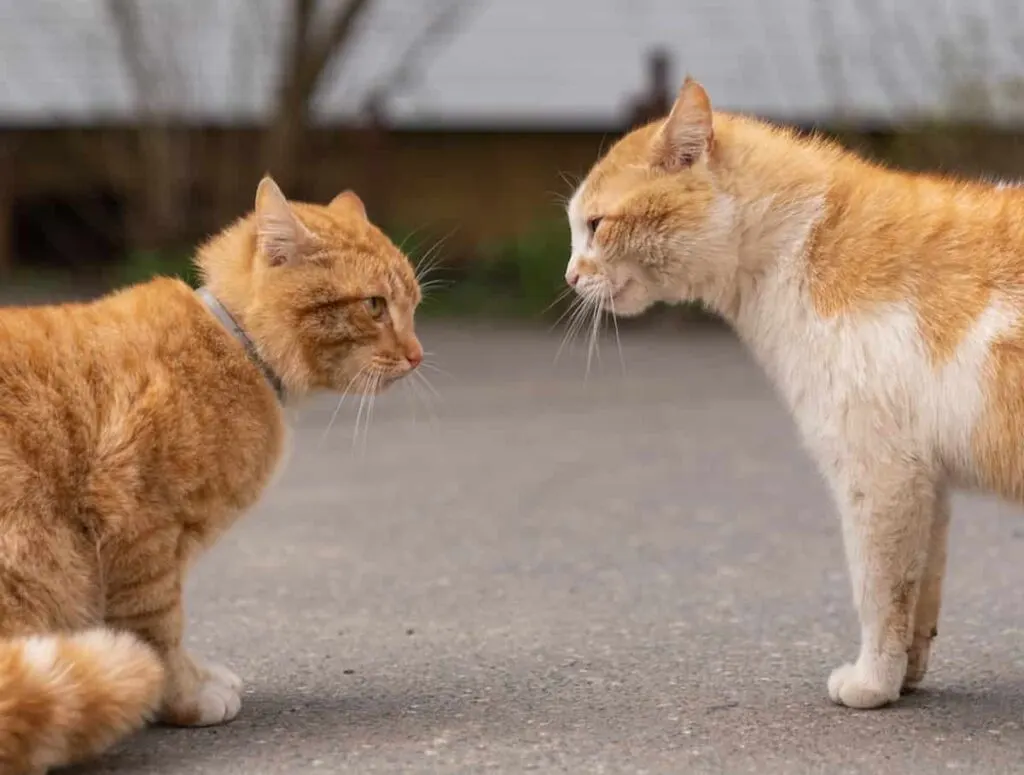
Male cats have a strong territorial instinct and can become aggressive towards other cats who invade their territory. This behavior can be observed when a new kitten is introduced. The male cat may perceive the kitten as threatening his territory and exhibit aggressive behavior towards it.
Introducing the kitten slowly and gradually to the male cat is essential. This will familiarize the male cat with the kitten’s scent and presence. You can also use pheromone sprays to help calm the male cat and reduce his aggressive behavior towards the kitten.
Socialization with Other Cats
Male cats are social creatures and enjoy the company of other cats. However, socialization with other cats needs to be done gradually and carefully. Introducing a new kitten to a male cat can be challenging, but taking the time to ensure a smooth transition is important.
One way to help the male cat adjust to the new kitten is to provide separate feeding areas and litter boxes. This will help reduce competition and prevent any aggressive behavior toward the kitten. Additionally, providing plenty of toys and playtime can help the male cat bond with the kitten and reduce territorial aggression.
Monitoring the interactions between the male cat and the kitten is also essential. If you notice aggressive behavior, separating them immediately and trying again later is essential. Most male cats can learn to coexist peacefully with kittens with patience and persistence.
How Male Cats React to Kittens
Male cats can react differently to kittens, depending on their personality, upbringing, and environment. Here are some common ways male cats react to kittens:
Initial Reactions
When a male cat meets a kitten, he may show some initial signs of aggression or fear. This is because male cats are territorial animals and may see the kitten as a potential threat to their territory or resources. Some of the initial reactions you may observe include hissing, growling, swatting, or even attacking the kitten.
However, not all male cats react this way. Some male cats may be more curious than aggressive and may approach the kitten slowly and cautiously. They may sniff the kitten, observe its behavior, and try to establish dominance without being too violent.
Bonding and Playtime
If the male cat and kitten are appropriately introduced and given enough time to adjust, they may bond and play together. Male cats can be great playmates for kittens, as they are usually more active and energetic than female cats. They may chase each other, wrestle, or play with toys together.
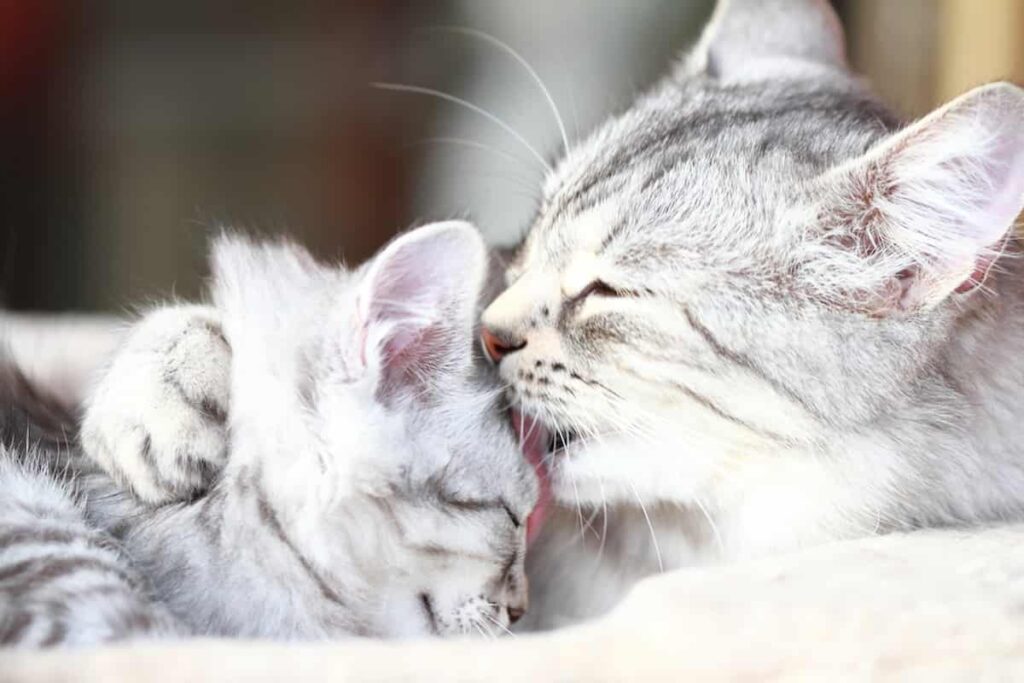
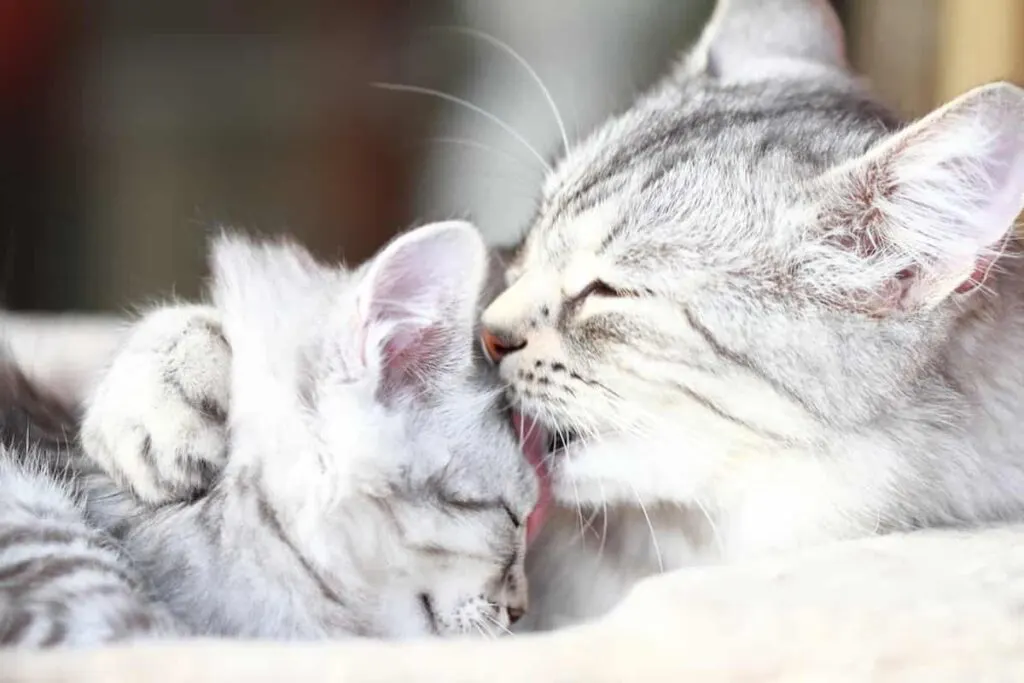
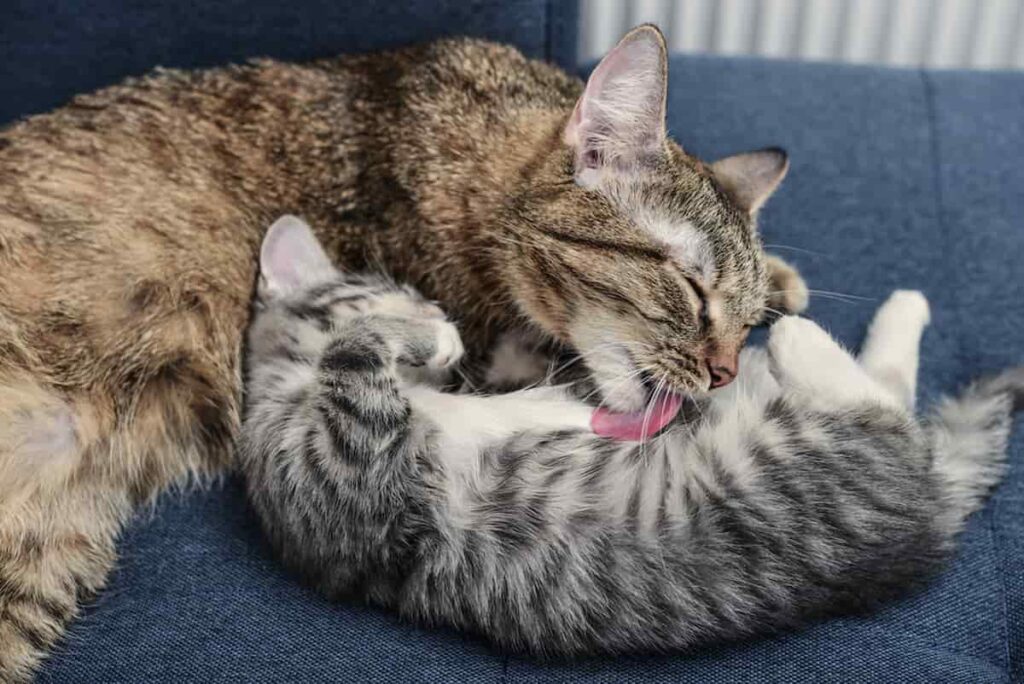
Male cats may also groom the kitten, a sign of affection and bonding. Grooming helps to establish a social hierarchy and strengthens the bond between the two cats.
Protectiveness and Nurturing
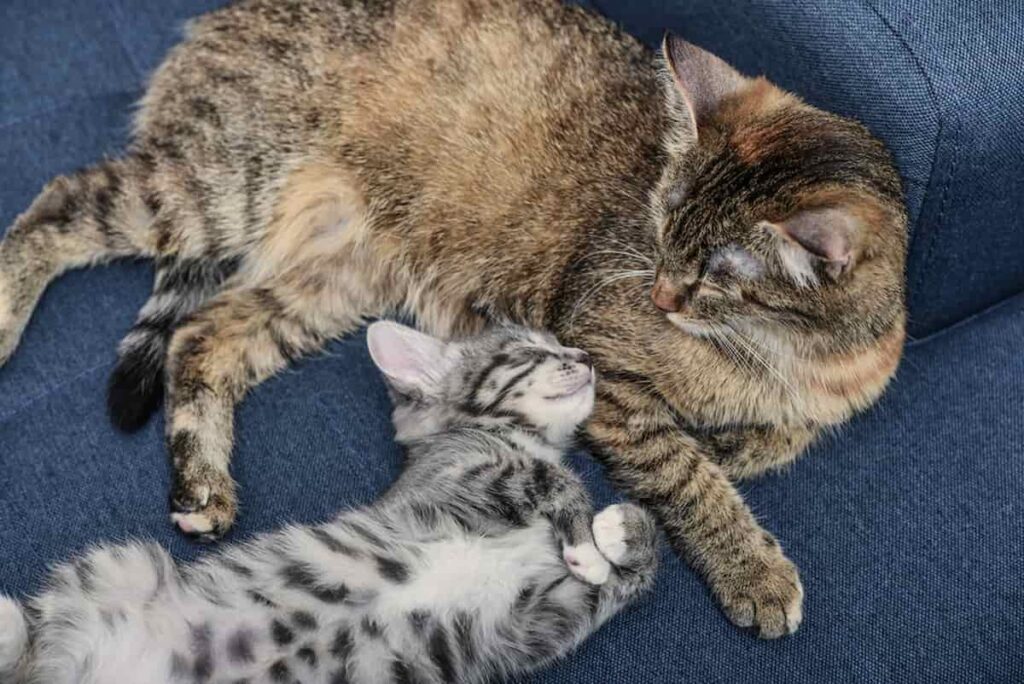
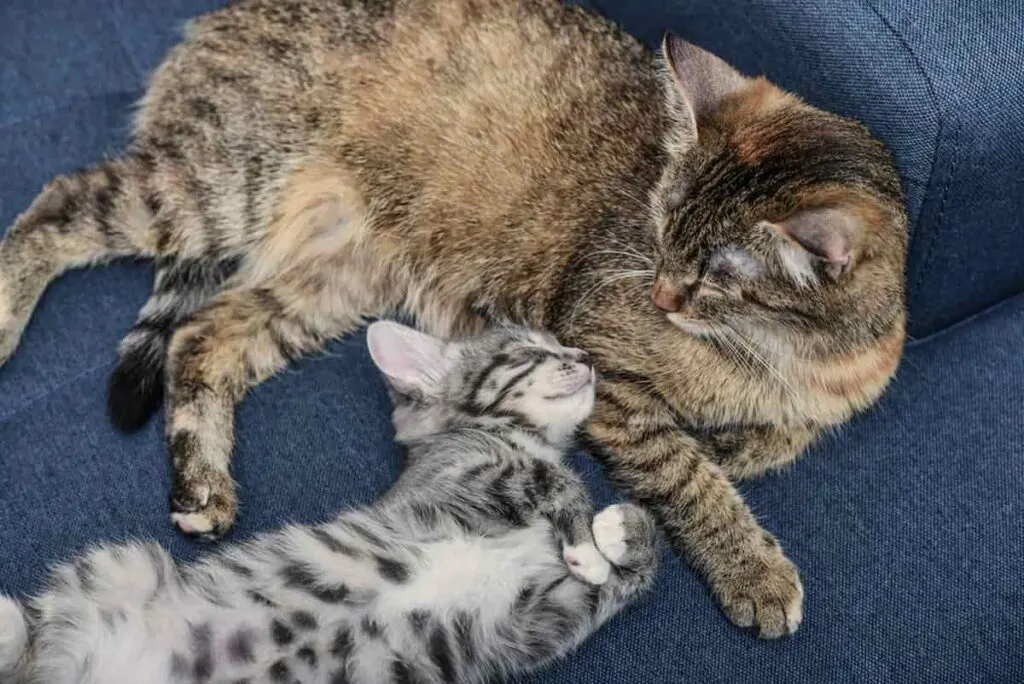
Male cats can also be protective and nurturing towards kittens, especially if they have fathered them. They may help to groom the kitten, provide warmth and comfort, and even defend the kitten against other cats or predators.
However, not all male cats are paternal toward kittens; some may even show aggression toward them. Monitoring their interactions and intervening to prevent any harm to the kitten is important.
Preparing for Introductions
Gradual Introductions
When introducing male cats to kittens, it is important to do so gradually. Depending on the cat’s temperament, this process should occur over several days or weeks. Start by allowing them to smell each other through a closed door or baby gate. This will help them get used to each other’s scent without any direct contact.
Once both cats seem comfortable with this arrangement, you can allow them to see each other through a screen or mesh barrier. This will allow them to observe each other’s behavior without any risk of physical harm.
If all goes well, allow them to interact in a controlled environment, such as a large room or outdoor space. Supervise them closely during these interactions and separate them if signs of aggression or discomfort arise.
Safe Spaces for Kittens
Providing a safe space for the kittens during the introduction is important. This can be a separate room or area of the house where they can retreat if they feel threatened or overwhelmed.
Make sure this space is equipped with all the essentials, including food, water, litter boxes, and comfortable sleeping areas. Consider including toys and scratching posts to keep the kittens occupied and entertained.
When introducing the kittens to the male cat, make sure they have easy access to this safe space. This will help them feel more secure and reduce the risk of any negative interactions.

What To Do If A Male Cat Attacks A Kitten
If your male cat attacks a kitten, it’s important to intervene immediately to prevent serious harm. Here are some steps you can take to stop the aggression and ensure the safety of both cats:
1. Separate the cats: If the attack is ongoing, separate the cats immediately. Use a broom or a blanket to create a physical barrier between them. Do not use your hands, as you could be injured. Better yet, place your male cat in another room to make the environment even safer for your kitten.
2. Assess the injuries: Check both cats for injuries. If either cat is bleeding or is in pain, immediately take them to the veterinarian. It’s not likely your kitten will impose much of its will on bigger male cats, but check both just as a precaution.
3. Give the cats space: Once they are separated, give them space to calm down. Keep them in separate rooms for a few hours or even days until they no longer show signs of aggression.
4. Gradually reintroduce the cats: When you’re ready to reintroduce the cats, do so gradually. Start by swapping their scents, so they can get used to each other’s presence. Then, allow them to interact through a baby gate or screen door. Finally, supervise their interactions closely, and separate them if necessary.
5. Neuter the cats: If your male cat is intact, consider having him neutered. Intact males are more prone to aggressive behavior, and neutering can help reduce their aggression. Remember, introducing a new kitten to a male cat can be a stressful and challenging process. Be patient, and take things slowly. Your cats can learn to get along and become friends with time and patience.


My name is James, and welcome to FAQCats!
Along with our team of cat owners, expert pet enthusiasts, and pet professionals, we aim to write engaging helpful, engaging content about cats. At FAQCats we strive to provide content that’s accurate and fun to read. Our team writes about everything related to cats; even the most complex of topics. Through extensive research and caring for our own fur-pals, we’re able to provide something cat owners worldwide will love. Have a look around, and leave us feedback anytime!