

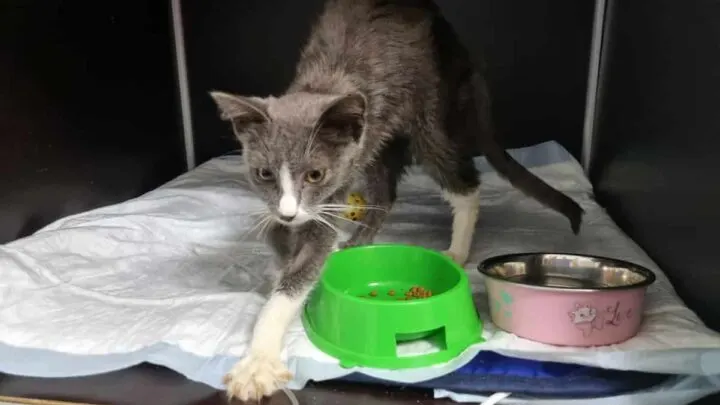
Unfortunately, one thing that comes with pet ownership is the risk that our beloved pets will get sick or have serious health complications while living with us.
Of all the things that can go wrong with your cat’s health, FIP is one of the diagnosis pet owners worry most about. While FIP has been known for a long time, treatment options are very new, and sadly, most cats that are symptomatic with FIP die relatively quickly after their diagnosis.
The average life of a cat diagnosed with FIP is about five weeks from diagnosis. The disease can be slightly faster or slower in some cases, and some treatments can help keep your cat comfortable and behaving more like themselves.
Still, unfortunately, the disease is highly fatal once it goes into its active phase. Cats can have FIP in remission for years before becoming symptomatic, but they may have as little as a few days or weeks before developing clinical symptoms.
Whether you’re considering adopting a cat that has FIP, have just gotten word of the diagnosis for your cat, or are researching feline diseases, so you’re informed and better able to take care of your cat, you’re in the right place.
Let’s talk about what FIP does, what you can do about it, and what to expect if you have a cat diagnosed with the disease.
What Is FIP?
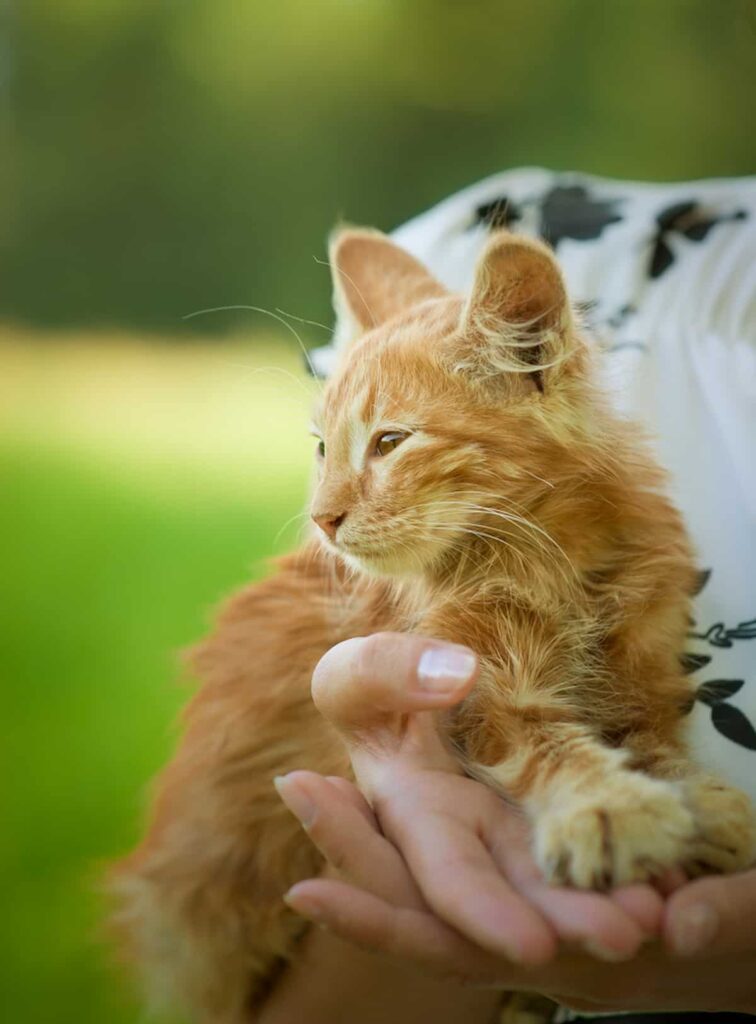
FIP stands for feline infectious periodontitis. The disease is thought to be related to very common feline coronaviruses, which generally cause mind symptoms or may even cause an asymptomatic infection without any complications.
There are estimates that as much as 50% of all cats are infected with a feline coronavirus FCoV, partially because coronaviruses (mostly known for causing colds before the novel coronavirus pandemic) are very common and partially because they so rarely cause problems.
However, if a cat becomes infected with a mutated version of the virus, or the virus mutates while they are infected, it can cause FIP.
Sadly, FIP primarily affects kittens and young adult cats that may not have fully developed immune systems. It’s also more common in multiple cat settings, like homes that have several cats or, most especially, shelters and rescues that have large cat populations.
A cat infected with FCoV generally has a good prognosis and should recover without complications, so don’t worry too much if your cat has been diagnosed with FCoV. If the disease turns into FIP, which is very rare, you’re dealing with a severe and likely fatal condition.
Why Is FIP Called The Purring Disease?
One of the nicknames for FIP that had persisted since before we fully understood what was happening is the purring disease. This is because kittens and young cats with FIP often spend much more time purring than normal.
That might seem sweet, but the reasons are unfortunate. Cats with FIP often have fevers, which means that purring may be an attempt to warm themselves up or to signal that they are distressed to other cats to ask for help and attention.
Keeping a FIP cat warm may reduce its purring habits, but it will also keep them happier and more comfortable.
Can FIP Be Misdiagnosed?
Unfortunately, one of the challenges with FIP is that this disease is challenging to diagnose. The symptoms, a fever, weight loss or a swollen appearing stomach, lethargy, and signs of distress in the cat are all familiar to many disorders that cats can suffer from, which means that it can be hard to be sure you’re dealing with FIP.
Another problem is that vets often hope that what they are dealing with will be anything but FIP because other conditions are treatable, manageable, or curable, and FIP mostly isn’t.

How Quickly Does FIP Progress?
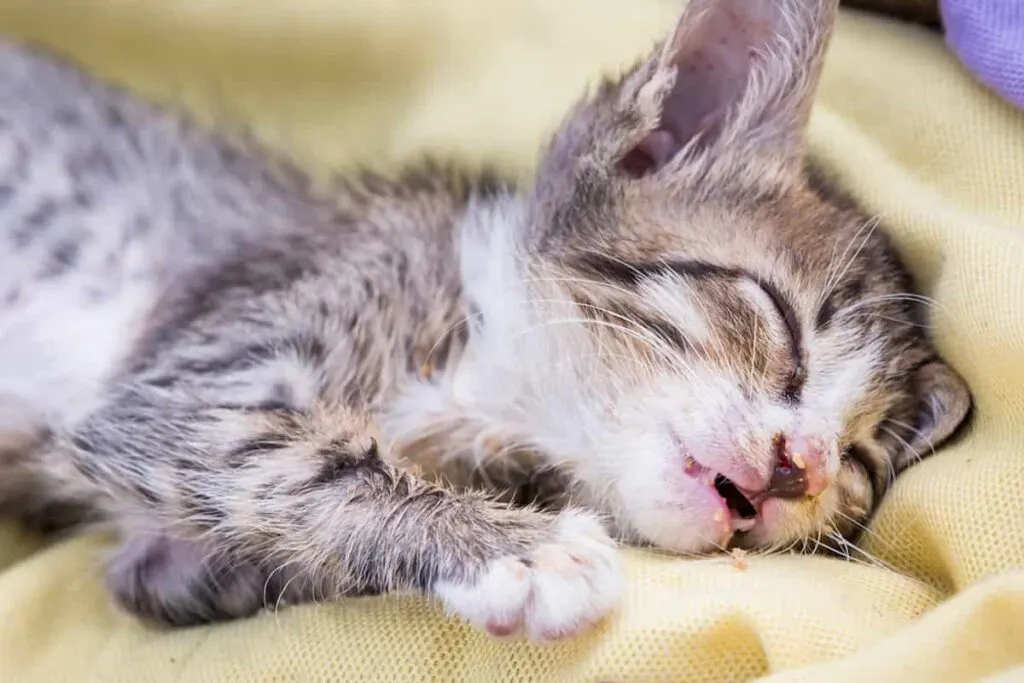
Once symptoms are detectable, FIP usually progresses quickly and rarely takes more than a month or a month to reach its conclusion. In almost all cases, FIP is considered terminal once detectable.
Can FIP Go Into Remission?
Up until very recently, the answer would have been no. In some cases, FIP can stay in remission, undetectable, for a long time. But once symptoms present, the disease almost always progresses rapidly.
That said, Purina is working on a treatment for FIP that has promising results in clinical trials and may well be on the way to reducing the fatality of FIP and even making it a long-term treatable condition.
That said, the treatment is still going through the testing and approval process and isn’t available to consumers. Whether this drug or another treatment proves successful, this is still a good sign that FIP treatments might be possible and even available in the future.
How Do You Comfort A Cat With FIP
Comforting a cat with FIP can be tricky, especially since most owners also mourn when they know their cat has the condition.
However, there are a few things you can do. Your vet will likely prescribe a couple of different medications that help keep your cat comfortable and stimulate their appetite. The appetite stimulation will help your cat keep weight on and give them a little more energy so they can behave more like a normal cat or kitten.
Cuddling or providing a warm blanket or cat bed for your cat to warm up can also help keep them more comfortable.

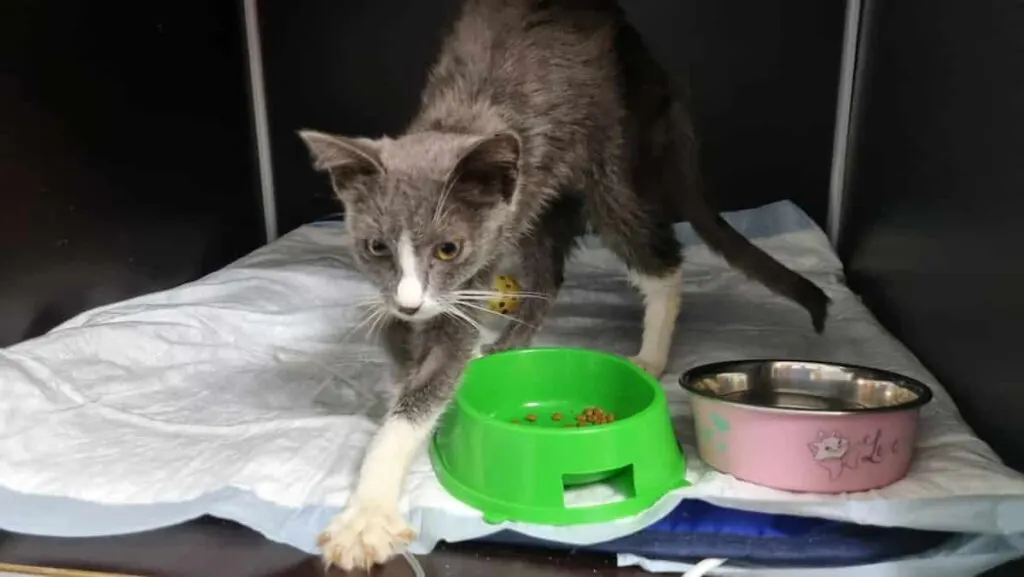
There are two main presentations of FIP, wet, where your cat may have a lot of fluid swelling, sneezing, or difficulty breathing, and dry, FIP, which can cause blindness, anemia, eye irritation, and other problems.
The best treatments to keep your cat comfortable will depend on its symptoms and may change over the course of the disease. You’ll need to work closely with your veterinarian to ensure the medications and treatments you use are the right ones for your cat.
Unfortunately, the truth is that keeping FIP cats comfortable can be a challenge, and some owners don’t wait for the disease to take its natural course once the symptoms become severe or unmanageable.
How you approach FIP with your cat is a decision only you can make. But you should be prepared for keeping a FIP cat comfortable and happy may not always be possible as the disease progresses.
Can An FIP Cat Live With Other Cats?
FIP-positive cats should typically live separately from other cats.
This is important because almost all cats with FIP also have the live virus in their feces, which can then spread the FIP-causing version of feline coronavirus to other cats. Transmission isn’t necessarily as standard as some other diseases in cats. Still, it can be a severe problem, and it’s relatively common for FIP to spread through a population that lives together because there are many opportunities for transmission.
Litterboxes should not be shared between FIP-positive cats and other cats, and you also should not allow mutual grooming between FIP cats and cats that don’t have the disease.
However, suppose you have more than one cat that is FIP positive, which can happen with litters of kittens, especially when the symptoms aren’t immediately noticed. In that case, those cats can cohabitate and cuddle and play with one another.
For many vets and cat owners, the primary goal when caring for a FIP-positive cat is to give them as much normalcy and joy in their lives as possible. Getting specific toys for your FIP cat, and sanitizing or disposing of them when the cat no longer needs them, special blankets, and even grooming aids can all help you give your cat as rich and fulfilling a life as possible, even while they are dealing with FIP.
How you handle FIP is up to you, but there are many options to help make this process as easy and humane as possible.


My name is James, and welcome to FAQCats!
Along with our team of cat owners, expert pet enthusiasts, and pet professionals, we aim to write engaging helpful, engaging content about cats. At FAQCats we strive to provide content that’s accurate and fun to read. Our team writes about everything related to cats; even the most complex of topics. Through extensive research and caring for our own fur-pals, we’re able to provide something cat owners worldwide will love. Have a look around, and leave us feedback anytime!