

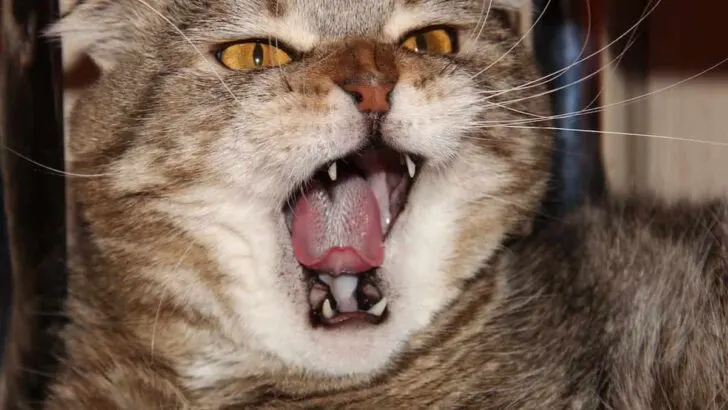
Do you have a feline friend who seems to hate your guts? It can be frustrating and disheartening when you try to connect with a cat who just won’t have it. But fear not; there are ways to win over even the most aloof kitty.
Whether you’re dealing with a new cat who hasn’t warmed up to you yet or a long-time companion who seems to have suddenly turned on you, there are steps you can take to build a bond with your feline friend. From understanding your cat’s body language to creating a safe and comfortable environment, we’ll explore some tips and tricks for winning over a cat who seems to hate you.
So, how do you win over a cat that hates you? It takes patience, persistence, and a willingness to learn and adapt to your cat’s unique personality and preferences. But with the right approach, you can build a strong and loving bond with your feline friend, even if they seem to have a grudge against you.

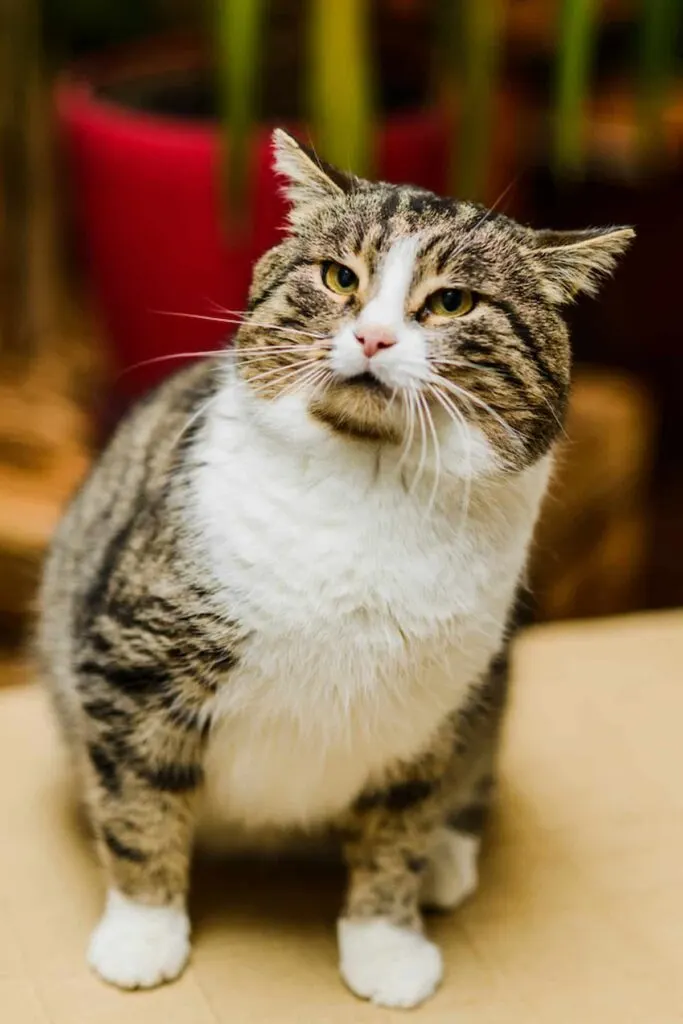
Reasons Why a Cat May Hate You
As a cat lover, having a feline friend who seems to despise you can be disheartening. However, there are several reasons why a cat may hate you, and understanding these reasons can help you win over your furry companion. Here are some possible reasons why your cat may not be fond of you:
- You don’t give them enough attention: Cats are social creatures who need attention and affection from their owners. If you’re not spending enough time with your cat, they may feel neglected and resentful.
- You’re too rough: Cats are delicate creatures that don’t like to be handled roughly. If you’re petting your cat too hard or picking them up in a way that makes them uncomfortable, they may associate you with pain or discomfort.
- You’re not providing enough playtime: Cats need plenty of opportunities to play and exercise, and if they’re not getting enough of these activities, they may become bored and irritable.
- You’re not providing a comfortable environment: Cats are creatures of habit and like to have a comfortable and familiar environment. If your cat doesn’t have a cozy bed, a clean litter box, or a safe space to retreat to, it may feel stressed and unhappy.
- You’re not feeding them the right food: Cats are picky eaters, and if they don’t like the food you’re providing, they may start to associate you with unpleasant experiences.
These are just a few possible reasons why your cat may hate you, and it’s important to understand that every cat is different. I did want to highlight one on its own though; prior experiences.
Prior negative experiences such as shouting at your cat, swatting at them, scaring them on purpose; those are just a few things that can really put a strain on your relationship wiht your pet.
Identifying the Cat’s Triggers
When it comes to winning over a cat that hates you, identifying its triggers is essential. Cats are creatures of habit and can be easily stressed by environmental or routine changes. As such, it’s important to pay attention to the cat’s behavior and body language to determine what may be triggering its negative reactions toward you.
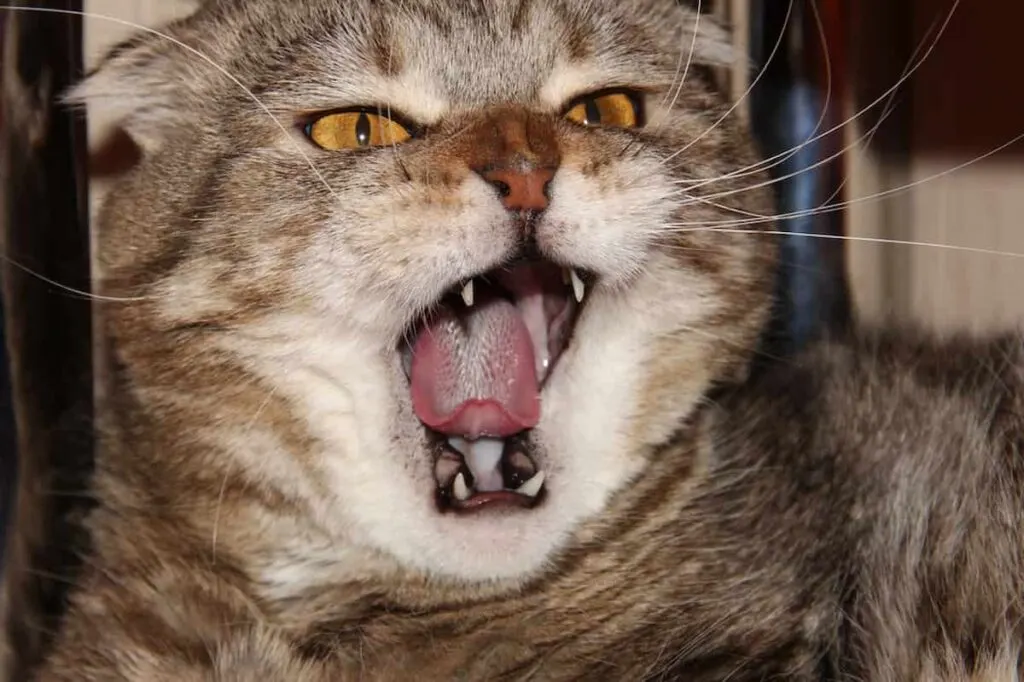
One common trigger for cats is territorial instincts. If the cat feels like its space is being invaded or threatened, it may become aggressive or defensive. Another trigger can be fear. If the cat has had negative experiences with humans, it may be fearful and react aggressively to protect itself.
It’s also important to pay attention to the cat’s body language. Hissing, growling, and flattened ears are all signs that the cat feels threatened or uncomfortable. Tail position can also be a good indicator of the cat’s mood. A puffed-up tail can indicate fear or aggression, while a relaxed tail can indicate that the cat feels calm and comfortable.
Other triggers for cats can include loud noises, sudden movements, and unfamiliar scents. If the cat is reacting negatively to any of these stimuli, removing them from the environment or finding ways to minimize their impact is important.

Avoiding Common Mistakes
When trying to win over a cat that hates you, it’s important to avoid common mistakes that can worsen the situation. Here are a few things to keep in mind:
- Don’t force interaction: If your cat is showing signs of discomfort or fear, don’t try to force them to interact with you. This can make them feel even more stressed and anxious. Cats are pretty intuitive and they’ll let you know when they don’t want you around. Our cat for example will flatten his ears, and if he’s truly mad, he’ll hiss. So, remember, give your cat some space!
- Don’t punish your cat: Punishing your cat for their behavior can lead to more negative feelings and make it even harder to build a relationship with them. If they are acting out, try redirecting their energy to something else and you’ll discover that you won’t need to punish them at all.
- Don’t ignore your cat: Ignoring your cat may seem like a good way to avoid conflict, but it can actually make them feel more anxious and unimportant. Stay in their presence even when they are angry, but keep your distance. Giving them too much time away will only pile on to whatever negative things are happening with them.
- Don’t invade your cat’s space: Cats are territorial animals, and invading their personal space can make them feel threatened and uncomfortable. You can instead use toys or treats to lure them into your space, and let them come to you on their own.
Instead of making these common mistakes, try to approach your cat with patience and understanding. Give them space when they need it, but also make sure to spend time with them and show them affection in a way that they feel comfortable with.
Remember that building a relationship with a cat takes time and effort, but it’s ultimately worth it. You can win over even the most stubborn and skeptical feline by avoiding these common mistakes and being patient and understanding.

Building Trust and Bonding
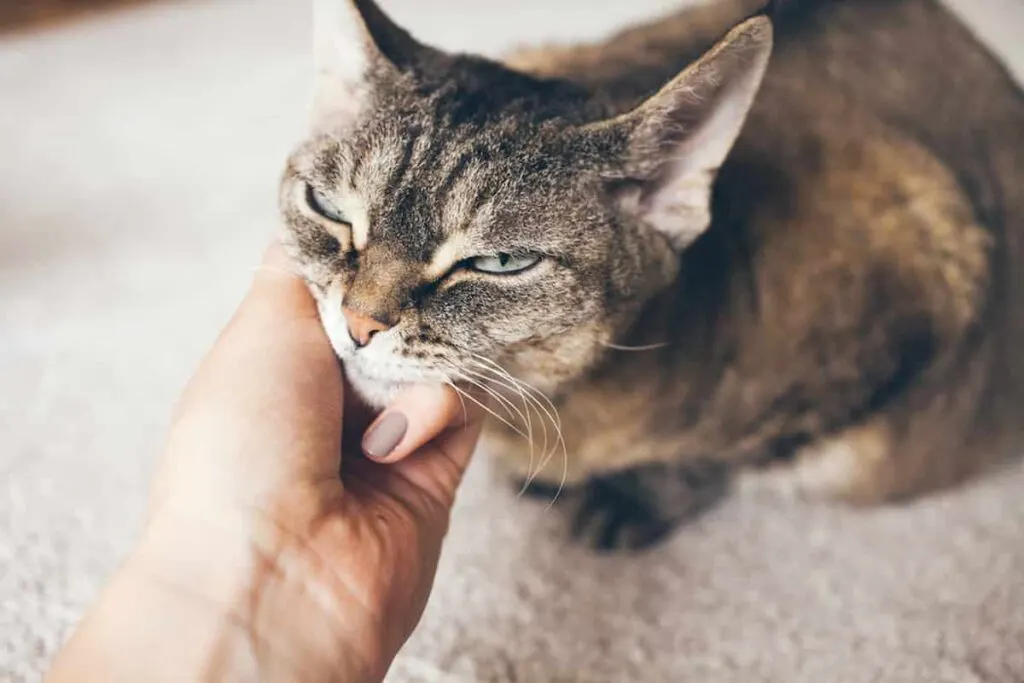
A crucial element that we implemented with our cat Harley was building trust early.
This meant placing him in a calm environment from the very start, and then nutring that relationship as he got older. We found ways to train him so that disicpline was never really necessary. Since he has this trust in us, its easy to bond with him even when he gets into mischief.
Below are some steps you can take to build that ssame kind of bond and trust.
Creating a Safe Space
The first step in building trust with a cat that hates you is to create a safe space for them. This means providing a quiet and comfortable area where they can retreat when they feel scared or overwhelmed.
You can do this by setting up a cozy bed or hiding spot in a quiet corner of your home. Make sure to also provide food, water, and a litter box nearby so they don’t have to venture too far from their safe space.
Using Positive Reinforcement
Positive reinforcement is a great way to build trust and bonds with a cat. This means rewarding good behavior with treats, toys, and affection.
Start by offering treats or toys from a distance, and gradually move closer to the cat as they become more comfortable with your presence. Use a calm and gentle voice when interacting with the cat, and avoid sudden movements or loud noises that might scare them.
- Offer treats or toys from a distance
- Gradually move closer as the cat becomes more comfortable
- Use a calm and gentle voice
- Avoid sudden movements or loud noises

Playing and Interacting with the Cat
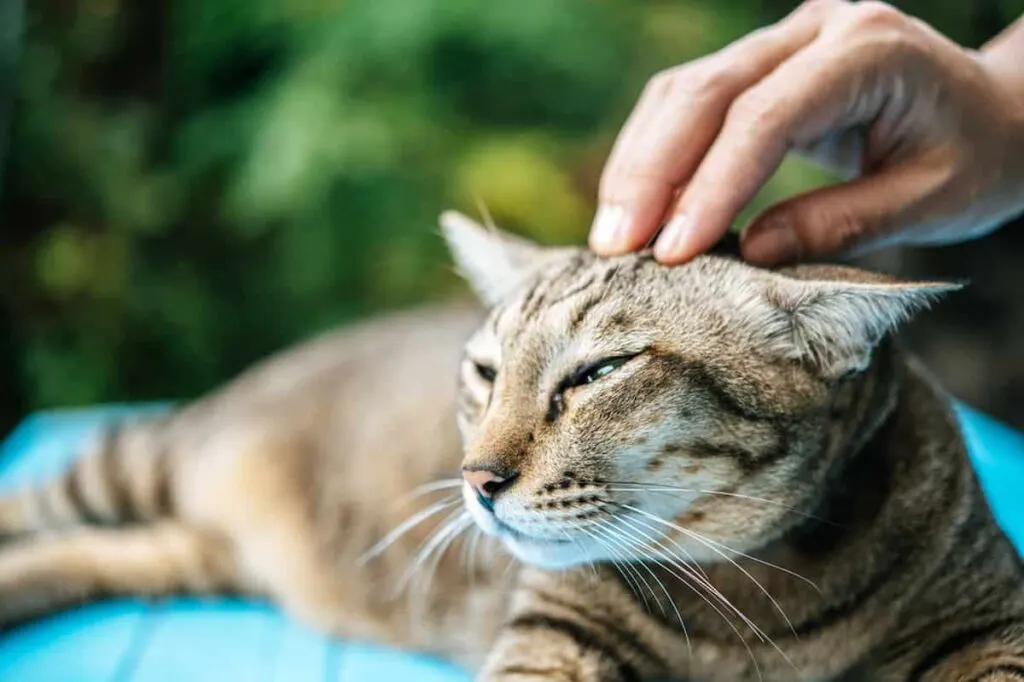
Playing and interacting with the cat is a great way to build trust and bonds with them. Use interactive toys, such as a wand or laser pointer, to engage the cat in play. This will not only help them burn off excess energy but also help them associate you with positive experiences.
Make sure to also pet and groom the cat, as this will help them feel more comfortable with your touch.
- Use interactive toys to engage the cat in play
- Spend time petting and grooming the cat
- Associate yourself with positive experiences
Establishing a Routine
Cats that feel your love and support too inconsistenly may start to dislike you. Love and support can look like many things, but it includes things like feeding them on time, keeping their play areas and litter boxes clean, and spending geunine time with them.
Feeding and Watering the Cat
One of the most important things you can do to win over a cat that hates you is establish a feeding and watering routine. Cats thrive on routine, and they are creatures of habit. Make sure you feed your cat at the same time every day and keep their water bowl full and fresh.
If your cat is particularly finicky, try experimenting with different types of food to see what they like best. Some cats prefer wet food, while others prefer dry food. You can also try adding some chicken broth or tuna juice to their food to make it more appealing.
Litter Box Maintenance
Keeping your cat’s litter box clean is another important part of establishing a routine. Cats are very particular about their litter boxes and will avoid using a dirty box at all costs. Make sure you scoop the litter box at least once a day, and completely change the litter every week or so.
If your cat is not using the litter box, it could be a sign of a urinary tract infection or other health issues. Make sure you take your cat to the vet if you notice any changes in its litter box habits.

Grooming and Care
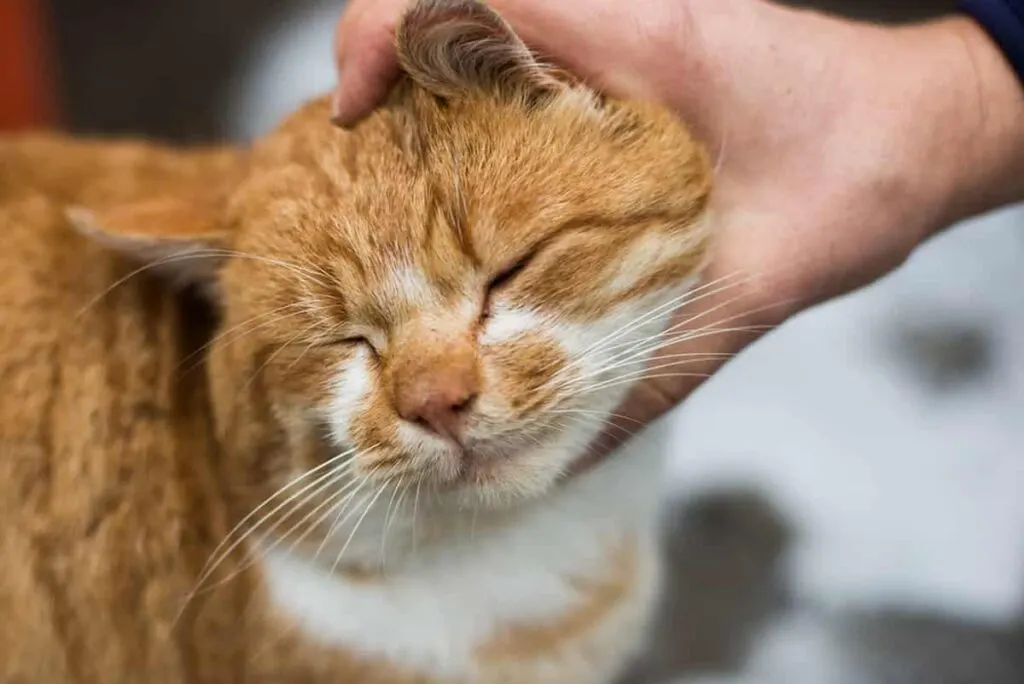
Regular grooming and care is also important for winning over a cat that hates you. Cats are very clean animals and spend a lot of time grooming themselves. You can help them by brushing them regularly to remove loose hair and prevent hairballs.
In addition to grooming, take your cat to the vet for regular checkups and vaccinations. This will help keep them healthy and prevent any potential health issues from developing.
Establishing a routine for feeding and watering, litter box maintenance, and grooming and care is key to winning over a cat that hates you. Providing your cat with a consistent and comfortable environment can help them feel safe and secure in your home.
Seeking Professional Help
If you’ve tried everything and your cat still hates you, it might be time to seek professional help. A professional cat behaviorist can help you understand the root cause of your cat’s behavior and provide you with a customized plan to win over your feline friend.
Hiring a Professional Cat Behaviorist
When hiring a professional cat behaviorist, it’s important to do your research and find someone experienced and qualified. Look for someone certified by a reputable organization, such as the International Association of Animal Behavior Consultants (IAABC) or the Animal Behavior Society (ABS).
During your consultation with the behaviorist, they will likely ask questions about your cat’s behavior, medical history, and daily routine. They may also observe your cat’s behavior in person. Based on this information, they will develop a behavior modification plan tailored to your cat’s needs.
Some common techniques used by cat behaviorists include positive reinforcement training, environmental enrichment, desensitization, and counter-conditioning. They may also recommend changes to your cat’s diet or medication to help manage any underlying medical conditions contributing to their behavior.
Remember, working with a professional cat behaviorist requires time, patience, and commitment. It may take several weeks or even months to see significant changes in your cat’s behavior. But with the right guidance and support, you can win over even the most stubborn of feline friends.


My name is James, and welcome to FAQCats!
Along with our team of cat owners, expert pet enthusiasts, and pet professionals, we aim to write engaging helpful, engaging content about cats. At FAQCats we strive to provide content that’s accurate and fun to read. Our team writes about everything related to cats; even the most complex of topics. Through extensive research and caring for our own fur-pals, we’re able to provide something cat owners worldwide will love. Have a look around, and leave us feedback anytime!