


One of the most common traits people associate with cats is their passivity. Unlike dogs, known for their loyalty and eagerness to please, cats are often seen as aloof and indifferent.
But why are cats so passive?
Domestication has changed cats’ behavior, leading to more passive tendencies. This is a result of living a more sedentary lifestyle. Cats rarely engaged with, recently injured, sick, or older tend to be more passive.
Is it simply a matter of personality, or is there something else going on? This article will explore why cats behave the way they do and what it means for their relationships with humans.

The Nature of Cats
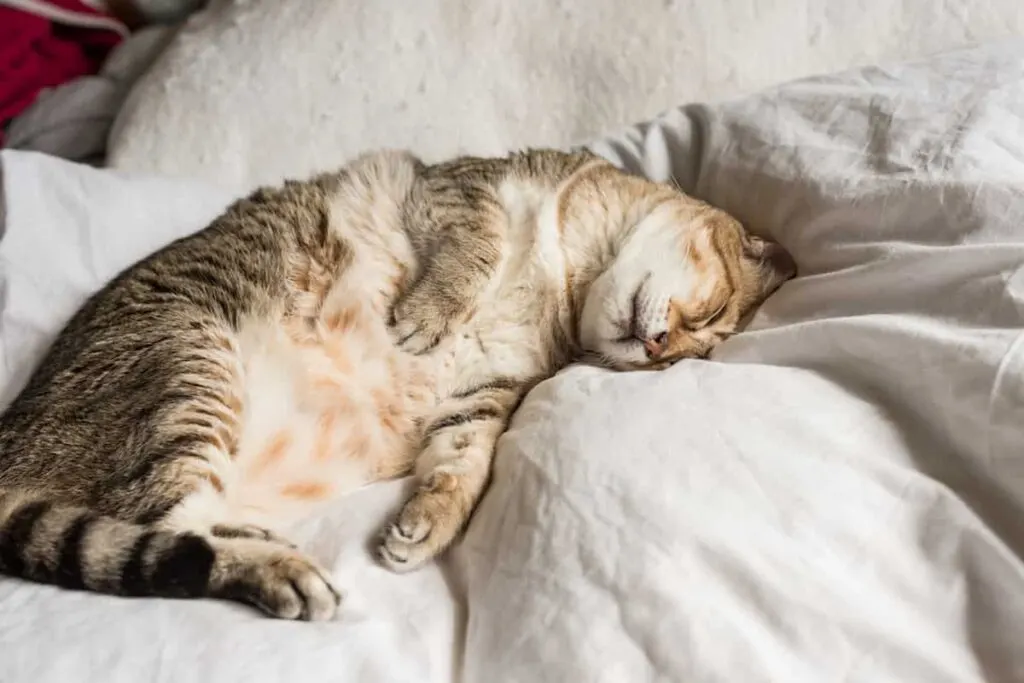
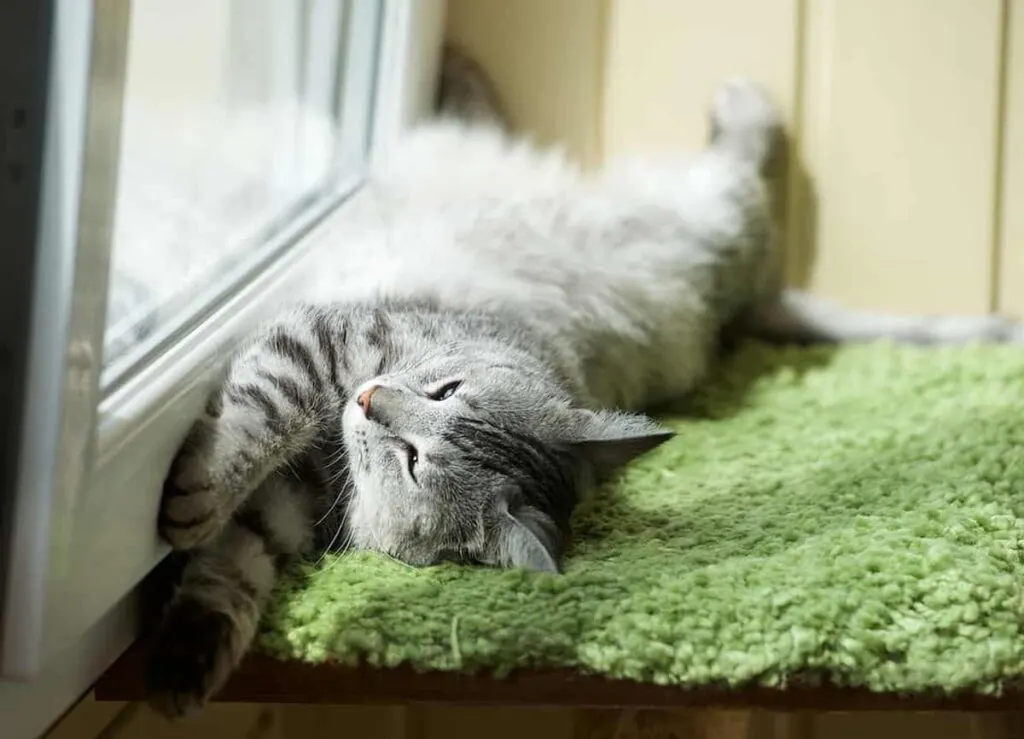
Many cats are known for their passive behavior and independent nature. They are often seen lounging around, sleeping for hours, and grooming themselves. This behavior can be traced back to their ancestors, who were solitary hunters and needed to conserve energy for hunting.
Cats are also territorial animals and prefer to have their own space. They mark their territory by rubbing their scent on objects and surfaces. This behavior helps them feel secure and comfortable in their environment.
Another reason why cats are passive is that they are ambush predators. They prefer to stalk their prey and pounce on them when they least expect it. This requires a lot of patience and waiting, which can translate into their behavior in domestic settings.
Cats also have a unique way of communicating. They communicate with other cats and humans using body language, vocalizations, and scents. They may purr when they are happy, hiss when they are angry, and meow when they want attention or food.
Instincts and Evolution
One of the most significant factors in a cat’s passive nature is its evolution as a solitary predator. In the wild, cats hunt alone and rely on their stealth and agility to catch prey.
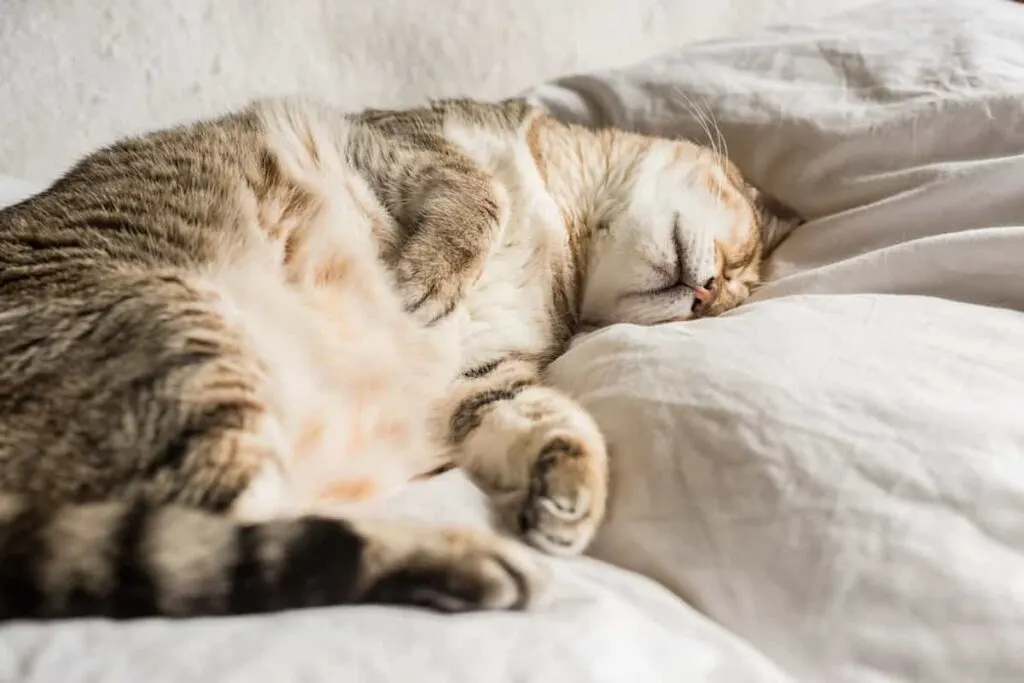
This solitary nature has led to a range of behaviors that we see in domesticated cats. For example, cats often spend much of their day sleeping to conserve energy for hunting. They are also highly territorial and will defend their territory against other cats.
Another factor in a cat’s passive nature is its evolution as a prey animal. While cats are skilled hunters, they are also prey for larger animals. As a result, cats have developed a range of behaviors to avoid danger. For example, cats are highly sensitive to their environment and will avoid situations that they perceive as dangerous.

Domestication and Socialization
Cats have been domesticated for thousands of years, and their passive nature can be attributed to domestication and socialization. Domestication is the process of adapting wild animals for human use, while socialization is the process of teaching animals to behave in a way acceptable to humans.
Early humans domesticated cats for their hunting skills, and over time, cats became more accustomed to living with humans. Through socialization, cats have learned to peacefully coexist with humans and other animals. They have learned to communicate with humans through various behaviors, such as purring, meowing, and rubbing against their owners.
Moreover, cats are known for their independent nature, which can be traced back to their wild ancestors. In the wild, cats are solitary animals, and they have learned to rely on themselves for survival. However, through domestication and socialization, cats have learned to trust and rely on humans for food, shelter, and affection.
Health and Age Factors
While cats are generally known for their passive behavior, certain health and age factors can contribute to their level of passivity.
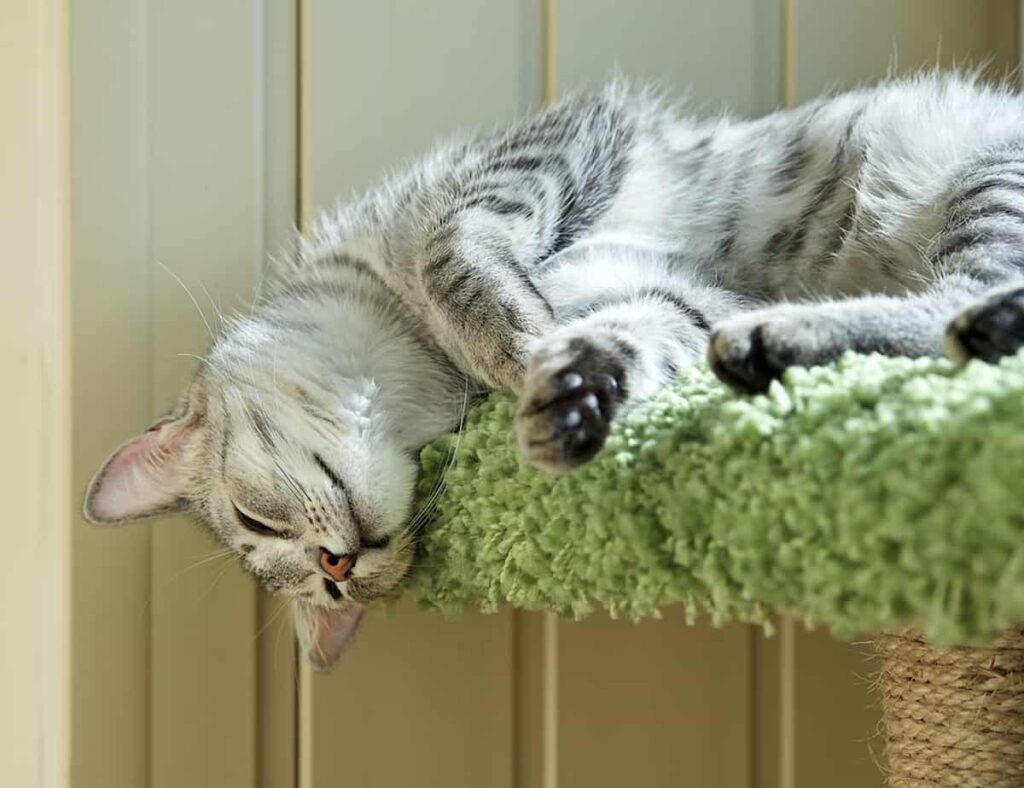
Our cat, for example, is only a few years old and is a furball of energy. However, we can see his energy levels aren’t quite what they were when he was a kitten, jumping high and clawing everything in sight. As he’s aged, he’s gotten more relaxed in his environment and sleeps way more than he used to.
He’s still young compared to older cats, though.
For example, older cats are 7 years and up tend to be more laid back and less active than younger cats. This is because their energy levels decrease as cats age, and they become more content with lounging around the house. Additionally, older cats may develop health issues that can make them less active, such as arthritis or other joint problems.
On the other hand, cats that are sick or in pain may also exhibit passive behavior. They need more energy or desire to engage in their usual activities. If your cat is suddenly more passive than usual, it’s important to take them to the vet to rule out any underlying health issues.
Furthermore, not spayed or neutered cats may also exhibit more passive behavior. This is because unaltered cats often roam and search for a mate, meaning they will stay home less. As such, getting your cat spayed or neutered can help keep them calm and content in their home environment.

Dealing With A Passive Cat
If you have a passive cat, it can be challenging to get them to engage in play or other activities. However, there are several things you can do to make your cat less passive and more active:
- Create an interactive environment: Set up a safe and stimulating environment for your cat with toys, scratching posts, and cat trees. Make sure that the toys are rotated regularly to keep your cat interested in playing with them.
- Schedule playtime: Set aside some time each day to play with your cat. Try different types of toys to see which ones your cat likes best. Wand toys, laser pointers, and balls are popular choices.
- Use treats as rewards: Use treats as a reward for engaging in play or other activities. This positive reinforcement can encourage your cat to be more active and playful.
- Provide opportunities for exploration: Provide your cat with opportunities to explore their surroundings. You can try hiding treats around the house or creating a scavenger hunt for them to find their food.
- Consider getting another cat: Sometimes, having another cat in the house can encourage your passive cat to become more active. Cats are social animals, and having a playmate can provide them with a companion to interact with.
- Consult with a veterinarian: If your cat is particularly lethargic, it may be a sign of a health problem. Consult with a veterinarian to rule out any underlying medical conditions that may be causing your cat’s passivity.
Remember that every cat is unique; what works for one cat may not work for another. Patience and persistence are key in encouraging your cat to be more active and engaged in its environment.


My name is James, and welcome to FAQCats!
Along with our team of cat owners, expert pet enthusiasts, and pet professionals, we aim to write engaging helpful, engaging content about cats. At FAQCats we strive to provide content that’s accurate and fun to read. Our team writes about everything related to cats; even the most complex of topics. Through extensive research and caring for our own fur-pals, we’re able to provide something cat owners worldwide will love. Have a look around, and leave us feedback anytime!