

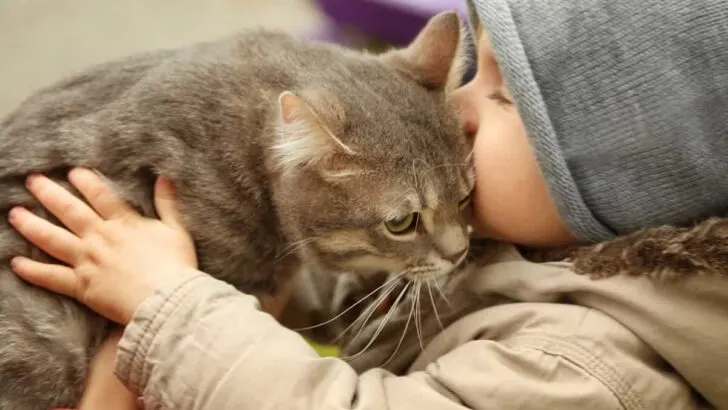
Cats have a reputation for being aloof and independent, but they can display an unexpected level of protectiveness when it comes to human babies. Many cat owners have reported instances of their feline friends watching their infants, sometimes even sleeping next to them or gently nudging them away from potential hazards. But why do cats exhibit this behavior?
Cats may view human babies as members of their own family or as pride. In the wild, cats are known to fiercely defend their young against predators, and this instinct may carry over to their interactions with human babies. Additionally, cats may be drawn to babies’ warmth and comfort, leading them to want to protect and care for them.
Many experts agree that this behavior is likely a combination of natural instincts and learning. Whatever the reason, it’s clear that cats can form strong bonds with their human companions, even when those companions are very young.
Cats and Babies: A Natural Bond
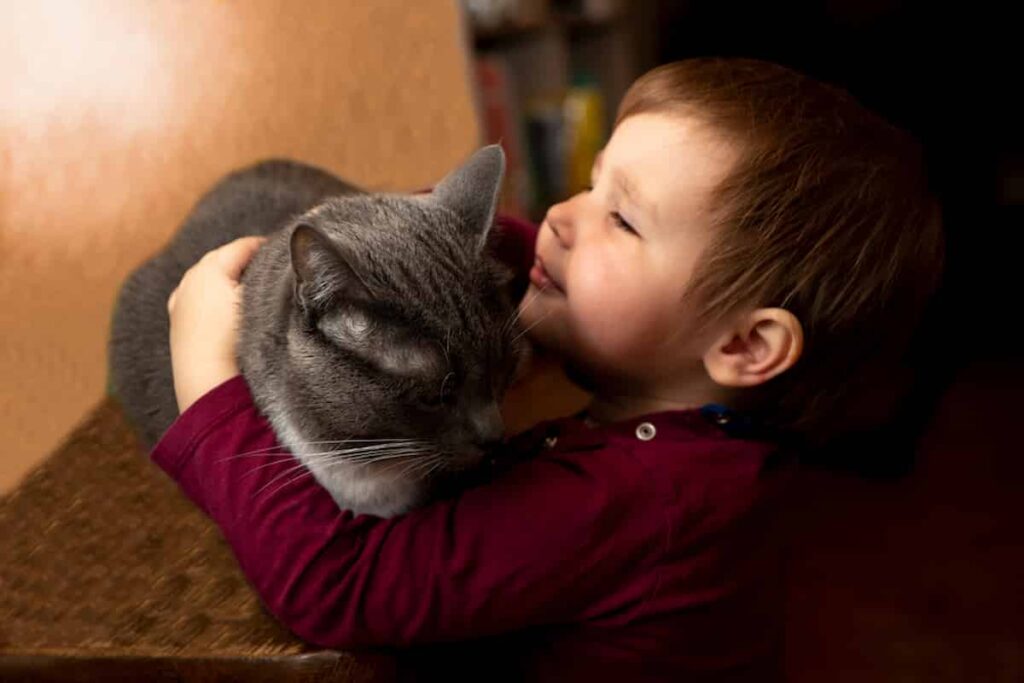
Cats have a reputation for being aloof and independent creatures. However, when it comes to babies, they can be incredibly protective and nurturing. This natural bond between cats and babies has been observed for centuries and is believed to be rooted in their instincts.
Cats protect human babies because they see them as part of their family. Cats are known for fiercely loyal to their owners and will do whatever it takes to protect them. When a baby is brought into the home, the cat recognizes that this is a new family member and will instinctively want to protect them.
Another reason cats protect babies is that they are instinctively drawn to their scent. A baby’s scent is comforting to a cat, and they will often seek out the baby to cuddle and keep warm. This is why it’s common to see a cat snuggled up next to a sleeping baby.
It’s important to note that cats can protect babies, but they should always be supervised together. Cats are still animals; they may scratch or bite if they feel threatened or the baby is too rough. It’s also essential to keep the baby’s safety in mind and ensure the cat doesn’t accidentally smother them while trying to cuddle.
The Protective Instincts of Cats
Cats are known for their independent and aloof nature, but when it comes to human babies, they can exhibit a surprisingly protective instinct. While some people may think that cats are simply curious about the new arrival, there is more to it than that.
Research has shown that cats have a strong maternal instinct, even if they have never had their own kittens. This instinct extends to human babies, who often treat them like their offspring. This protective behavior can manifest in various ways, from keeping a watchful eye on the baby to physically positioning themselves between the baby and any perceived threat.
The maternal behaviors exhibited by cats are both caring and protective, and they are lovely to witness as a reminder of how sensitive felines are. When a cat becomes a mother, she is very protective of her kittens and will do everything she can to keep them safe. This protective instinct can extend to other vulnerable creatures, including human babies.
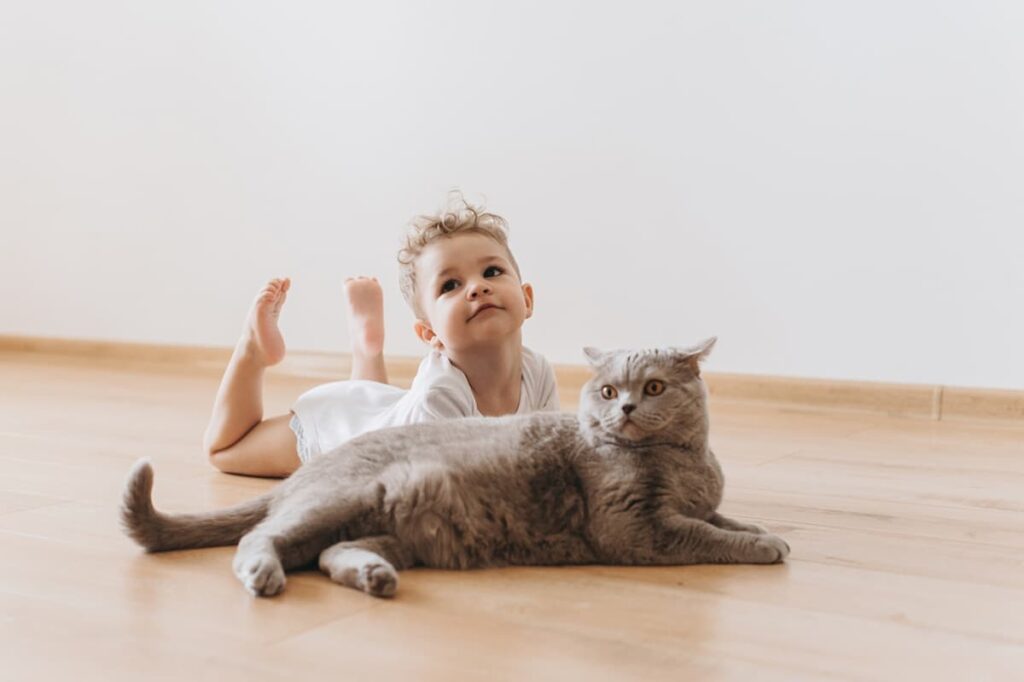
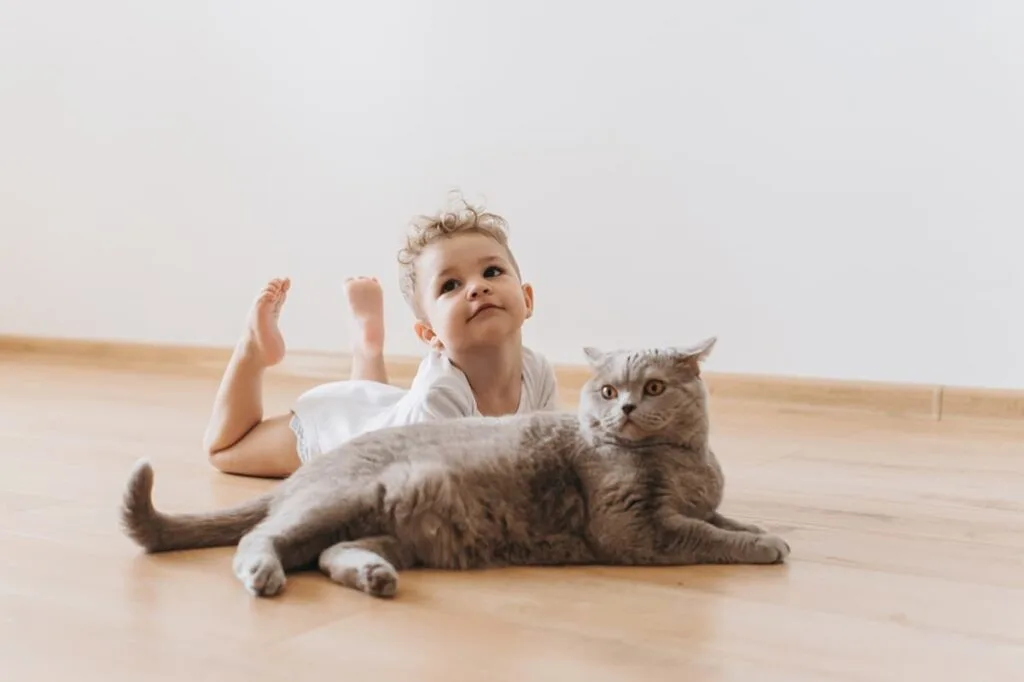
Many cats become protective of what they view as a ‘people-kitten,’ and there are accounts of cats raising the alarm when a baby shows signs of sudden illness.
Cats are intuitive and can sense something wrong. They may become very attentive to the baby, watching over them and sleeping beside them.
Cats are also highly attuned to their environment and can sense changes in their surroundings. They may become more alert and vigilant when a baby is present, as they perceive the baby as vulnerable and needing protection. This heightened awareness can make them more territorial and defensive, especially if they perceive a potential threat to the baby’s safety.
Not all cats exhibit protective behavior towards babies, and a cat is not guaranteed to be safe around a baby. Introducing cats to babies slowly and carefully and continuously supervising their interactions is important.
Scientific Theories on Cat-Baby Bonding
There are several theories as to why cats are so protective of human babies. While there is no definitive answer, scientists have proposed several theories, including:
- Instinctual behavior: Some scientists believe that cats’ protective behavior towards human babies is instinctual. In the wild, cats are known to protect their young from predators, and this behavior may carry over to their interactions with human infants.
- Smell: Another theory suggests that cats are drawn to the smell of human babies. Babies have a unique scent that may be appealing to cats, which could be why they are so protective of them. We’ll dive into this point later in the article.
- Empathy: Some scientists believe cats can feel empathy towards human babies. Cats may be able to sense when a baby is in distress or need protection, which may trigger their protective instincts.
While these theories are plausible, we still need to learn more about the cat-baby bond. Further research is needed to fully understand why cats are so protective of human infants, but for now, we can appreciate the unique and special relationship between cats and babies.
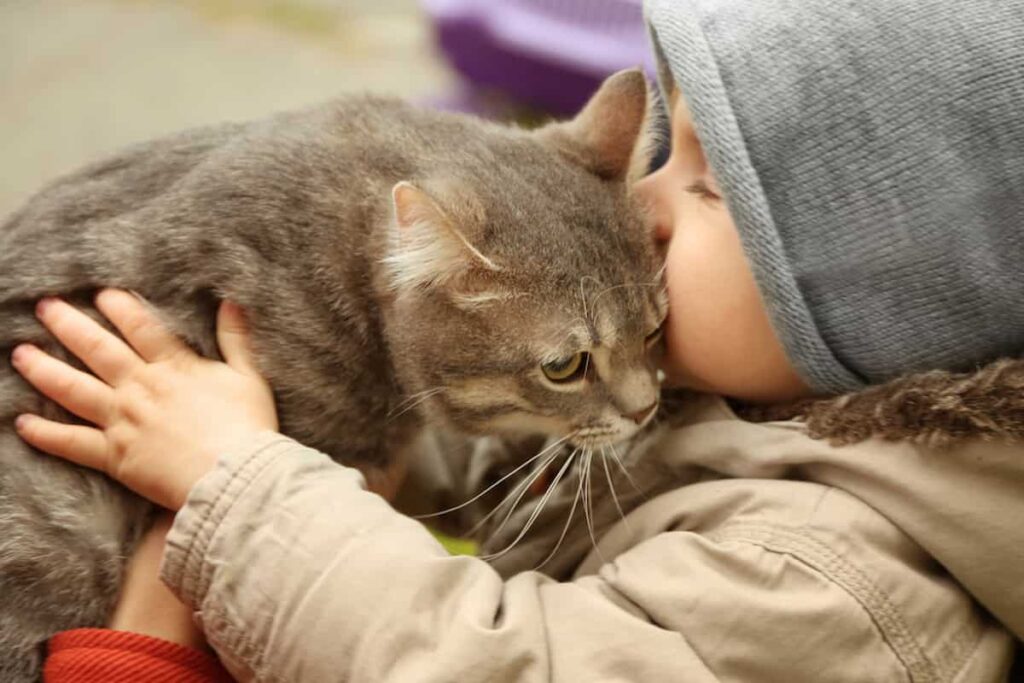
Cats and Baby Sounds
Many people wonder why cats seem to be so protective of human babies. One theory is that cats may respond to the sounds that babies make, which can be similar to the sounds that kittens make.
Cats may meow slightly differently when hungry or frightened, which may be similar to the cry of a human baby. Cats may respond to this sound because it reminds them of their own kittens.
In addition, cats may also respond to the sounds that babies make when they are upset or in distress. Cats may become protective of what they view as a “people-kitten” and may raise the alarm when a baby shows signs of sudden illness.
While there is no definitive answer as to why cats seem to be so protective of human babies, it is clear that cats are highly attuned to the sounds and behaviors of their human companions. Whether it is the sound of a baby crying or the sight of a new family member, cats may respond in various ways to the presence of a new baby in the home.

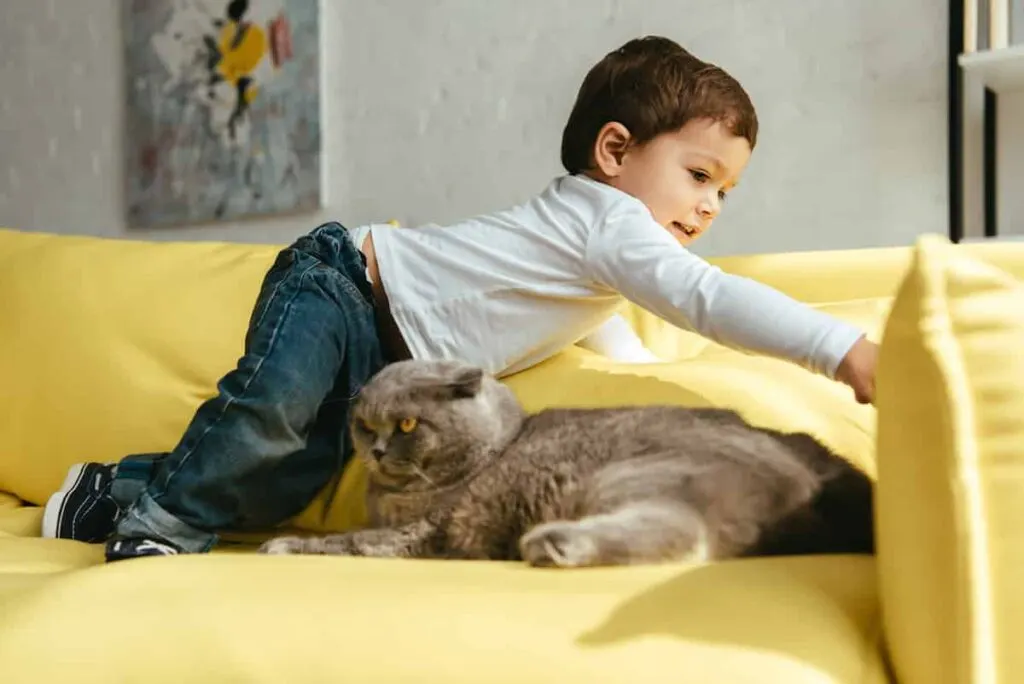
Cats and Baby Smells
Cats have a highly developed sense of smell, which is one reason they protect human babies. When a new baby is brought into a home, the cat will immediately investigate the new scent. This is because cats use their sense of smell to identify familiar and unfamiliar scents, including those of other animals and humans.
Cats can recognize the scent of their owners and other familiar people. They use this information to determine whether or not they feel safe and comfortable around them. When a new baby is introduced, the cat will sniff and investigate the baby to determine if the scent is familiar. If the cat recognizes the scent as belonging to a member of their own family, it will likely become protective of the baby.
It’s important to note that cats are also sensitive to changes in their environment, and the arrival of a new baby can be a significant change. As a result, cats may become stressed or anxious when a new baby is brought into the home. To help ease the transition, giving the cat plenty of attention and affection is crucial as gradually introducing them to the baby calmly and calmly.
In addition to protecting human babies, cats are also known to protect their kittens. Mother cats will fiercely defend their kittens from potential threats and even move them to a new location if they feel they are in danger. This protective behavior is a natural instinct that has evolved over thousands of years to ensure the species’ survival.
Benefits of Having a Cat Around a Baby
Many people believe that cats and babies don’t mix well, but the truth is that cats can make wonderful companions for babies. Here are some of the benefits of having a cat around a baby:
- Reduced stress: Studies have shown that having a pet around can help reduce stress levels in humans. This can be especially beneficial for new parents adjusting to life with a baby.
- Companionship: Cats can provide a source of companionship for babies, who may not have many social interactions at such a young age. A cat can be a calming presence for babies and help them feel more secure.
- Entertainment: Cats are naturally curious and playful, which can provide entertainment for babies as they watch the cat play and explore their surroundings.
- Learning opportunities: Having a cat around can provide learning opportunities for babies, such as learning about different animals and their behaviors. It can also help teach babies about empathy and compassion as they learn to care for and interact with the cat.
- Health benefits: Studies have also shown that pet exposure can help boost a baby’s immune system and reduce the risk of allergies and asthma later in life.
Of course, it’s important to always supervise interactions between a cat and a baby to ensure the safety of both. But with proper supervision and care, cats can make excellent companions for babies and provide a range of benefits for both the baby and the parents.
Cats and Babies: Precautions to Take
While cats can be protective of human babies, it is important to take certain precautions to ensure the safety of both the baby and the cat.
It is important to never leave a cat alone with a baby. Even the most docile cat can become agitated or scared around a crying or fussy baby and may lash out in self-defense. Always supervise any interactions between cats and babies, and separate them if the cat becomes agitated or aggressive.
Secondly, keeping the baby’s sleeping area separate from the cat’s is essential. Cats may be attracted to the warmth and softness of a baby’s bedding and may try to curl up with the baby, which can be dangerous. Additionally, cat hair and dander can harm babies with allergies or respiratory issues.
Keeping the baby’s toys and other items separate from the cat’s toys and items is essential. Cats may view a baby’s toys as their own and may become possessive or aggressive if the baby tries to take them. Additionally, cat toys and items may not be safe for babies to play with or put in their mouths.
Last but not least, maintain good hygiene practices around cats and babies. Always wash your hands thoroughly after handling the cat, and keep the cat’s litter box and food and water bowls separate from the baby’s eating and playing areas.


My name is James, and welcome to FAQCats!
Along with our team of cat owners, expert pet enthusiasts, and pet professionals, we aim to write engaging helpful, engaging content about cats. At FAQCats we strive to provide content that’s accurate and fun to read. Our team writes about everything related to cats; even the most complex of topics. Through extensive research and caring for our own fur-pals, we’re able to provide something cat owners worldwide will love. Have a look around, and leave us feedback anytime!