


Cats have a unique set of behaviors and quirks that make them both lovable and mysterious. One of these quirks is their aversion to having their ears blown on. Many cat owners have experienced their feline friends shaking their heads or swatting at them when they blow on their ears. But why do cats hate it when you blow in their ear?
Cats dislike being blown on because it catches them by surprise, is uncomfortable, and can be misinterpreted as an aggressive act. Blowing on a cat’s ear can also be seen as violating their personal space, making them feel threatened. While some cats may tolerate it, others may become agitated or aggressive.
Understanding why cats dislike having their ears blown on can help cat owners better understand their feline friends and avoid unnecessary stress or discomfort for their pets.
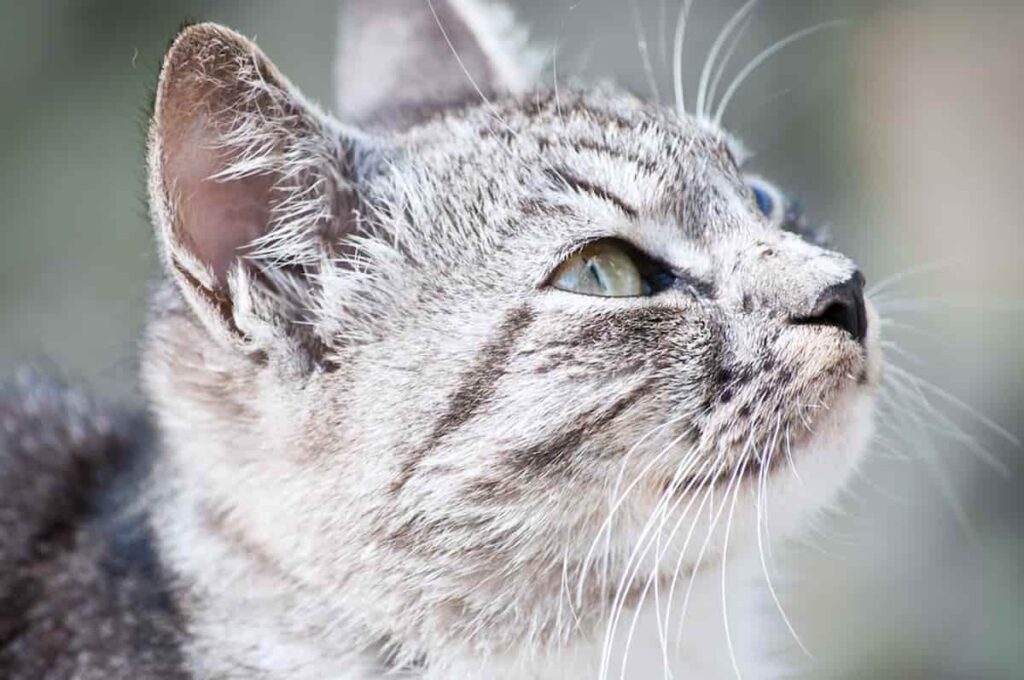
Cats’ Sensitive Hearing
Cats have incredibly sensitive ears that can hear sounds much more frequently than humans. Cats can hear sounds up to 65,000 Hz, while humans can only hear up to 20,000 Hz. This means cats can pick up on sounds too high-pitched for humans to detect.
Because of their superior hearing, cats can be easily startled by loud or sudden noises. Whistle-blowing, clapping, and even the sound of a vacuum cleaner can be distressing for cats. High-pitched sounds can remind cats of their prey, which can cause them to become anxious or agitated.
Instinctual Response to Threats
Cats are natural predators, so they have a highly developed instinctual response to potential threats. When a cat perceives a threat, their fight or flight response is triggered, causing them to become defensive or take evasive action. This response is an essential survival mechanism honed over thousands of years of evolution.
One of the ways that cats perceive threats is through their sense of smell. Blowing air in a cat’s face can be uncomfortable for them because its sense of smell is so acute. The sudden blast of air can be overwhelming and disorienting, causing them to feel threatened.
Blowing Disrupts Their Personal Space
Cats are known for their independent and solitary nature. They value their personal space and do not like it when their boundaries are crossed.
Blowing air into their ears can be an invasion of their personal space, which can make them feel uncomfortable and anxious. It can also be interpreted as a threat, causing them to become defensive or aggressive.
Cats have glands in their cheek area. They love it when you rub their cheeks and pet them there, as they also leave their scent on you. However, blowing air into their ears can be a completely different story. It can be a jarring experience for them and cause them to feel stressed out.
It’s important to respect a cat’s personal space and boundaries. If you want to interact with them, it’s best to do so in a way they find comfortable and enjoyable.
For example, you can pet them gently on the head or scratch them behind the ears. If you want to play with them, use toys they love, such as a feather wand or a laser pointer.

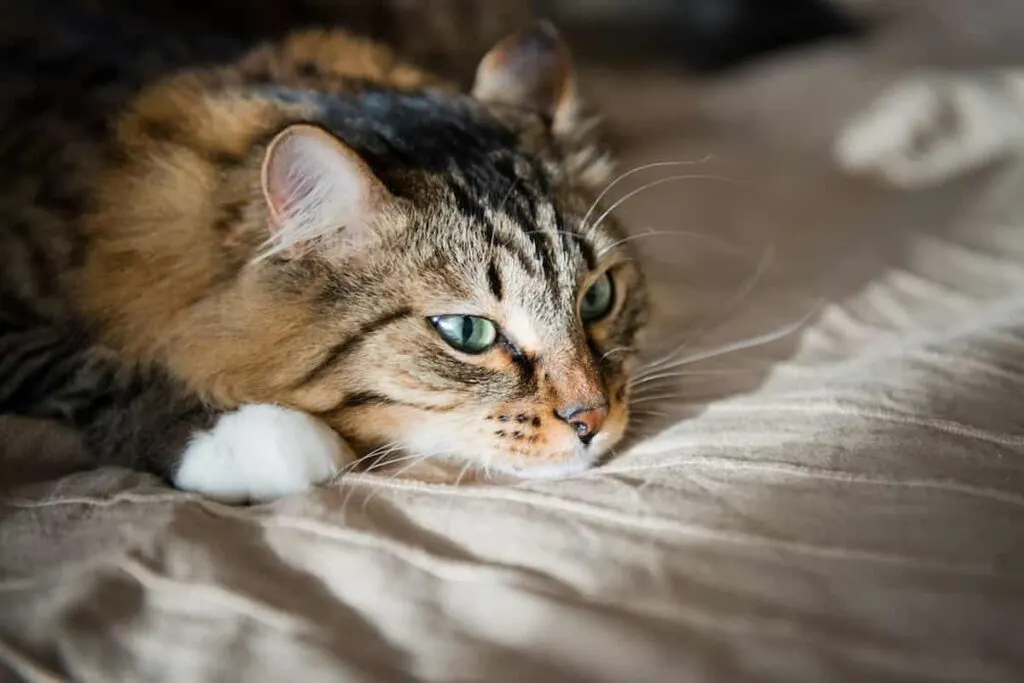
Negative Associations with Past Experiences
Just like humans, cats can develop negative associations with specific experiences. If a cat has had a bad experience with having their ears blown on, it may associate that sensation with fear or discomfort.
Cats have a highly acute sense of hearing. Blowing on their ears can be uncomfortable and even painful for them. It can also startle and threaten them, especially when they are anxious or stressed.
Additionally, if a cat has had a traumatic experience with a person blowing on their ears, it may associate that person with fear and avoid them in the future. This can lead to a breakdown in the bond between the cat and its owner.
It’s essential to be mindful of a cat’s past experiences and to approach them with care and sensitivity. If a cat exhibits signs of fear or discomfort, it’s best to avoid blowing on its ears and find other ways to bond with them.
Alternative Ways to Show Affection
Blowing on a cat’s face is not the only way to show affection. In fact, there are plenty of other ways to show your feline friend that you love them. Here are some alternative ways to show affection:
- Playtime: Cats love to play, and it’s a great way to bond with your pet. Use toys like feather wands or laser pointers to engage your cat in playtime.
- Grooming: Brushing your cat’s fur is not only beneficial for their coat, but it’s also a great way to bond with your pet. Use a soft-bristled brush and gently groom your cat.
- Petting: Most cats love to be petted, but it’s important to do it in a way they enjoy. Pay attention to your cat’s body language and pet them in areas where they enjoy being touched.
- Treats: Giving your cat a special treat is a great way to show them you care. Just be sure to give them treats in moderation.
Remember, every cat is different, and what works for one cat may not work for another. Pay attention to your cat’s behavior and preferences, and adjust your approach accordingly.
Cats are individuals, and they all have their own preferences regarding affection. Some cats love to be held and cuddled, while others prefer to be left alone. Pay attention to your cat’s body language and behavior to determine what they like and don’t.

My name is James, and welcome to FAQCats!
Along with our team of cat owners, expert pet enthusiasts, and pet professionals, we aim to write engaging helpful, engaging content about cats. At FAQCats we strive to provide content that’s accurate and fun to read. Our team writes about everything related to cats; even the most complex of topics. Through extensive research and caring for our own fur-pals, we’re able to provide something cat owners worldwide will love. Have a look around, and leave us feedback anytime!