

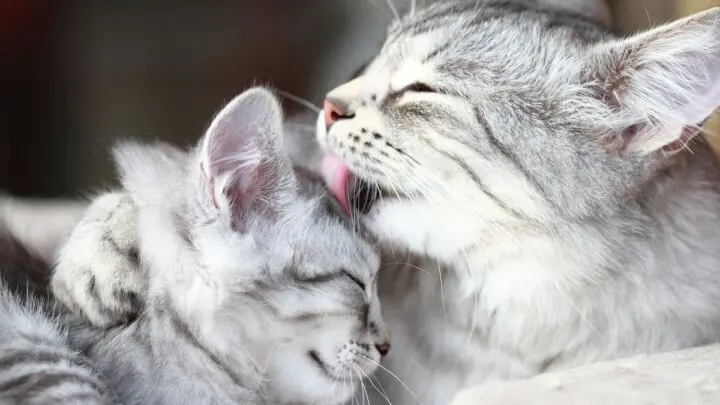
Cats have some odd behaviors, especially when it comes to how they create their offspring. Especially if your cat is not neutered, keeping a lid on the issue can be tough. In some cases, you may even catch cats inbreeding. Surely that seems like a mistake, right? However, evidence shows that this is actually common behavior for cats. So, why do cats inbreed?
Cats inbreed because they do not recognize parents and kin. Breeding is also a natural and intuitive behavior in cats. As a result, some cats may mate with their parents or littermates, which can sometimes result in them producing a litter themselves.
Although this kind of behavior is something you won’t see among humans, it’s actually pretty common when to animals of all types. We’ll discuss inbreeding behavior in cats, what to expect, and some prevention tips as a pet owner.

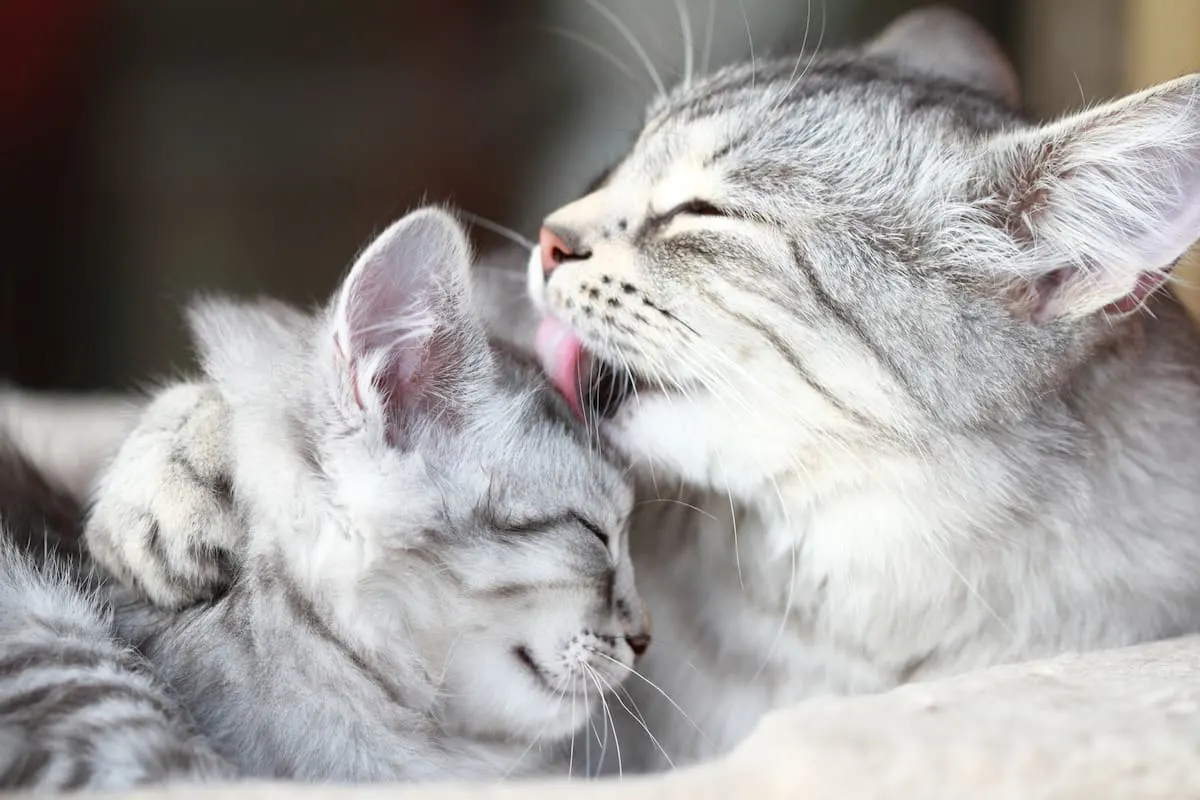
Reasons Why Cats Inbreed
There are five main reasons why cats inbreed. These mainly involve the natural behavior of cats and what scenarios commonly cause cats to inbreed. These scenarios mainly include a group of cats being in an isolated area or having two intact related cats living in a home together. Here are the five reasons why cats inbreed.
Cats Don’t Recognize Parents and Siblings As Humans Do
Cats do not recognize their parents and siblings in the same way that humans do. Some cats may even attempt to mate with their littermates. Mating is a highly instinctual behavior in intact cats, so they are not necessarily thinking about who they are mating with. Some may even argue that cats cannot comprehend familial ties in that way at all.
They Are In An Isolated Area
Cats in isolated areas are more likely to inbreed than cats living in an area with a large cat population. This is simply because cats have fewer options to mate with, so they are more likely to mate with cats they are related to. Again, cats do not realize that they are mating with their parents or siblings; they act on instincts.
Cats In The Home Are Not Spayed Or Neutered
If you do not want kittens, then you should get your cats spayed or neutered. This is especially true if you have more than one cat of the opposite gender living in your home, and this is even more important if these cats are related in some way. Even though this behavior is instinctual for in-tact cats, inbred kittens can still be born with some congenital disabilities and health problems.
Cats Do Not Have Social Norms
Cats do not have social norms the same way that people do, and mating is a purely instinctual behavior for cats. As a result, it is technically not weird or taboo for cats to inbreed. This is why you should take action in spaying or neutering your cats if you have siblings or other cat relatives living together.
Cats Cannot Comprehend The Potential Problems With Inbreeding
Remember when we said that inbred cats could be born with congenital disabilities and health problems caused by genetic conditions? Well, cats do not, and can not, recognize this. As a result, many inbred cats are born with health problems.
Do Cats Mate With Their Parents
Yes, some cats do mate with their parents. This is because cats can’t recognize their parents in the same way that people do. However, cats are more likely to mate with their parents if few other cats are around to mate with.
Do Cats Mate With Their Siblings
Just like some cats mate with their parents, some cats also mate with their siblings. Again, this is much more likely to occur if the cat lives in an isolated area or situation with few other cats for them to mate with potentially.
Is Inbreeding Bad For Cats?
Yes, inbreeding can be bad for cats. Although the parents are likely to be unaffected by the process of inbreeding, their kittens are much more likely to be born with severe congenital disabilities or medical conditions. These effects on the kittens can be very painful or decrease their overall life longevity in the long run. For this reason, you should never inbreed cats on purpose.
What Are The Signs Of An Inbred Cat
There are many different potential signs of inbreeding, and they are not always extremely noticeable. For example, inbred cats are more likely to have weak immune systems than non-inbred cats are. As a result, they are more likely to get sick or experience complications associated with illnesses. In addition, inbred cats tend to be smaller in weight and stature when they are adults, making them smaller than their breed standard. Inbred kittens are often born small and thin as well.
Like in many other inbred animals, inbred cats are also more likely to experience problems with breeding. This can be with both conceiving and producing stillborn or abnormal kittens. Of course, physical deformities are also a sign of inbreeding in cats—things like cleft palates, heart defects, and other physical abnormalities. In addition, there have also been reports of inbred cats having poor temperaments as well.
Things to Consider
There are some additional things to consider when it comes to cats’ inbreeding. These include how you can prevent cats from inbreeding and what you should do if you think that your cat may have inbred. Here are some things to consider about cats inbreeding.
How To Prevent Cats From Inbreeding
The only way people can prevent their cats from inbreeding is to get their cats spayed or neutered. This is because mating is an instinctual behavior in cats, so they will likely try to do it when the female is in heat regardless if they are related or not. There are many affordable spaying and neutering options for cats, and you can usually find out more about your options from local vets.
What Should You Do If You Think Your Cat May Be Inbred
Although it can be pretty scary to find that your cats have inbred, most inbred cats do not experience the extremely harmful effects of inbreeding if there has not been a history of it in their lineage. If it is a one-time fluke, then the kittens will most likely be fine. However, you should still contact your vet for advice, and it is recommended that you take extra precautions when caring for inbred kittens.
My name is James, and welcome to FAQCats!
Along with our team of cat owners, expert pet enthusiasts, and pet professionals, we aim to write engaging helpful, engaging content about cats. At FAQCats we strive to provide content that’s accurate and fun to read. Our team writes about everything related to cats; even the most complex of topics. Through extensive research and caring for our own fur-pals, we’re able to provide something cat owners worldwide will love. Have a look around, and leave us feedback anytime!