
Cats express themselves in various ways, and sometimes that includes moving their ears. Whether they’re feeling anxious, playful, or even sick, you can find a lot of clues if you look at their ears. Why do cats lower their ears?
Most of the time, cats lower their ears when they are scared, anxious, or even if they are feeling unwell. As you get to know your cat, you will better understand what they’re trying to express with their wide assortment of ear movements.
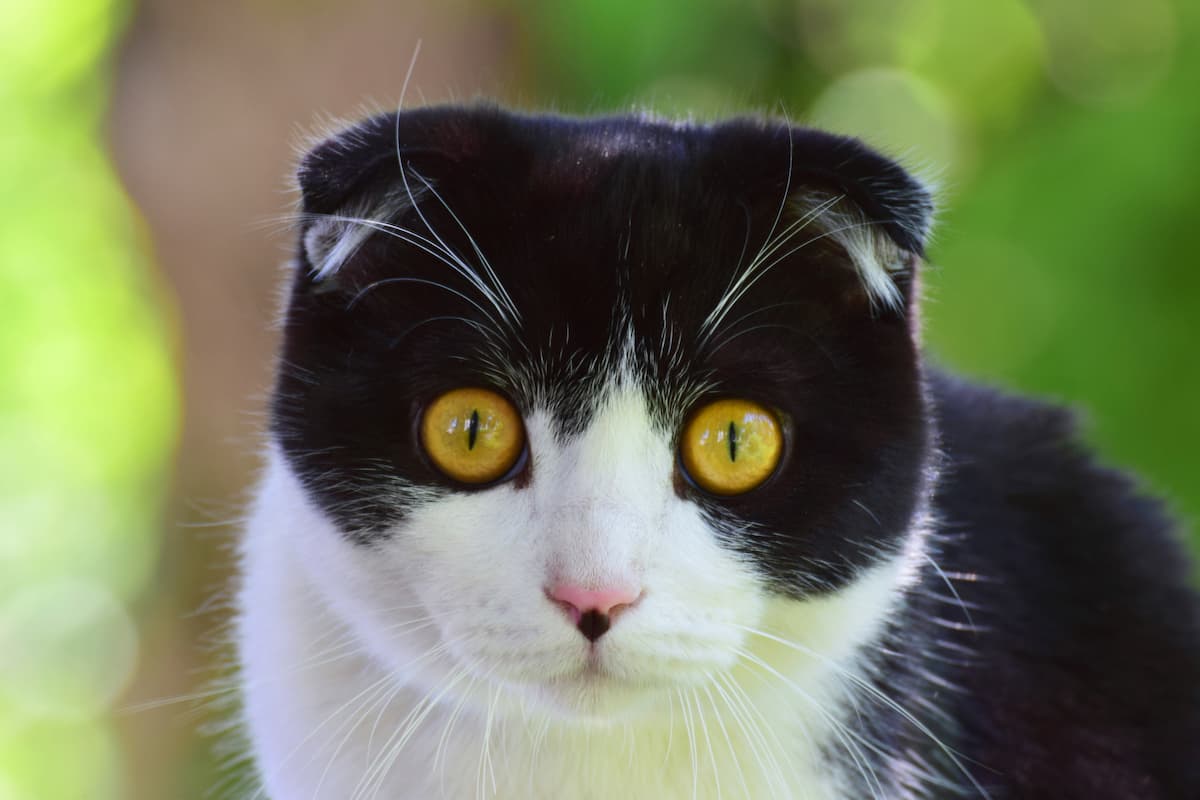
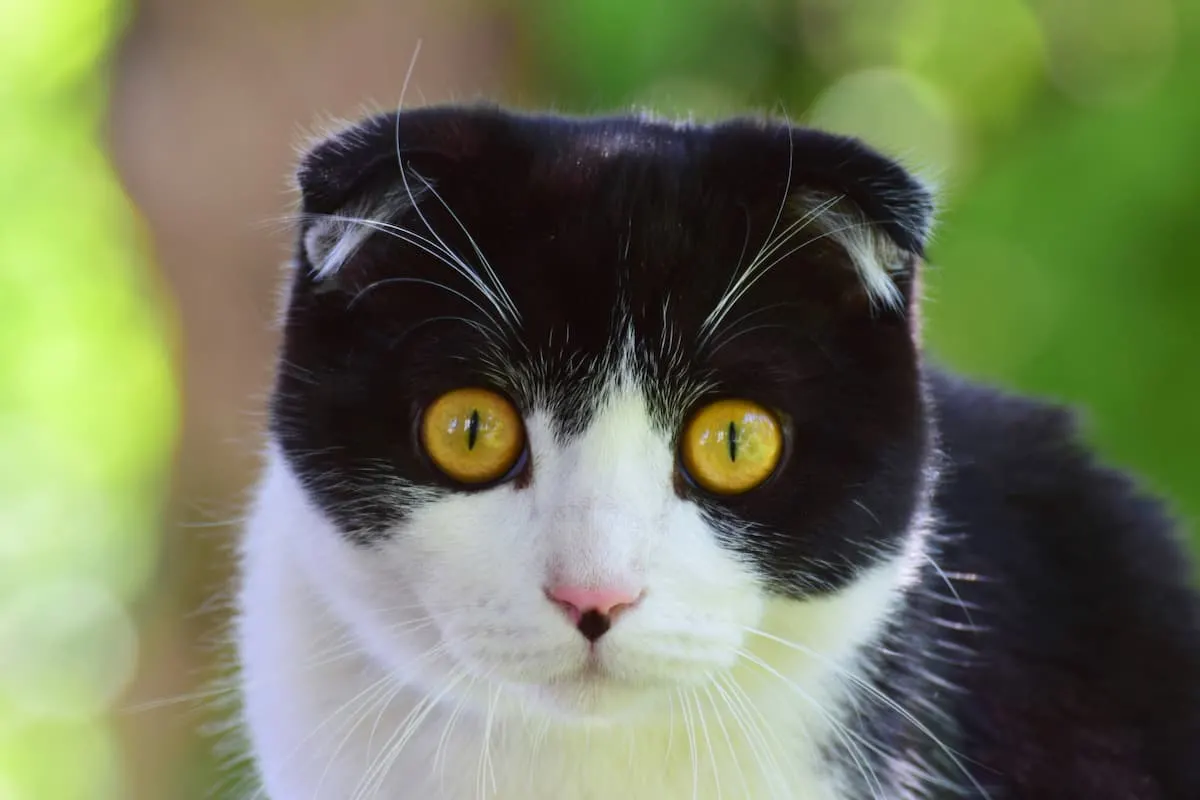
Why does my cat fold his ears back when I pet him
If your cat is putting his ears flat against his head while you pet him, he may be preparing for an attack. This is an instinctive move they make as a way to protect their ears during a fight, whether they’re the ones leading the charge or trying to defend themselves against a predator. This way, their ears won’t get as easily clawed at or bitten. It will often be accompanied by tense and stiff posture like they’re ready to pounce.
To avoid a painful scratch or bite, it’s best not to touch your cat if he is taking this position. If he puts his ears down while you’re petting him, it’s a sign to stop and let him be.
Of course, pinned back ears don’t always mean an unhappy cat. For example, if you’re petting your cat’s head and he adjusts his ears but otherwise seems relaxed and happy, it’s not likely to be a sign of aggression. He’s probably just getting comfortable and enjoying the experience. In other words, you know your cat best.
Why does my cat hold one ear down
If your cat is holding one ear down, he may be confused or uncertain. It could also signify that he has an ear infection, especially if the ear is noticeably pinned down and not just moving around freely.
Sometimes you’ll notice that your cat has one ear down or the two ears are moving independently of each other. This often happens when your cat is trying to become familiar with a new situation and isn’t quite sure what to make of it yet. If you move homes, rearrange furniture, or introduce a new pet into the house, you may notice this behavior from your cat. Once they’ve settled down, their ears will return to their normal, perked-up position.
However, one ear pinned down can sometimes be a sign of infection, which can be very painful for your cat. They leave one ear down as a protective mechanism and as a way to prevent anything touching or to enter the ear canal, which would add further discomfort. If you notice your cat doing this, it may be time to take them to the vet for an inspection.
Why do cats put their ears back when playing
If your cat is playing with you or another pet in the house and their ears suddenly pin back and down, they are likely about to attack. A playful, happy cat will have their ears upright and forward, so it’s important to notice if this changes. Once a cat makes an aggressive move, it can be challenging to stop the action. It’s better to prevent a hurtful attack before it happens.
Pinned back ears are a common sign that your cat is fearful or afraid, and cats in that position tend to go into an aggressive mode. You may even notice them start to slink away at this point. Either way, it’s a sign that the fun and games are coming to an end, and you should let your cat settle down before engaging again.
Why are my cat’s ears twitching
Cats’ ears twitch at the most minor noise or slight movement. You may not even notice the sound that they hear! Cats are always on alert and aware of their surroundings at all times, even when they’re asleep. They’re always trying to learn more and be ready in case they have to get up and go. That’s why your cat’s ears are shaped almost like cones – this shape allows them to hear way better than we do and even better than dogs!
You might also notice your cat twitch his ears when you touch them, especially if you touch the fine hairs on the inside. This is a highly sensitive area for a cat because its large, open shape leaves them vulnerable to all kinds of irritation. In general, it’s best to avoid touching your cat’s ears too often.
How far can cats move their ears
Cats can move their ears 180 degrees – that’s almost all the way to the back of their head. Each ear moves independently from the other, which means they can search in multiple directions to find the source of a sound or movement. Cats can hear a lot better than humans can, and part of this is due to the way their ears have freedom of movement. In addition, cats can hear at both a higher and a lower frequency than humans and dogs. This allows them to find their prey more efficiently or to be alerted in time to flee from a predator.
Are cats’ ears sensitive
Cats’ ears are very sensitive to both sound and touch. Your cat will have small hairs that seem to poke out of the ear. These hairs are a way to keep dirt and debris out of their ears to protect against potential infections. If you touch these hairs, your cat will likely shake his head, almost like he’s being tickled. That’s the hair doing its work!
Because their ears are sensitive to infection, it’s essential to regularly check on them. Healthy cat ears are a pale pink color inside with only a small amount of wax – you may not even see it at first glance. However, if you notice any redness, odor, excessive wax, or a heightened sensitivity to touch, you should bring your cat to the vet. They will be able to examine and determine if your cat needs treatment or medication. It’s best to catch any sign of illness early, so it doesn’t develop into something more severe.
Final Thoughts
Cat ears can be very fun to observe, and they serve an important role in helping you understand what your cat is trying to communicate. In general, it’s best to leave your cat alone once they start pinning their ears down. If the lowered ears seem to come with some other conditions like redness or mucus, it’s time to get your veterinarian involved.


My name is James, and welcome to FAQCats!
Along with our team of cat owners, expert pet enthusiasts, and pet professionals, we aim to write engaging helpful, engaging content about cats. At FAQCats we strive to provide content that’s accurate and fun to read. Our team writes about everything related to cats; even the most complex of topics. Through extensive research and caring for our own fur-pals, we’re able to provide something cat owners worldwide will love. Have a look around, and leave us feedback anytime!