

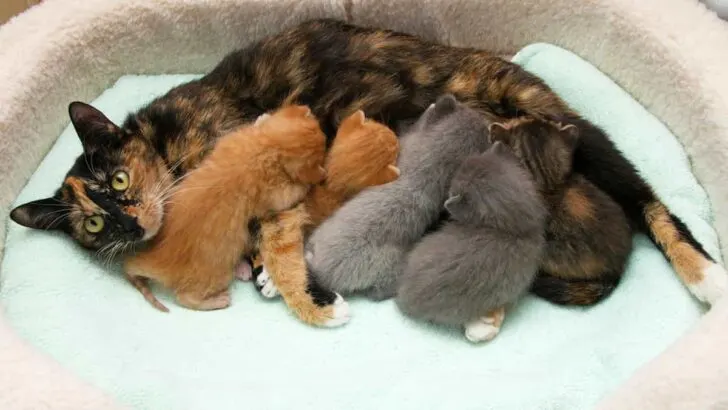
Trying to make sense of why mother cats meow excessively after giving birth can be baffling; however, realizing cat behavior is essential in unlocking this puzzle.
Cats meow after giving birth as a way of communicating with their kittens, forming a bond with them, and ensuring their safety. Additionally, hormonal changes, stress, anxiety, hunger, thirst, and pain can also cause a mother cat to meow excessively.
Let’s dive into more reasons why a cat meows after birth, whether you need to be concerned, and ways you can help comfort your cat if so.
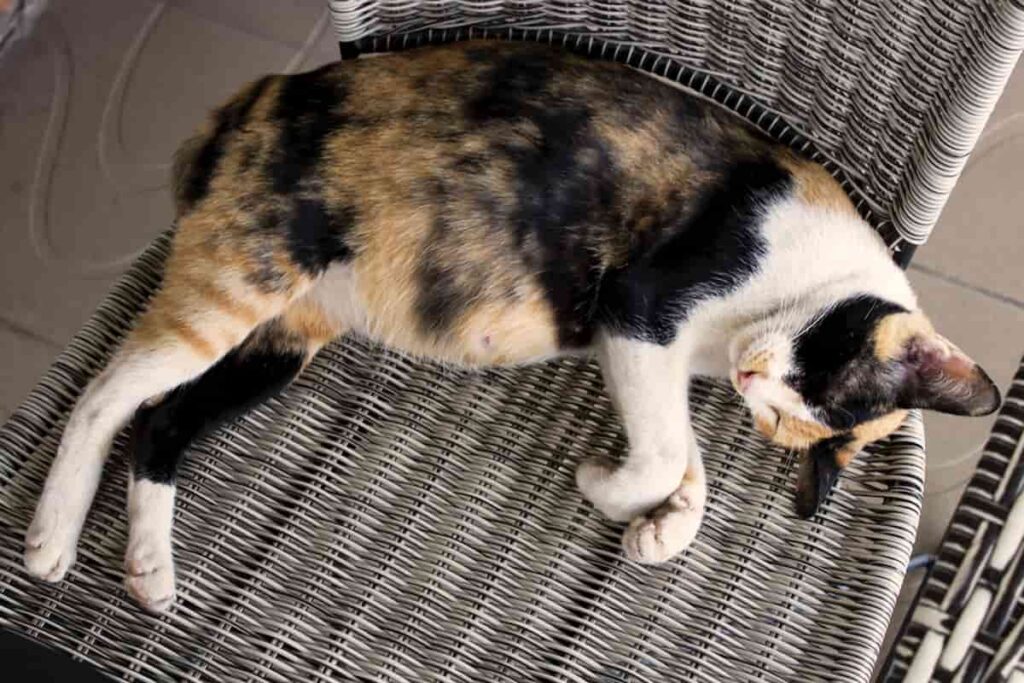
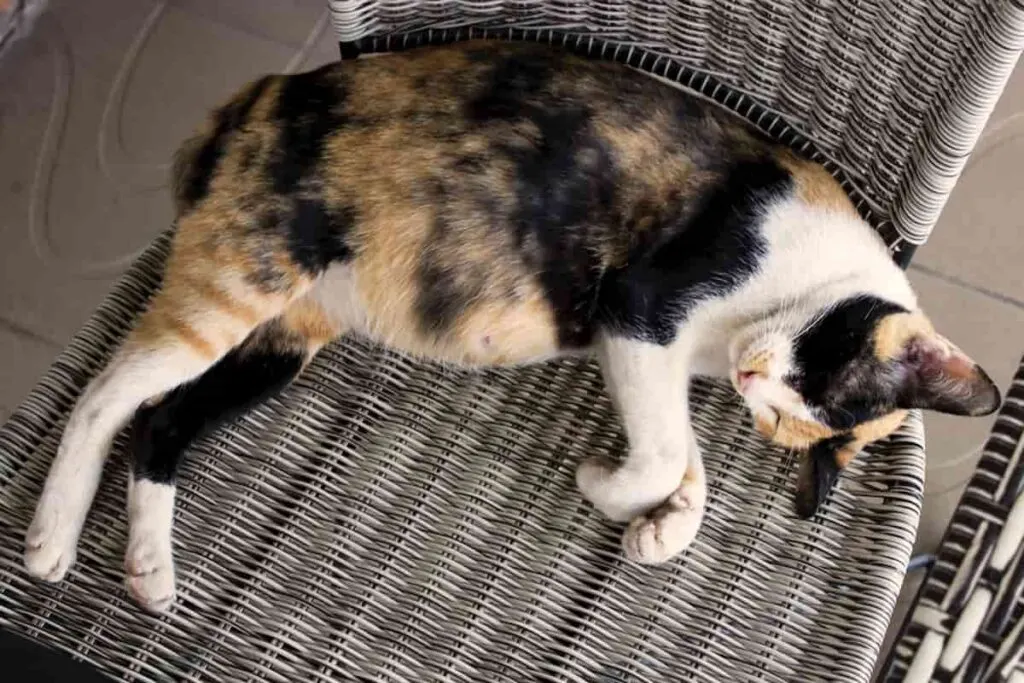
Hormonal Changes After Giving Birth To Newborn Kittens
Pregnant cats go through quite a bit on their journey to giving birth. However, after giving birth, a cat’s body undergoes significant hormonal changes that can affect its behavior.
When these modifications occur, a mother cat may meow excessively to connect with her kittens or seek her owner’s help and protection. After all, the human is seen as an ally that offers safety and security.
These hormonal changes can also lead to restlessness and anxiety in some mother cats, causing them to meow more frequently.
Environmental Factors Affecting Your Female Cat
The environment plays a crucial role in a cat’s behavior after giving birth. If a mother cat feels threatened or unsafe, she may meow excessively to signal danger or seek help.
Likewise, the clamor and chaos of a hectic environment can cause anxiety and stress in cats, leading to excessive meowing. To ensure peaceful behavior among your feline friends, offer them an accommodating safe, comfortable, and, most importantly, quiet space.
Stressed cats are known to meow more in general, so it’s not just a post-pregnancy issue that causes them to make noise like this.
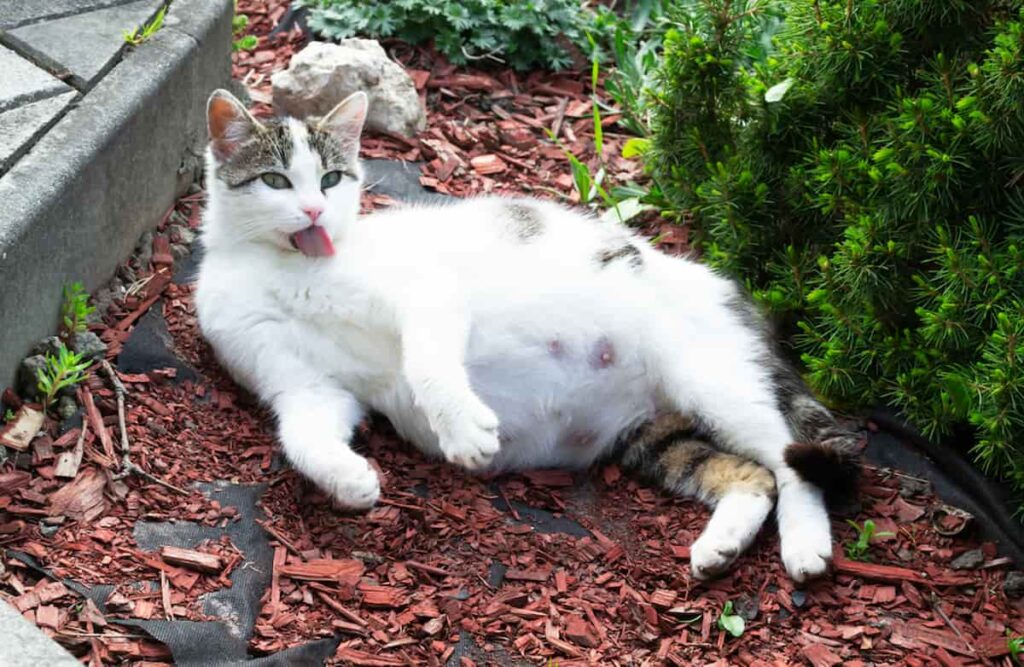
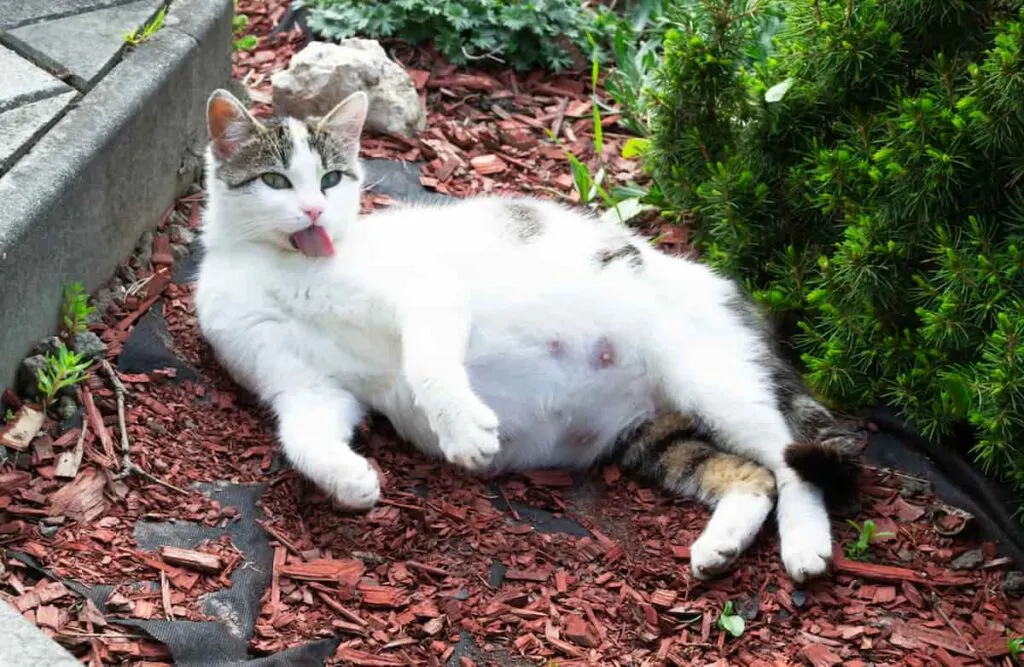
Cats Meow Over Potential Health Concerns
If your mother cat is meowing excessively, it may be a sign that something isn’t quite right. As such, it’s essential to take her for regular veterinary check-ups so you can ensure she and her kittens are in perfect health.
Early detection of any potential issues could save time and money later on down the road, as a veterinarian would be able to identify problems quickly and treat them accordingly.
Some health concerns that can cause excessive meowing in mother cats include urinary tract infections, mastitis, and other medical issues that can cause pain or discomfort.
Reasons for Excessive Meowing in Mother Cats After Giving Birth
If your mother cat is meowing excessively after giving birth, it can be concerning. Here are nine reasons why your cat may be meowing more than usual:
Stress and Anxiety
When a mother cat’s environment and daily routine alter drastically, she may start to meow at an alarming rate because of the stress and anxiety this causes. Cats are known for their need for structure and familiarity; any large deviation from what they’re used to can lead them into an anxious state that manifests in excessive vocalizations.
It’s essential to provide a safe, secure, and quiet space for your mother cat and her kittens to reduce stress and promote calm behavior.
Hormonal Changes
After giving birth, a cat’s body undergoes hormonal changes that can cause a mother cat to meow more frequently as a way of communicating with her kittens.
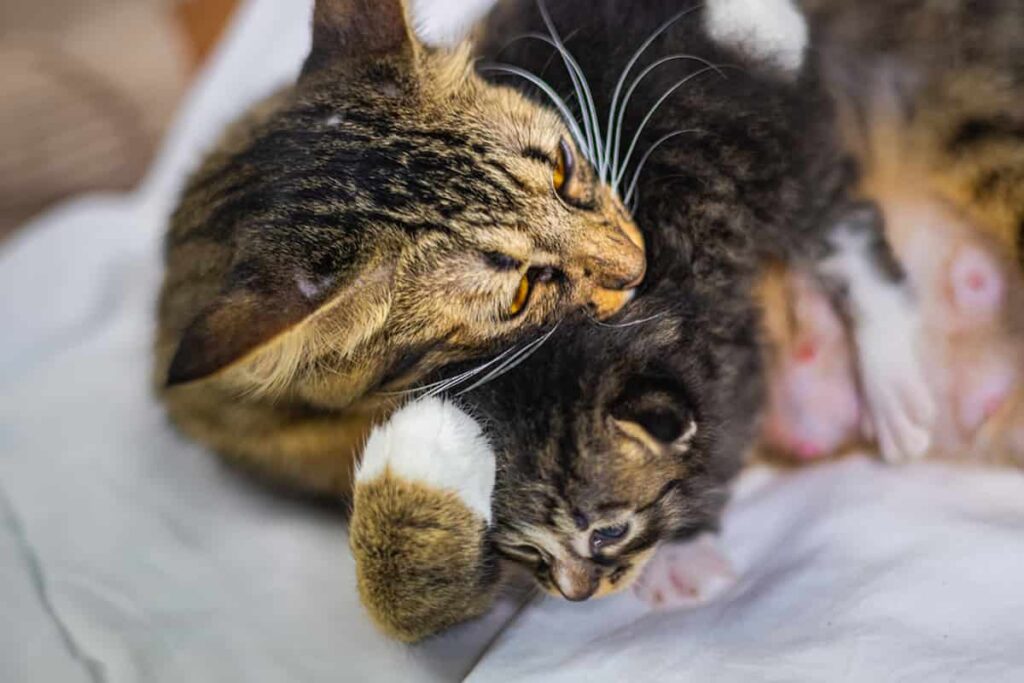
The melodic meowing of kittens serves multiple functions for the mother cat. She relies on this sound to locate her young, keep them close by and secure, and also form a bond with each kitten as she is able to recognize their individual voices.
By responding quickly to these cries, momma cats are better suited to meet the needs of their little ones.
Hunger or Thirst
If your mother cat is meowing excessively, it could be a sign that she needs more sustenance and hydration. It’s critical to provide her with healthy food (preferably wet food), water, and access to a litter box so that she can adequately care for her kittens without leaving them alone for long stretches of time.
Doing this will help ease the excess meowing from the mother cat and promote more normal behavior.
Health Concerns
If your mother cat is meowing excessively, it could be a sign of underlying health issues such as urinary tract infections, mastitis or even pain. Addressing any potential medical concerns should be done in consultation with a vet.
Pain is often the root cause and must not go untreated – excessive meowing can signify distress.
Protection
A mother cat meowing excessively to attract the attention of her owner, who she sees as a source of protection and support. Cats are social animals and need social interaction, including attention and affection from their owners.
If your mother cat is meowing excessively, it may be a sign that she needs attention or reassurance from you.
Lack of Comfort
If the mother cat is not comfortable in her nesting area, she may meow excessively, indicating that she needs a more suitable place to care for her kittens.
It’s essential to provide a warm, safe, and comfortable nesting area for your mother cat and her kittens to reduce stress and promote calm behavior.
Some things you can do include adding extra pillows to their sleeping locations, keeping the room at a good temperature, and not disturbing their peace. In general, you ant to avoid any stressful environments for your mother cat and her kittens.
Separation Anxiety
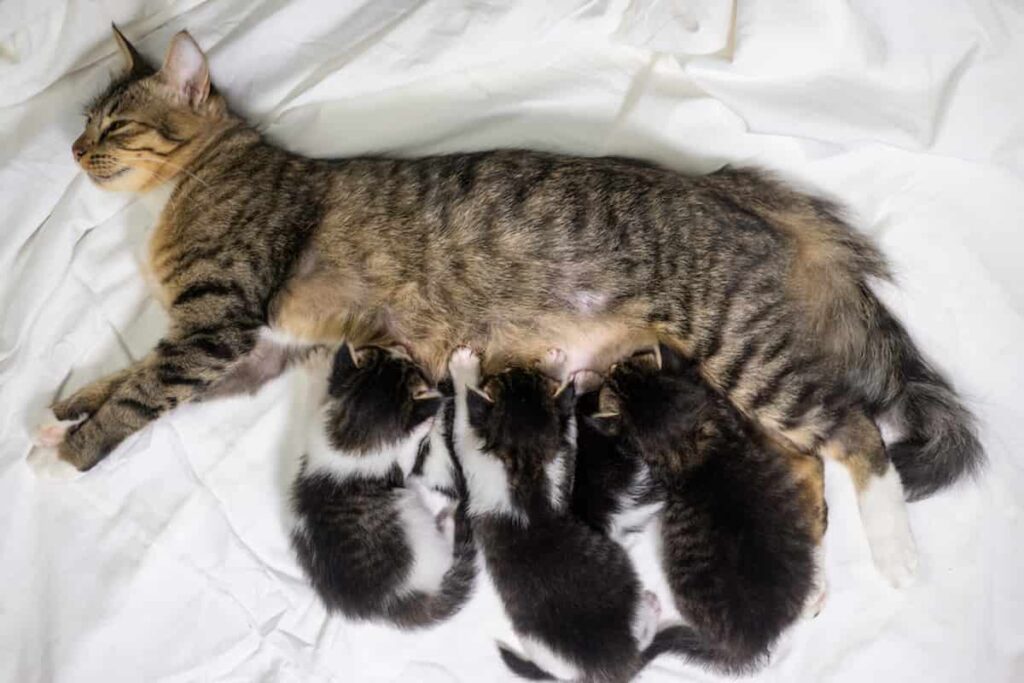
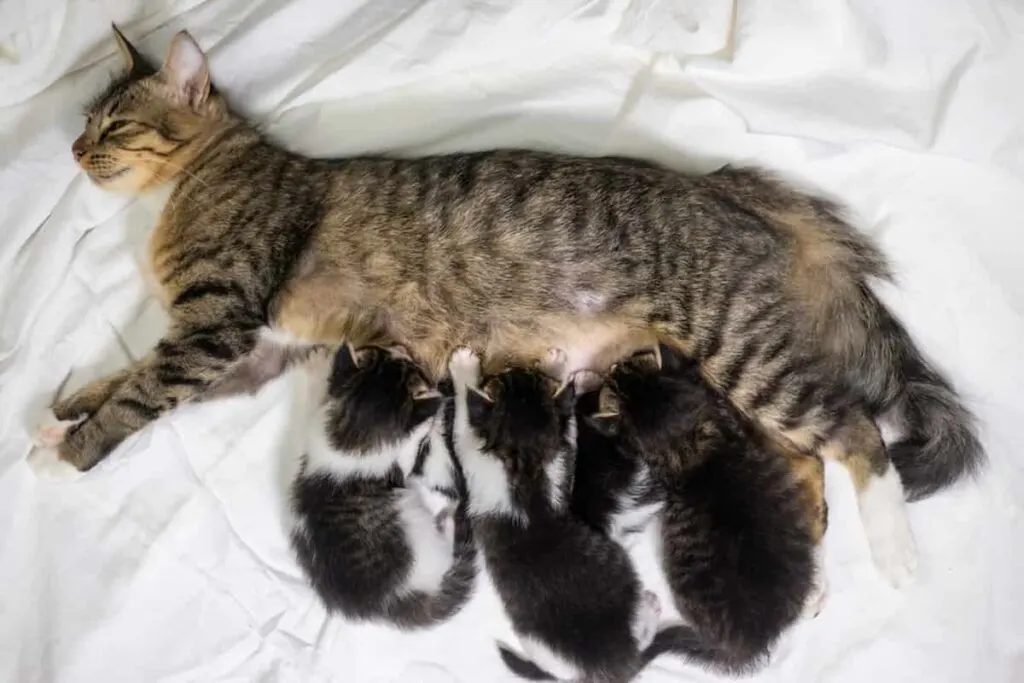
If the mother cat is separated from her new kittens for extended periods, she may start meowing excessively, indicating that she needs to be reunited with her litter.
It’s essential to keep the mother cat and her kittens together to promote bonding and prevent separation anxiety. This includes providing them a safe, secure area to bond and interact.
Maternal Instinct
A mother cat can meow to an astonishing degree as a means of both instructing her kittens in how to hunt and look after themselves while also building up a strong bond between them. Furthermore, the persistent chirping may help warn her young ones about potential threats and keep them close by.
Attention-Seeking
Many cats are predisposed to being more vocal than others, and mother felines may meow excessively if they feel neglected or not given ample attention by their owners.
Providing your mother cat with attention and affection is essential to reduce excessive meowing and promote calm behavior.
If you detect any uncommon behavior in your mama cat, you must consult with a veterinarian immediately to guarantee that she and her kittens are flourishing.
Knowing the why behind a mother cat’s incessant meowing after giving birth is key to delivering her and her litter top-tier care. By comprehending these causes, you can make sure your furry family members are healthy and happy.
The Connection Between Meowing and Birth
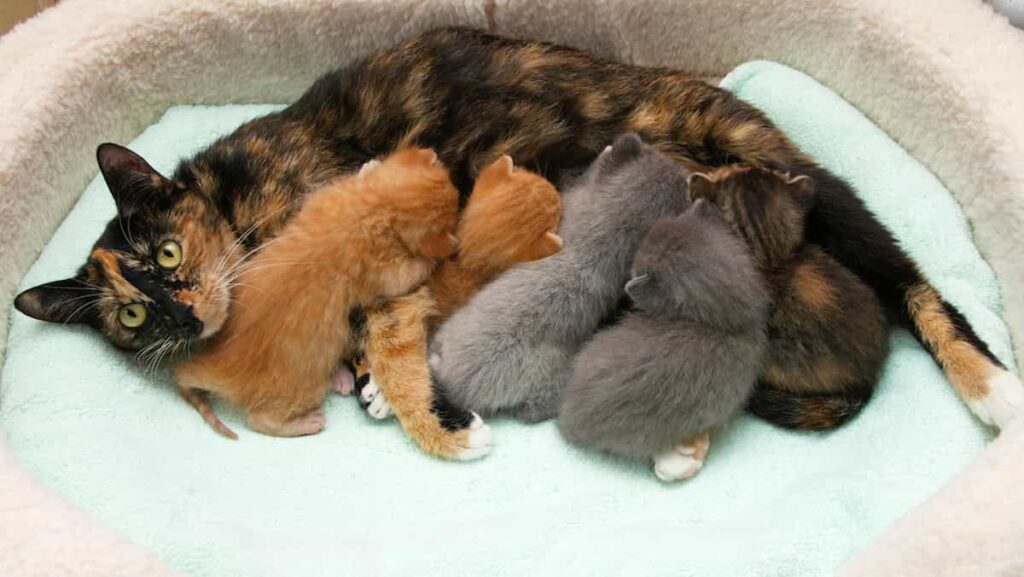
Meowing is a cat’s language, and it holds immense power when the animal has just given birth. Mama cats use their voices to connect with their newborn kittens, guiding them back home if lost, motivating them to stay close by her side for protection, and teaching essential life skills such as hunting and self-defense.
Additionally, meowing helps the mother cat to form a bond with her kittens, allowing her to recognize their unique voices and respond to their needs promptly.
How to Soothe a Mother Cat Who’s Meowing Excessively
Excessive meowing in mother cats after giving birth can signify stress, anxiety, or pain. As such, it’s essential to soothe and calm your mother cat to reduce the frequency of meowing. That kind of rest is important for their overall well-being.
Creating a secure, pleasant, and tranquil environment for the feline mommy and her babies is essential to ease tension and ensure peaceful behavior.
Additionally, to help your mother cat relax, you may use calming aids such as pheromone sprays or gentle stroking.
Plus, make sure she has access to basic necessities like food and water – this way, she won’t have to leave her babies unattended for long periods of time, which could lead to excessive meowing.
Finally, provide a comfortable litter box nearby so that it’s easy and convenient for her when nature calls!
The Takeaway
In conclusion, excessive meowing in a mother cat after giving birth is a common behavior that can be managed effectively with the right measures.
Generally speaking, the meows are normal and nothing to be concerned about, as the mother cat is simply speaking to her kittens in a language they understand.
By providing a secure environment for your mama cat and her young ones, along with regular attention and care, you can help reduce stress and meowing levels. With patience and understanding, you can ensure that all members of your furry family.
My name is James, and welcome to FAQCats!
Along with our team of cat owners, expert pet enthusiasts, and pet professionals, we aim to write engaging helpful, engaging content about cats. At FAQCats we strive to provide content that’s accurate and fun to read. Our team writes about everything related to cats; even the most complex of topics. Through extensive research and caring for our own fur-pals, we’re able to provide something cat owners worldwide will love. Have a look around, and leave us feedback anytime!