


Cats are fascinating creatures that have been domesticated for thousands of years. They are known for their independence, agility, and hunting skills. One of cat owners’ most common questions is why their feline friends prefer to stay out all day.
Cats are natural hunters and enjoy exploring their surroundings, stalking birds and rodents, and marking their territory. They are also crepuscular animals, which means they are most active during dawn and dusk. Cats are also social creatures that enjoy interacting with other cats and animals and may spend their day playing, grooming, and socializing with their feline friends.
Cats staying out all day is usually not an issue as long as they understand where their home base is and their true food source. However, it can be concerning sometimes not to see your cat all day. I’ll share a few things that influence a cat’s desire to stay outside and things you can do to keep them happier indoors so they do it less!


Instincts That Influence A Cat’s Desire To Stay Out All Day
One of the main reasons why cats stay out all day is due to their natural instincts. Domestic cats may look different from their wild counterparts, but they still possess the same instincts that drive them to hunt, explore, and mark their territory.
Hunting Instincts
Cats are natural hunters with a strong instinct to hunt and catch prey. Even if they are well-fed, they still desire to hunt and catch small animals like mice, birds, and insects. This is why cats may spend hours outside, stalking and pouncing on their prey.
Exploration Instincts
Cats are also curious creatures with a natural instinct to explore their surroundings. They are always looking for new sights, sounds, and smells and love to investigate anything that catches their attention. This is why cats may wander off for hours, exploring their environment and satisfying their curiosity.
Territorial Instincts
Cats are territorial animals with a strong instinct to mark their territory. They will often roam around their territory, rubbing their scent on objects and leaving their mark. This is why cats may stay out all day, patrolling their territory and defending it against any intruders.


Territorial Behavior
Cats are known for their territorial behavior, which is one of the reasons why they stay out all day. How, might you ask? Well, they instinctively mark their territory and defend it from other cats. This can be anything like scratching the fence in your yard, urinating on certain outdoor areas, and much more.
This behavior is particularly strong in outdoor cats, who have a larger territory to defend than indoor cats. Here are some of the ways that cats exhibit territorial behavior:
Scratching
Cats use scratching as a way to mark their territory. They have scent glands in their paws that leave a scent on the object they scratch. This scent marks the object as their own, warning other cats to stay away. Scratching also helps cats keep their claws sharp and healthy.
Spraying
Male cats, in particular, are known for spraying to mark their territory. They will spray urine on objects such as trees, bushes, and buildings to let other cats know this is their territory. Female cats can also spray, but it is less common.
Fighting
Cats will fight to defend their territory from other cats. These fights can be quite fierce and can result in injuries. Outdoor cats are more likely to fight than indoor cats, as they have more opportunities to encounter other cats.
And that honestly is one reason we never let our cat outdoors. With injuries come bacteria from open wounds, and its just something you have no control over once your cat ventures off.
Patrolling
Cats will patrol their territory to ensure no other cats have invaded it. They will walk around the perimeter of their territory, checking for any signs of intrusion. If they do find signs of intrusion, they will mark the area with their scent to warn other cats to stay away.
Hunting and Exploring
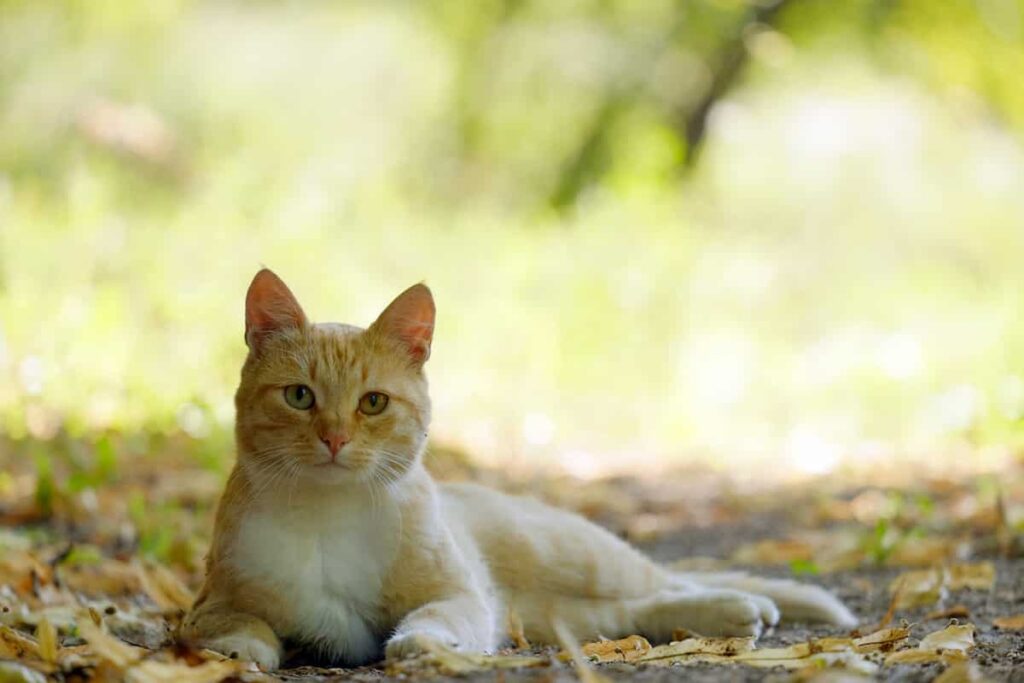
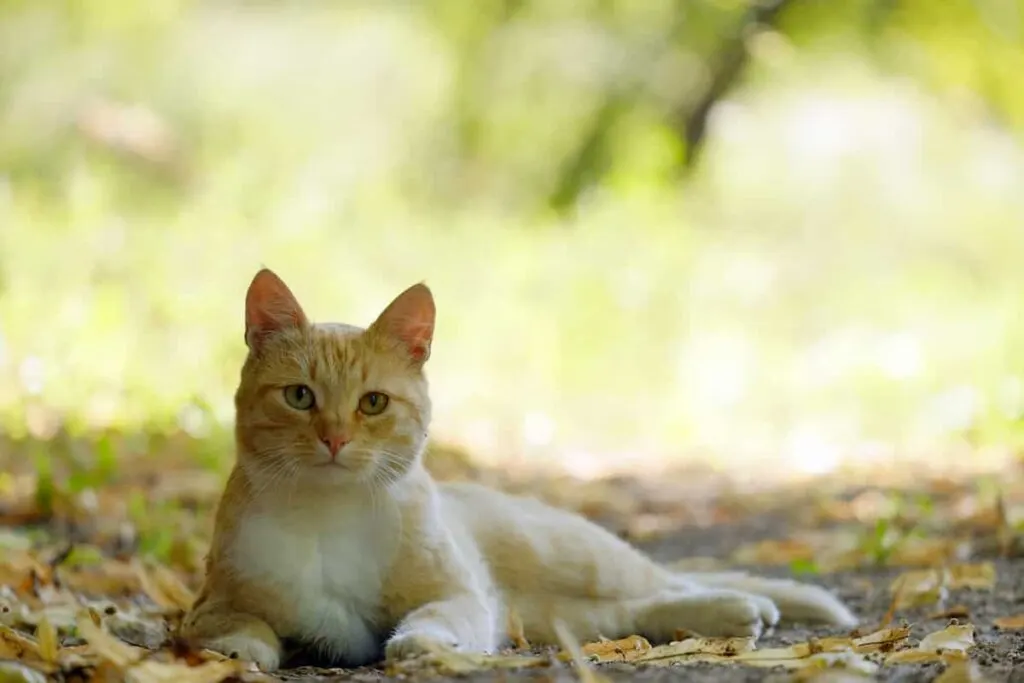
Cats are natural hunters and explorers, which is one of the main reasons they stay out all day. Domestic cats, even those well-fed, still have a strong instinct to hunt for prey. Outside, they can indulge in this instinct by stalking and pouncing on birds, rodents, and other small animals.
Hunting
When cats hunt, they combine their keen senses, stealth, and agility. They stalk their prey slowly and carefully until they are close enough to pounce. Once they have caught their prey, they often play with it before eating it or leaving it behind.
While some people may find this behavior cruel, it is important to remember that cats are natural predators and that hunting is essential to their behavior. In fact, many experts believe that allowing cats to hunt can help control local rodent populations and other pests.
Exploring
In addition to hunting, cats also love to explore their surroundings. They are curious creatures and enjoy investigating new sights, sounds, and smells. Outside, they can roam freely and explore their environment to their heart’s content.
Exploring can also be a great form of exercise for cats. They can run, jump, climb, and play, all of which help to keep them healthy and active. Furthermore, being outside can provide cats with mental stimulation, which is important for their well-being.
Socializing with Other Cats
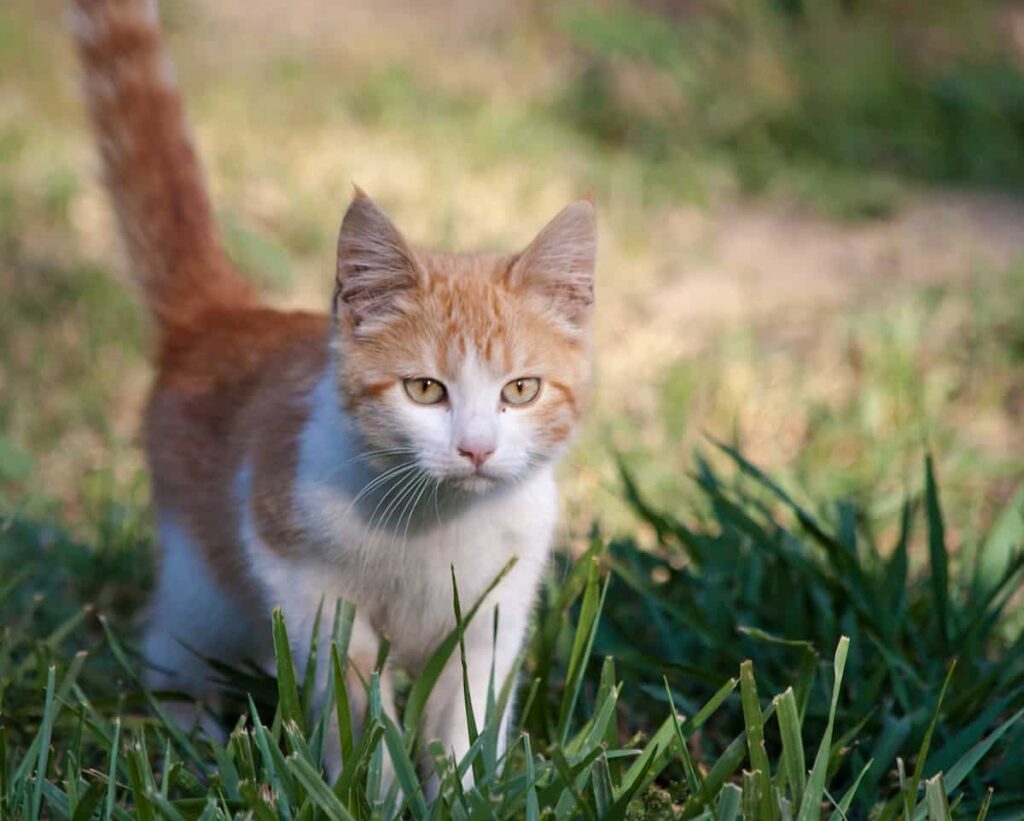
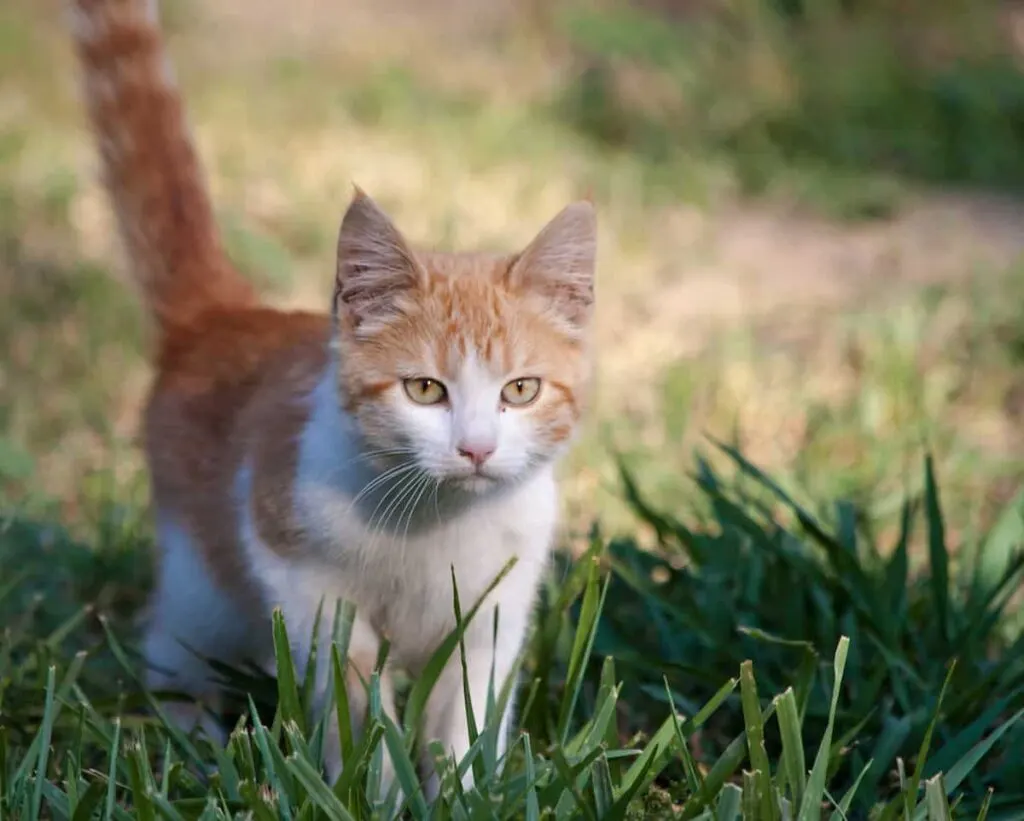
One of the main reasons why cats stay out all day is to socialize with other cats. Unlike dogs, cats are solitary animals, but they still need social interaction with other cats.
Cats are territorial animals using scent markings to establish their territory. When cats meet other cats, they sniff and rub against each other to exchange scents. This helps them to recognize each other and establish a social hierarchy.
Scent Marking
Cats use scent markings to communicate with other cats. They have scent glands on their paws, cheeks, and forehead, and they use these glands to mark their territory. When cats rub against each other, they exchange scents, which helps them to recognize each other.
They also use urine marking to mark their territory. Urine marking is more common in male cats, but female cats also do it. When a cat’s urine mark, they spray a small amount of urine on vertical surfaces such as trees, bushes, and walls.
Body Language
Cats use body language to communicate with each other. When cats meet, they approach each other cautiously and sniff each other. If they are friendly, they may rub against each other and even groom each other. They may hiss, growl, or even fight if they are not friendly. It is important to understand the body language of cats to avoid conflicts.
Benefits of Socializing
Socializing with other cats has many benefits for cats. It helps them to establish a social hierarchy, which reduces conflicts. It also provides them with mental stimulation and exercise. Cats socializing with other cats are less likely to become bored and destructive. Socializing also helps cats to develop their social skills, which is vital for their overall well-being.
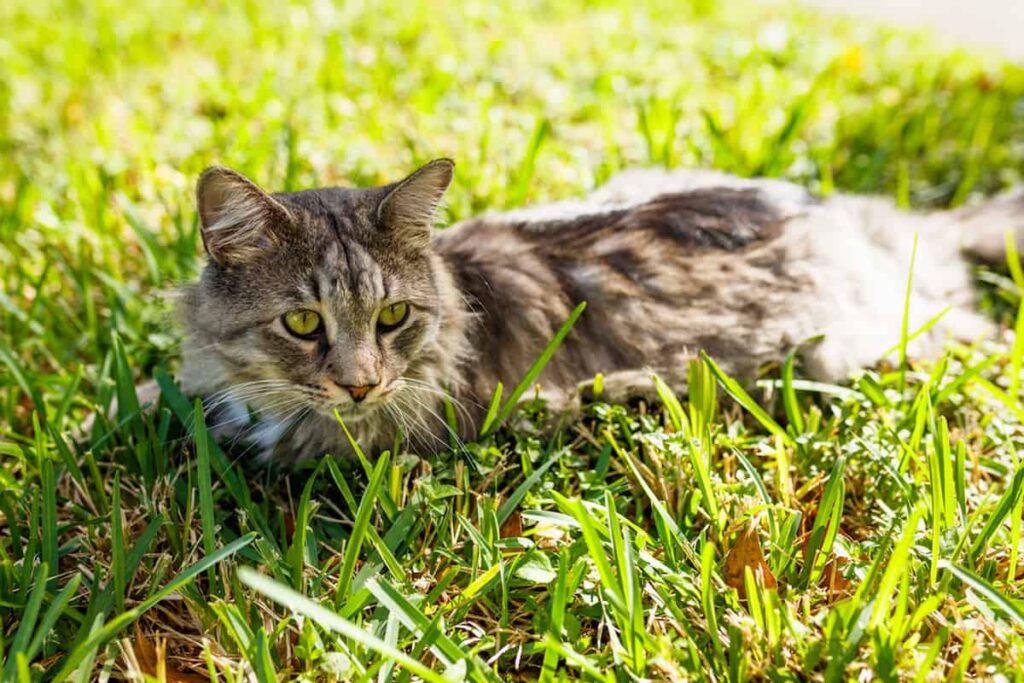
Factors That Influence Outdoor Time
Several factors can influence how much time a cat spends outdoors. These include:
Age
Younger cats tend to be more curious and adventurous, which can lead them to spend more time outdoors. Older cats, on the other hand, may prefer to spend more time napping indoors.
Personality
Just like humans, cats have their own unique personalities. Some cats are more independent and prefer to spend time outdoors, while others are more social and prefer to stay indoors with their owners.
Environment
The environment in which a cat lives can also influence how much time they spend outdoors. Cats who live in rural areas may have more opportunities to explore and hunt, while cats who live in urban areas may have less outdoor space.
Owner Habits
Finally, the habits of the cat’s owner can also influence how much time the cat spends outdoors. Owners who encourage their cats to explore and play outside may have cats who spend more time outdoors, while owners who keep their cats indoors may have cats who are more content to stay inside.
And ultimately, you have control over what your cat does. Just like our cat, he doesn’t go outside unless we let him (and we don’t). And, if you do let your cat outside, you can control how long he stays out by limiting where they go, and adjusting the time of day you allow them to go out.

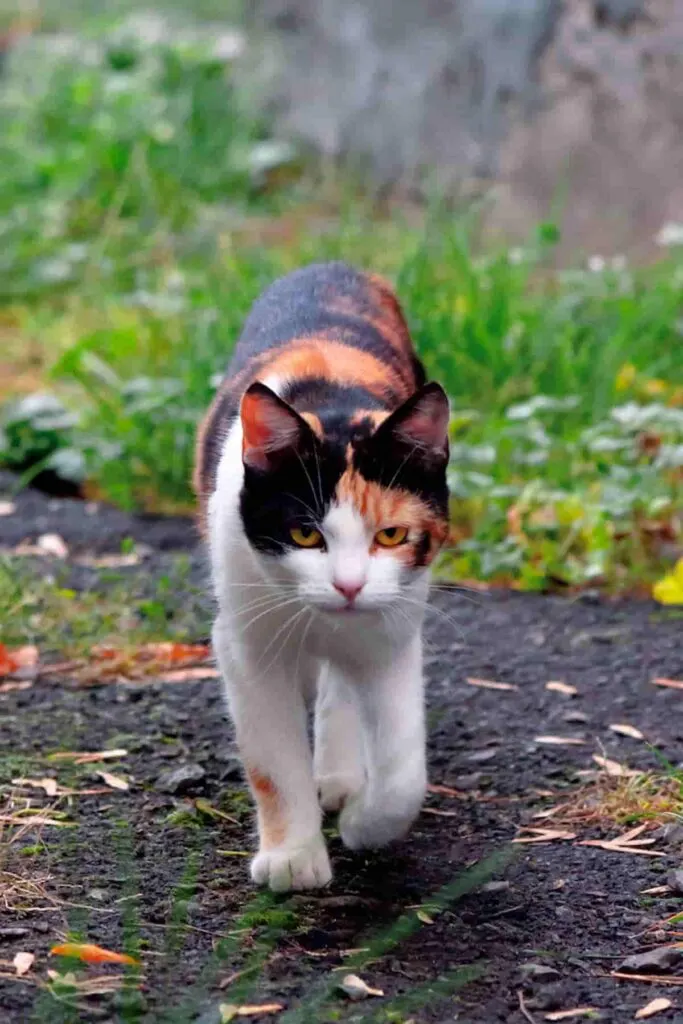
Keeping Indoor Cats Happy
Indoor cats can become bored and unhappy if they don’t have enough stimulation and activities to keep them occupied. Here are a few ways to keep indoor cats happy:
Provide Plenty of Toys
Cats love to play, and providing various toys can keep them entertained for hours. Toys that mimic prey animals, such as mice or birds, are particularly appealing to cats. Interactive toys like laser pointers or puzzle feeders can also help keep cats mentally stimulated.
Create Vertical Space
Cats love to climb and perch up high, so creating vertical space in your home can provide them with security and entertainment. Cat trees, shelves, and window perches are all great options for giving your cat a place to climb and relax.
Provide Scratching Posts
Cats need to scratch to keep their claws healthy and to mark their territory. Providing them with various scratching posts can help prevent them from scratching your furniture. Make sure the posts are tall enough for your cat to fully stretch out and sturdy enough to withstand their scratching.
Give Them Access to Sunlight
Cats love to bask in the sun, so make sure they have access to a sunny window or balcony. Keep the area safe and secure, so your cat doesn’t accidentally fall or escape.
Play with Them Regularly
Regular playtime with your cat can help strengthen your bond and keep them physically and mentally stimulated. Take time each day to play with your cat, whether with toys, a laser pointer, or just a simple game of chase.


My name is James, and welcome to FAQCats!
Along with our team of cat owners, expert pet enthusiasts, and pet professionals, we aim to write engaging helpful, engaging content about cats. At FAQCats we strive to provide content that’s accurate and fun to read. Our team writes about everything related to cats; even the most complex of topics. Through extensive research and caring for our own fur-pals, we’re able to provide something cat owners worldwide will love. Have a look around, and leave us feedback anytime!