
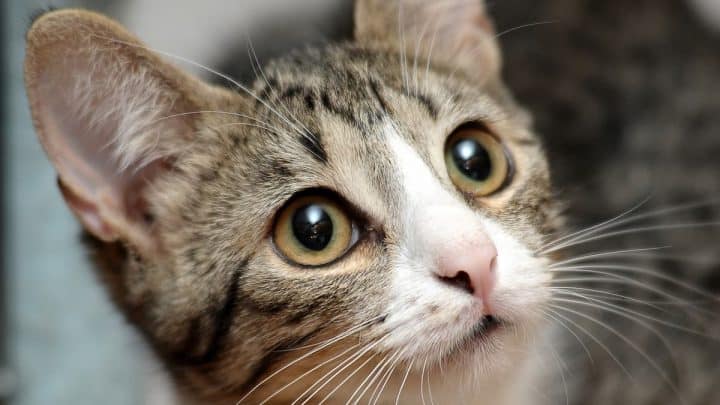

It’s normal to fret over your pets, especially one as young as a kitten. Many pet parents over-worry when a pet is simply going through a normal life process, but sometimes the concern is justified. While a kitten’s whiskers breaking is not a sign of impending doom (you’re welcome), it is legitimate to wonder: why do my kitten’s whiskers keep breaking?
Kittens’ whiskers break due to their rough-and-tumble nature. Their mothers also might bite off their whiskers in an attempt to keep them close. Cats’ whiskers may also fall out for a range of health issues.
This article will discuss what whiskers are, why your kitten’s whiskers are breaking, and whether you should cut your cat’s whiskers.


7 Reasons Your Kitten’s Whiskers Keep Breaking
To better understand why a kitten’s whiskers may fall off, we’ve identified the following reasons:
1. Your Kitten Is A Rough-Houser
While whiskers are much thicker than normal cat hair, an owner shouldn’t consider them indestructible. If a kitten is jostled about or plays with his brothers and sisters a little too vigorously, he might damage his whiskers, which would cause them to fall out.
If you notice scratches or blood, you should consider separating your kittens from each other.
2. Your Mama Cat Doesn’t Want Her Babies Straying
Before his eyes open, a kitten’s primary way of sensing the world is through his whiskers. Some experts theorize that the mother cat bites the whiskers off her kittens so they will stay closer to the safety of her body.
3. Your Kitten Is Itchy Around Those Areas
Some cats will aggressively scratch itchy areas of their body, removing skin, fur, and whiskers along the way. If your kitten’s muzzle is itchy, he will scratch until they remove his whiskers as well.
The itchiness may have been caused by a parasitic infection or an allergic reaction to something in the area. It is essential to take your kitten to the vet if you believe he suffers from parasites or allergies.
4. Your Kitten Has A Fungal Infection
Fungal infections may result in hair loss in affected areas. Infections often manifest as red bald spots. If you suspect a fungal infection is to blame for your kitten’s whisker loss, take him to the vet to get him checked out.
5. Your Kitten’s Hormones Are Imbalanced
If the balance of hormones in a kitten’s body is off, they may suffer a range of side effects, such as a changing appetite, sudden weight loss or gain, and, yes, hair loss. A vet will be able to prescribe the proper treatment for your kitten’s hormonal disorder.
6. Your kitten Isn’t Getting The Right Nutrition
A malnourished kitten may suffer whisker loss. Starvation and malnutrition should not be confused–a starving kitten (a kitten that doesn’t get enough food) will always be malnourished (a kitten that doesn’t get the right vitamins, minerals, etc.).
Still, a malnourished kitten might not always be starving. So even if your kitten has a full belly, he might not be eating properly. Dry skin and white gums are also signs of malnourishment.
7. Your Kitten Has A Gene That Leads To Weak Whiskers
Some cat breeds are born with naturally weak whiskers, most notably due to the rex gene. The rex gene results in a short, curly coat and sparse whiskers. Kittens born with the rex gene will lose their whiskers more often than kittens without the rex gene.
How Often Do Cat Whiskers Fall Out
Cat whiskers are hair, so a kitten’s whiskers will fall out regularly to be replaced with newer whiskers. Under normal conditions, a cat will lose one or two whiskers at a time.
If you start finding piles of whiskers around your house or notice prominent bald spots on your cat’s muzzle or above their eyes, that’s a sign that there’s something wrong. Your best option is to contact your vet and set up an appointment for professional advice.
Does It Hurt When A Cat Breaks a Whisker
No. While whiskers do have sensory nerves, they lack nociceptors, which are a type of nerve that’s specially designed to relay pain information to the brain. Therefore, breaking a whisker won’t be painful–but a set of broken whiskers is problematic.
Your cat relies on its whiskers to understand the world. Whiskers don’t help a cat achieve balance, but they help them navigate tight spaces and move around in the dark. Without whiskers, a cat will become disoriented and unhappy in such settings.
Should I Cut My Cat’s Broken Whisker
No. You should never cut a cat’s whiskers, broken or otherwise. Leave your cat’s whisker maintenance up to him; if the broken whiskers bother him, he’ll find a way to remove it. If you are concerned about your pet, remember that the vet is always just a phone call away!
Do Cat’s Whiskers Grow Back
Yes, cat whiskers do grow back!
Whiskers are another form of hair, and like all hair, they go through cycles of replacement–a critical stage of which includes regrowing missing whiskers. If you trimmed your cat’s whiskers without realizing why you shouldn’t, or if your cat lost a bunch of whiskers in a tussle, don’t worry. They will grow back in time.
How Long Does It Take For Kitten Whiskers To Grow Back
Assuming your cat has lost all its whiskers, it will usually take two to three months for him to regain his former whiskery glory. Be patient and make sure your cat is getting the proper nutrition in the meantime. A healthy cat will grow back his whiskers, whereas an unhealthy cat won’t.
Things To Consider
Whiskers are critical sensory organs to cats and kittens alike. They are especially useful in tight places and in the dark, where they act almost as outstretched hands feeling around the environment.
They also can be used to tell your cat’s mood! As a general rule of thumb, when your cat’s whiskers are held slackly, on either side of his face, or forward, that’s good! Your cat is relaxed, engaged, and happy. If your cat pulls his whiskers back, that isn’t good. He may feel fearful or aggressive.
In essence, they are thick, hair-like structures rooted in muscle, which allows a cat to swivel them in the direction of an interesting stimulus. They contain sensory nerves but no pain receptors–so if you notice that your cat has a broken whisker, don’t worry! It doesn’t hurt your cat.
It’s natural for whiskers to break. Cats shed old whiskers, and new ones grow in to replace them. Roughhousing kittens lose whiskers at a greater rate than adult cats since they’re often playing with their brothers and siblings.
It’s not something to be worried about unless you notice that the play fighting results in blood or visible wounds, in which case you should separate the fighting cats.
While whisker loss is normal, you should never trim your cat’s whiskers. Cats can take care of their whisker maintenance. Cutting the whiskers off your cat will disorient them and may even make them afraid of their surroundings.
There are some things to keep an eye out for when it comes to breaking whiskers, though. If your cat is losing many whiskers at once (more than one or two) or is also losing fur or scratches excessively, he may be suffering from a range of infections or even allergies. It’s essential to take your cat to the vet if you suspect he is ill.


My name is James, and welcome to FAQCats!
Along with our team of cat owners, expert pet enthusiasts, and pet professionals, we aim to write engaging helpful, engaging content about cats. At FAQCats we strive to provide content that’s accurate and fun to read. Our team writes about everything related to cats; even the most complex of topics. Through extensive research and caring for our own fur-pals, we’re able to provide something cat owners worldwide will love. Have a look around, and leave us feedback anytime!