

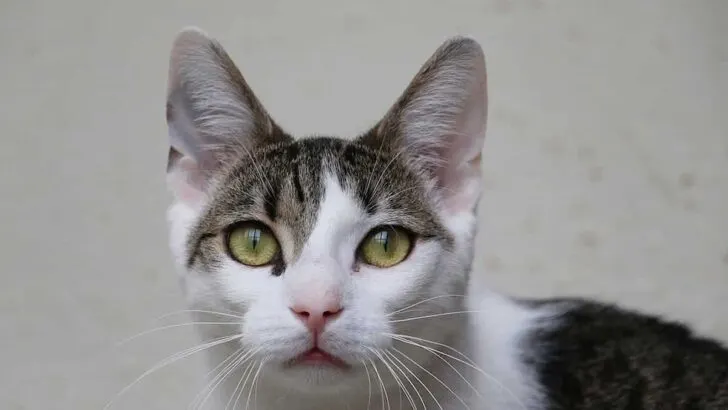
Despite their popularity, cats sometimes exhibit strange behaviors that can leave their owners puzzled. One such behavior is their aversion to fast breathing. Have you ever noticed that your cat becomes agitated or uncomfortable when you breathe fast? This is common among cat owners, and many are left wondering why their feline friends react this way.
One theory suggests that cats may be able to sense changes in their owner’s breathing patterns, and they may interpret fast breathing as a sign of danger or stress. They may also be reacting to the smell of their owner’s breath, which can change when they breathe rapidly.
Whatever the reason, it is clear that cats have a unique sensitivity to their owner’s breathing patterns, which can significantly impact their behavior and well-being.
How Cats Sense Breathing
Cats have a highly developed sense of smell, which they use to navigate their environment, locate prey, and communicate with other cats. This sense of smell is also how cats detect changes in breathing patterns.
When a person breathes quickly, their body releases more carbon dioxide, which a cat’s sensitive nose can detect. This change in scent can signal to a cat that something is wrong or its owner is anxious or agitated.
Cats are also very attuned to changes in body language and behavior. A person breathing quickly may also move more quickly or erratically, which can be perceived as threatening or alarming to a cat.
How Cats React to Fast Breathing
When a cat senses that their owner is breathing quickly, it may become agitated or reactive. This can manifest in several ways, including hiding, hissing, or swatting at their owner. Some cats may also vocalize or become more clingy or needy in response to their owner’s breathing patterns.
Our cat Harley gets dilated pupils if we start breathing hard at him. His hair stands up, and he immediately becomes tense. We’re not sure if it’s the sound of the breathing that sounds aggressive to him or the fact that he can feel the energy. Once we slow down our breathing, he, too, becomes calm again.
I say this to make the point that, It’s important for cat owners to be aware of their breathing patterns and to try to remain calm and relaxed around their pets. Like humans, they can sense things. If a cat becomes agitated or reactive, it’s best to give them space and allow them to calm down on its own.

Training Cats to Accept Fast Breathing
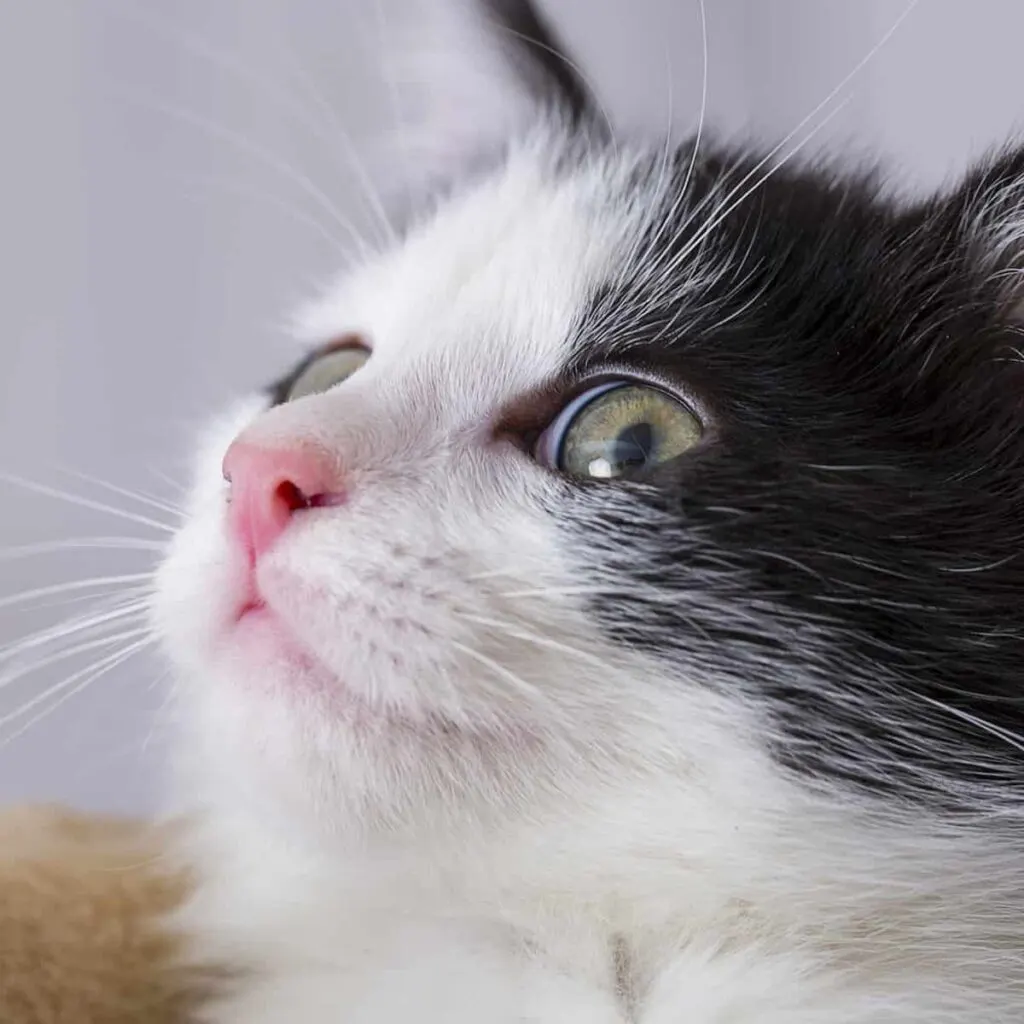
While some cats may always be reactive to fast breathing, it is possible to train them to become more comfortable with this type of behavior. This can be done through positive reinforcement training, which involves rewarding a cat for calm and relaxed behavior in the presence of fast breathing.
Owners can also try desensitizing their cats to fast breathing by gradually exposing them to this behavior in a controlled and safe environment. This may involve playing recordings of fast breathing sounds or practicing deep breathing exercises around the cat.
With patience and consistency, it is possible to help a cat become more comfortable and accepting of fast breathing patterns.
You may wonder why doing this is important, and there’s a logical reason for it. Say you do activities around the home such as exercise or something strenuous. Naturally, you’ll have rapid breathing as you wind down or do the activity itself.
Cats and Stress Response
Just like humans, cats also experience stress. Stress can be caused by various factors, such as changes in their environment, loud noises, or even a visit to the vet. When a cat is stressed, its body goes into a fight-or-flight response. This response is triggered by releasing hormones such as adrenaline and cortisol.
Physical Reactions to Stress
When a cat experiences stress, it can display physical reactions such as dilated pupils, increased heart rate, and rapid breathing. The cat may also flatten its ears against its head, and its body may become tense. These physical reactions are all part of the cat’s natural stress response.
Why Cats Don’t Like Fast Breathing
When a cat is stressed, it may become more sensitive to its surroundings. This sensitivity can cause the cat to react negatively to things it usually tolerates.
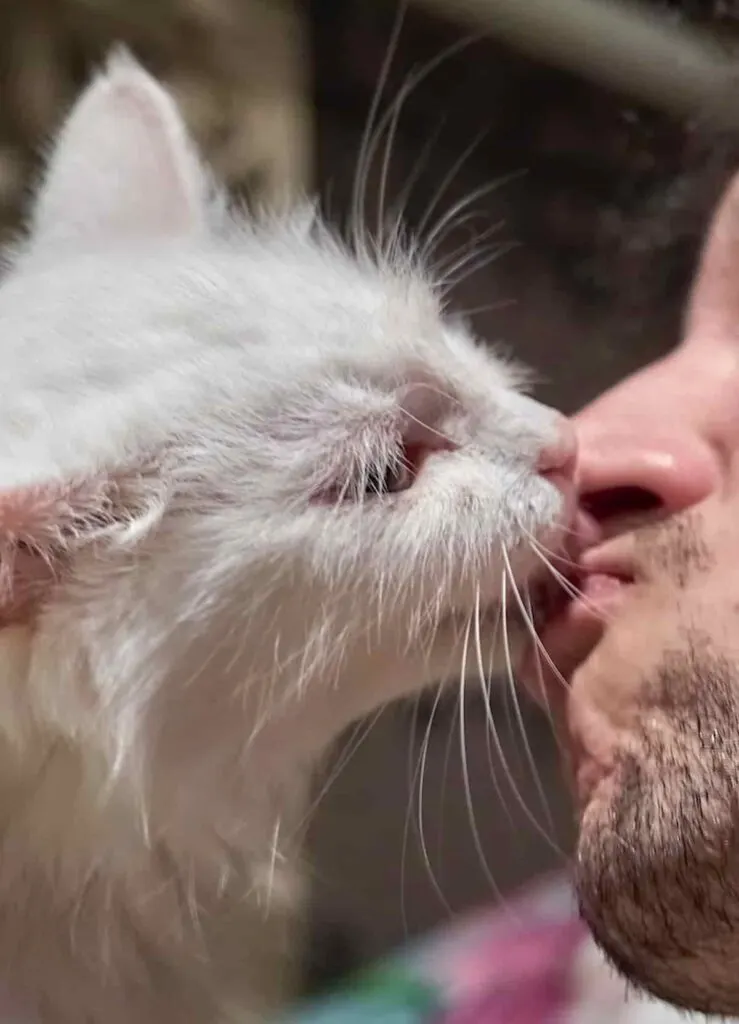
One of these things is fast breathing. When a human breathes quickly, it can create a noise that a cat may find alarming. This noise can cause the cat to become stressed and anxious.

How to Help a Stressed Cat
If you notice that your cat is displaying signs of stress, there are things that you can do to help. One of the best things you can do is to provide a safe and comfortable environment for your cat. This can include a cozy bed, toys to play with, and a quiet space where the cat can retreat if it feels overwhelmed.
You can also reduce the stressors in your cat’s environment. For example, if your cat is afraid of loud noises, you can try to keep the house quiet when the cat is most likely stressed. Additionally, you can establish a routine for your cat to help it feel more secure and comfortable in its surroundings.
The Connection Between Breathing and Stress in Cats
Cats are susceptible animals and are known to react to their environment in various ways. One of the things that can trigger stress in cats is rapid breathing.
It is not uncommon for cats to become agitated or anxious when their owners breathe quickly or heavily around them. This section will explore the connection between breathing and stress in cats and why owners must be mindful of breathing around their feline companions.
How Breathing Affects Cats
Cats are highly attuned to their surroundings and can pick up on subtle environmental changes. When a cat senses that their owner is breathing rapidly, it may interpret this as a sign of danger or stress.
This can trigger their fight-or-flight response, causing them to become agitated or anxious. In some cases, rapid breathing may even cause a cat to lash out or become aggressive toward their owner.
The Role of Stress in Cats
Stress can have a significant impact on a cat’s health and well-being. Chronic stress can lead to various health problems, including digestive, skin, and behavioral issues.
Owners need to be mindful of their cat’s stress levels and take steps to reduce stress whenever possible. Breathing slowly and calmly around a cat can help to create a calm and relaxed environment, which can help to reduce stress and anxiety.
My name is James, and welcome to FAQCats!
Along with our team of cat owners, expert pet enthusiasts, and pet professionals, we aim to write engaging helpful, engaging content about cats. At FAQCats we strive to provide content that’s accurate and fun to read. Our team writes about everything related to cats; even the most complex of topics. Through extensive research and caring for our own fur-pals, we’re able to provide something cat owners worldwide will love. Have a look around, and leave us feedback anytime!