

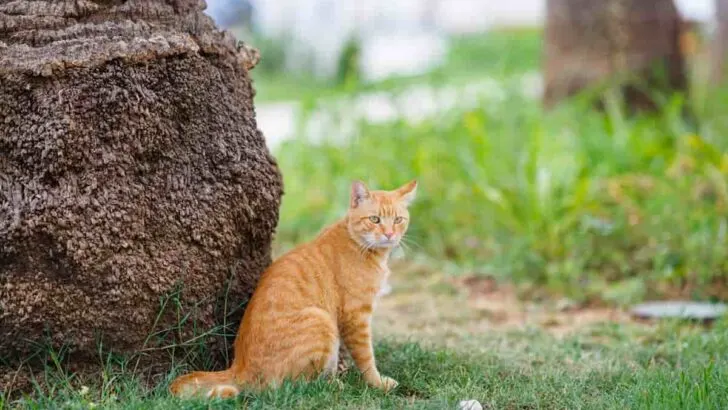
Cats are known for their curious nature and tendency to nibble on plants. Many cat owners have experienced the frustration of finding their beloved feline munching on a houseplant. One plant that is particularly attractive to cats is the palm tree. So, why do cats eat palm trees?
Cats may eat palm trees simply because they are bored or because they enjoy the texture of the leaves. However, it is essential to note that palm trees are not toxic to cats, so there is no need to panic if you catch your cat snacking on one.
While it may be frustrating to see your cat nibbling on your houseplants, it is important to remember that this behavior is natural for felines. However, if you are concerned about your cat’s plant-eating habits, consulting with a veterinarian is always a good idea.
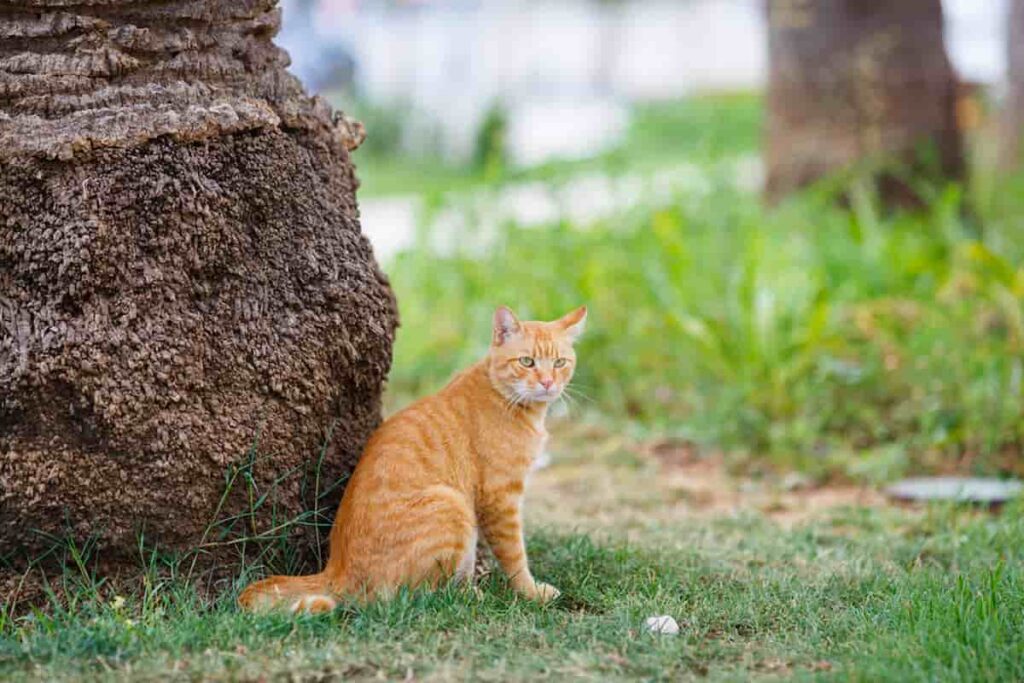
The Attraction of Palm Trees
Cats are naturally curious animals and enjoy exploring their environment. Palm trees, with their tall, slender trunks and lush fronds, can be particularly alluring to cats.
The movement of the leaves in the wind and the rustling sound they make can be fascinating to felines, who are instinctively drawn to movement and sound.
In addition, many palm trees have a pleasant scent that can appeal to cats. This scent can be especially attractive to cats accustomed to living indoors and may not have access to the variety of scents they would encounter in the wild.
Some cats may be attracted to palm trees because they provide an excellent place to scratch. The rough texture of the trunk and fronds can satisfy cats who enjoy scratching and help keep their claws healthy and sharp.
Most palms that are commercially available as houseplants are non-toxic to pets. However, the Sago Palm is an exception and toxic to cats and dogs. It is important to ensure that palm trees in your home are safe for your pets.
While cats may enjoy exploring palm trees, monitoring their behavior around these plants is crucial to ensure their safety. Cats ingest palm tree parts, especially the Sago Palm, can experience severe health issues that require immediate veterinary care attention.
The Nutritional Value of Palm Trees
Palm trees do not provide any nutritional value for cats that they cannot get from their daily diet. Cats are obligate carnivores, meaning they require a diet high in protein and low in carbohydrates. Palm trees are low in protein and do not contain any essential nutrients that cats need to survive.
While some cats may be attracted to the taste or texture of palm leaves, it is important to discourage them from eating them. The leaves of other palms are not poisonous for cats, but they do not contain any nutritional value either. Eating palm leaves can also cause digestive problems, such as vomiting and diarrhea.
Therefore, providing cats with a well-balanced diet that meets all their nutritional needs is important.
A diet high in protein and low in carbohydrates is essential for their health and well-being. If you are unsure about what to feed your cat, it is best to consult a veterinarian who can provide expert advice and guidance.

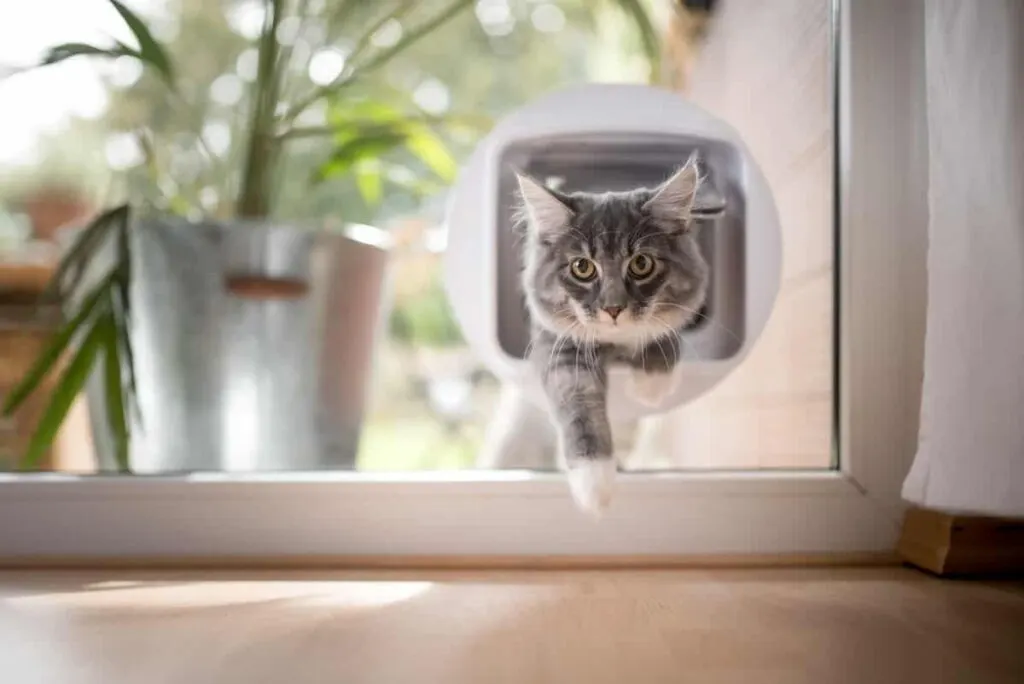
The Dangers of Eating Palm Trees
Cats are known to be curious creatures; sometimes, their curiosity can lead them to eat things they shouldn’t. Palm trees, for instance, may seem like a harmless snack, but they can be quite dangerous for cats to ingest.
While most palm plants are safe for cats, a few exceptions, such as the Sago Palm, are highly toxic to cats. Ingesting any part of the Sago Palm can cause severe liver failure and even death in cats.
Even non-toxic palms can still pose a danger to cats.
The fibrous texture of palm leaves can cause intestinal blockages, leading to vomiting, diarrhea, and abdominal pain. Additionally, the sharp edges of palm fronds can cause cuts or tears in a cat’s mouth or digestive tract.
If a cat exhibits symptoms such as vomiting, diarrhea, lethargy, or loss of appetite after ingesting a palm tree, it is important to seek veterinary care immediately. In severe cases, surgery may be necessary to remove the plant material from the cat’s digestive system.
As a responsible cat owner, keeping potentially harmful plants out of your cat’s reach is essential. If you have palm trees in your home or yard, make sure they are placed in inaccessible areas to your feline friends.
How to Prevent Cats from Eating Palm Trees
While it’s common for cats to nibble on plants, keeping them away from palm trees is essential to prevent potential health issues. Here are a few tips to help prevent cats from eating palm trees:
- Place the palm tree in a difficult location for your cat to access. For example, consider placing it on a high shelf or in a room your cat doesn’t frequent.
- Use a cat deterrent spray on the palm tree. These sprays are formulated to repel cats and can be found at most pet stores.
- Provide your cat with plenty of cat-friendly plants to chew on. This can help redirect their attention away from the palm tree.
- Consider using a physical barrier, such as chicken wire or netting, around the base of the palm tree to prevent your cat from reaching it.
- Train your cat to avoid the palm tree by using positive reinforcement. Reward your cat with treats or praise when they stay away from the palm tree.
Things To Consider
Most palm trees are considered safe for cats, and there is no need to worry unless the cat ingests a toxic part of the plant. Researching the specific type of palm tree and consulting with a veterinarian if there are any concerns is recommended.
Furthermore, providing cats with a balanced and nutritious diet is important to prevent them from seeking alternative food sources. Plant eating is a normal behavior in cats and may reflect an innate predisposition inherited from their wild ancestors. However, if the behavior becomes excessive or if the cat shows signs of illness, it is important to seek veterinary care.


My name is James, and welcome to FAQCats!
Along with our team of cat owners, expert pet enthusiasts, and pet professionals, we aim to write engaging helpful, engaging content about cats. At FAQCats we strive to provide content that’s accurate and fun to read. Our team writes about everything related to cats; even the most complex of topics. Through extensive research and caring for our own fur-pals, we’re able to provide something cat owners worldwide will love. Have a look around, and leave us feedback anytime!