

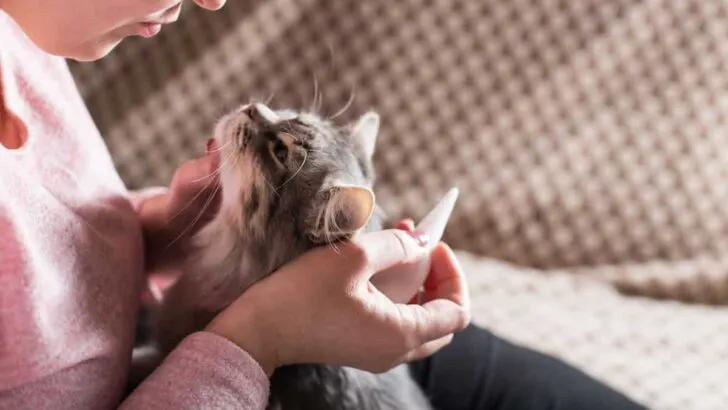
Have you ever wondered why one of your cats seems to have more fleas than the other? This intriguing situation can occur for various reasons, and understanding the cause can help you effectively tackle the problem.
One cat may have more fleas than the other when exposed to different environments, have different grooming habits, or possess different levels of flea resistance.
Let’s explore these factors and learn how to create a flea-free environment for your feline friends.

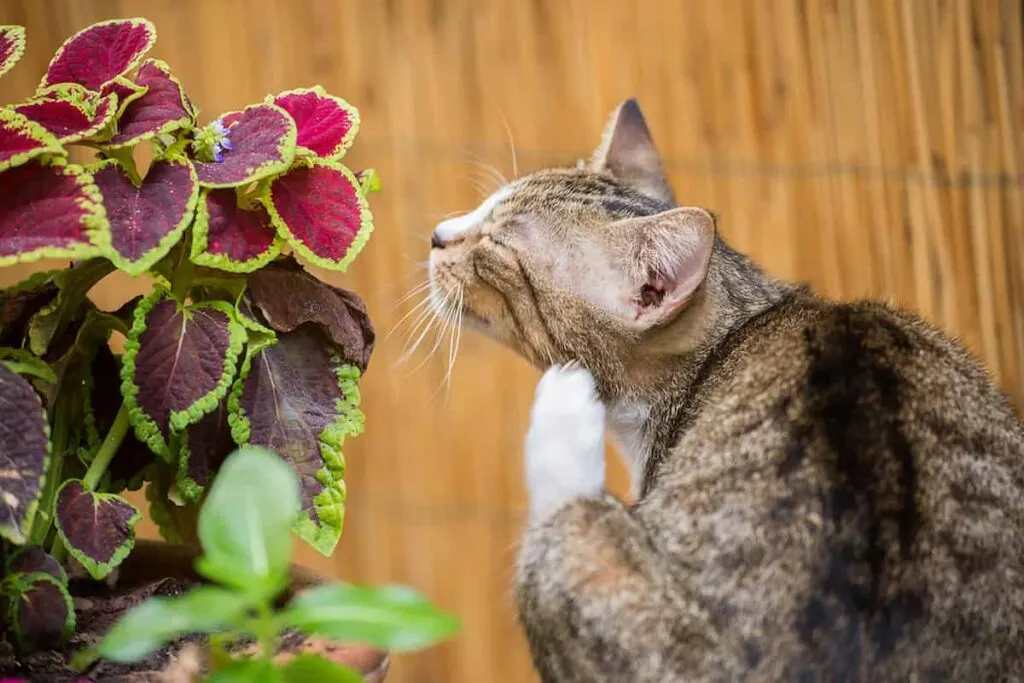
Is It Normal For Some Cats To Not Get Fleas?
As a cat owner, you might wonder why one of your cats seems to have more fleas than the other. The truth is that fleas can be more attracted to particular cats due to various factors, such as their grooming habits and skin conditions.
Some cats are more diligent groomers, effectively removing fleas by grooming themselves. This is one reason you might find fewer fleas on one cat than another. It’s essential to conduct regular flea inspections to ensure the well-being of both cats because fleas can still infest other animals and humans in the household.
Another factor could be related to skin conditions or sensitivities. Cats with an allergy to flea bites may experience more severe reactions, even after being bitten by just one flea. This can cause excessive grooming or scratching, creating a less desirable environment for fleas to inhabit.
The prevalence of fleas in your area might play a role in the number of fleas your cats encounter.
Factors Influencing Flea Infestations
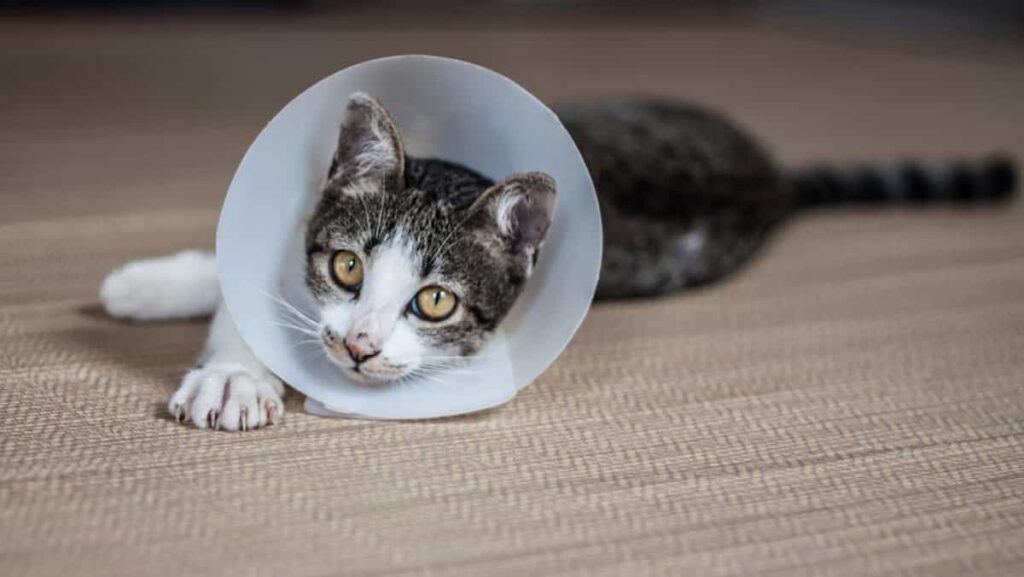
There are several factors that influence whether your cat gets fleas or not, and the severity of that infestation.
Cat Behavior and Grooming Habits
One of the reasons why one of your cats might have more fleas than the other is due to their behavior and grooming habits. Cats that groom themselves more effectively are generally better at removing fleas from their fur.
As a result, a cat that grooms more thoroughly may have fewer fleas than a less diligent groomer. You should inspect each cat in your household as one may be a better groomer than the others.
Environmental Factors
Different environmental factors can also contribute to variations in flea infestations among cats. Warm and humid environments provide the perfect breeding ground for fleas, so one cat may spend more time in such areas, resulting in a higher flea count.
Additionally, fleas often lay eggs in places like carpets and bedding, so cleaning these areas regularly is essential to minimize flea populations.
Fleas Jumping From One Cat To Another
Fleas can also jump from one cat to another, leading to an uneven distribution of fleas among your cats. If one cat spends more time outdoors or with other flea-infested animals, it might be more likely to bring fleas back into the household and pass them on to your other cat.
It’s crucial to treat all your cats for fleas, even if just one seems to be infested, to prevent the spread of these parasites.
Health and Immune System
Individual cats’ health and immune system can also influence flea infestations’ severity. Some cats may have weaker immune systems due to age, illness, or other factors, making them more susceptible to fleas and other parasites.
Additionally, flea infestations can lead to more severe health issues like anemia, particularly in small cats or kittens. A cat with a weaker immune system may show more symptoms and have a harder time overcoming a flea infestation than a healthier cat.
Preventing and Treating Flea Infestations
When it comes to dealing with fleas, prevention and treatment, go hand in hand. By incorporating a comprehensive approach, you can ensure that your cat stays flea-free and comfortable. In this section, we’ll discuss flea treatments for cats, environmental control, and maintaining your cat’s health.
Flea Treatments for Cats
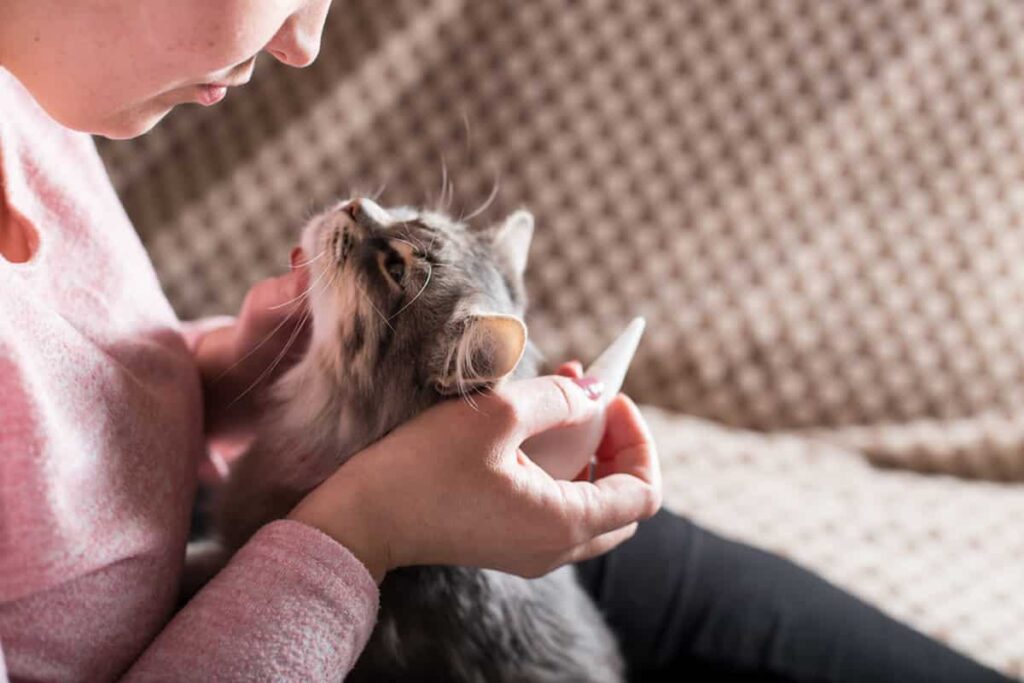
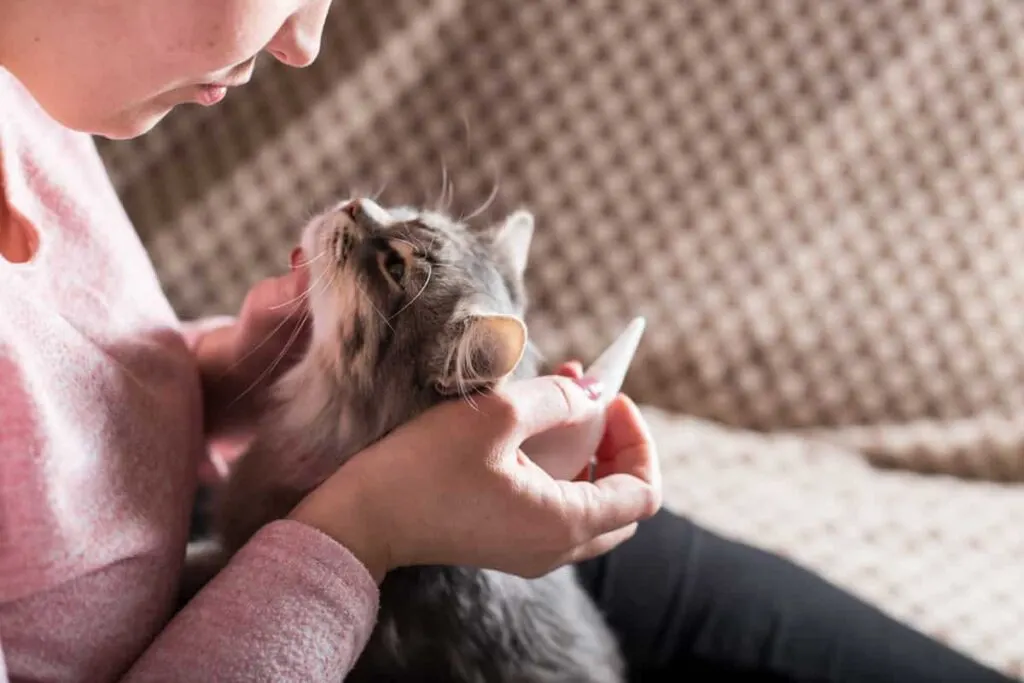
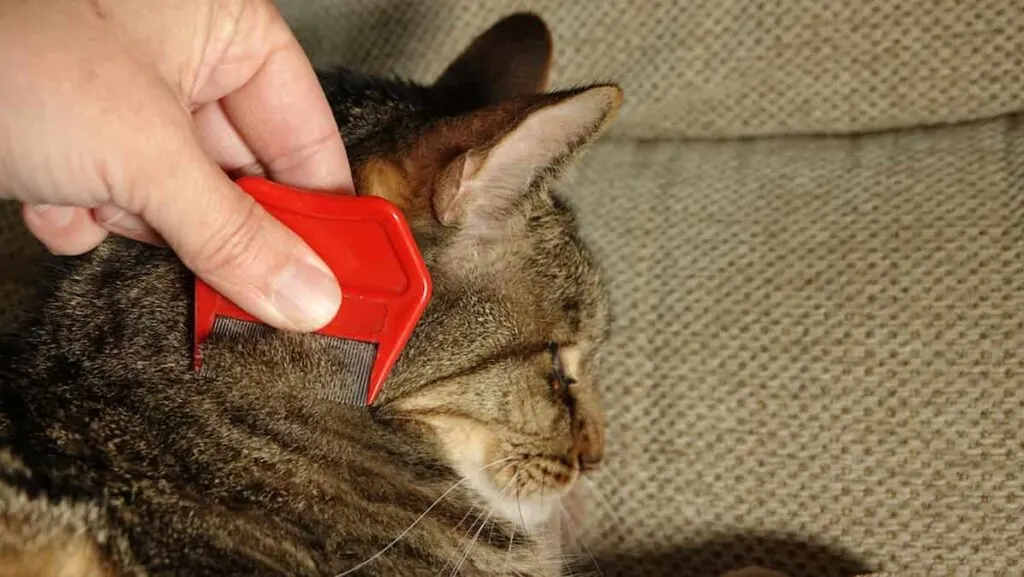
Treating every pet in your household is critical to effectively getting rid of fleas. Begin by giving your cat a thorough bath with soap and water, and then carefully comb through their fur using a flea comb. Target the face, neck, and area in front of the tail, as these are flea hotspots.
Various flea treatments, such as spot-on treatments, oral medications, and flea collars, are available. Consult your veterinarian to determine the best option for your cat. Make sure to closely follow the instructions to maximize efficacy and avoid potential side effects.
Environmental Control
Effectively controlling fleas involves addressing the source: your home environment. Regularly vacuum your carpets, upholstery, and pet bedding to get rid of flea eggs, larvae, and adults. Make sure to dispose of vacuum bags properly to avoid re-infestation.
Consider using flea sprays or foggers in your home; always check with your veterinarian to ensure the chosen product is safe for your pets. In severe cases, you might need to hire a professional exterminator for a thorough treatment.
Maintaining Your Cat’s Health
A healthy, well-groomed cat is less prone to flea infestations. Make a habit of grooming your cat daily, helping to remove any potential flea eggs or dirt. This will help keep your cat clean and strengthen the bond between the two of you.
Ensure your cat receives a balanced diet and regular veterinary check-ups. Preventative care is crucial in maintaining your cat’s overall health and keeping them less susceptible to flea infestations.
In conclusion, preventing and treating flea infestations requires targeting the fleas on your cat, addressing your home environment, and maintaining your cat’s overall health. You can keep your cat comfortable and flea-free by staying vigilant and proactive.

Mistakes To Avoid With Flea Treatments
Here are a few things to avoid when using flea treatments:
Using the wrong products
One common mistake is using inappropriate ingredients in flea treatments. For instance, pennyroyal oil should be strictly avoided, as it can cause cat seizures or death.
It’s also crucial to use flea products containing essential oils like tea tree oil, cinnamon, clove oil, eucalyptus, bay, and citrus sparingly, as they can cause allergic reactions in humans and seizures in cats and dogs.
Using low quality, cheap flea products
Avoid using low-quality flea treatments, as they can cause dangerous side effects. I speak from experience, as we once got our cat a flea collar, which literally left burn marks on his neck. This was something we picked up at the local grocery store. It was cheap and caused our cat more harm than good.
Instead, you should invest well in flea treatments and get drops directly from the vet. When we took our cat to the vet, he applied a few drops to his back and then sent us home with the rest of the prescription. In about 2 to 3 days, all the fleas were gone, and our cat hasn’t had a single flea problem in over 4 years.
Getting off the treatment schedule
When applying the treatment, be aware that some cats may dislike the strong smell or feel skin irritation. Try to soothe them and follow the recommended post-application guidelines in such cases. Furthermore, remember to maintain a regular flea treatment schedule for all of your cats to keep fleas at bay, as it will be easier to manage and prevent infestations.


My name is James, and welcome to FAQCats!
Along with our team of cat owners, expert pet enthusiasts, and pet professionals, we aim to write engaging helpful, engaging content about cats. At FAQCats we strive to provide content that’s accurate and fun to read. Our team writes about everything related to cats; even the most complex of topics. Through extensive research and caring for our own fur-pals, we’re able to provide something cat owners worldwide will love. Have a look around, and leave us feedback anytime!