

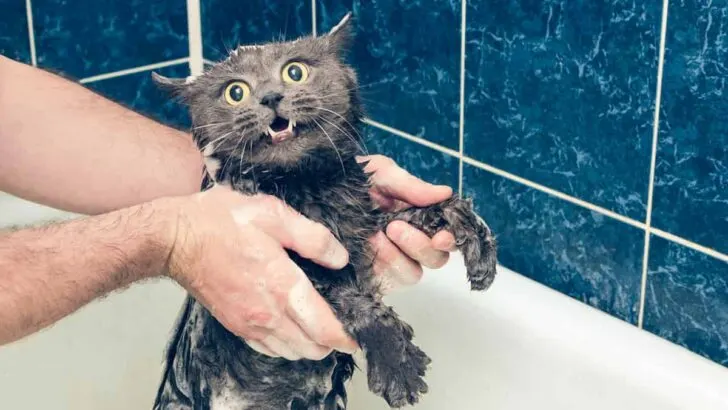
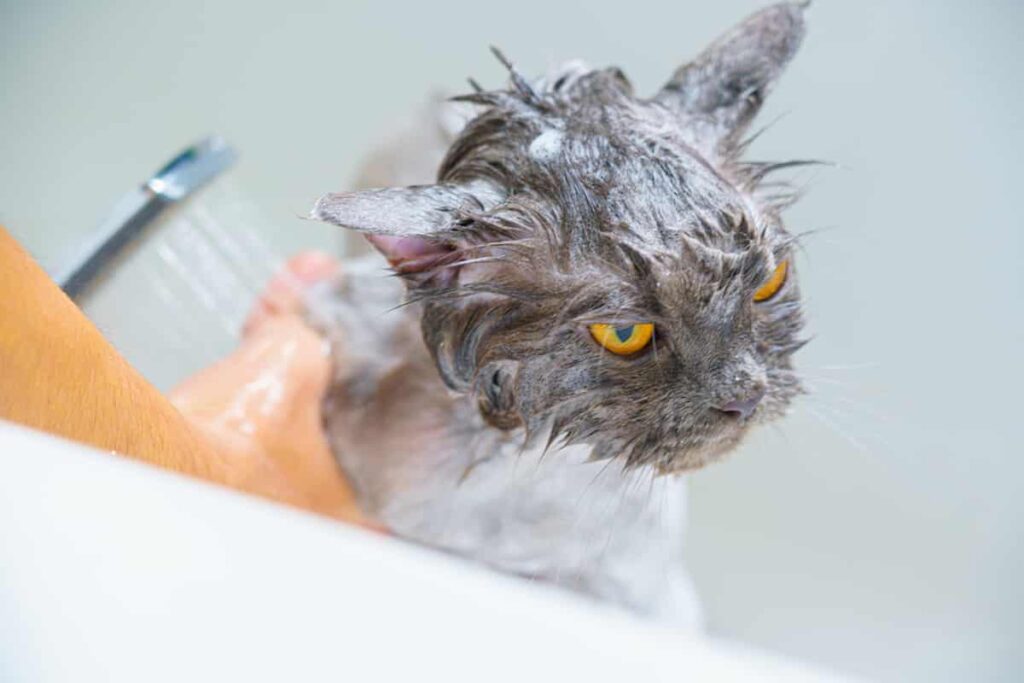
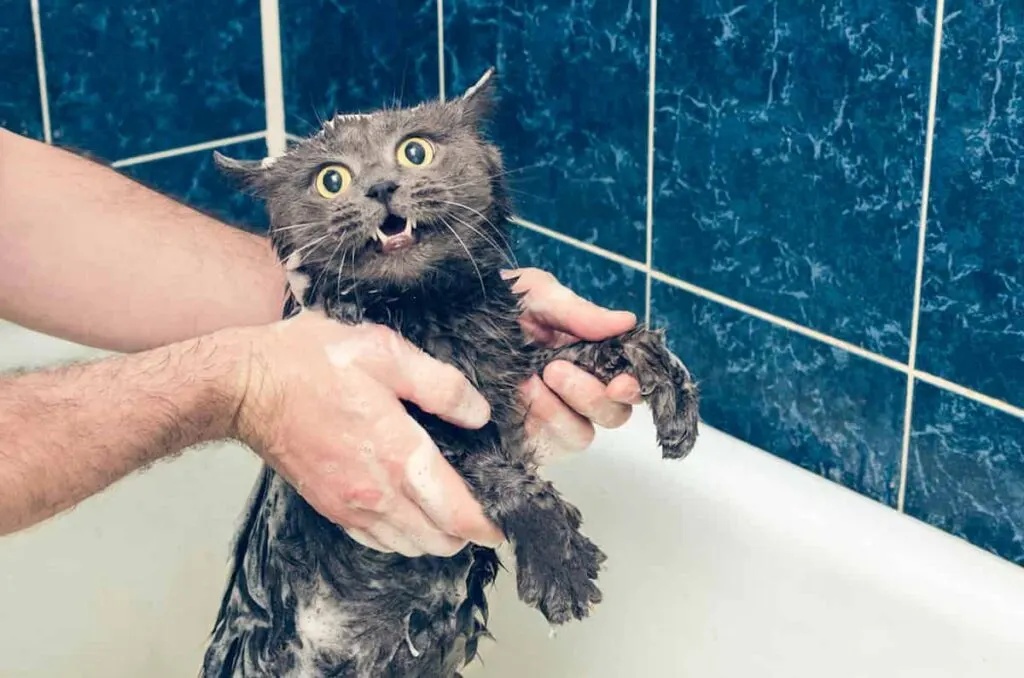
Have you ever wondered why cats cry when you give them a bath? This seemingly normal task can lead to distressing reactions from our feline friends, making it a puzzling issue for pet owners. Cats are known for their self-grooming habits, and bathing them is usually unnecessary unless they are dirty or have a medical condition.
The primary reason cats cry during baths is fear and discomfort. Water can damage their fur’s protective oils, and the cat may feel cold while their fur takes time to dry, which can threaten their well-being. Additionally, many cats are not accustomed to being bathed, so the experience can be traumatic, causing them to lash out or become anxious.
n this article, we will explore the reasons behind this behavior and what you can do to make the experience more manageable for your cat.
Understanding A Cats Dislike For Water
There are several reasons why most cats may not enjoy getting a bath. Let’s delve into some specific factors that contribute to this feline aversion:
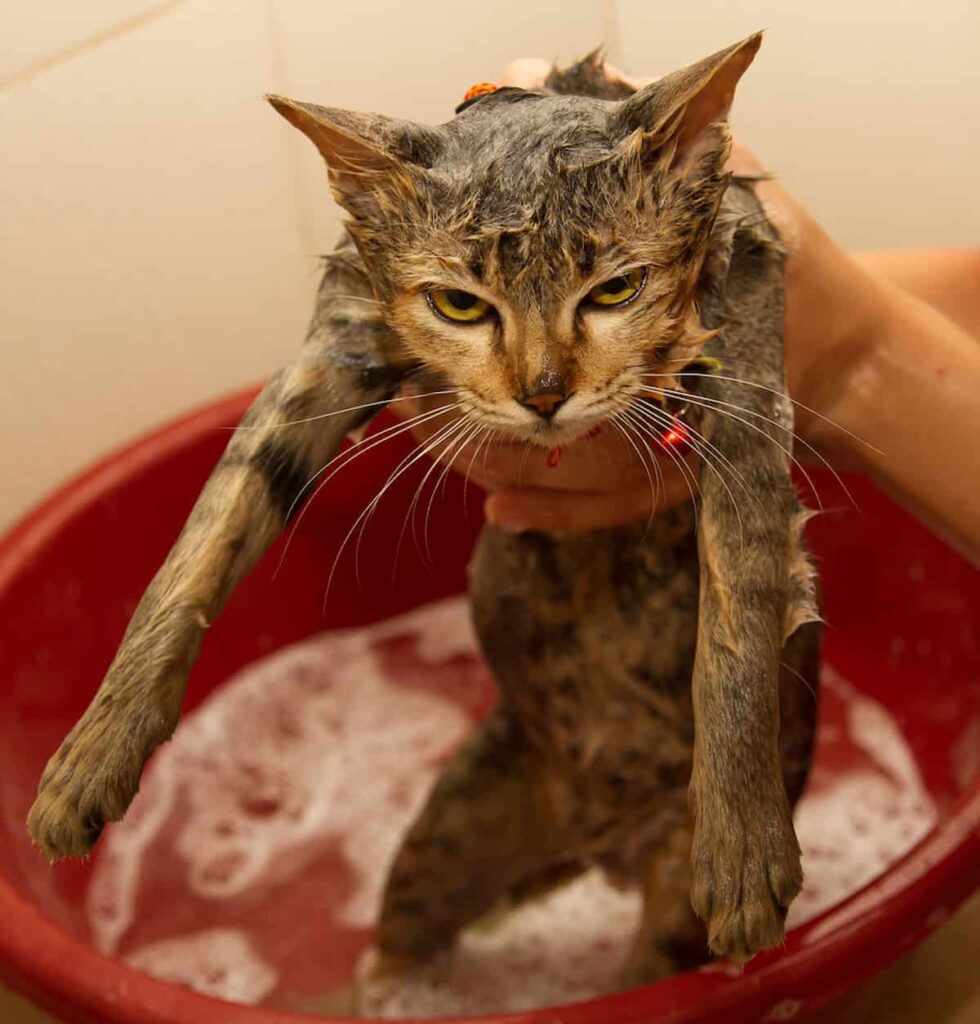
Disliking The Weight Of Wet Fur
When a cat’s fur gets wet, it becomes heavy and uncomfortable. This sensation can be quite bothersome for most cats, leading them to resist water exposure. Anytime our cat got wet he would walk oddly, as if he couldn’t carry all of that extra weight his fur received from the bath.
And, it makes sense. Their coats are typically designed to provide insulation and protection, so when that natural barrier is compromised by water, they may feel exposed and uneasy.
It’s important to dry your cat as quickly as they can, preferably with a towel so they aren’t startled by heated air dryers. That way, they can get back to feeling normal.
Feeling Vulnerable
Cats are natural predators and are always on the lookout for potential threats.
When in water, they may feel vulnerable and defenseless because their mobility and agility are hampered, making it harder for them to escape if necessary. The fear of being unable to protect themselves can cause cats to become anxious and distressed during a bath.
I noticed my cat would gaze around the tub, even though I was right there. I make sure to talk to him softly through the duration of the bath, and of course, have a few treat nearby.

Loss Of Personal Scent
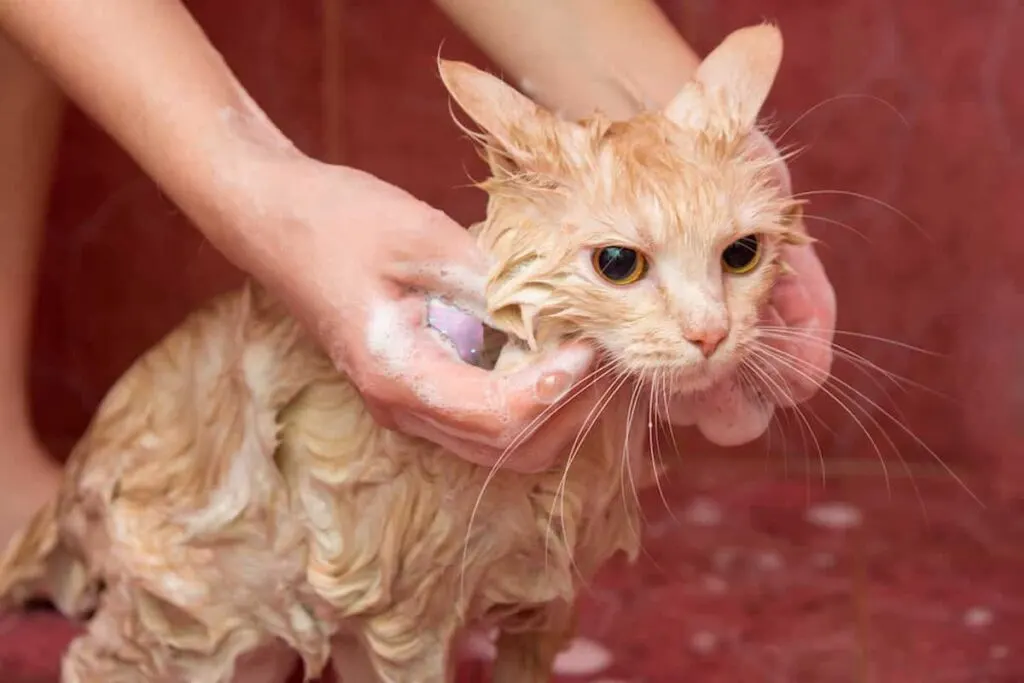
Cats have a strong sense of smell and rely heavily on scent to identify their surroundings and communicate with other felines. When their coat gets wet, it may wash away their personal scent, causing them to feel disoriented and stressed.
Cats have an extraordinary sense of smell, so the strong scents associated with shampoos and conditioners can also contribute to their aversion to water and baths.
Sensitivity to Water Temperature
Another factor that may lead to cats disliking water is sensitivity to temperature. What may be warm to you might feel incredibly hot to them. Likewise, if they are pretty thin with the fur on their skin, they could feel too cold as well.
Cats have a lower tolerance for temperature changes than humans do, so they might feel very uncomfortable if the water temperature is too high or too low. In addition, as many cats evolved from desert-dwelling creatures, they are not accustomed to being exposed to large amounts of water, making this sensation foreign and unwelcome.
Reasons Cats Cry During Baths
Cats cry during baths for two primary reasons:
Anxiety and Fear
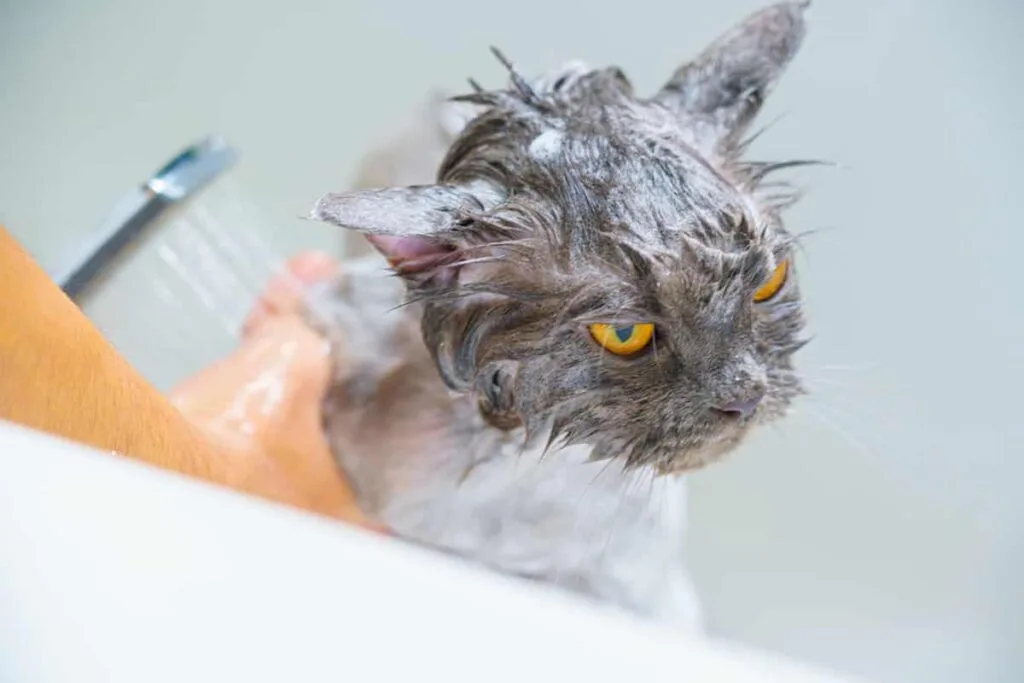
One of the primary reasons cats cry during baths is their natural anxiety and fear of water. Most cats, unlike other pets like dogs, are not used to being submerged in water or exposed to running water.
This sudden and often unwanted exposure can cause them to feel stressed and fearful, leading to verbal expressions of discomfort, such as crying or meowing loudly.
This anxiety might be attributed to their evolutionary background, where cats in the wild were more likely to avoid water sources to protect themselves from predators. Additionally, their instinct to groom themselves regularly and stay clean makes water an unfamiliar and sometimes alarming sensation.
To help alleviate your cat’s anxiety during bath time, introduce them to water gradually, use positive reinforcement techniques, and provide a calm and comforting environment. For example, you can gently splash water on their fur or let them explore a shallow water-filled basin while offering treats and praise.
As your cat ages and grow in size, then you can start introducing them to a large tub. Thats what we’ve done with our cat, and he’s now comfortable getting wet no matter the envinronment he’s in.
Discomfort and Pain
Beyond anxiety, cats may also cry during baths if they feel physically uncomfortable or in pain. The water temperature or pressure, shampoo, or even the bathing process may trigger pain or discomfort for your feline friend.
It’s essential to ensure the water temperature is suitable for your cat, neither too hot nor too cold. You should also use a gentle, cat-specific shampoo that is less likely to cause skin irritation or other adverse reactions.
Be mindful of any existing injuries or sensitive areas on your cat’s body, and avoid excessive exposure to water. It is crucial to monitor your cat’s behavior and reactions during bath time and stop the process if they seem distressed.
If your cat continues to cry even after implementing these adjustments, it’s worth considering a visit to a veterinarian to rule out any underlying medical issues that might be causing their discomfort during baths.
Always prioritize your cat’s well-being and comfort during bath time. Consider alternative cleaning methods, such as gentle brushing or grooming wipes, if bathing remains a distressing experience for you and your feline companion.
Proper Bathing Techniques
Giving a cat a bath is pretty simple, however, if its your first time or you’re having trouble, I think these tips will help you out!
Preparing Your Cat for a Bath
To ensure a safer and more enjoyable experience for both you and your cat, there are a few things you can do to prepare for bath time. Firstly, trim your cat’s nails to increase their stability in the bathtub or sink and to reduce the chances of getting scratched. Next, brush their coat to remove any debris and loose fur.
Bathing Tips for a Positive Experience
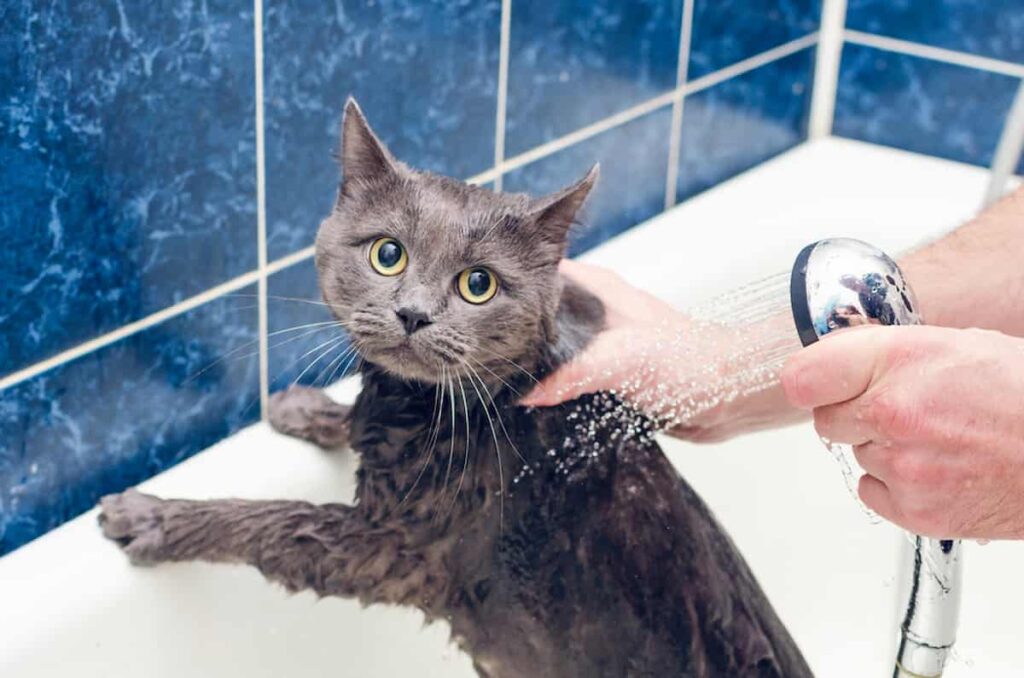
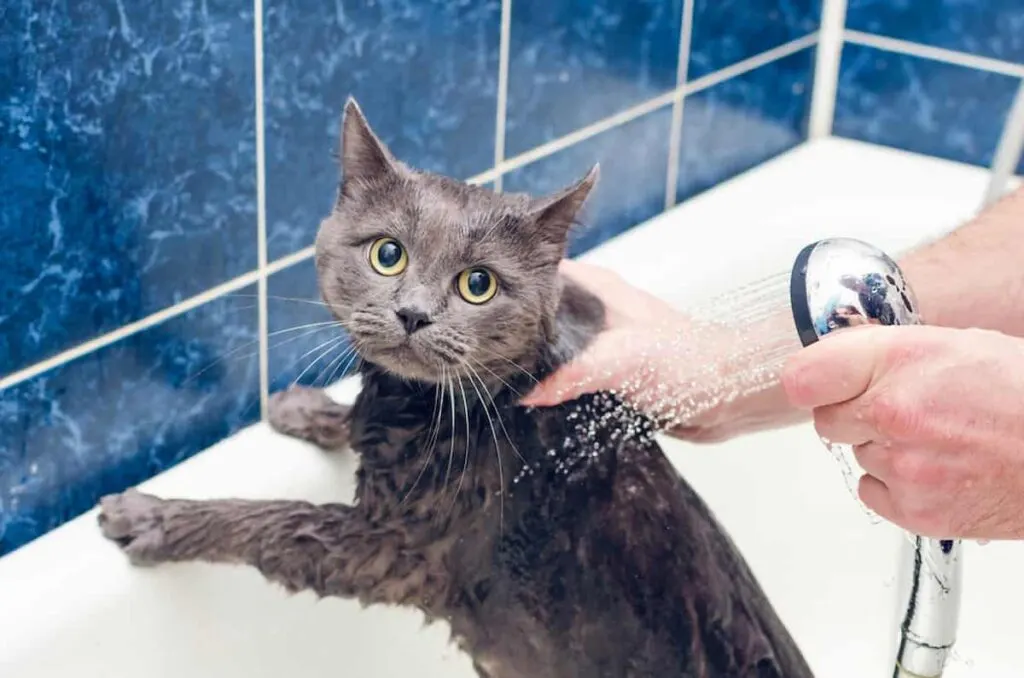
There are a few tips to follow when bathing your cat to make it less stressful. Have all your supplies ready next to the bathtub or sink, including shampoo, a handheld sprayer or pitcher, and towels. Pre-warm the water before putting your cat in, and use a gentle tone of voice throughout the process.
When it’s time to wet your cat, avoid submerging them completely. Instead, gently pour water over their body using a handheld sprayer, pitcher, or cup. Keep water away from their face, and use a damp washcloth to clean it instead. You can also use a cotton ball or something similar to clean their ears. Finally, lather and rinse the shampoo thoroughly from their coat.
Drying and Post-Bath Care
Once your cat is clean and rinsed off, it’s important to dry them properly. Gently wrap your cat in a towel and use a patting motion to absorb the water from their coat. Avoid rubbing, as this can cause tangling and discomfort.
After they are mostly dry, you can use a hairdryer on a low setting and a safe distance away from their skin to help speed up the process. Just be cautious not to startle them with the noise or heat. Finally, offer your cat a treat and some affection to reward them for their cooperation and to help reinforce the idea that bath time can be a positive experience.

Alternative Cleaning Solutions
As a cat owner, I know that bathing our feline friends can be quite challenging. Fortunately, a few alternative solutions exist to clean our cats without making them cry during a traditional bath. In this section, I’ll cover three techniques: Cat Wipes, Waterless Cat Shampoo, and Regular Grooming.
Cat Wipes
Cat wipes are a fantastic option if you want to keep your cat clean without getting them wet. They are pre-moistened wipes, similar to baby wipes designed specifically for cats. These wipes can gently remove dirt and oil from your cat’s fur without causing any discomfort.
To clean your cat with wipes, rub them gently over your cat’s coat, paying particular attention to dirty areas or spots with excess oil. You can easily use cat wipes to clean your cat’s face and ears. They are a handy way to freshen up your cat without stressing them with a full bath.
Waterless Cat Shampoo
Using waterless cat shampoo is another excellent method to clean your cat without giving them a bath. These shampoos are designed to be applied directly to the cat’s coat without water. Once applied, you can comb it through your cat’s fur using a pin brush, and no rinsing is required.
Regular Grooming
Regular grooming is essential to keep your cat clean without stressing them with baths. Grooming your cat with a suitable brush can help remove loose fur, dirt, and debris, which prevents tangled fur and keeps its coat looking healthy.
Investing in quality grooming tools can make a significant difference in maintaining a clean and healthy coat for your cat. Regular grooming also promotes bonding between you and your cat while providing them much-needed attention and stimulation.


My name is James, and welcome to FAQCats!
Along with our team of cat owners, expert pet enthusiasts, and pet professionals, we aim to write engaging helpful, engaging content about cats. At FAQCats we strive to provide content that’s accurate and fun to read. Our team writes about everything related to cats; even the most complex of topics. Through extensive research and caring for our own fur-pals, we’re able to provide something cat owners worldwide will love. Have a look around, and leave us feedback anytime!