

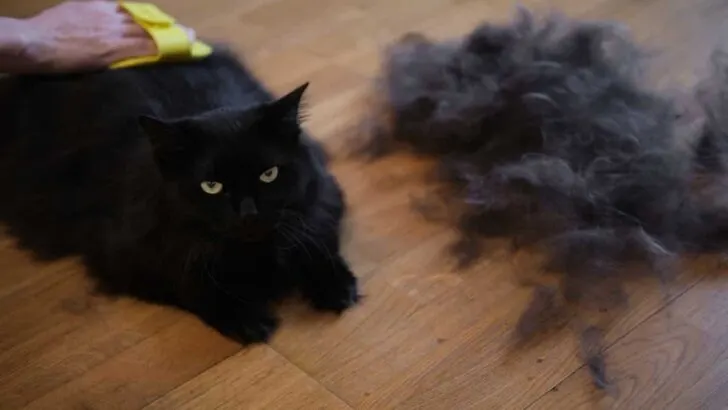
For those who seek a beguiling and beautiful companion, black cats make the perfect pet. Their glossy coats and enigmatic demeanors make them an alluring choice for many animal lovers. However, one issue that many black cat owners face is excessive shedding. Black cats seem to shed more than other colors of cats, leaving their owners wondering why.
Some black cats tend to have thicker coats than other breeds, which means they have more hair to shed. Additionally, black cats have a higher concentration of pigment in their fur, which can make their shedding more noticeable. Another reason black cats may shed more than other breeds is their genetics.
The truth is the color of the cat has little to do with the cat shedding more than the other. It comes down to the length of the cat’s fur, genetics, temperature, diet, and a host of other reasons that we’ll dive into next!
The Science Behind Shedding
Shedding is a natural process in which cats lose their old or damaged fur to make way for new growth. While all cats shed, the amount and frequency of shedding can vary depending on several factors, including breed, genetics, age, diet, and environment.
Cats shed all year round because their hair growth is not tied to seasonal changes like other animals. Instead, hair growth is influenced by a cat’s individual genetics, nutrition, and environmental temperature. For example, cats living in colder environments may grow a thicker coat in the winter to keep warm, which they shed in the spring when temperatures rise.
Cat breed is another significant factor affecting shedding, with black cats of various breeds shedding differently. Cats with medium-length fur tend to shed the most, while cats with short hair shed the least. However, this can vary depending on the cat, so paying attention to your cat’s shedding patterns and behavior is essential.
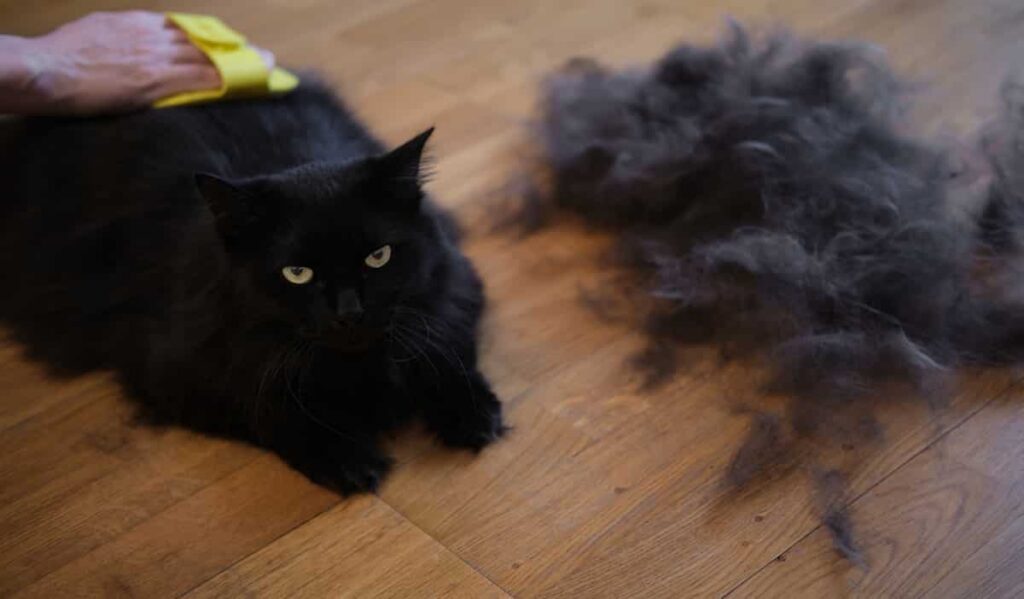
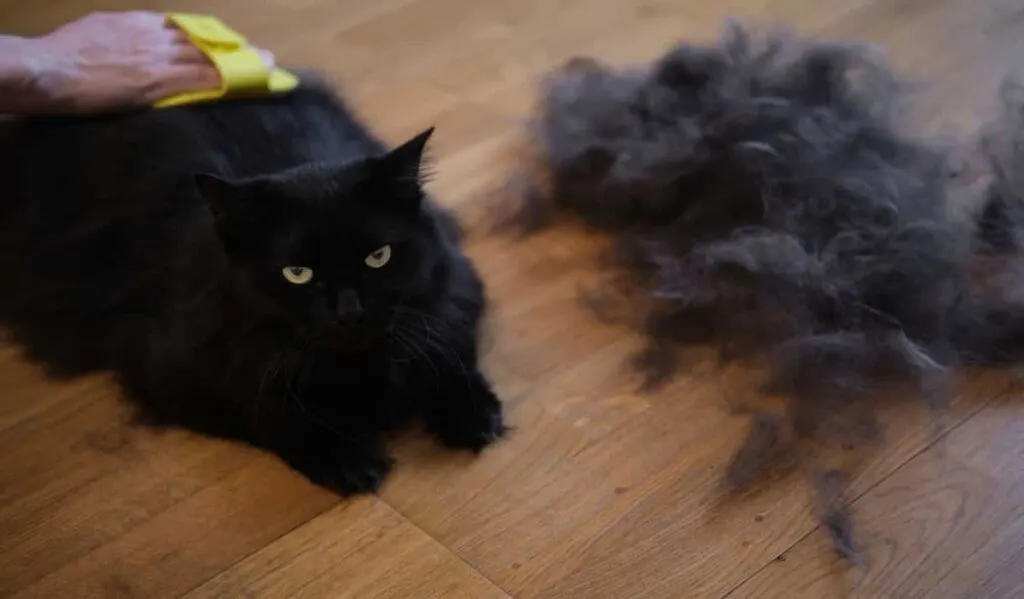
Regular grooming can help control shedding by removing dead hair and distributing natural oils throughout the coat.
Regular brushing of your cat’s fur, ideally once weekly, can support a reduction in shedding and minimize the occurrence of hairballs. Additionally, nourishing their diet with quality food and ensuring that they have an overall relaxed atmosphere will help promote healthy coat growth while reducing any extraneous shedding.
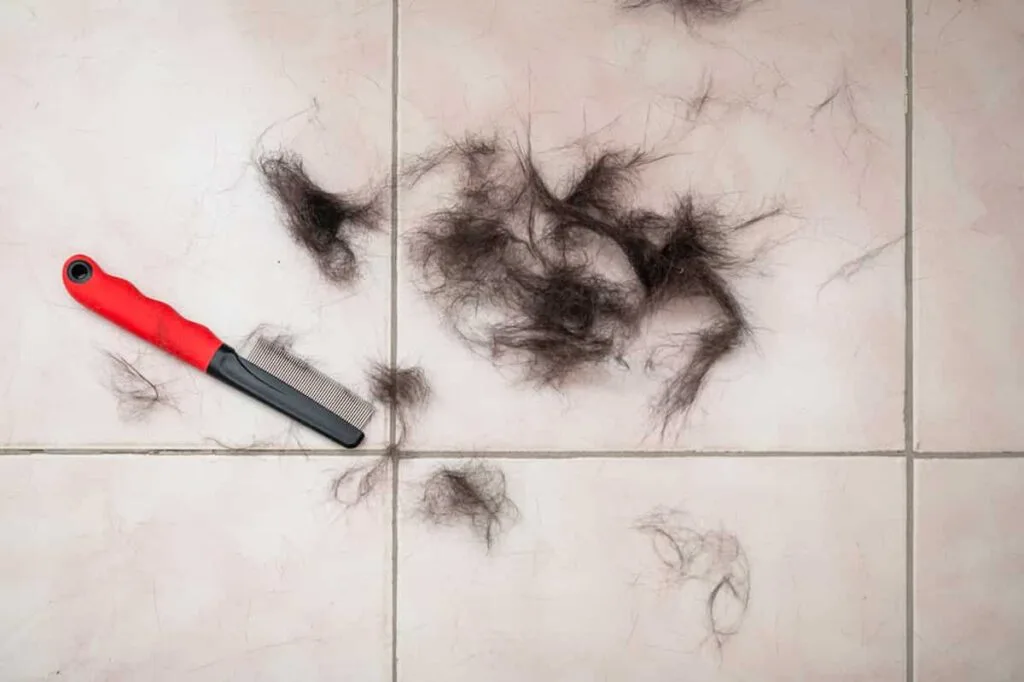
Factors That Affect Shedding
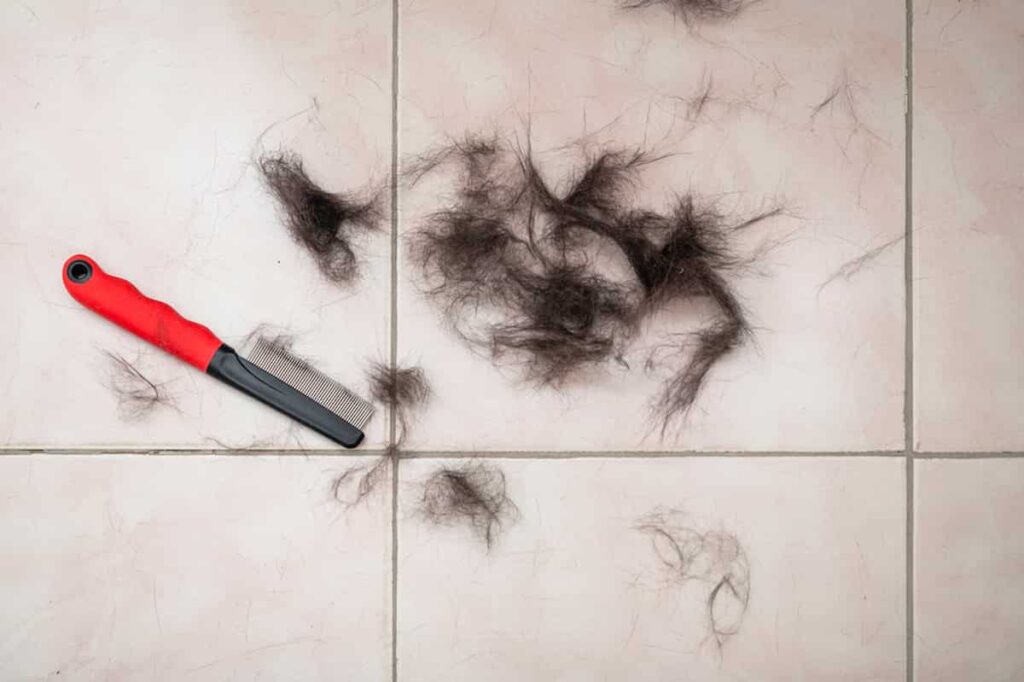
Shedding is natural for cats, but some cats shed more than others. Several factors can affect a cat’s shedding, including:
- Breed: The breed of your cat can be a critical aspect that influences their level of shedding, specifically for black cats. In comparison to those with shorter-haired coats, medium length furred felines tend to shed more profusely.
- Age: As they mature, kittens will shed their first coat of fur to make way for a new and improved one. On the other hand, older cats may experience increased shedding as changes in their skin and hair take place. All things considered, both young and senior felines tend to shed more than adult cats that are in their prime.
- Season: Cats lose fur more in spring and fall because their coats change. Cats lose less fur in winter because they need the fur to stay warm.
- Diet: What your cat eats can affect its skin and fur. If the diet is high in omega-3 fatty acids, it can help reduce how much fur the cat sheds.
- Health: If a cat is shedding more than usual, it could be because of an allergy, skin problem or parasites. Take the cat to the vet to make sure they are healthy.
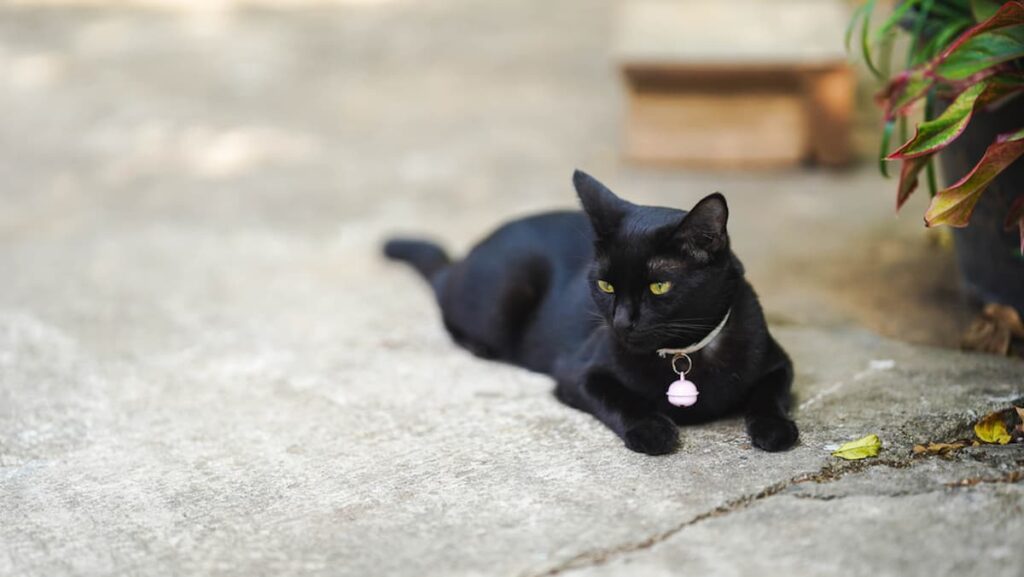
Tips for Managing Shedding in Black Cats
Black cats are known for their beautiful, shiny coats, but the downside of shedding comes with that. Shedding is a natural process for cats, but it can be managed with a few simple tips:
- Regular Brushing: Brushing your black cat’s fur regularly can help reduce shedding and keep its coat looking luxurious. To ensure that you maximize the benefits of brushing, use a brush specifically designed for cats, and always remember to move in the direction of hair growth.
- Diet: A healthy diet can also help reduce shedding in black cats. Ensure your cat gets a balanced diet with plenty of protein and essential fatty acids.
- Hydration: Proper hydration is essential for suppressing shedding in black cats; thus, you must always ensure your feline friend has access to a plentiful supply of fresh water.
- Regular Grooming: Besides brushing, regular grooming can also help reduce shedding. Take your black cat to a professional groomer, or do it yourself with the right tools.
While shedding is natural, excessive shedding can indicate an underlying health issue. If you notice your black cat shedding excessively, it’s important to take them to a veterinarian to rule out any health problems.
Regular brushing is the best way to deal with your cat shedding a lot. Helping her with grooming controls excessive shedding by removing dead hair and distributing natural oils throughout the coat. A healthy diet and hydration are also important factors when managing shedding in black cats.
Final Thoughts
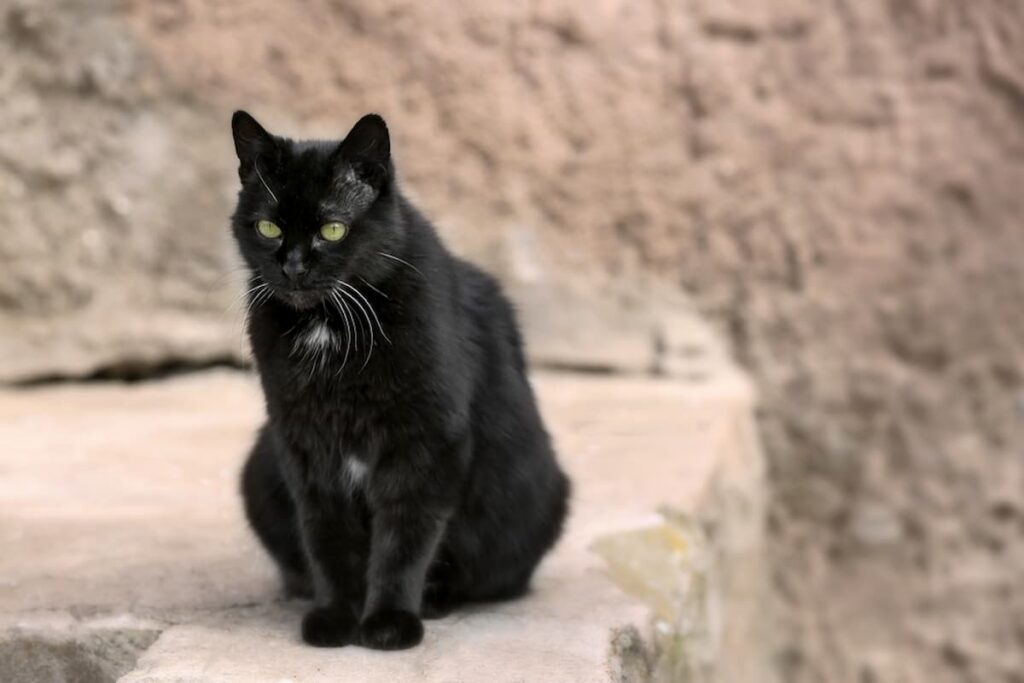
While shedding is natural for all cats, black cats may shed more than other cats due to their genetics and environmental factors.
Black cats will shed their fur throughout the year, and the amount of fur they shed can vary depending on the season. Additionally, some breeds of cats, such as Siberian and Bengal, are known to shed less than others.
If your black cat is shedding excessively, it’s important to take them to the vet to rule out any underlying health issues.
While shedding may be a nuisance for some cat owners, it’s important to remember that it’s a natural process for cats. Regular grooming and a healthy diet can help reduce shedding and keep your black cat’s coat looking its best.


My name is James, and welcome to FAQCats!
Along with our team of cat owners, expert pet enthusiasts, and pet professionals, we aim to write engaging helpful, engaging content about cats. At FAQCats we strive to provide content that’s accurate and fun to read. Our team writes about everything related to cats; even the most complex of topics. Through extensive research and caring for our own fur-pals, we’re able to provide something cat owners worldwide will love. Have a look around, and leave us feedback anytime!