


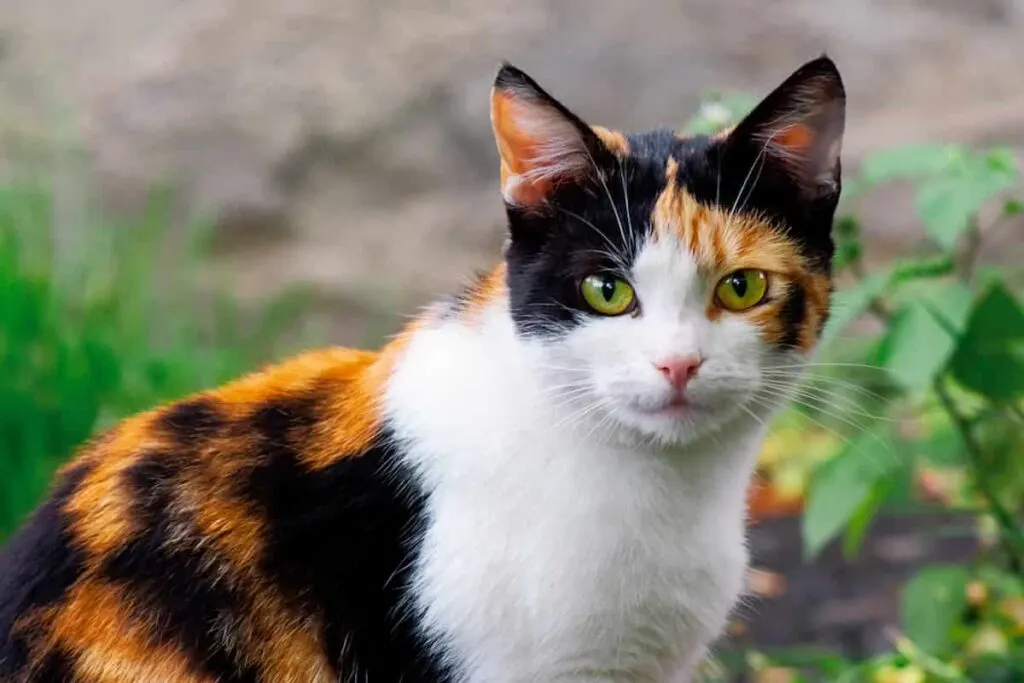
Calico and tortoiseshell cats are unique in their patchwork fur colors. These cats are primarily females, with only about one in three thousand calico cats being male. This phenomenon has intrigued people for generations, and scientists have studied it for years. So, why are patchwork cats female?
Ultimately, it is genetics that are behind patchwork cats’ beautiful coats. Females carry two X chromosomes, and males have one X and one Y chromosome. On the X chromosome lies a gene for fur color. When this occurs in combination with “X-chromosome inactivation” – where one of the two genes switches off per cell – different patches of colors on the feline’s coat appear!

Genetics of Coat Color in Cats
The beautiful coat color of cats is the product of an intricate collaboration between multiple genes, but primarily it’s determined by the melanocortin one receptor (MC1R) gene.
This gene has the remarkable ability to control the production of melanin – otherwise known as the pigment that gives color to skin, eyes, and fur. What makes this particularly interesting is that there are different MC1R alleles which can result in varied cat coats with diverse hues and patterns.
The X chromosome also plays a significant role in cat coat color. Female cats have two X chromosomes, while males have one X and one Y chromosome.
During the early stages of a female cat’s development, one X chromosome will be randomly deactivated through a phenomenon known as lyonization. This event leads to an interesting mosaic patterning effect in cells descended from various embryonic lineages, called X-chromosome inactivation.
The X-linked gene responsible for the black and orange coat color in cats is the X-linked orange (XO) gene. This gene has two alleles, one for orange and one for black. Female cats have two copies of the XO gene, while males have only one.
Female cats with two copies of the XO gene adorn a splotchy mosaic pattern known as tortoiseshell or calico. Conversely, male cats only display black or orange hues in their fur depending on which allele they receive from the momma cat’s side.
The inheritance of coat color in cats can be complex, with multiple genes and alleles interacting to produce a specific phenotype.
However, the X-linked orange gene is the primary determinant of cats’ black and orange coat color. Its unique inheritance pattern explains why tortoiseshell and calico cats are almost exclusively female.
The Role of X Chromosome in Coat Color Expression
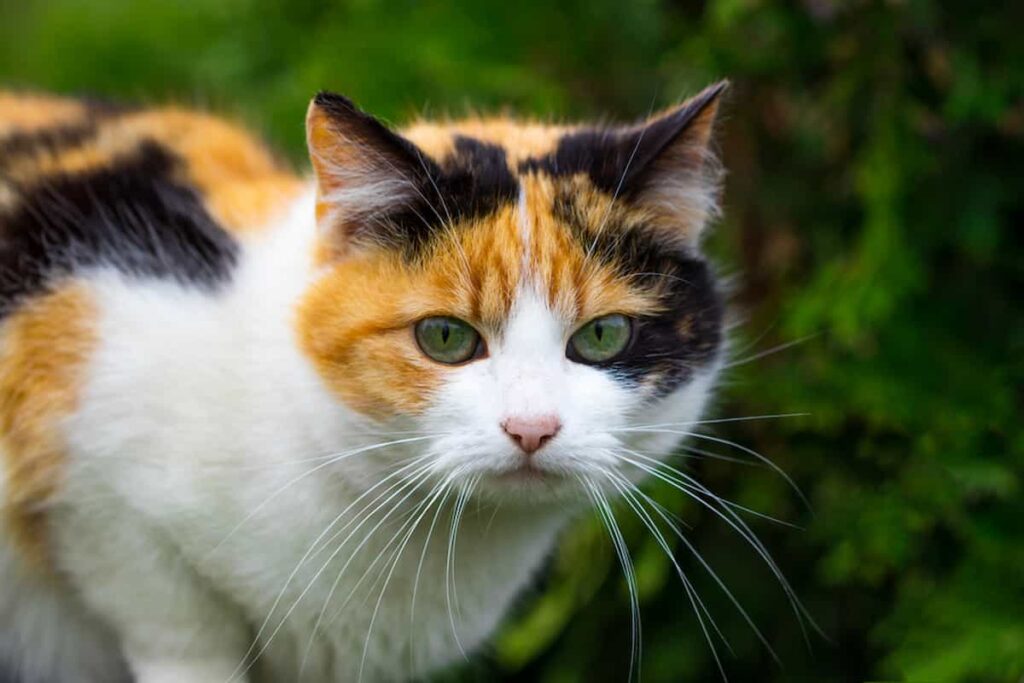
Calico cats are known for their unique patchwork coat, which is made up of a combination of black, orange, and white fur. Calico cats are almost always female due to the role of the X chromosome in coat color expression.
By virtue of having two X chromosomes, female cats possess the unique advantage of potentially receiving a diverse blend of alleles for fur color from both parents. In contrast, male cats have an unequal sex chromosome composition – one X and one Y chromosome – rendering them unable to benefit from gene diversity in this regard. The gene responsible for determining fur color is on the cat’s X chromosome.
When a female cat inherits two coat-colored alleles, one will be randomly inactivated in each cell during embryonic development. This process, known as X-inactivation, creates patches of fur with different colors.
Since male cats only have one X chromosome, they can only inherit one allele for coat color and, therefore, cannot exhibit the patchwork pattern in calico cats.
While calico cats are almost always female, there are rare cases of male calico cats. These male cats have an extra X chromosome, which allows them to inherit two different alleles for coat color and exhibit the patchwork pattern.
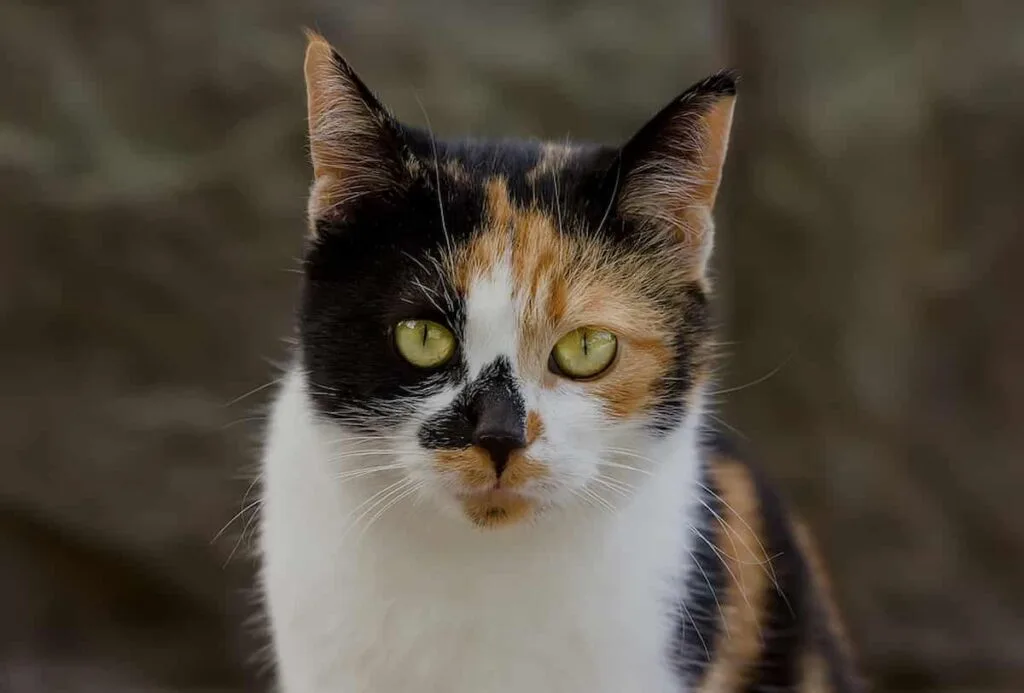
Patchwork Cats and X Chromosome Inactivation
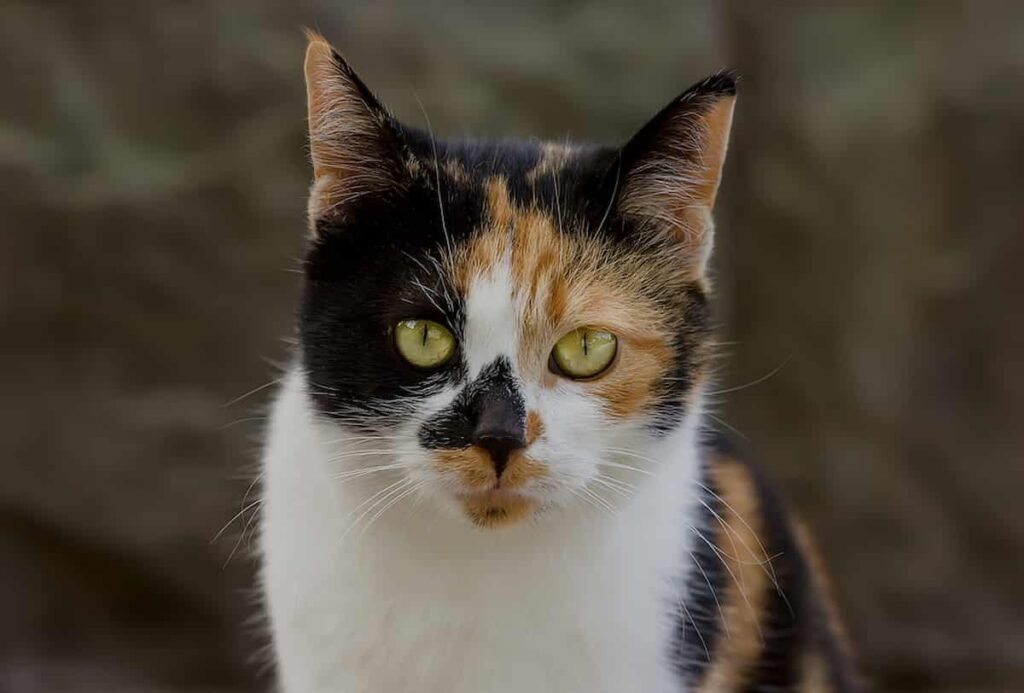
Because of their unique coat patterns, Calico and tortoiseshell cats are often called patchwork cats. These cats are almost always female, with only about 1 in 3,000 calico cats being male.
This is because the gene for coat color is located on the X chromosome, and females have two X chromosomes while males have one X and one Y chromosome.
When a female cat inherits two different versions of the gene for coat color, one on each X chromosome, she will express both colors in a patchwork pattern. This is due to X chromosome inactivation, which occurs in females to prevent them from having twice as many active X-linked genes as males.
X chromosome inactivation involves one of the X chromosomes in each cell being randomly inactivated during early development.
This means that in some cells, the X chromosome inherited from the mother is active, while in others, the X chromosome inherited from the father is active. In calico cats, the patchwork pattern of coat colors is created because the cells expressing one color are adjacent to cells expressing the other color, resulting in a patchwork appearance.
It is important to note that not all X-linked genes are subject to inactivation. Some genes on the X chromosome escape inactivation and are expressed from both X chromosomes. This can result in differences between males and females regarding gene expression and disease susceptibility.

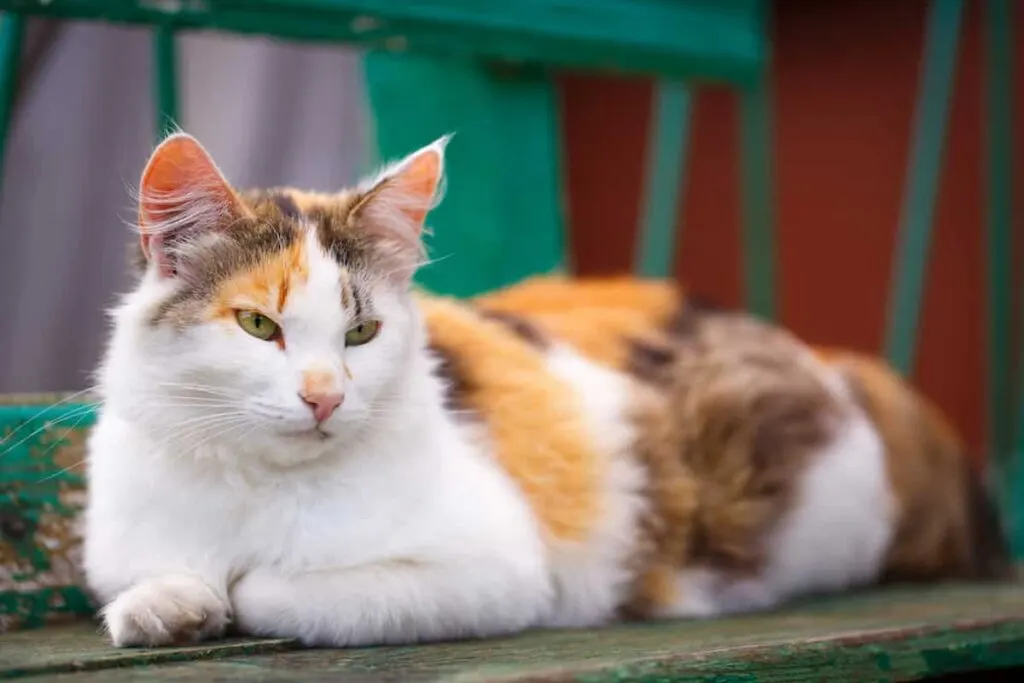
Male Patchwork Cats
As I learned more about patchwork cats, I discovered that almost all calico cats are female due to their unique genetics. But sometimes, a rare occurrence allows male cats to exhibit this patchwork coloring as well.
Health Implications
It is essential to keep in mind that male patchwork cats with the XXY chromosome configuration may face certain health challenges. Just like humans with Klinefelter syndrome, these cats can experience physical and developmental issues.
While male patchwork cats can still live vibrant lives, it’s important to be aware of potential health problems and ensure they receive proper veterinary care.
Final Thoughts
In summary, patchwork cats, also known as calico cats, are predominantly female due to their unique genetic makeup. Female cats have two X-chromosomes, and the gene responsible for fur color is on the X-chromosome. During fetal development, one of a female cat’s X-chromosomes is randomly inactivated, resulting in a mosaic of fur colors.
This fascinating phenomenon, known as dosage compensation, is what gives calico cats their beautiful, patchwork appearance. On the other hand, male cats have only one X-chromosome inherited from their mother, and the gene on that single X-chromosome determines their fur color.
Understanding the science behind calico cats’ dazzling colors reminds us of the wonders of genetics and highlights the importance of preserving and appreciating these unique feline beauties. So, next time you gaze at a calico cat, take a moment to marvel at the intricate genetic dance that has created such a mesmerizing creature.


My name is James, and welcome to FAQCats!
Along with our team of cat owners, expert pet enthusiasts, and pet professionals, we aim to write engaging helpful, engaging content about cats. At FAQCats we strive to provide content that’s accurate and fun to read. Our team writes about everything related to cats; even the most complex of topics. Through extensive research and caring for our own fur-pals, we’re able to provide something cat owners worldwide will love. Have a look around, and leave us feedback anytime!