
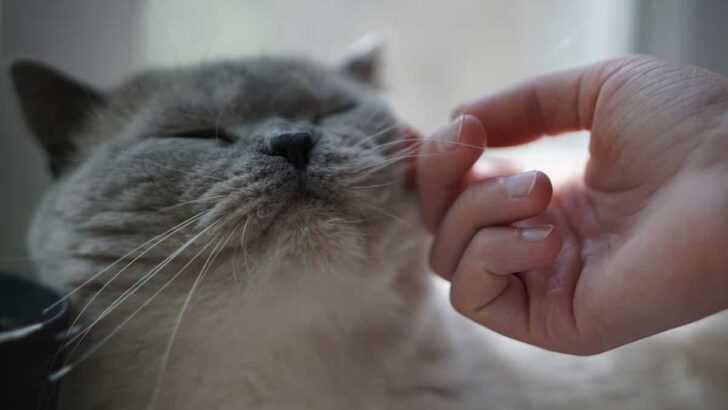

Have you ever noticed how some cats are not fond of hands? This behavior can manifest in different ways, such as biting, scratching, or simply avoiding contact. So, why do cats not like hands?
Cats are naturally cautious of potential threats and may be cautious around human hands. Furthermore, cats can form a negative association with hands if mishandled or struck in the past – associating any contact made by people as accompanied by distress and affliction.
Coming at your cat with your hands may seem like a kind gesture, but it can lead to fear, anxiety, and defensive behavior if they aren’t comfortable. Read on as we dive into the sensitive nature of cats and how you can build a better bond with them and your hands.
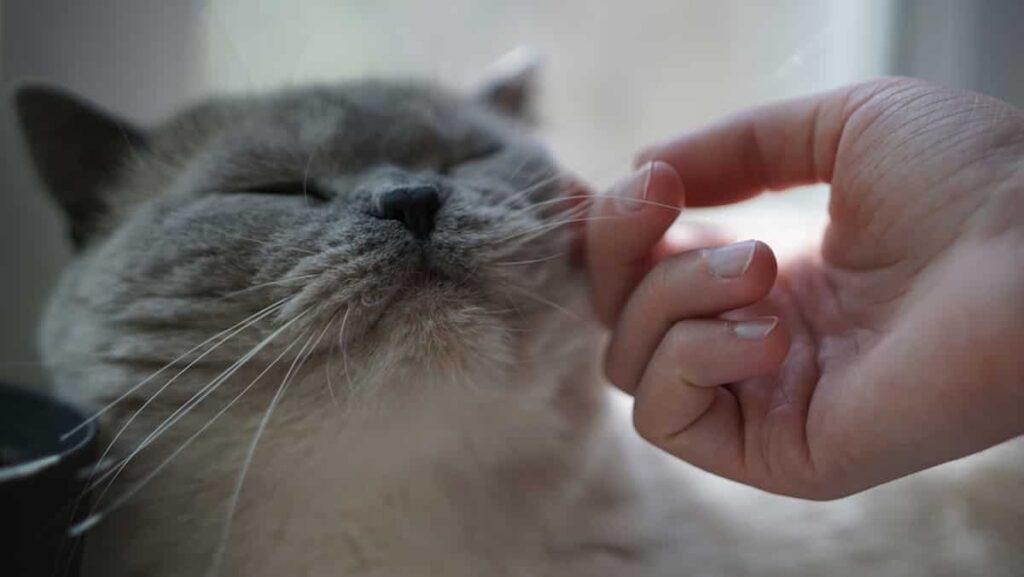
The Sensitive Nature of a Cat’s Paws
One area cat owners like to touch their cats is their paws. However, you may have noticed how quickly they pull away from that gesture if you’ve done this.
This is because a cat’s paws are highly sensitive and contain large concentrations of nerve endings, making them extremely responsive to touch and pressure.
This sensitivity gives cats a heightened awareness and helps them easily navigate their environment.
Cats possess the extraordinary ability to land gracefully and silently when leaping from significant heights, owing to their paws which act as natural shock absorbers. Also, cats can express themselves through kneading, pawing, and scratching – interactions that they share with humans and other felines.
Cats are highly sensitive to their environment, which makes them protective of their paws and can make it difficult to touch them. They recognize the potential danger of having their feet handled by others and may become defensive if they feel threatened or vulnerable.
Cat owners should always respect their feline’s wishes and never push them out of their comfort zone. Doing so can establish a strong connection between the two, resulting in greater trust.
Respectful handling of cats helps foster positive relationships for our four-legged friends and ourselves!
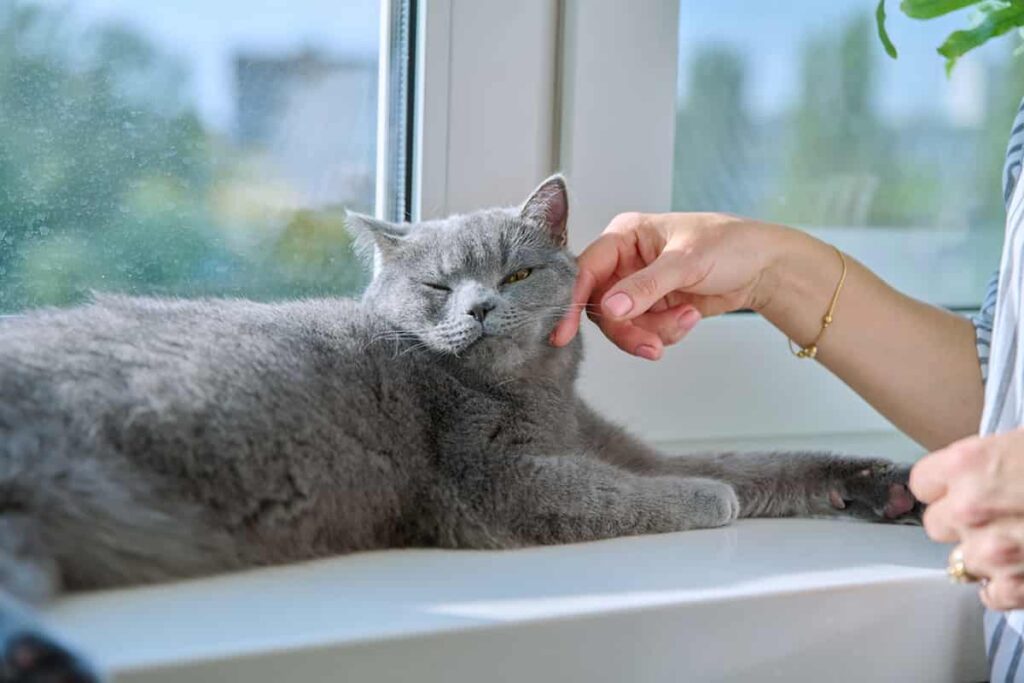
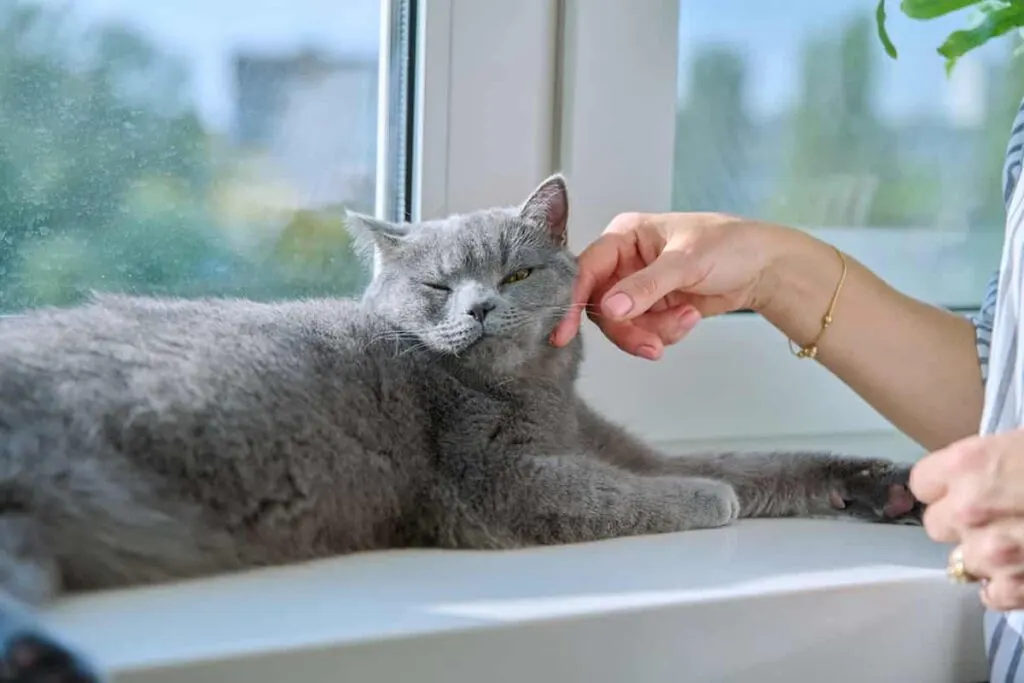
Cats May Associate Your Hands With Negative Experiences
There are several reasons why cats may not enjoy having their paws touched, and one of the most common is due to negative experiences associated with it.
For cats, paw touching can cause a strong emotional response that is rooted in negative experiences such as having their claws trimmed or feeling pain. Because of this association with discomfort and fear, paw touching may be an unpleasant experience for your cat.
It’s important to note that cats are highly intelligent animals and have strong memories, so negative experiences can have a lasting impact on their behavior. As a result, even if a cat has only had one negative experience with someone touching them, it may continue to avoid hands in the future.
Furthermore, certain cats may have had traumatic experiences with restrictions that can be tied to their paws being touched. Suppose a feline has experienced distress from restraint in the past. In that case, they will likely become uneasy and scared when they feel trapped or confined—potentially leading to an aversion to cuddling or handling their feet.
Cat owners need to be aware of their pet’s boundaries and preferences regarding physical contact. Whereas some cats may enjoy being touched or held, others might not.
Therefore, you should always respect your furry friend’s wishes and strive to create positive associations with touch by rewarding them with treats during grooming or handling experiences.

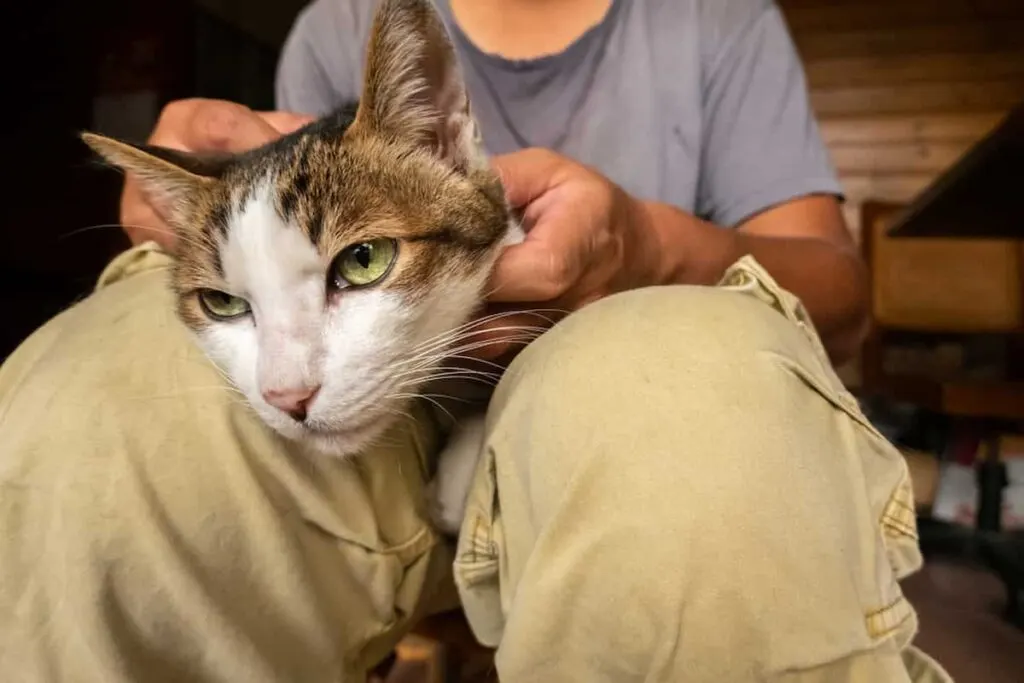
Training and Socialization Tips
Training and socialization are essential for your cat to feel comfortable around hands. Here are a few tips to consider:
- Start socializing your cat at a young age. Introducing kittens to humans and hands during their early development makes them more likely to gain a greater sense of comfort with human interaction.
- Use positive reinforcement training techniques. Rewarding your beloved feline with treats or words of encouragement when they display desirable behavior around hands will help to foster positive reinforcement.
- Handle your cat gently and respectfully. Avoid using physical punishment or harsh tones, making your cat feel scared or anxious.
- Gradually introduce your cat to different people and situations. This will help your cat learn to trust and feel comfortable around new experiences.
To make your kitten more comfortable with being petted, it is essential to focus on stroking them in the middle of their back using slow and circular motions. This soothing action can help acclimate your kitty to physical contact while promoting positive associations between touch and comfort.
Stimulate your furry companion with objects that resemble human hands, like feather wands or plush gloves. This will help them form positive connections between humans and playtime!
Of course, each cat has their own personality – so be sure to experiment with multiple training methods for the best possible results. Be patient and consistent with your training, and always prioritize your cat’s comfort and well-being.
The Takeaway
While cats may not like hands, there are ways to train them to tolerate and enjoy human touch. It’s important to understand that cats are not small dogs but have unique behaviors and needs.
One of the main reasons cats may not like hands is because they associate them with play, and play can quickly turn into aggression if not handled properly. Avoiding using your hands as toys when playing with your cat is important. Instead, provide your cat with appropriate toys and playtime to help them expend their energy and prevent them from becoming overstimulated.
Being patient and consistent when training your cat is essential. Understanding why cats may not like hands and taking steps to address their unique needs and behaviors can help strengthen your bond.


My name is James, and welcome to FAQCats!
Along with our team of cat owners, expert pet enthusiasts, and pet professionals, we aim to write engaging helpful, engaging content about cats. At FAQCats we strive to provide content that’s accurate and fun to read. Our team writes about everything related to cats; even the most complex of topics. Through extensive research and caring for our own fur-pals, we’re able to provide something cat owners worldwide will love. Have a look around, and leave us feedback anytime!