

Cats are one of the most popular pets in the world. They are known for their aloof personalities and independent nature. However, what many people may not know is that there are a vast number of different breeds of cats.
There are only 42 recognized breeds of cats in the United States, compared to the 190 recognized breeds of dogs. This may leave some wondering why there are so many breeds of cats.
The answer lies in the history of cat domestication. Cats were not domesticated as early or as extensively as dogs were. As a result, there was less selective breeding of cats, meaning fewer breeds. As cats began to be more and more preferred as family pets, breeders set about actively breeding them in order to cultivate new breeds with particular traits. This has had the result that we now find ourselves presented with a massive array of various cat breeds.
Let’s dive more into the domestication of cats, selective breeding, and other factors that influence breeding. By doing so, you’ll get a good idea of how so many varieties of breeds came to be and what direction things are heading in the future!


Domestication of Cats
For thousands of years, cats have been our faithful companions – it is believed that their domestication began in the Fertile Crescent around 10,000 years ago. This area lies in a region we now call the Middle East.
According to the Library of Congress, all domesticated cats come from wildcats called Felis silvestris lybica that originated in this region. Drawn to areas populated by humans due to the abundance of rodents, these wildcats found their ideal food source.
Over time, humans began to appreciate cats’ role in controlling the rodent population, and they started to keep them as pets. This process of selection and breeding resulted in the birth of various breeds, each with its own unique physical and behavioral traits.
According to Wikipedia, the domestication of cats was a gradual process that took place over several thousand years. During this time, cats were able to adapt to living with humans, and they developed a close relationship with their owners.
Cats have a unique history compared to other domesticated animals, such as dogs and cows– instead of being bred for specific tasks like hunting or providing milk, cats were simply kept around because people wanted their company.
This singular fact makes the domestication of cats all the more interesting! Instead, they were primarily kept as pets, and their role in controlling the rodent population was a secondary benefit.
Selective Breeding
Selective breeding is one of the main reasons why there are so many breeds of cats. Humans have been selectively breeding cats for thousands of years, developing many different breeds with distinct physical and behavioral characteristics.
Selective breeding involves choosing cats with desirable traits and breeding them together to produce offspring with those same traits.
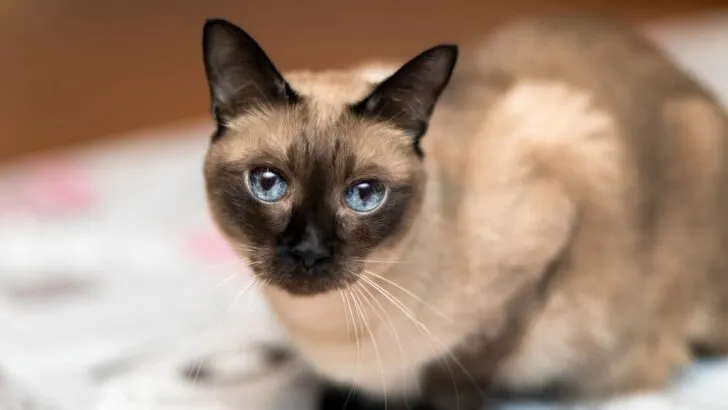
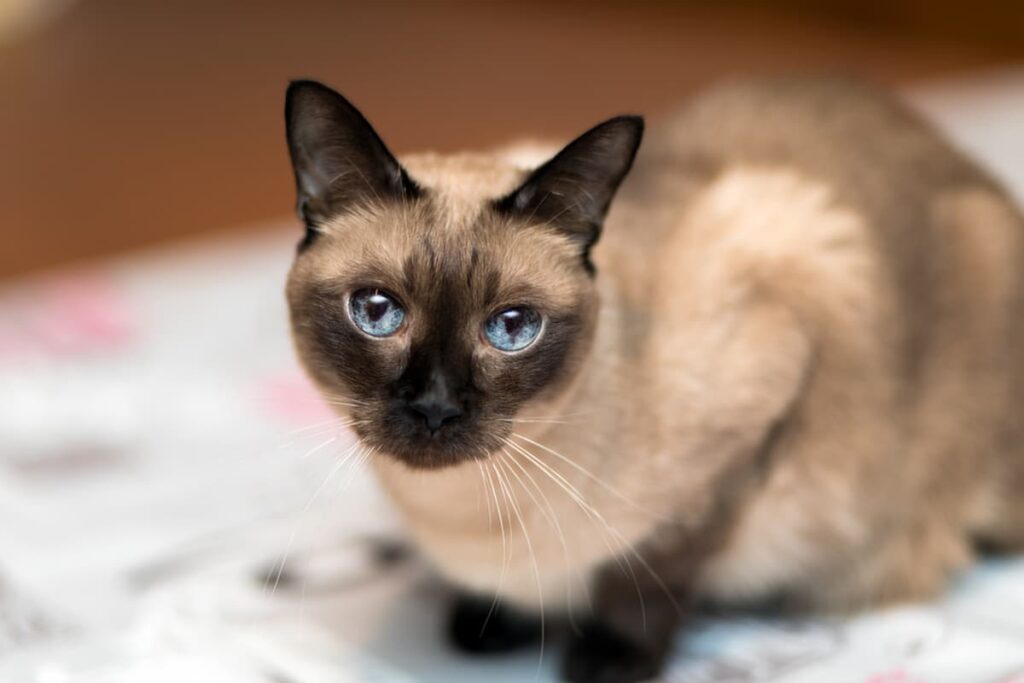
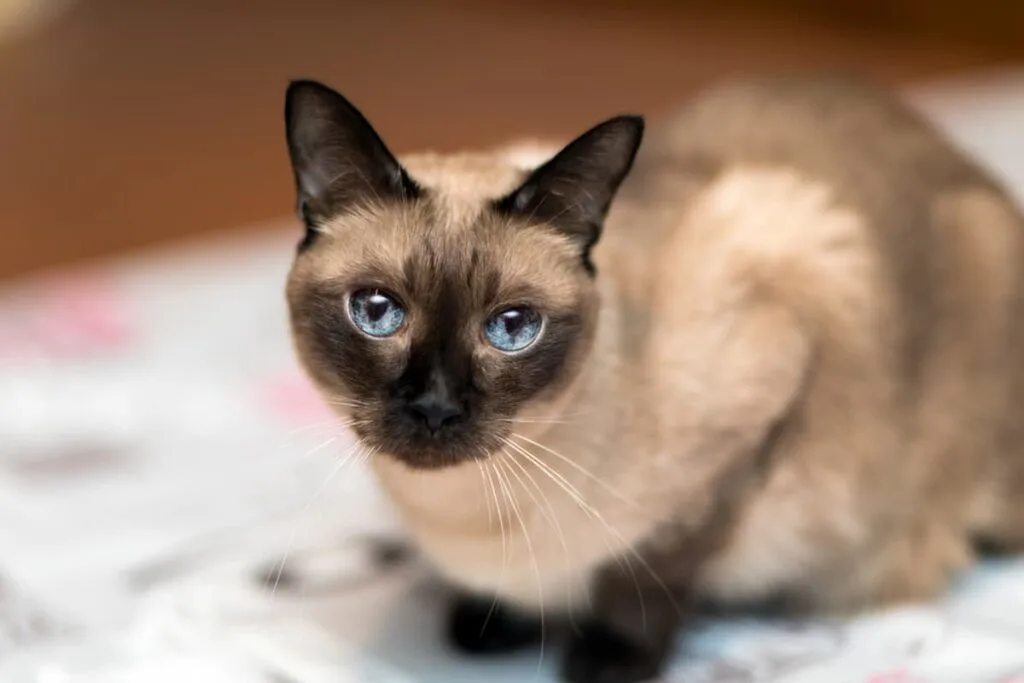
Selective breeding has allowed humans to create cats with specific coat colors, patterns, and lengths, as well as specific body types and facial features. For example, the Siamese breed is known for its distinctive blue eyes and pointed coat pattern, while the Persian breed is known for its long, fluffy coat and flat face.
However, selective breeding has also led to some negative consequences for cats. Some breeds are more prone to certain health problems due to the specific genetic mutations they inherit. For example, the Scottish Fold breed is known for its folded ears, but this trait can lead to ear infections and other health issues.
It’s important to note that not all breeds of cats are recognized by major cat organizations, such as the Cat Fanciers’ Association. Smaller organizations may only recognize some breeds or may not be recognized at all.
Additionally, many cats are not purebred but still have distinct physical and behavioral characteristics.
Cat Breeds
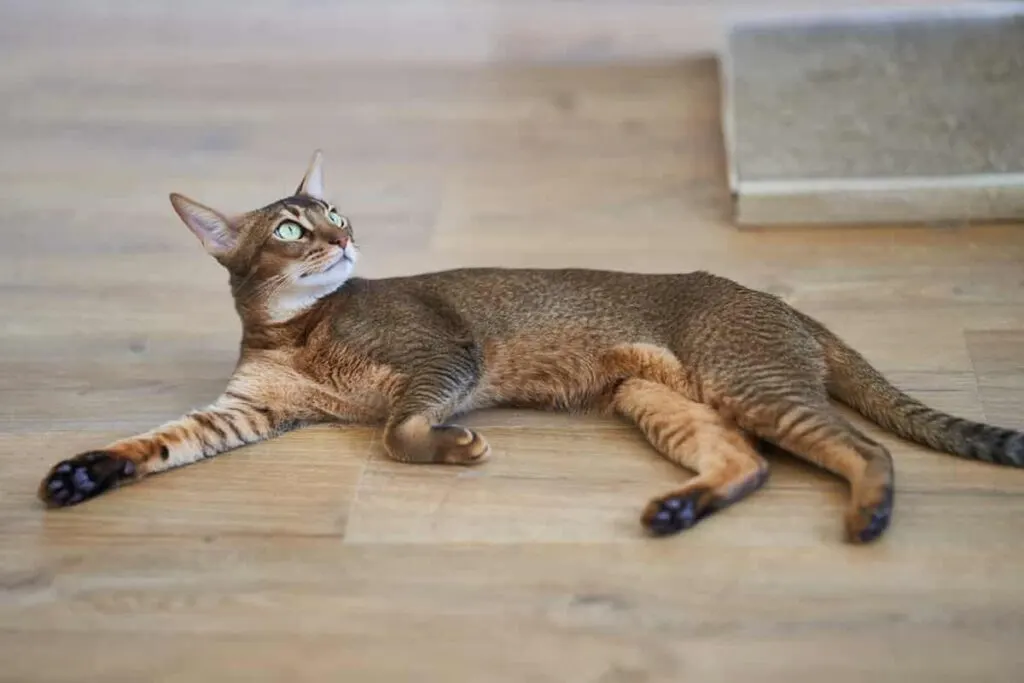
There are many different breeds of cats, each with its own unique characteristics and traits. According to the International Cat Association, there are 71 recognized breeds of cats. These breeds are classified based on their physical characteristics, such as coat length, eye shape, and body type.
Some of the most popular cat breeds include:
- Siamese: known for their striking blue eyes and vocal personalities
- Persian: known for their long, luxurious coats and laid-back personalities
- Maine Coon: known for their large size and friendly, pleasant personalities
- Sphynx: known for their hairless bodies and affectionate personalities
Each breed has its own unique set of characteristics, from its physical appearance to its personality traits. For example, Siamese cats are known for being talkative and demanding, while Maine Coons are known for their gentle and friendly nature.
Some breeds are also known for their health issues. For example, Persians are prone to respiratory problems due to their flat faces, while Sphynx cats are prone to skin problems due to their lack of fur.
Factors Influencing Cat Breeds
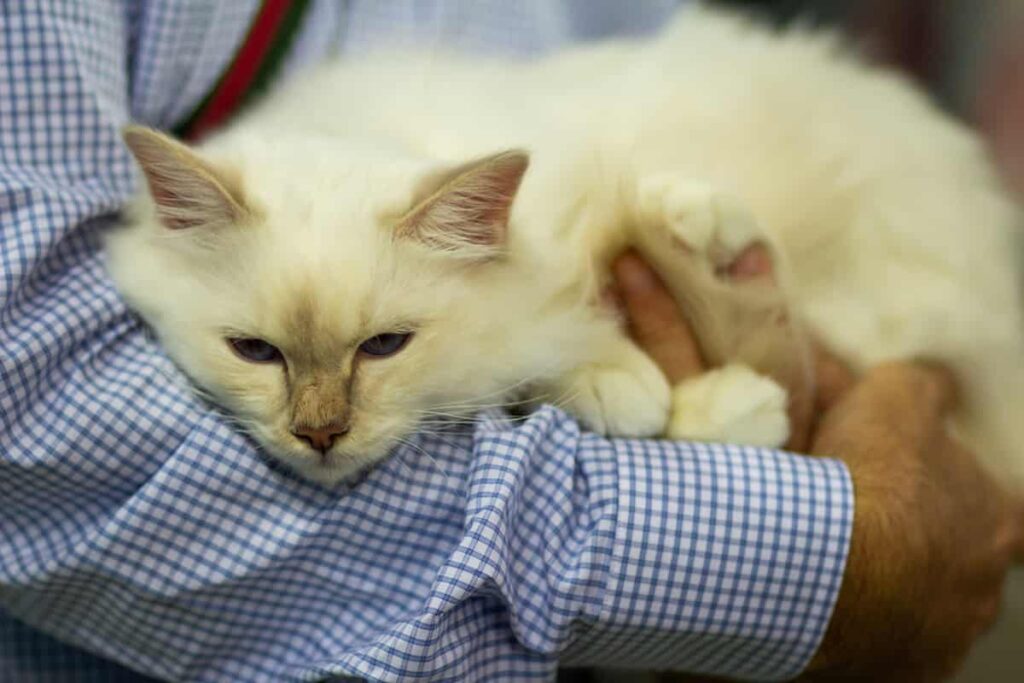
Several factors influence the development of cat breeds:
- Genetics: Genetics plays a major role in the development of cat breeds. Different breeds have distinct genetic markers that determine their physical characteristics, temperament, and behavior. For example, the Siamese breed is known for its distinct coloration and vocalization, while the Persian breed is known for its long, luxurious coat.
- Behavioral traits: Cat breeders pay close attention to the behaviors and temperaments of their breeding cats. This is because behavior traits are heritable and can be passed down to their offspring. Breeders aim to produce cats with desirable traits, such as friendliness, playfulness, and intelligence.
- Phenotypic characteristics: Cat breed standards are defined by their physical characteristics, such as coat length, color, and pattern. Breeders aim to produce cats that conform to these standards, as they are highly valued in the show ring.
- Geography: Different regions of the world have their own unique breeds of cats. For example, the Siamese breed originated in Thailand, while the Maine Coon breed originated in the United States. This is because cats have been domesticated for thousands of years and selectively bred by humans for different purposes.
The development of cat breeds is a complex process involving genetics, behavior, and geography. Breeders aim to produce cats with desirable physical and behavioral traits while adhering to breed standards. This has resulted in the creation of a wide variety of cat breeds that are beloved by cat lovers worldwide.
Final Thoughts
In conclusion, the reason why there are so many breeds of cats is due to a combination of factors.
Over the past 10,000 years, humans have been taming cats and selectively breeding them to possess desired traits for centuries.This has resulted in the creation of many different breeds with unique physical and behavioral characteristics.
Additionally, cats have been able to adapt to various environments and climates, leading to the development of different breeds that are better suited for specific regions. For example, the Norwegian Forest Cat has a thick, waterproof coat that allows it to survive in cold, snowy environments, while the Sphynx cat has no fur and is better suited for warmer climates.
Furthermore, the popularity of cats as pets has also contributed to the creation of new breeds. People have been breeding cats for their aesthetic appeal, resulting in the development of breeds such as the Bengal cat, which has a wild, exotic appearance.
Creating different cat breeds has allowed for a greater diversity of cats with unique traits and personalities.
However, it is important to remember that each cat, regardless of breed, has unique characteristics and should be treated as such.
The evolution of domestic cat breeds is a long and interesting tale that involves selective breeding and adaptation to different environments. The development of different breeds has allowed for a greater diversity of cats with unique traits and personalities.


My name is James, and welcome to FAQCats!
Along with our team of cat owners, expert pet enthusiasts, and pet professionals, we aim to write engaging helpful, engaging content about cats. At FAQCats we strive to provide content that’s accurate and fun to read. Our team writes about everything related to cats; even the most complex of topics. Through extensive research and caring for our own fur-pals, we’re able to provide something cat owners worldwide will love. Have a look around, and leave us feedback anytime!