

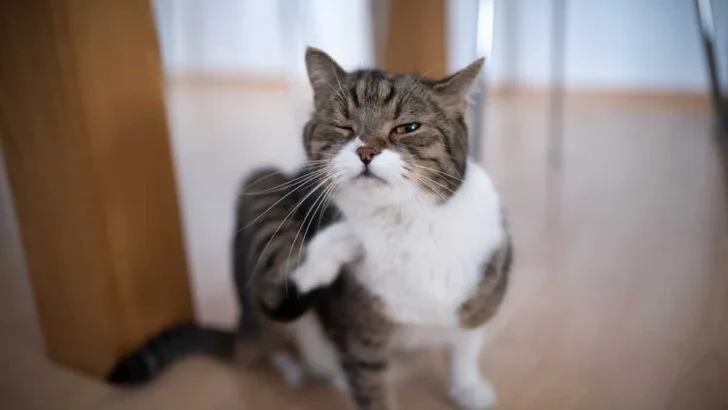
As a cat owner, it’s important to be aware of common health issues like hives and rashes. Hives, also known as urticaria, can cause discomfort and irritation for your feline friend. These skin conditions can occur for various reasons, including allergic reactions, insect bites, or exposure to environmental allergens.
Preventing hives in cats involves understanding the potential causes and implementing proactive measures to minimize the risk. In this article, we will discuss practical steps you can take to safeguard your cat’s skin health and protect them from developing hives.
Thankfully, we haven’t experienced hives in our cat, but much of that is due to preventative techniques and monitoring him regularly. In this article, I’ll share some of our own guidelines so you can ensure your cat stays happy and hive free!
Let’s get into it.

Identifying Hives in Cats
Learning how to identify hives in your feline friend is important. In this section, we will examine the symptoms of hives and discuss some common allergens. By understanding these elements, you can take the necessary steps to prevent hives from occurring in your cat.
Symptoms
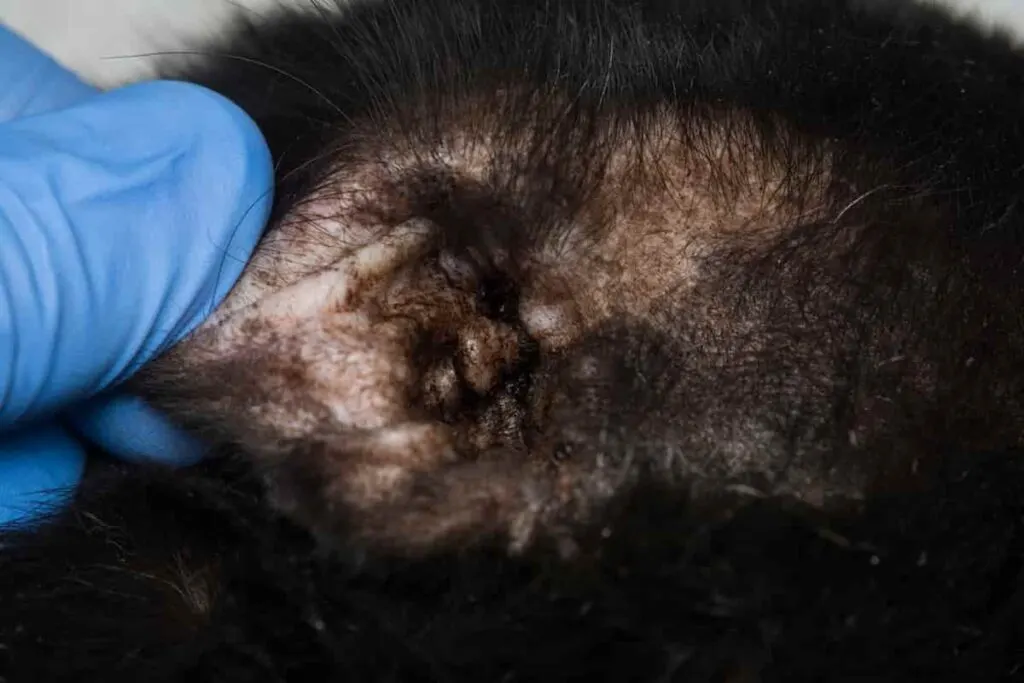
Hives, rashes, or urticaria appear as raised, red, itchy bumps on your cat’s skin. These bumps can vary in size and may even merge to form larger welts.
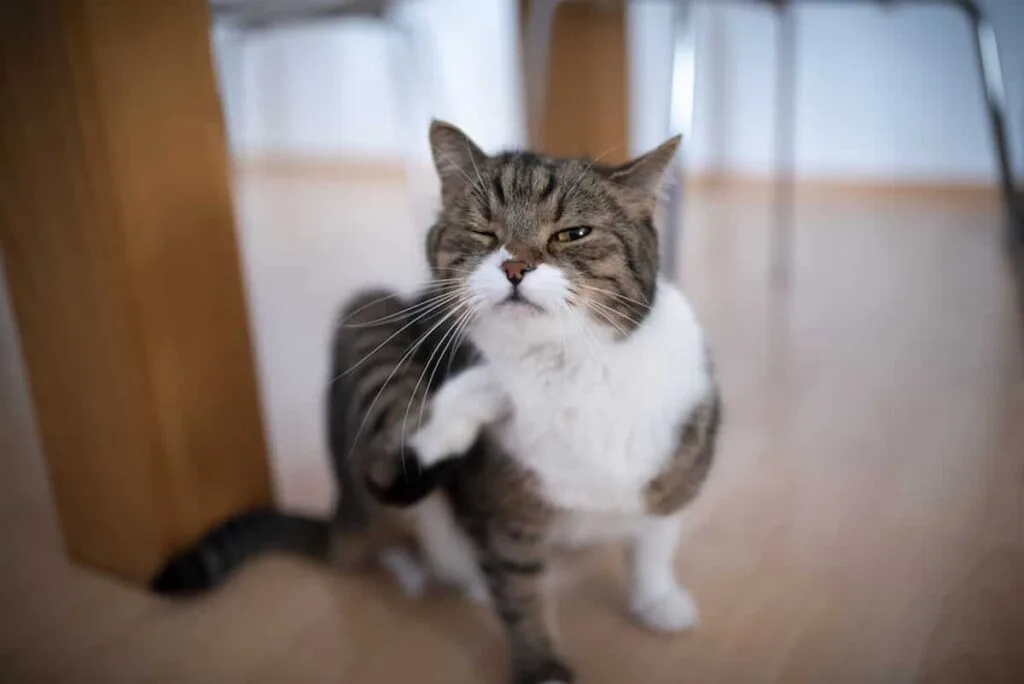
Hives can appear suddenly and usually cause significant itching and discomfort for your cat. Your cat may also exhibit excessive scratching, licking, or biting in response to the irritation.
If you have a darker cat, the hives aren’t always easy to see at first. However, if it’s on your cat’s stomach area, where the fur is generally lighter, you’ll be able to see it pretty easily.
Common Allergens
Allergens are substances that can trigger an allergic reaction in cats, leading to the development of hives. Some common allergens for cats include:
- Food: Certain ingredients in your cat’s diet can cause an allergic reaction. This could include proteins, grains, or even artificial additives. If your cat eats cheap foods with tons of fillers, that would be the first place I would look.
- Environmental factors: Cats can be allergic to dust, pollen, mold, or other environmental elements. These allergens can be inhaled, ingested, or come into contact with your cat’s skin, causing hives.
- Insect bites: Bite reactions from insects such as fleas, mosquitoes, or spiders could lead to hives in sensitive cats. This is less likely to happen with indoor cats, so if your cat is a hybrid or spends a ton of time outdoors, you’ll run into this.
- Contact allergens: Certain substances that come into contact with your cat’s skin, like laundry detergent or grooming products, can cause an allergic reaction and result in hives.
By becoming familiar with the symptoms and common allergens of hives in cats, you are better equipped to prevent these uncomfortable reactions in your furry companion. The next sections will explore how to manage and prevent hives and when to consult a veterinarian.
Prevention Strategies
In my experience, there are several effective strategies for preventing hives in cats:
Allergen-Free Home Environment
Creating an allergen-free home environment prevents hives in our feline friends. Here are a few simple steps I’ve found to help decrease allergens:
- Maintain a clean living space by vacuuming and dusting regularly.
- Use air purifiers with HEPA filters to remove allergens from the air.
- Wash pet bedding and toys to eliminate potential allergens.
- Check your cat’s play areas and food storage for mold or other allergens.
Proper Nutrition
Ensuring that our cats eat a well-balanced diet can help prevent hives related to food allergies. It’s important to consider the following when selecting cat food:
- Opt for cat foods that have limited ingredients to minimize potential allergens.
- Select high-quality, natural ingredients in cat food, as they can reduce the chances of triggering an allergic reaction.
- Monitor your cat’s diet and observe for any signs of an allergic reaction, such as hives or itching.
- Consult your veterinarian if you suspect your cat has specific food allergies, so you can tailor their diet accordingly.
Regular Grooming
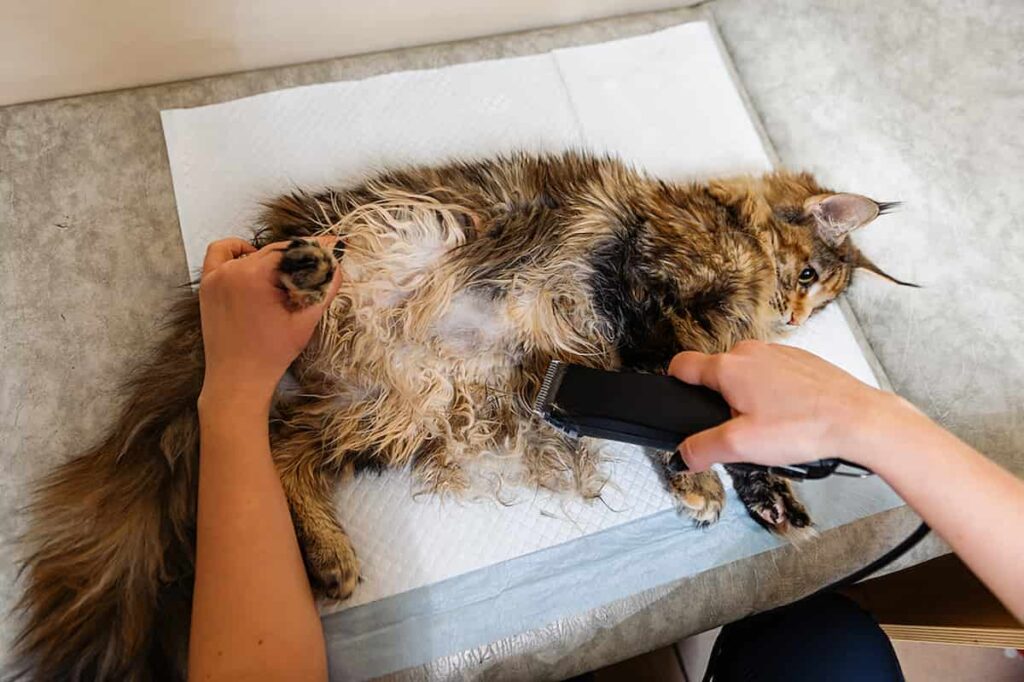
Grooming our cats regularly can help remove allergens from their fur and reduce the risk of hives. Here are some grooming practices I’ve found effective:
- Brush your cat’s fur regularly to remove loose hair and allergens.
- Bathe your cat with hypoallergenic pet shampoos, but discuss the frequency with your veterinarian, as over-bathing may cause skin issues.
- Keep your cat’s nails trimmed to prevent them from injuring their skin when they itch.
Flea Control
Since fleas can be a major cause of hives in cats, implementing proper flea control measures is crucial. Here are some flea-prevention actions I’ve found useful:
- Administer flea control medications as recommended by your veterinarian.
- Keep your cat indoors or limit exposure to areas with a high flea presence.
- Regularly inspect your cat for fleas, and treat them promptly if you find any infestations.

Consulting a Veterinarian
Seeking professional advice is crucial when facing any potential health issues. In the case of hives, the expertise of a veterinarian can be invaluable in preventing further complications and ensuring a cat’s overall well-being.
Diagnosis
Upon noticing any unusual skin changes in a cat, such as raised, itchy patches, I would promptly schedule a visit to the veterinarian.
There, they would conduct a thorough examination to determine the underlying cause of the hives. This may involve discussing any recent changes in my cat’s environment, diet, or medications and potential allergens they may have been exposed to.
A series of tests may be performed to identify any specific allergens or triggers, such as skin and blood tests. Fast and accurate diagnosis is vital in effectively preventing hives in my cat and avoiding potential complications.
Treatment Options
Once a veterinarian has determined the cause of the hives, they will recommend an appropriate course of treatment. Sometimes, a simple lifestyle adjustment, such as switching to hypoallergenic food or removing certain environmental chemicals, may be sufficient.
For more severe cases, or if the allergen cannot be easily avoided, the veterinarian might prescribe medications to help control the symptoms and prevent future outbreaks. These could include antihistamines, corticosteroids, or topical ointments.
Throughout the treatment process, it is crucial to maintain open communication with the veterinarian, especially when trying new medications. This allows for adjustments and fine-tuning of the treatment plan based on my cat’s response.


My name is James, and welcome to FAQCats!
Along with our team of cat owners, expert pet enthusiasts, and pet professionals, we aim to write engaging helpful, engaging content about cats. At FAQCats we strive to provide content that’s accurate and fun to read. Our team writes about everything related to cats; even the most complex of topics. Through extensive research and caring for our own fur-pals, we’re able to provide something cat owners worldwide will love. Have a look around, and leave us feedback anytime!