

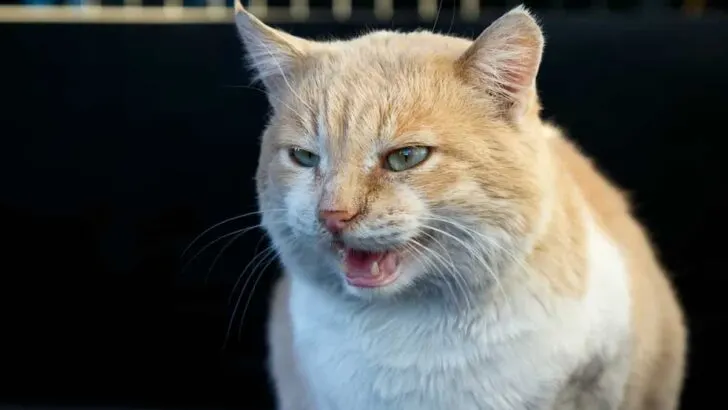
One of the most interesting aspects of feline behavior is their ability to communicate with their owners. While cats may not be able to speak our language, they have a variety of ways to express themselves, including body language, vocalizations, and even facial expressions.
One common question that many cat owners have is whether or not their cats can say “no.”
While cats may not be able to speak the word “no” like humans can, they do have ways of communicating their displeasure or disapproval.
There are various ways that cats communicate their negative feelings, including vocalizations, body language, and other behaviors. Whether you are a seasoned cat owner or a new cat parent, understanding how cats say “no” is an important part of caring for your feline companion.

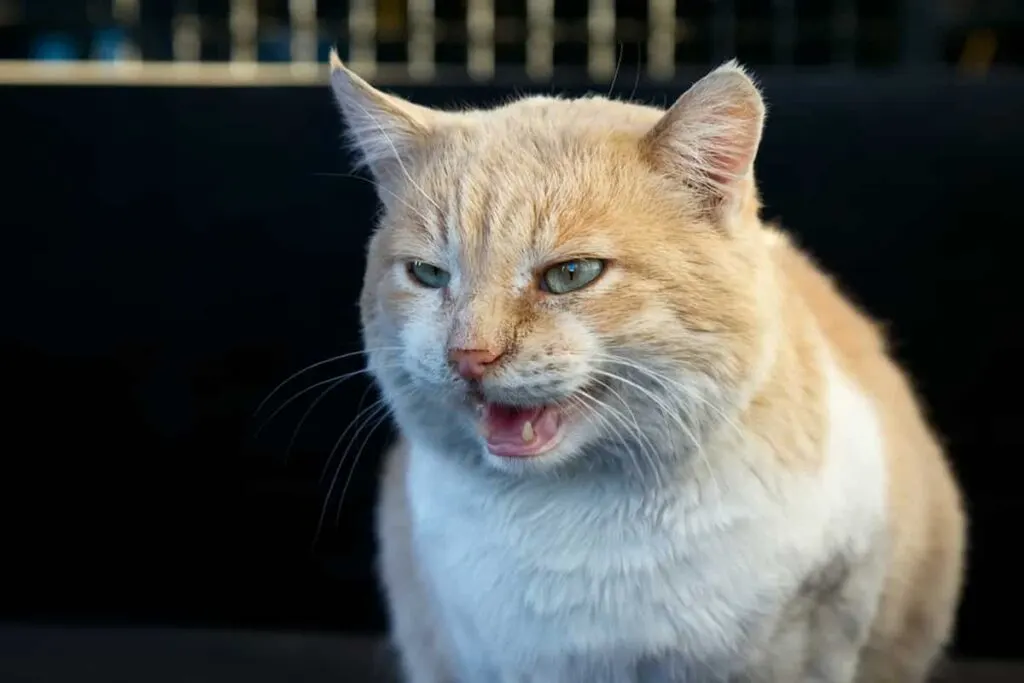
Signs that a Cat is Saying No
When dealing with our cat and his displeasure with something, we look at various things to figure out what he’s upset about. This comes down to two main things: body language and vocalizations.
Body Language
When a cat says no, it may exhibit various behaviors that communicate disapproval or discomfort. Here are some common signs to look out for:
- Scratching: If a cat is scratching at something, it may be a sign that they are unhappy or uncomfortable. This could be because they don’t like the surface they are on or because they are feeling stressed or anxious.
- Flat ears: When a cat’s ears are flat against its head, it usually means they are feeling threatened or defensive. This is a sign that they may be saying no to whatever is happening around them.
- Tail flicking: If a cat flicks their tail rapidly, it could indicate feeling irritated or agitated. This is another way cats may say no to something bothering them.
Vocalizations
Below are a few of the more audible things our cat does that signal he doesn’t want us to do something.
- Hissing: When a cat hisses, it is often a sign of aggression or warning. If a cat hisses at you, it’s best to back off and give them space.
- Growling: Like hissing, growling is a sign of aggression and should be taken seriously.
- Short Meows: Our cat Harley loves to give short, almost abrupt meows when he doesn’t want something. Sometimes it’s accompanied by pacing, and they aren’t normally loud. It’s clear he’s saying no when he does this because he usually walks away while doing it.
- Pouting: One odd thing our cat does is pout around the house when he doesn’t like something or says no to us, wanting him to do something. Sometimes the pouting can be with meows; other times, it includes him doing wall kicks and jumping around.
Paying attention to these signs and respecting a cat’s boundaries is important. If a cat says no, it’s best to back off and give them space until they feel more comfortable.
Final Thoughts
It’s clear that cats do not say “no” in the same way humans do. However, cats do communicate in their own unique ways, and it’s important for cat owners to understand their cat’s body language and vocalizations to better communicate with them.
While some cats may vocalize in response to certain stimuli, such as a loud noise or a sudden movement, others may communicate their discomfort or displeasure through body language, such as flattened ears or a puffed-up tail. It’s important for cat owners to pay attention to these cues and respond accordingly.


My name is James, and welcome to FAQCats!
Along with our team of cat owners, expert pet enthusiasts, and pet professionals, we aim to write engaging helpful, engaging content about cats. At FAQCats we strive to provide content that’s accurate and fun to read. Our team writes about everything related to cats; even the most complex of topics. Through extensive research and caring for our own fur-pals, we’re able to provide something cat owners worldwide will love. Have a look around, and leave us feedback anytime!