


Cat neutering is a standard procedure that involves removing the testicles of male cats to make them sterile. This procedure usually prevents unwanted pregnancies and reduces the risk of certain diseases. After neutering, cats need proper aftercare to ensure a smooth recovery. One of the most important aspects of cat neutering aftercare is ensuring cats wear a cone to prevent them from licking their incision site.
But how long should cats wear a cone after neutering? Most cats should wear their cone for 5-14 days after neutering, but some cats may need to wear it longer. It’s important to follow your veterinarian’s instructions and monitor your cat’s behavior to ensure that they are healing properly.
In this article, we will explore how long cats should wear a cone after neutering and why it’s important to do so. We will also provide tips on making the cone-wearing experience more comfortable for your cat and dealing with common issues, such as cats taking off their cones.
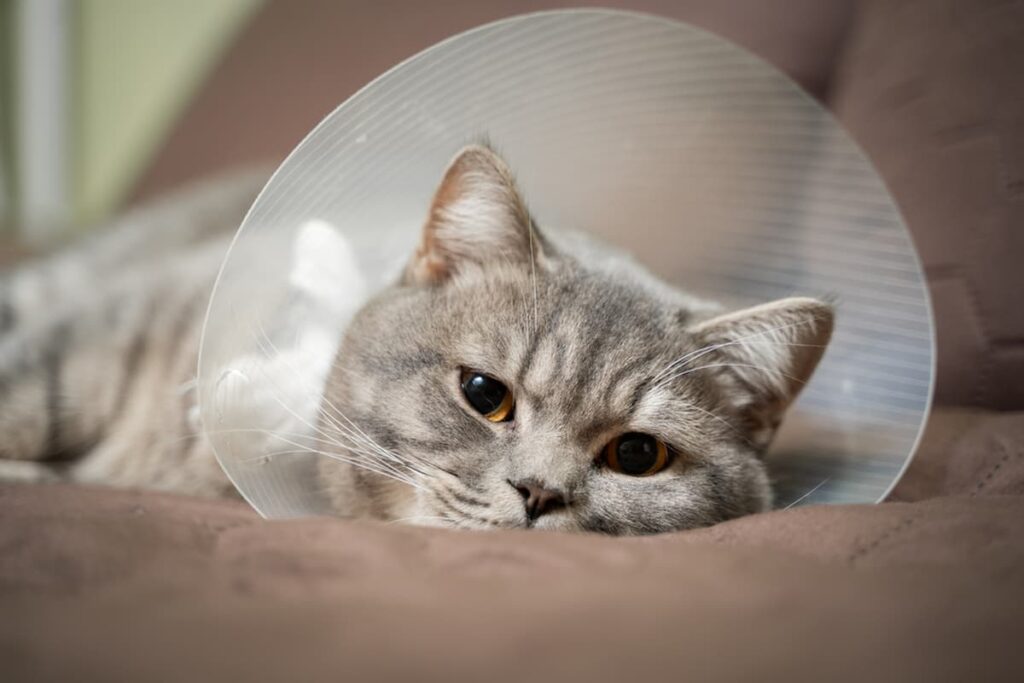
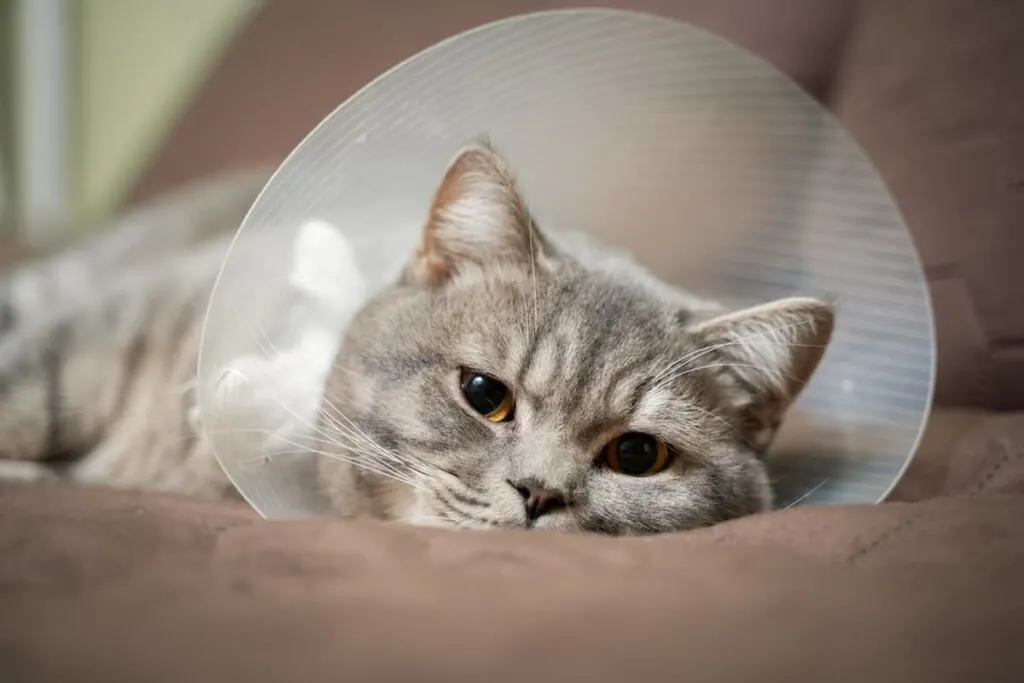
Why do cats wear cones after neuter?
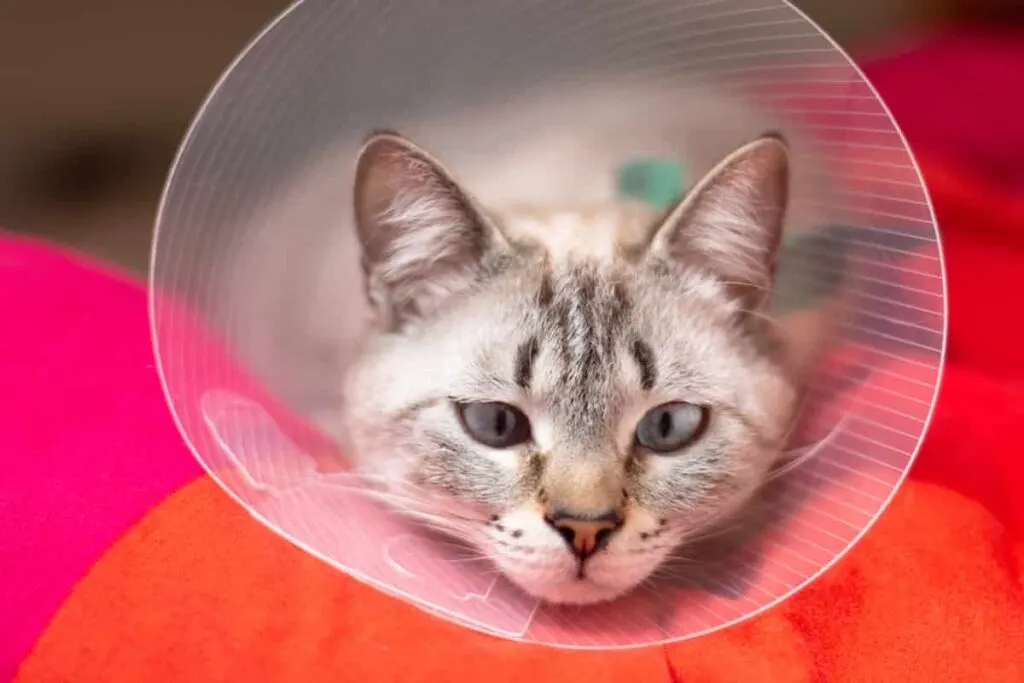
After neutering surgery, cats often wear a cone around their necks to prevent them from licking, biting, or scratching the surgical site. The cone, an Elizabethan collar or E-collar, is a plastic or fabric cone-shaped device that fits around the cat’s neck, preventing them from reaching the incision site with its mouth or paws.
The primary reason for wearing a cone is to prevent the cat from interfering with the surgical site, which can lead to complications such as infection, delayed healing, and even the need for additional surgery.
Cats are naturally curious and may try to groom the area, which can cause irritation, inflammation, and even wound opening. The cone acts as a barrier, keeping the cat’s mouth and paws away from the incision site and allowing it to heal properly.
Another reason why cats wear cones after neuter is to prevent them from ingesting foreign objects, such as stitches or bandages. If the cat chews or swallows these items, it can lead to blockages or other health problems. The cone serves as a physical barrier, preventing the cat from reaching the surgical site and any objects that may be present.
While wearing a cone may be uncomfortable and stressful for cats, it is essential to recovery. Most cats will adapt to the cone within a few days.

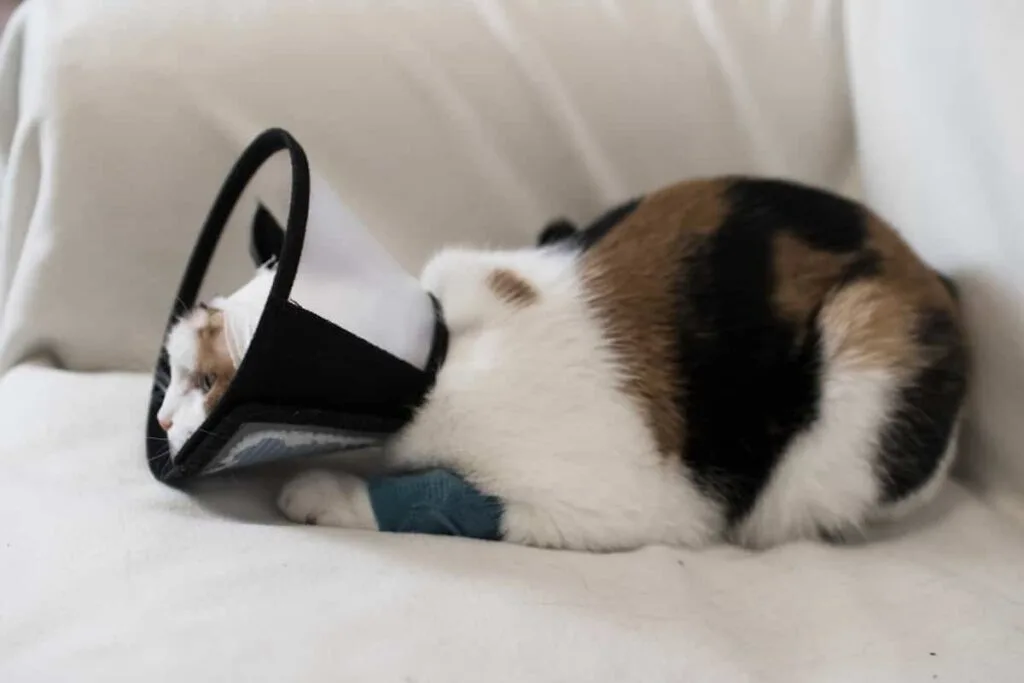
How long should cats wear cones after neuter?
After a cat has been neutered, keeping them from licking or biting its incision site is essential. This is where the cone comes in. The cone is a device placed around the cat’s neck to prevent them from accessing the incision site. But how long should cats wear cones after neuter?
Most cats should wear their cone for 5-7 days after neutering to avoid licking the incision. However, if an abdominal incision is necessary to remove the retained testicle(s), then the cone should remain on for 10-14 days or until your cat’s recheck appointment with the veterinarian.
Keep in mind not all cats do not need the cone for a complete period of 14 days. For example, when our cat got his procedure, he only needed to wear the cone for about 7 days. By then, he had broken his way out of it with his back legs, but he was mostly healed. Besides, most scrotal incisions tend to heal faster.
It is important to note that each cat may have different healing times and require different lengths to wear the cone. It is best to consult your veterinarian to determine the appropriate length of time for your cat to wear the cone after neutering.
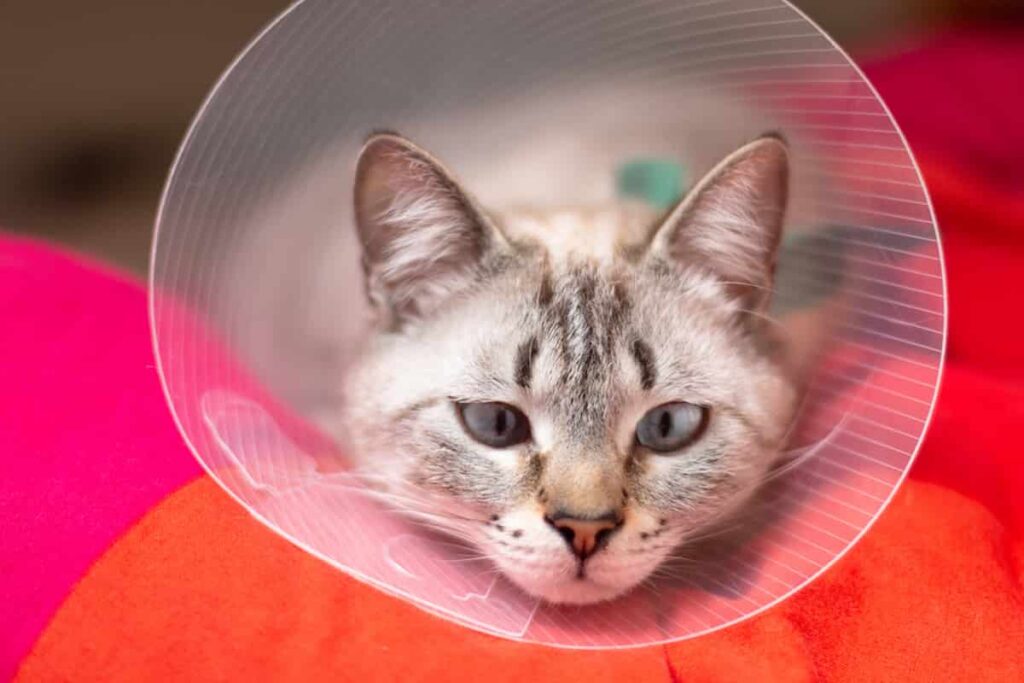
Alternatives to Cones
While cones are the most commonly used tool for preventing cats from licking their incisions after neutering, they are not always the most comfortable or practical option. Fortunately, there are several alternatives to cones that you can consider. Here are a few:
Inflatable Collars
Inflatable collars are a popular alternative to cones. They are soft and comfortable for your cat to wear, but they still prevent them from reaching injury. To put it on, slip it over your cat’s head and inflate the collar to the desired size. Inflatable collars come in different sizes, so you can find one that fits your cat perfectly.
Recovery Suits
Recovery suits are a great option if you want to avoid cones altogether. They are like onesies for cats that cover their incision area and prevent them from licking or scratching it. Recovery suits are comfortable for your cat and come in different sizes and styles, so you can choose one that suits your cat’s needs.
Soft Cones
Soft cones are a more comfortable alternative to traditional cones. They are made of soft materials that won’t irritate your cat’s skin or fur. Soft cones are also flexible, so your cat can move around more easily while wearing one.
UFO Collars
UFO collars are another alternative to cones. They are designed to be more comfortable for your cat and are made of soft, flexible materials. They also have a wider opening around your cat’s neck, which makes it easier for them to eat, drink, and move around.
Remember, choosing an alternative that is comfortable for your cat to wear and prevents them from licking or scratching their incision is essential. Ask your veterinarian if you need help determining which option is best for your cat.
Tips for Making the Cone More Comfortable
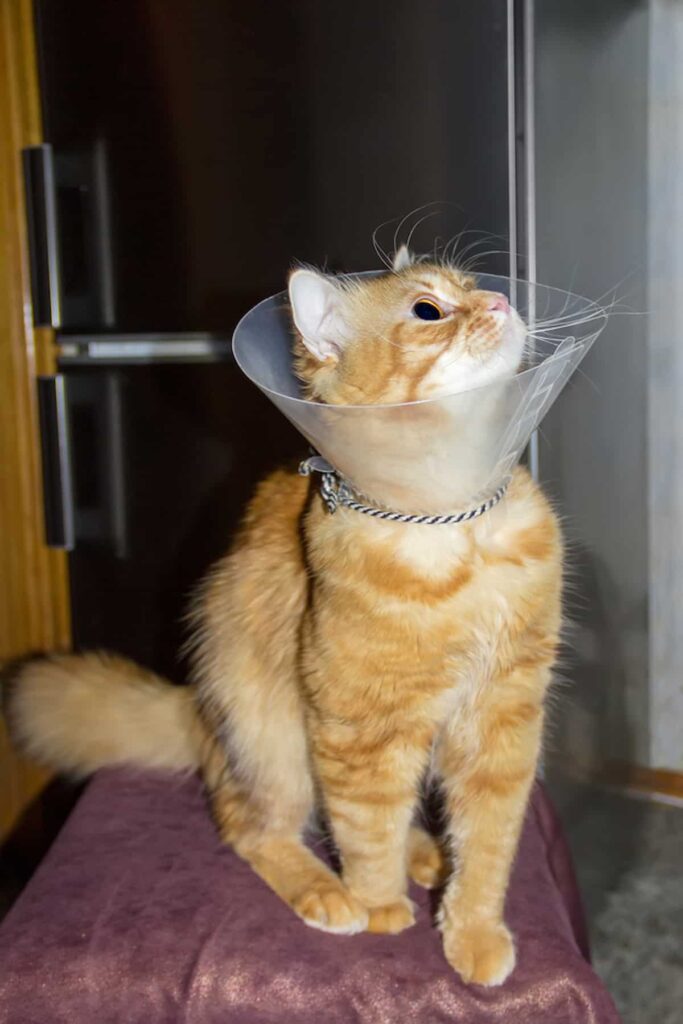
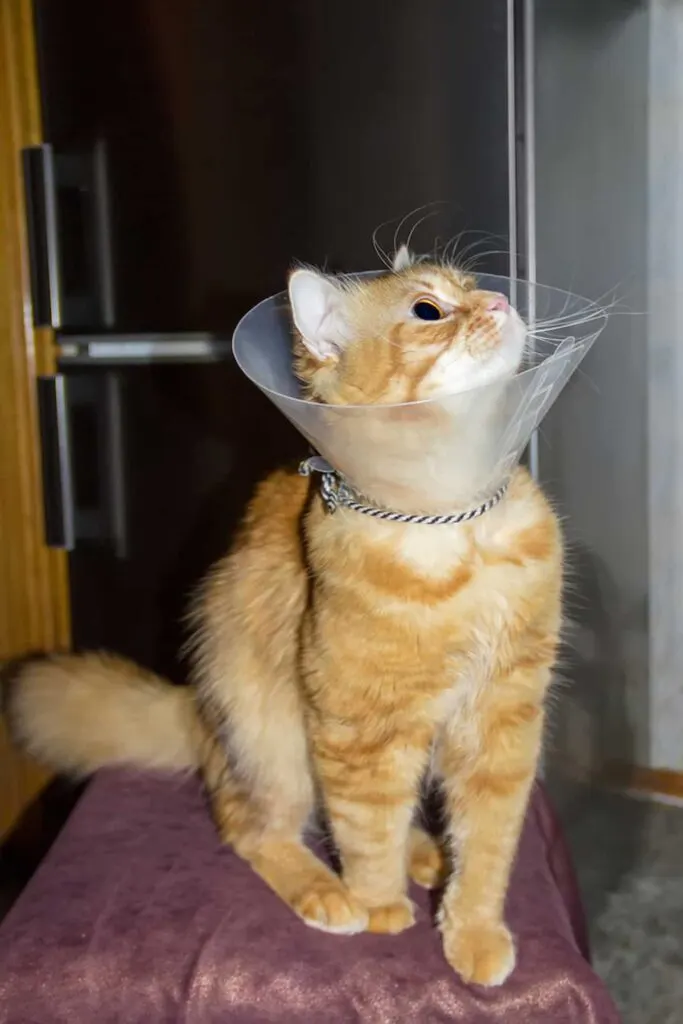
Wearing a cone can be uncomfortable and stressful for your cat, but there are steps you can take to make it a little easier for them. Here are some tips:
- Make sure the cone is the right size for your cat. A too-big or too-small cone can make it difficult for your cat to move around comfortably.
- Try to find a soft cone if possible. Soft cones are more flexible and more comfortable for your cat to wear.
- Add padding to the inside of the cone. You can use cotton balls, gauze, or even a small towel to provide extra cushioning for your cat’s neck.
- Remove the cone for short periods if your cat is eating or drinking. This can make it easier for them to access their food and water without struggling with the cone.
- Keep your cat distracted with toys or treats. This can help take their mind off the cone and make them feel more comfortable.
Remember, following your vet’s instructions and keeping the cone on for as long as they recommend is essential. But by taking these steps, you can help make the experience less stressful for your furry friend.


My name is James, and welcome to FAQCats!
Along with our team of cat owners, expert pet enthusiasts, and pet professionals, we aim to write engaging helpful, engaging content about cats. At FAQCats we strive to provide content that’s accurate and fun to read. Our team writes about everything related to cats; even the most complex of topics. Through extensive research and caring for our own fur-pals, we’re able to provide something cat owners worldwide will love. Have a look around, and leave us feedback anytime!