

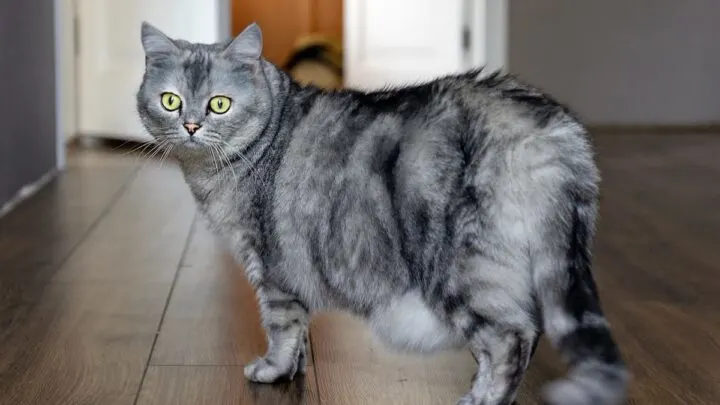
The day has finally arrived, and an exciting, new litter of kittens is on the way. Recognizing when your feline friend is about to give birth can make the entire process much smoother and more comfortable for her. Knowledge is power, so knowing what to expect will also help you stay calm in the moment.
Do cats make noise when giving birth?
Yes, cats will often make noise when giving birth. This may come out as a yowl or other strange sounds, but it’s typically nothing to be concerned about. You may also notice some other behaviors before she goes into labor, like pacing and mild panting.
Read on for more information on what to expect during your cat’s labor and delivery.
Why does my cat’s meow sound different during labor
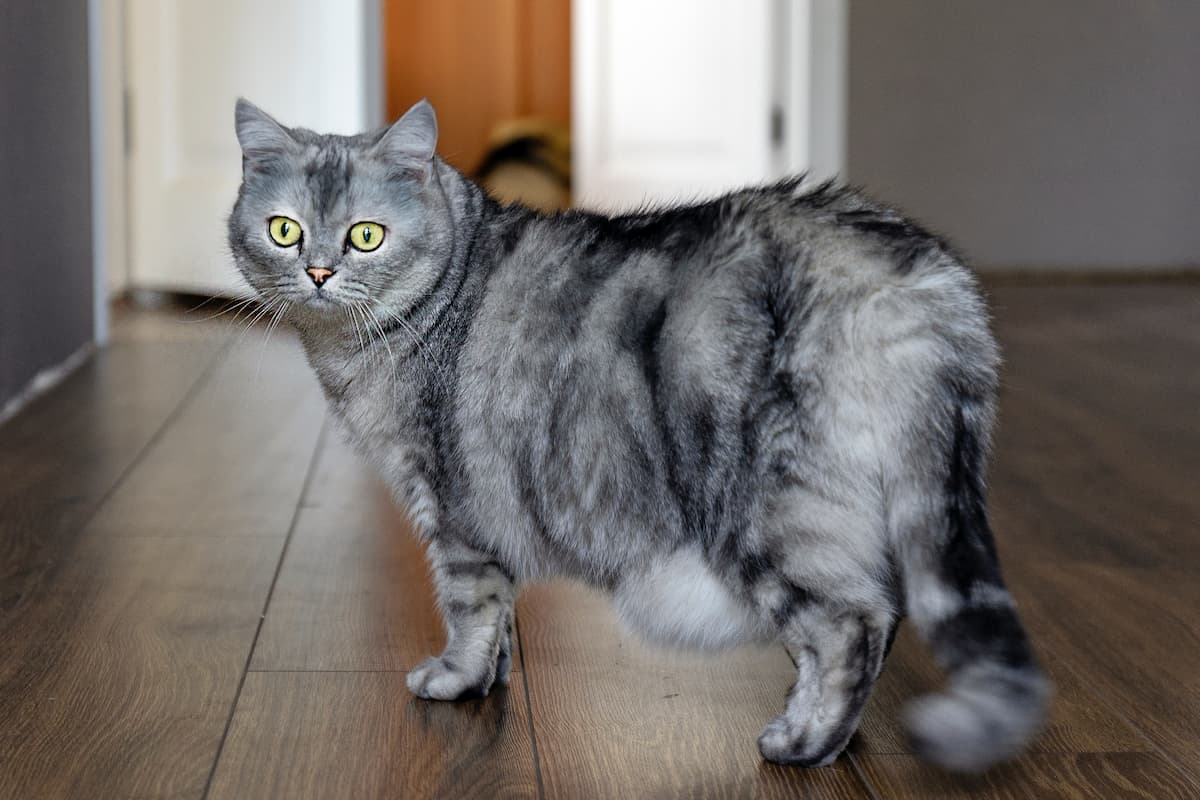
Giving birth isn’t exactly a pleasant activity, and that’s just as true for cats as it is for humans. Your cat’s meowing will likely sound a bit different while she’s in labor. If you ever heard your cat meow while she was in heat, it will usually sound similar to that.
It may be a bit higher in pitch as a way to signal distress and discomfort or simply to bring attention to the situation. You may also notice her panting or licking at her genitals. This is all standard and just a sign that she’s preparing to go into labor.
While it may be stressful to hear your cat meow this way, you can be comforted in the fact that it’s a normal part of the process and not a sign that something is wrong. However, it’s also important to pay attention to any significant changes in the way she is behaving during the labor and to have a plan in place in case you need to intervene.
How do cats prepare for birth
You may notice your pregnant cat “nesting” before giving birth. They will typically search for a dark, quiet space one to two days before giving birth. They want to know that they’ll have a safe spot once the delivery begins.
You can even create this space for her by adding blankets and pillows to a hidden area in your home. You’ll want to get her familiar with this area, so she starts to see it as a potential spot to give birth, but don’t be disappointed if she ends up going somewhere else! Sometimes cats find strange areas they’ve never been in before, like a drawer under a bed. They’ll choose any space that gives them a significant sense of privacy and comfort.
How can you tell if a cat has kittens somewhere
You’ll first notice a significant difference in the physical appearance of your cat. Her stomach will shrink and look much smaller after giving birth to her litter of kittens. You may also notice that her nipples are more enlarged due to her producing milk to feed her litter. Finally, she may be showing signs of increased thirst due to mild dehydration. Be sure to keep her water dish clean and full of fresh water.
The other obvious sign is, of course, finding kittens somewhere. While most cats make it pretty apparent that they’re in the process of giving birth, others may be more stealthy or do it when you’re not at home. You may open your dresser drawer to a surprise! If that happens, don’t move anything. You want to keep the kittens in the space they’ve been left so that the mother knows where to find them again if she walks away.
Should I leave my cat alone when giving birth
In general, it’s best to provide your cat with as much privacy as you can while she’s in labor. This is the case even if they are making noises, it’s normal. Most cats want to be entirely alone during this time and do not want to be petted or touched. Cats are very private creatures, especially during such a vulnerable moment in their lives.
Once your cat has decided which place she’d like to use while giving birth, it’s crucial that you not move her, but you can add a blanket or towel to the space. You can expect the entire process to last up to 12 hours. Your cat may have a lot of loud, disturbing sounds during that time, but it usually isn’t a cause for concern. Just let her have the time and space she needs.
However, you should still be present during her labor to monitor if there are any signs of struggle that would warrant your interaction. It can help to let your vet know ahead of time that your cat will be giving birth and ask if it’s okay to call them during the process for support and advice. If the delivery happens after your veterinarian’s normal hours, it helps to have an emergency backup option just in case. Prepare as much as you can before the birth so you can be ready for any situation.
How do I know if my cat is struggling to give birth
If your cat has been struggling to give birth for over 30 minutes with no sign of a kitten, it can be a sign that she needs help. According to PetMD, difficulty giving birth is called dystocia. Issues can cause it with the cat herself or with her offspring.
Here are a few of the symptoms of dystocia:
- Over 30 minutes of strong and persistent stomach contractions and no delivery
- More than 2 hours between deliveries of kittens
- Excessive cries and displays of pain
- Bloody discharge before delivery of the first kitten or between kittens
There are a few other signs (like a drop in rectal temperature) that a veterinarian best diagnoses. If you notice that your cat is experiencing any difficulties during her labor, it’s best to contact an emergency veterinary service to be advised on the next steps. She may need to be taken in if it’s impossible to continue a safe birth at home.
Keep in mind that these difficulties are not common in cats, but it’s still important to be aware of some symptoms so you can respond quickly.
Final thoughts
Having a new litter of kittens can be an exciting but nerve-wracking time. Your cat will likely have a smooth and easy delivery, but it always helps to be prepared for all scenarios. You should also have a plan in place for what to do with the litter once they are ready to be weaned and separated from their mother. And if you want to prevent any future litters, be sure to spay and neuter your pets!


My name is James, and welcome to FAQCats!
Along with our team of cat owners, expert pet enthusiasts, and pet professionals, we aim to write engaging helpful, engaging content about cats. At FAQCats we strive to provide content that’s accurate and fun to read. Our team writes about everything related to cats; even the most complex of topics. Through extensive research and caring for our own fur-pals, we’re able to provide something cat owners worldwide will love. Have a look around, and leave us feedback anytime!