

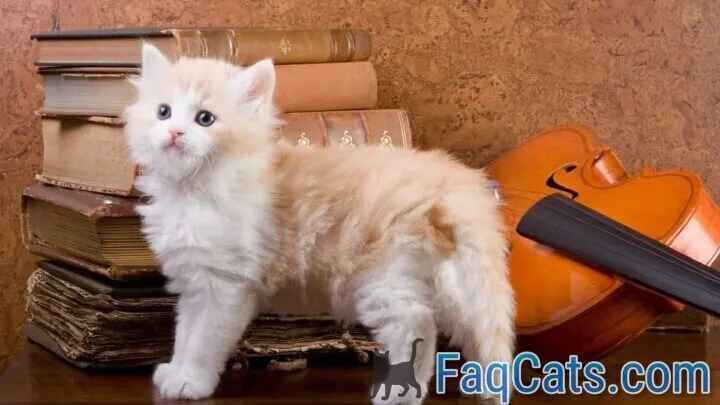
Music is for the ears. Different ears react to different musical sounds depending on what they call “soothing sounds.” Generally, humans’ love for music is different, which is why there are different music genres. But do cats like violin music?
Cats are particular with the type of musical sound they find soothing. Hence, they react differently to various musical sounds, but most casts love violin music.
Now that you know that cats love music and most of them love violin music, you may have other related questions you seek answers to. Let’s dive in and discuss cats’ love for music and their reactions to musical sounds from the violin.
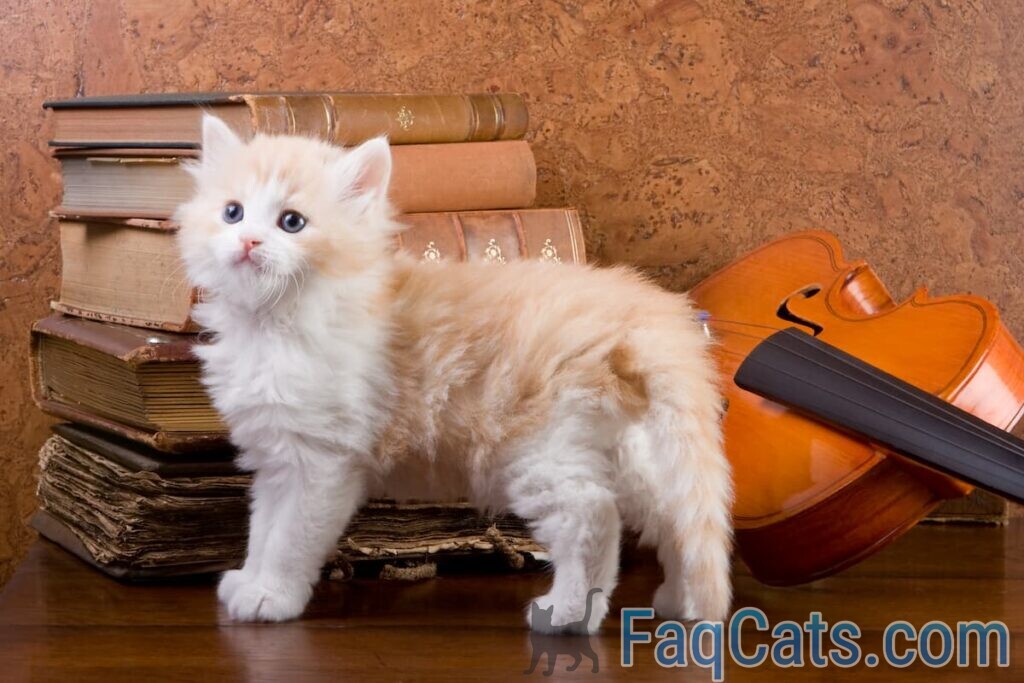

Do Cats Like The Sound Of The Violins?
No. Cats do not hate the musical sound of the violin.
There is a misconception that cats hate the musical sound a violin produces. Meanwhile, they love the violin music, maybe because the pitch and tone sound more like them. The “cat hates violin music” misconception is because of the reaction people’s cat displays when the pet owners are playing their violin. Many a time, pet owners put the blame on the sound their violin produces without considering the prior mood of their cats.
If your cat acts up when you are playing your violin, it is in a bad mood. The reason is that many people often practice their violin with their cats, and these cats often display the best attitude by sitting quietly with their ears stretching in the air. Most of the time, you will find your cat laid on its back and exposed to its belly when you are playing your violin. And cats will only expose their belly when they are happy or excited. Hence, do not blame the musical sounds from your violin when your cat is acting up.
Do Violins Hurt Cats’ Ears?
No! Cats’ ears are built differently. They can listen to sounds that are an octave higher than the voice produced by humans.
The frequency in which cats communicate is higher than human voices. And the musical sound from a violin is louder than the highest sound of a human voice. Hence, the sound from a violin will not hurt a cat’s ears but keep them calm and happy (you can tell from the shape of their pupils).
This, however, does not mean that cats have soundproof ears. There is a limit to the frequency of sounds a cat can withstand without hurting its hearing ability. If you expose your cat to too much noise (to about 120 dB) for an extended period, your cat will experience hearing loss. But you can avoid this by protecting them from noisy environments.
Lastly, soothing musical sounds from a violin can not hurt your cat’s ears or hearing ability. But your cat’s ear can be hurt by loud noises that often come with adverse effects like fear and anxiety, which are bad for their health.
What kind Of Music Do Cats Listen Too?
There is not a specific kind of music that cats love to listen to; it all depends on the type of music your cat likes.
Generally, cats love soothing and calm musical sounds, irrespective of their age. The musical sounds they cherish or get them in the mood may include classical music and musical sounds produced from certain musical instruments, like the violin. Hence, you can leave your television and music player on before leaving home for work or any reason. Meanwhile, the music playing on your Tv or music player should be soothing and calm music.
Although cats can dig the music humans listen to, a special type of music has been developed solely for cats. This kind of music is called species-specific music or cat-specific music, and they are calming and soothing sounds appreciated by most cats.
According to the New York Times, this cat-specific music sounds like the chirp sound produced by birds but with a hurried steam effect serving as the sound’s energizing effect. The sound from cat-specific music may sometimes be described as a combination of purring and sucking sounds placed side by side with the appropriate effects and tempo to generate a soothing sound.
Lastly, cats often favor cat-specific musical sounds because they match their hearing frequency. They also find the music tempo soothing and calming to their hearing. At the same time, cats love human music, but it depends on the choice of music you play for them.
Can Classical Music Calm Your Cat?
Yes! Playing classical violin music is arguably the most suitable way to calm and keep your cat relaxed.
Playing classical music with a violin is the sound cats find calming. However, this is not random speculation but was obtained from various scientific research. The research involves the use of various musical sounds to test to find the most preferred sound cats would love.
This research involved the use of headphones connected to certain music players and a heart monitor. Different cats played different genres of musical sounds via headphones. This research was a surgical procedure involving a heart monitor connected to the cats’ tongues. The heart monitor then measured the cats’ pulse, and the size (diameter) of the cats’ pupils were also recorded.
The cats were made to listen to music while they were undergoing surgery. Of the various cats and musical sounds played during the cats’ surgery, only those listening to classical music were more relaxed than others. Therefore, playing your cat classical music from the violin will produce a soothing sound to make them relaxed and calm.
Conclusion
Cats like music as humans do. They may listen to human music, but a certain sound of music called species-specific or cat-specific music has been designed to calm them. Hence, do not fall for the misconception that “cats hate music” because they make love music.
Violin music, especially classical music, is the best relaxing music for cats. Violin music does not hurt cats’ ears or tamper with their hearing ability. Instead, they keep cats relaxed and calm. Classical violin music is the most soothing, relaxing, and calming for your feline of the various musical sounds for cats.


My name is James, and welcome to FAQCats!
Along with our team of cat owners, expert pet enthusiasts, and pet professionals, we aim to write engaging helpful, engaging content about cats. At FAQCats we strive to provide content that’s accurate and fun to read. Our team writes about everything related to cats; even the most complex of topics. Through extensive research and caring for our own fur-pals, we’re able to provide something cat owners worldwide will love. Have a look around, and leave us feedback anytime!