

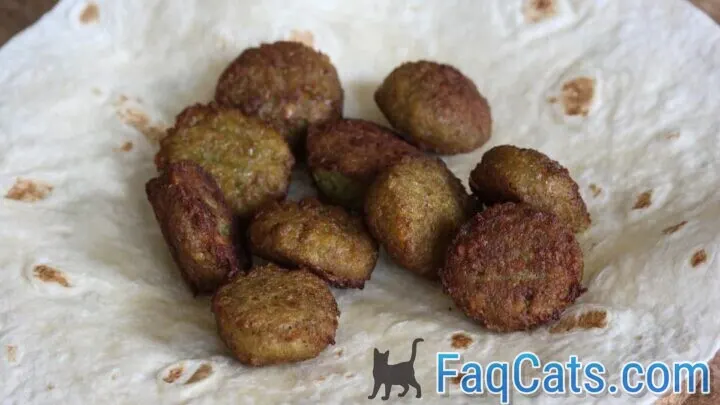
With more and more meat substitute products hitting the market, it’s only natural that some cat owners wonder if they can use a veggie meat for their cat’s diet instead. Plus, with brands like Quorn tasting better all the time, more vegetarian and vegan cat owners are hoping they’ll be able to switch their cats over soon.
But, you’ve always got to keep your cat’s safety and needs in mind before making any changes to their diet. So, can cats eat Quorn?
No. Quorn is an unsuitable food for cats for a few reasons, including not providing necessary nutrients and containing potentially toxic and harmful ingredients that aren’t good for your cat’s overall health. While your cat might be interested in Quorn and other veggie meat products, they don’t contain the nutrients your cat needs to thrive.
So, for now, at least, you should stick to traditional meaty cat foods. They’re the only food that fully supports your cat’s needs as an obligate carnivore.

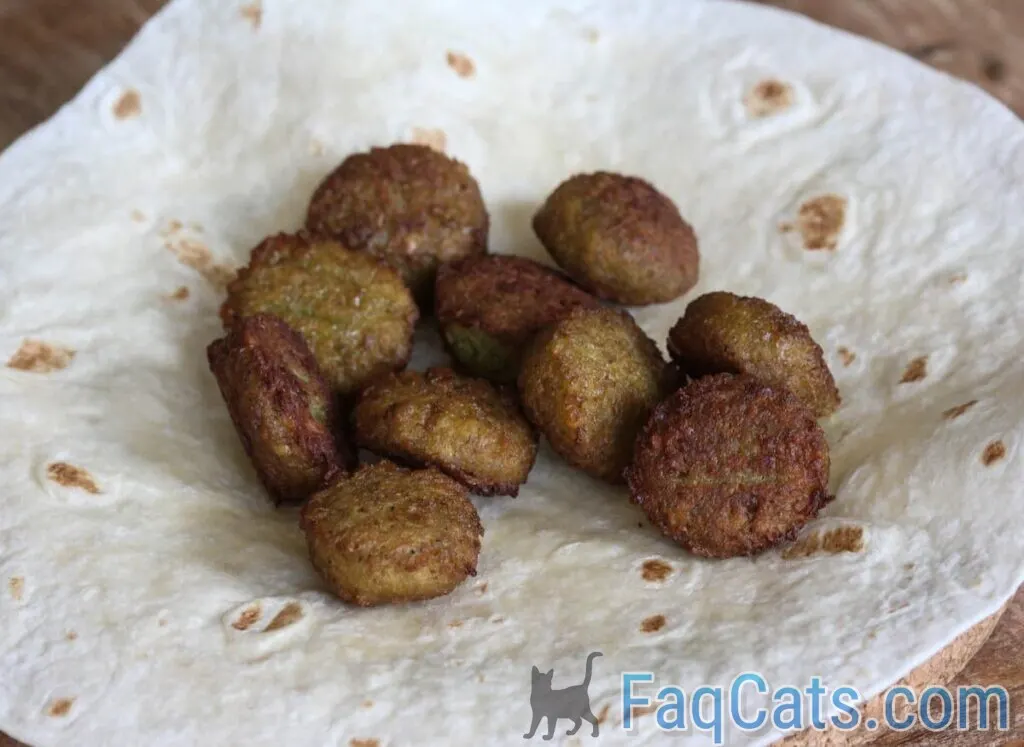
Can Cats Eat Quorn?
We know we’ve already answered this question, but it’s an important issue, so it’s worth going into a little more detail than we could in the first section. Don’t worry; we’ll talk about other cat food options and what kinds of food your cat needs in a big.
First, let’s talk about what Quorn is. Many people know that Quorn is a veggie-based meat substitute, but that doesn’t give us enough detail when it comes to cat health.
Quorn is made from a processed mycoprotein. It’s the proteins produced by a specific fungus, a bit like a mushroom, that have been processed to create specific textures and flavored with added seasonings and spices to make it taste a bit more like meat or to mimic the flavor of meat products like taco meat or sausage.
There are a couple of problems with Quorn as a product for cats. While it’s full of protein and nutrients that are useful for people, cats can’t digest mycoprotein as well. And, since cats get most of their nutrients from protein, that’s a big problem.
The other main issue with Quorn for cats is the seasonings. Many varieties of Quorn contain both garlic and onions to provide extra flavor and umami, both of which are highly toxic to cats. Quorn also tends to contain a lot of salt, and too much sodium can be a big problem for cats.
So, Quorn isn’t a good option because it doesn’t provide good bio-available nutrients to cats and because it often contains ingredients that are toxic and harmful to your cat’s health.
Can Cats Eat Veggie Meat?
So, Quorn isn’t a good option, but are there any veggie meat alternatives that your cat can eat?
No. Not right now.
There is a possibility that at some point in the future, we will have a meat product that mimics the proteins, amino acids, and molecular structure of meat well enough that cats will be able to eat it instead of natural meat. But, there aren’t any vegetarian meat products that can fulfill your cat’s nutritional needs right now.
One option that might be available eventually, while still meat, is lab-grown meat. In theory, if lab-grown meat were made affordable enough to use in pet foods, that could be one option to separate your cat’s food from the traditional animal meat industry.
But, no matter the possibilities, the future, we aren’t there yet. For now, your cat will be happiest and healthiest with a diet based on real meat and balanced for their unique digestive systems as obligate carnivores.
What Vegetarian Foods Can Be Given To Cats?
Well, this is a tricky question. There are a few vegetarian foods that cats can eat, like fully cooked unseasoned eggs. However, most vegetarian foods are unsuitable for cats, and your cat will never get all of its nutritional needs from a vegetarian diet.
For instance, you might get some cat grass for your feline friends, but you shouldn’t expect them to live on it. Similarly, some vegetables, including spinach, lettuce, carrots, and pumpkin, are cat-safe and might even have some benefits for your cat. But, without enough meat in their diets, they won’t be able to get those benefits.
Even if you choose to offer your cat vegetarian foods, they need to get a high percentage of their calories (the vast majority of them) from meat-protein-based foods like meat, bone broth, or other meat products.
A little egg or vegetable now and then might be good treats, but even with help from egg and other vegetarian protein sources, your cat won’t have a healthy diet without meat.

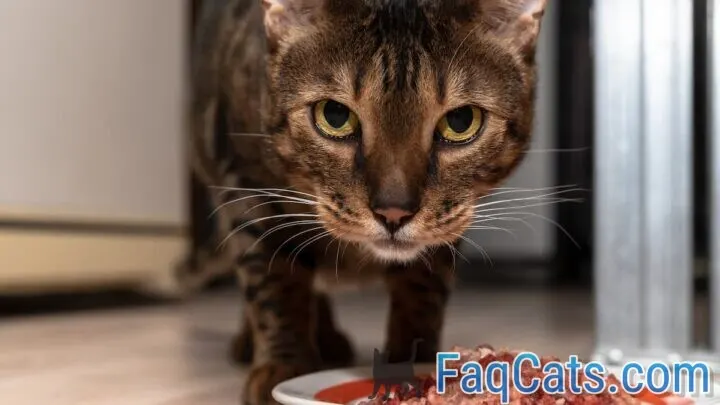
What Foods Can’t Cats Eat?
There are a lot of different foods that cats can’t or shouldn’t eat. A lot of fruits and vegetables either are a bad mix of nutrients for calories, just aren’t digestible, or are outright toxic for your cat.
Even when it comes to meat and meat-based products, cats still need a good balance of water, protein, and fats to keep their bodies healthy.
That means a relatively narrow list of foods that are good for your cat and a long list of foods that your cat can’t or shouldn’t eat.
Here is a shortlist of some of the foods your cat absolutely cannot have:
- Allium vegetables (onions, leeks, garlic, etc.)
- Cooked bones
- Large bones
- Overly fatty meats (certain cuts of beef, mutton, etc.)
- Cocoa and chocolate
- Salty foods
A lot of other fruits and vegetables should also be on that this. Rather than listing them all, we’d recommend always making sure you look up whether a fruit or vegetable is safe for your cat. If you’re not sure, or your cat has special dietary requirements, you need to double-check; you can also ask your vet for a list of safe foods you can use to supplement your cat’s diet.
Things To Consider
There are many moving parts when it comes to figuring out what foods you should include in your cat’s diet. Even if you’re sticking to pre-made cat foods, there are many different options and formulations to choose from; there can be a lot of decisions to make.
If you’re ever concerned about a food change or addition to your cat’s current food, you can always consult with your vet to see what they recommend.
You can also consult with your vet if you’re concerned about your cat’s diet and overall health. They’re the experts that can either help you craft a customized diet or adjust your cat’s current diet to meet your pet’s specific needs.
While it’s understandable to want your cat to follow the same diet restrictions you do, especially if you’re a vegetarian for ethical reasons, it’s incredibly important to remember that your cat can’t safely follow those restrictions. You can, however, look for ethically sourced foods and options that are more environmentally sound.


My name is James, and welcome to FAQCats!
Along with our team of cat owners, expert pet enthusiasts, and pet professionals, we aim to write engaging helpful, engaging content about cats. At FAQCats we strive to provide content that’s accurate and fun to read. Our team writes about everything related to cats; even the most complex of topics. Through extensive research and caring for our own fur-pals, we’re able to provide something cat owners worldwide will love. Have a look around, and leave us feedback anytime!