
If you’ve run out of cat shampoo, you may be wondering what you can use as a shampoo and conditioner for your cat at home. But is it safe to use human hair care products on a cat? Can you use human conditioner on cats?
No, it is not recommended to use a human conditioner, or any human hair care product for that matter, on cats. This is because cats have sensitive skin, and the chemicals found in human hair care products will surely cause skin irritation to your cat. Cats groom themselves often, meaning they would also be consuming the chemicals in human hair care products. This should be avoided as it can cause minor stomach irritation and, in some cases, severe issues.
So now that you know not to bathe your cat with human hair products, you likely have more questions regarding bathing your cat. This article will answer everything you need to know about that!

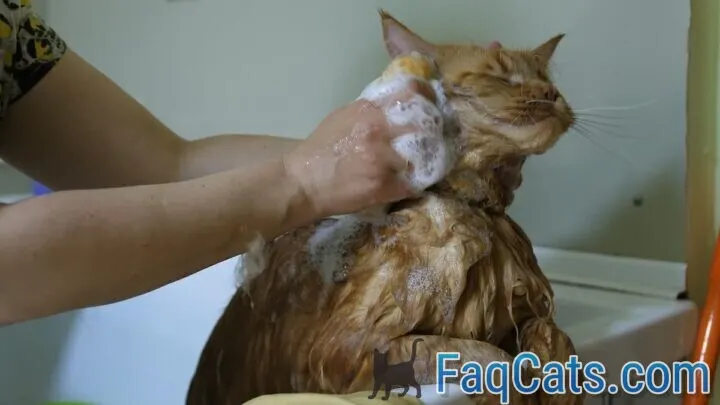
Is conditioner harmful for cats?
Yes, your cat can get sick from human hair products. This is because human hair care products are made to leave the product on the hair. Therefore, if you use these products on your cat, they’ll ingest it and get sick. It can also cause skin irritation, so it is best to not use any human hair products on your cat.
How can I soften my cat’s fur?
The two ways below are the best ways to soften your cat’s fur without causing damage by adding product to their skin and hair.
Brush Your Cat Regularly
It is ideal for brushing your cat daily for at least 5 minutes to remove any dead skin cells, hair, dirt, and tangles. This is an entirely free way to provide your cat with a shiny, soft coat while also bonding with your cat. Additionally, brushing your cat daily will also lessen the chances for hairballs which are very uncomfortable for cats.
Healthy Diet
Foods containing high amounts of Omega 6 and Omega 12 are perfect when trying to soften your cat’s coat. Fish items, such as salmon, trout, and tuna are great options for this. However, never give your cat raw fish or any fish containing bones. You should feed your cat fish or wet fish-based food at least once a week.
Can I put coconut oil on my cat?
Yes, you can put coconut oil on your cat. It is beneficial to your cat and can go directly on the skin or be given orally for a shiny coat. However, when administered directly to the skin, it also can suffocate fleas and ticks due to the fat contents of coconut oil. When adding coconut oil to food, add a small amount daily to promote healthy skin and fur.
What can I use to wash my cat if I do not have cat shampoo?
If you do not have cat shampoo currently in the house, but your cat desperately needs a bath, there are a few things you can use that you may already have in your home, such as:
Baby Shampoo
Unlike typical adult shampoo, baby shampoo has a much gentler formula. Be sure you’re only using a non-fragranced one and a no tears formula to make it as gentle as possible. Avoid using on an every bath basis.
Dawn Dish Soap
You’ve likely seen the commercials where they use dawn dish soap at rescue centers to strip animals of any oily or sticky residue on their fur. This makes it a perfect brand of dish soap to use on your cat if needed. Do not use other dish soaps as they may irritate your cat’s skin or be less effective. It is best to mix ¼ of dawn dish soap with ½ cup of apple cider vinegar with 2 cups of water to blend easily into your cat’s fur.
Castile Soap
This soap uses olive oil, making it safe, gentle, and naturally hydrating for your cat’s sensitive skin. However, be sure your Castile soap has no added ingredients and that you’re rinsing their coat well to remove all residue.
Baking Soda
This is a great option for cats who don’t like getting wet or just need some freshening up. Just sprinkle some baking soda onto your cat, avoid the face and massage it in, let it sit for a couple of minutes, and then brush it out. After brushing, use a dry towel to remove as much as possible.
Pet Wipes
Another great way to deodorize your cat without bathing it is by using pet wipes. Wipe your cat down with the wipes, and it will remove dirt and odor.
How often should you wash your indoor cat?
Cats do a pretty thorough job bathing themselves. However, every 4-6 weeks, they should be bathed to remove the debris in their fur they can’t remove. If you have a hairless cat, it may require more frequent bathing to remove excess oils from the skin.
How do you bathe an uncooperative cat?
If your cat despises bath time, you can do a few things to keep your cat calm enough to endure the bath.
Keep Yourself Calm
If you are uneasy, your cat will feel anxious. Keeping your anxiety down is the best way to keep your cat’s anxiety down.
Use A Mat Or Towel
If your cat does not feel secure, they’re more likely to want to jump out of the tub or sink. Place a mat or wet towel on the bottom of the sink or tub to ensure your cat does not slide and can get a proper grip while standing.
Proper Water Temperature
Ensure the water temperature isn’t too hot or too cold. The water should be lukewarm to keep your cat’s sensitive skin comfortable.
Provide Treats
Offering treats during and after the bath is a great way to keep your cat calm and well-behaved. You may even be able to get your cat to begin to look forward to bathing just for the treats.
Conclusion
You should never use human hair products on your cat due to their extremely sensitive skin. Instead, you can use many alternative products if you don’t have cat shampoo currently in your home. Be sure not to over bathe your cat. They should be bathed every 4-6 weeks unless you have a hairless cat. Hairless cats will need to be bathed more frequently. If you want your cat to have a shiny, soft coat, do not over bathe; instead, regularly brush your cat and add fish high in Omega 6 and Omega 12 to their diet.


My name is James, and welcome to FAQCats!
Along with our team of cat owners, expert pet enthusiasts, and pet professionals, we aim to write engaging helpful, engaging content about cats. At FAQCats we strive to provide content that’s accurate and fun to read. Our team writes about everything related to cats; even the most complex of topics. Through extensive research and caring for our own fur-pals, we’re able to provide something cat owners worldwide will love. Have a look around, and leave us feedback anytime!