

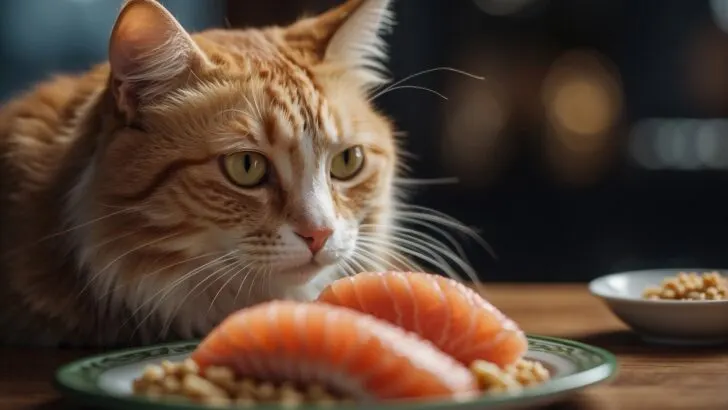
Yes, cats can indeed enjoy freeze-dried salmon as part of their diet. Think of the times you’ve watched your furry friend’s eyes light up at the prospect of a fishy treat. Freeze-dried salmon, specifically made for cats, not only serves as a tasty treat that can aid in training and rewarding good behavior but also provides essential nutrients.
Just remember to break it into smaller pieces for easy eating and to prevent overfeeding, much like you would be cautious with any other treat to maintain a balanced diet.
Freeze-dried cat food, which often includes options like salmon, has become a go-to for many pet owners seeking a less processed, more nutritious alternative to traditional cat food.
These products preserve the natural goodness of fresh salmon while eliminating moisture. This means your cat gets a concentration of the high-quality protein and Omega-3 fatty acids that are essential for maintaining a healthy coat and skin.
It’s important to note, however, that it should not replace their regular meals entirely, but rather complement a well-rounded diet.
Incorporating a sprinkle of freeze-dried salmon over their usual food can be an excellent way to boost flavor and nutritional value, making mealtime even more enticing for your picky eaters.
Understanding Cat Nutrition
When it comes to feeding your feline friend, knowing the essentials of cat nutrition is key to ensuring a healthy and balanced diet. Let’s break down the vital components that every cat parent should be aware of.
Protein and Amino Acid Requirements
Your cat is an obligate carnivore, which means they rely on protein as the cornerstone of their diet.
Protein not only provides energy but also supplies essential amino acids. Taurine is one such amino acid that is critical for your cat’s health, and it is found only in animal-based proteins. Without it, cats can suffer from heart disease, vision problems, and other health issues.
Ensuring their diet includes enough high-quality protein like freeze-dried salmon is essential to their well-being.
Essential Fatty Acids for Cats
Fatty acids play a pivotal role in the health of your cat, especially omega-3 and omega-6 fatty acids.
These are termed “essential” because cats can’t produce them on their own. Sources like freeze-dried salmon are rich in EPA, an omega-3 fatty acid that supports brain function and helps to maintain healthy skin and a shiny coat.
It’s important to strike the right balance between omega-3 and omega-6 fatty acids to promote optimal health in your feline companion.
Vitamins and Minerals in a Cat’s Diet
Cats need a variety of vitamins and minerals to live a healthy life. For instance:
- Calcium and magnesium are vital for bone health.
- Iron is crucial for blood health, assisting in the transport of oxygen throughout the body.
- Zinc supports a healthy immune system and skin.
- Vitamin B12 and vitamin D are essential for nerve function and bone health, respectively.
- Potassium is important for muscle and nerve function.
These nutrients help prevent diseases and support overall bodily functions.
It’s important to ensure your cat’s diet is varied and balanced, as an excess or deficiency of certain vitamins and minerals can lead to health problems.
The Benefits and Risks of Feeding Freeze-Dried Salmon
When considering adding freeze-dried salmon to your cat’s diet, it’s important to weigh its nutritional value against potential health concerns. This delicacy can be a great source of protein and essential omega fatty acids but requires careful handling and knowledge to prevent health risks.
Nutritional Advantages of Freeze-Dried Salmon
- Protein: Freeze-dried salmon is a rich source of high-quality protein which is crucial for your cat’s muscle maintenance and repair.
- Omega Fatty Acids: It’s loaded with omega-3 and omega-6 fatty acids, known for supporting skin, coat health, and aiding in brain function.
- No Added Preservatives: Compared to some canned salmon options, freeze-dried salmon often comes without added sodium or preservatives, making it a healthier choice in that regard.
Potential Concerns and Precautions
- Parasites and Bacteria: Unlike cooked salmon, freeze-dried salmon may not always go through a process that kills parasites or bacteria like salmonella, which can be harmful to both your pet and you.
- Imbalanced Diet: Salmon should not be the sole component of your cat’s diet. It lacks some essential nutrients and amino acids your cat needs to stay healthy.
- Allergic Reactions: Some cats may have or develop allergies to seafood, including salmon. Starting with a small amount is a good way to check for any adverse reactions.
- Contamination: Always source freeze-dried salmon from reputable brands that prioritize quality sourcing and manufacturing to reduce the risk of contamination and ensure the product’s safety.
Selecting the Right Salmon Treats for Your Cat
When spoiling your furry friend with treats, choosing the right type of salmon treats can contribute to their health and happiness. Here’s how to ensure you’re picking the best ones.
Identifying High-Quality Salmon Treats
High-quality freeze-dried salmon treats are a nutritious addition to your cat’s diet.
- Wild-caught salmon is often preferred as it usually contains lower levels of mercury compared to farmed salmon. Look for treats that have salmon as the first ingredient and lack additives, preservatives, and artificial colors or flavors.
- Ingredients: Wild-caught salmon, potentially mixed with other beneficial ingredients such as omega fatty acids for healthy skin.
- Texture: Freeze-dried to lock in nutrients and provide a satisfying crunch.
Understanding Product Labels and Ingredients
Product labels give you a wealth of information about the treats you’re considering.
- Ingredients List: The simpler, the better. Aim for treats with few and recognizable ingredients.
- Guaranteed Analysis: This section provides information about the nutrient content, such as protein and moisture levels, which are vital for hydration.
Tip: Check customer reviews for firsthand experiences regarding taste, freshness, and cat appeal.
Recommended Feeding Practices
Moderation is key. While salmon treats can be a flavorful snack and part of a balanced diet, they should not replace your cat’s main meals. Here’s how to incorporate salmon treats responsibly into your pet’s routine:
- Limit treats to 10% of the daily caloric intake.
- Ensure the main diet is complete and balanced.
- Use treats to incentivize behavior or as a small snack between meals.
Integrating Freeze-Dried Salmon Into Your Cat’s Diet
When you’re looking to enrich your cat’s diet with freeze-dried salmon, it’s important to focus on moderation and proper integration. Let’s explore how you can incorporate this tasty treat into your feline’s meals safely and effectively.
Combining with Other Foods
To ensure a balanced diet, combine freeze-dried salmon with other cat foods. Introduce small amounts of salmon into their usual dry or wet food to add variety.
- Dry Food: Sprinkle a teaspoon of crumbled freeze-dried salmon on top.
- Wet Food: Mix in a pinch of salmon to their favorite pate or chunks.
Remember, salmon should only be a supplement to a complete and balanced meal that includes all the necessary nutrients your cat needs.
Hydration Considerations
Although freeze-dried salmon is a great source of protein and omega-3 fatty acids, its low moisture content requires extra hydration measures.
Make sure there’s always a fresh water bowl accessible, as cats on a diet with freeze-dried components tend to need more water.
Alternatively, you can rehydrate the salmon before serving:
Rehydration Method:
- Soak the freeze-dried salmon in a tablespoon of water until soft.
- Serve once the salmon has absorbed the liquid.
This method can be particularly beneficial for cats with sensitive stomachs or who need encouragement to drink more water.
Consulting with a Veterinary Nutritionist
Discussing your cat’s diet with a veterinary nutritionist can prevent health issues related to improper feeding. They can provide personalized advice to ensure that the introduction of freeze-dried salmon maintains the health and happiness of your cat.
They may also suggest dietary adjustments, especially if your cat has a history of disease or particular health requirements.


My name is James, and welcome to FAQCats!
Along with our team of cat owners, expert pet enthusiasts, and pet professionals, we aim to write engaging helpful, engaging content about cats. At FAQCats we strive to provide content that’s accurate and fun to read. Our team writes about everything related to cats; even the most complex of topics. Through extensive research and caring for our own fur-pals, we’re able to provide something cat owners worldwide will love. Have a look around, and leave us feedback anytime!