
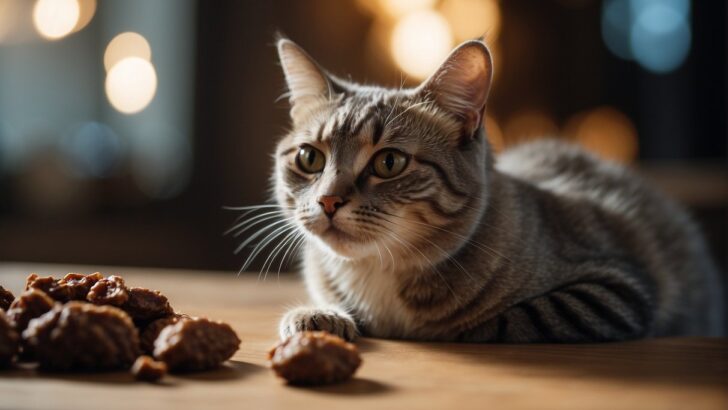
Freeze-dried beef liver can indeed be a healthy treat for your cat, offering a plethora of nutrients without the mess of handling raw liver. When you sprinkle a bit over their regular food, it can entice even the pickiest eater with its potent aroma and rich flavor.
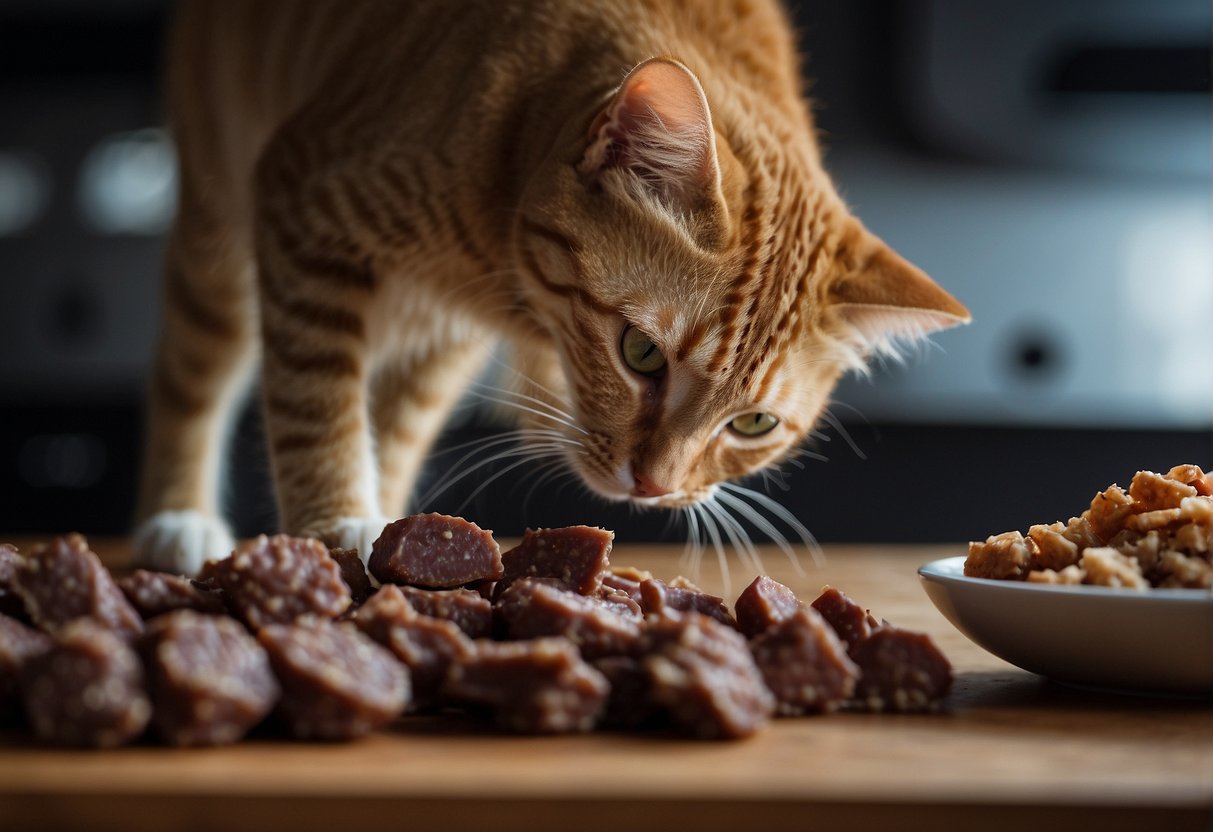
Understanding the dietary needs of cats is crucial, as they’re obligate carnivores requiring high-quality animal protein to thrive.
Liver, particularly beef liver, is a nutritional powerhouse that provides protein, essential vitamins like vitamin A and B complex, and minerals such as iron and zinc. These are all elements that contribute to maintaining a healthy coat, sharp vision, and overall well-being in cats.
It’s all about balance, though. Just as you wouldn’t want to overindulge in your favorite snacks, moderation is key when incorporating treats like freeze-dried beef liver into your cat’s diet.
As with any dietary addition, observing your cat’s reaction is important. While it’s rare, some cats might not tolerate beef liver well or could have a sensitivity to it.
So, when you first introduce this treat, start with small amounts to ensure it agrees with your furry friend’s digestive system.
With these few considerations in mind, you can confidently add freeze-dried beef liver to the list of delicacies to occasionally pamper your cat with.
Benefits of Freeze-Dried Beef Liver for Cats
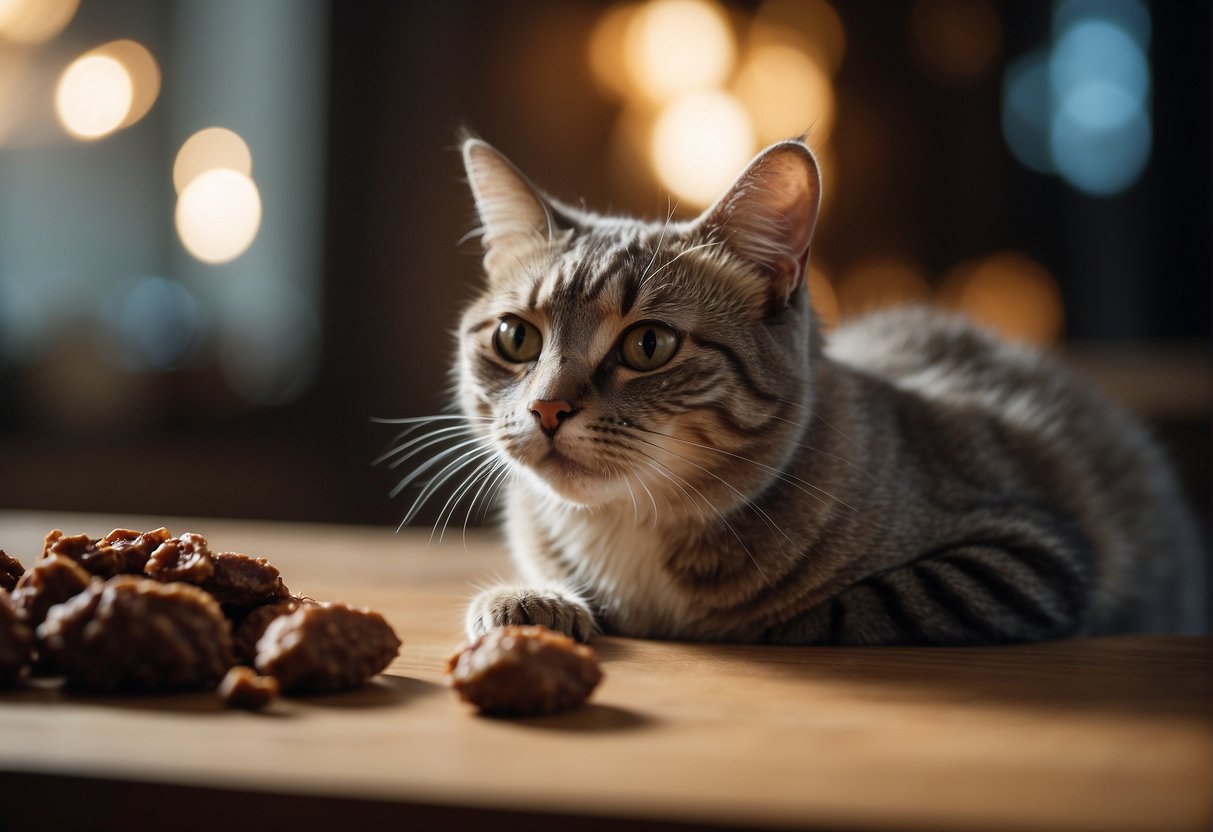
When you’re looking to give your feline friend a treat that’s not only tasty but also packed with health benefits, freeze-dried beef liver is a top choice. Let’s break down why it’s so good for your cat.
Rich Nutritional Profile
Freeze-dried beef liver is a nutrient-dense food that provides a wide variety of essential vitamins and minerals.
It’s an excellent source of protein, which is crucial for building and maintaining your cat’s muscle mass. The protein in beef liver is highly digestible for cats, ensuring they get the full benefit of this nutrient.
Moreover, it contains all the essential amino acids your cat needs, which they must get through their diet, as their bodies don’t produce these naturally.
Vitamins and Minerals:
- Vitamin A: Vital for vision, growth, immune function, and skin and coat health.
- Iron: Essential for the formation of hemoglobin in red blood cells, which transports oxygen around the body.
- B Vitamins: Important for the metabolism and maintaining energy levels.
Supporting Overall Health
Beyond its impressive range of nutrients, beef liver can positively impact your cat’s overall health.
The antioxidants in beef liver, for instance, help support the immune system, reducing the risk of disease and infection.
Vitamin A plays a critical role in skin and coat health, helping your furry friend maintain a shiny coat and healthy skin.
Furthermore, the iron in beef liver helps prevent anemia by supporting the production of red blood cells.
Considering Cat’s Dietary Needs
When planning your cat’s meals, it’s essential to remember that cats are obligate carnivores with specific nutritional requirements.
An ideal diet for a feline should include a balance of proteins, vitamins, and other nutrients to support their health.
Adequate Portioning
Portion size is crucial when integrating freeze-dried beef liver into your cat’s diet.
Cats require a certain amount of protein daily, but overfeeding can lead to weight gain and other health issues.
As a rule of thumb, treats like beef liver should make up no more than 10% of your cat’s total daily calories.
Age-Specific Considerations
Kittens and adult cats have different nutritional needs; kittens, for example, require more protein and certain vitamins like vitamin A for rapid growth and development.
On the other hand, older cats may benefit from a lean protein source like beef liver to maintain muscle mass without excess calories.
Rotation and Variety in Diet
Just like us, cats appreciate some diversity in their meals.
Regularly rotating the types of protein in your cat’s diet can prevent boredom and promote a balanced diet.
Incorporating a mix of raw, wet, and dry foods, while ensuring all are made with high-quality ingredients, can make mealtime more palatable and nutritious for your cat.
Potential Risks and Considerations
When offering freeze-dried beef liver to your feline friend, it’s crucial to be aware of the potential risks and considerations to ensure their health and happiness.
Importance of Moderation
Moderation is key to introducing freeze-dried beef liver treats into your cat’s diet.
These treats are rich in nutrients but should not replace a balanced meal.
It’s recommended to give these treats sparingly, as too much can lead to health issues like vitamin A toxicity, which causes symptoms such as lethargy, bone pain, and stiffness.
Keep treats to less than 10% of your cat’s daily food intake to avoid digestive upset like vomiting or constipation.
Allergic Reactions and Sensitivities
Just like humans, some cats can have allergies or sensitivities to certain foods.
Introduce new treats like beef liver slowly and watch for adverse reactions, such as vomiting, diarrhea, or skin issues.
If you notice signs of an allergic reaction, discontinue the treats immediately and consult a veterinarian for advice.
Choosing High-Quality Products
Not all freeze-dried beef liver treats are created equal.
Always choose high-quality, reputable brands known for their safety and nutritional value.
Products without preservatives and additives are safest for your cat.
Read labels carefully, and if unsure, ask your veterinarian for product recommendations to ensure you’re offering the best treat options that are safe from potential choking hazards or other health risks.
Incorporating Beef Liver into Your Cat’s Diet
When it comes to your cat’s well-being, adding beef liver to their diet can offer a variety of nutritional benefits. Beef liver is rich in high-quality protein and essential B vitamins, making it a prime choice for boosting your pet’s health and vitality.
Different Forms of Beef Liver Treats
Freeze-Dried Beef Liver: This form retains flavor, aroma, and nutrients without the need for preservatives, making it a desirable snack for your cat. It’s often used in training due to its enticing texture and taste.
- Fresh Liver Treats: A more traditional option, fresh liver can be served cooked or raw, depending on your cat’s preference and your veterinarian’s advice. Ensure it’s from a reputable supplier to avoid contaminants.
Preparing Homemade Beef Liver Treats
Step 1: Purchase organic beef liver from a trusted source to ensure quality. Step 2: Slice the liver into bite-sized pieces suitable for your cat. Step 3: Cook lightly or serve raw if safe for your cat; consult with your vet. Note: Balance is key. Liver should supplement your cat’s diet, not replace complete cat food.
Store-Bought vs. Homemade
- Convenience: Store-bought freeze-dried liver treats offer convenience. Homemade treats require time to prepare.
- Cost: Making treats at home can be more cost-effective. This is especially true if bought in bulk.
- Quality Control: Homemade allows you to control the ingredients and the preparation process.
- Nutrition: Both options can provide nutritional benefits. Ensure that store-bought treats don’t contain excessive grains or carbohydrates.
My name is James, and welcome to FAQCats!
Along with our team of cat owners, expert pet enthusiasts, and pet professionals, we aim to write engaging helpful, engaging content about cats. At FAQCats we strive to provide content that’s accurate and fun to read. Our team writes about everything related to cats; even the most complex of topics. Through extensive research and caring for our own fur-pals, we’re able to provide something cat owners worldwide will love. Have a look around, and leave us feedback anytime!