
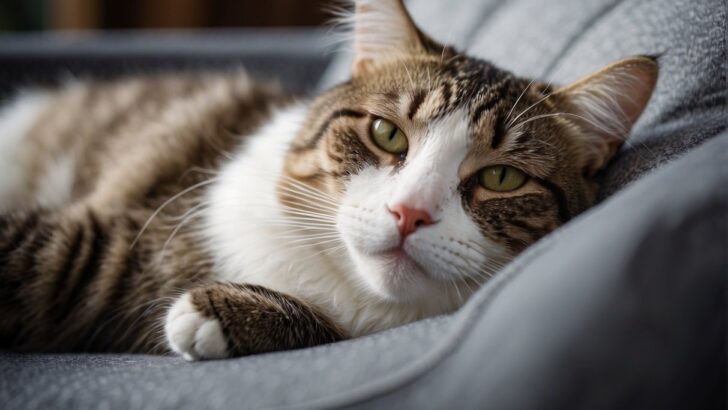
A senior cat is typically defined as a feline that has reached the latter stage of its lifespan, generally around the age of 11 years or older. This age can be likened to a human entering their sixties or seventies.
From my own experience, as your fluffy companion transitions into these golden years, you might notice they take life a bit slower, enjoy longer naps, and seek out the warmest spots in the house more often than they did in their spritely kitten days.
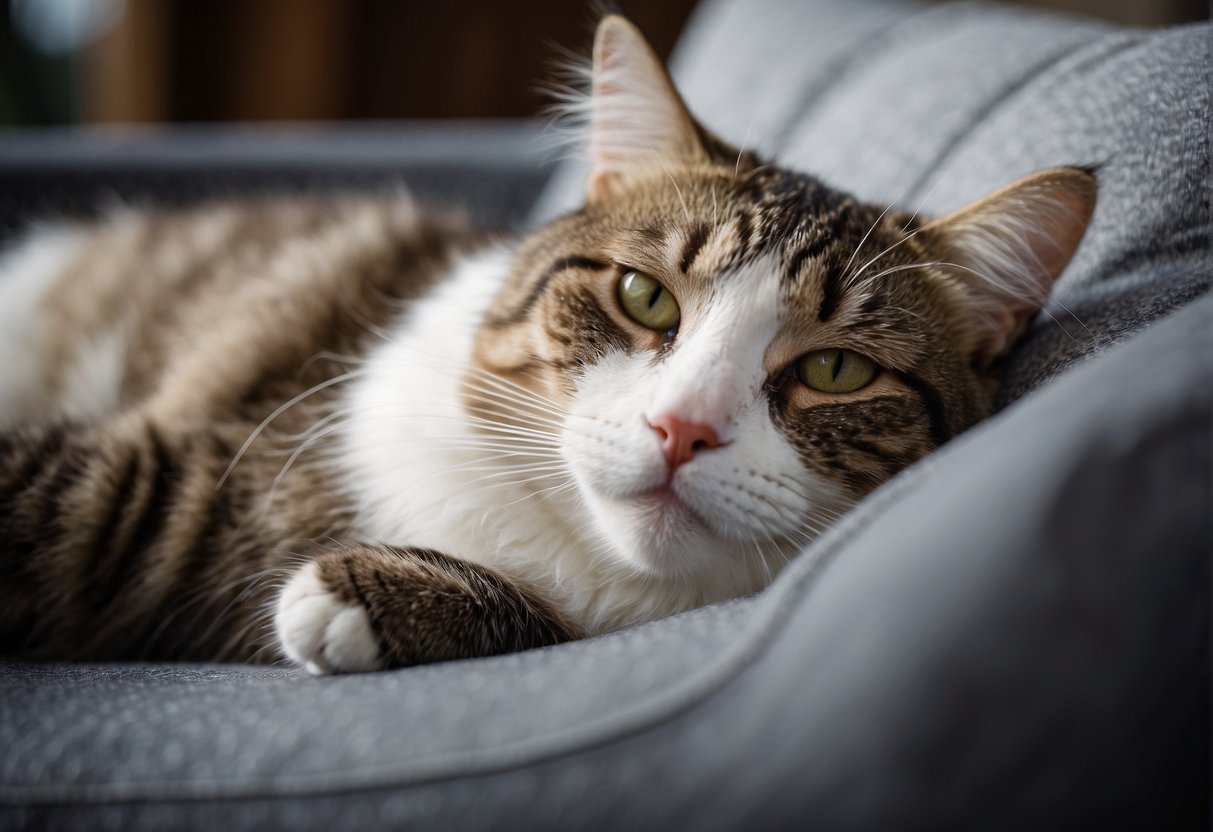
Aging in cats, as with all living creatures, is a natural process. Over the years, those playful bursts of energy may come less frequently and their once lightning-quick reflexes may become slightly dulled.
You may have fond memories of your cat easily leaping to high places, but as they age, they might need a little step or help to get to their favorite perch. These changes are all part of the aging process, and adapting your home and care to suit your aging pet’s needs can ensure they continue to live comfortably.
While a cat’s lifespan varies depending on factors like breed, health, and environment, the transition to being a senior cat usually means they’ll have different nutritional needs and may require more frequent veterinary checkups to maintain their health.
It’s all part of the full, rich life you’re helping to provide for your little companion, ensuring they remain happy and healthy as they bask in their senior years.
Identifying a Senior Cat
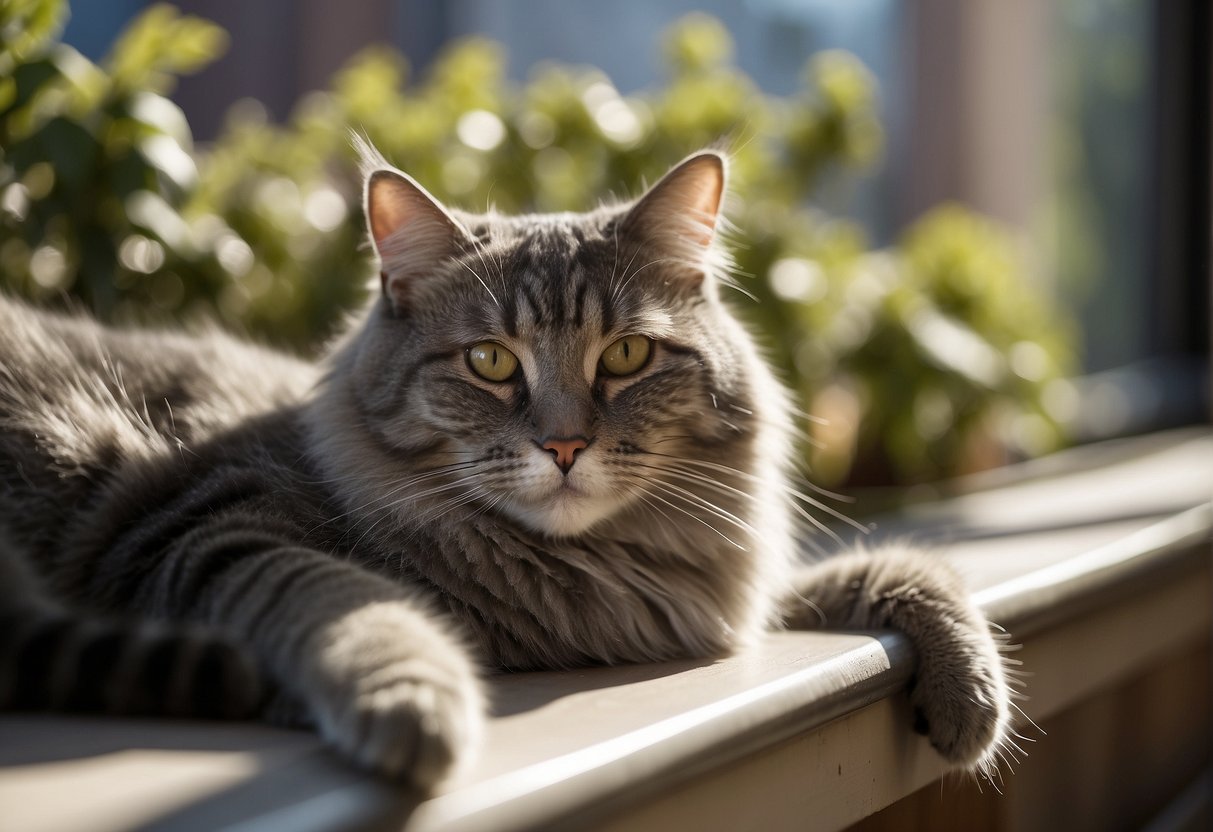
As your feline friend enters their golden years, knowing what to look out for can ensure they stay healthy and comfortable.
Signs of Aging in Cats
Physical Changes:
- Coat and Skin: Look for a duller coat or more pronounced skin issues.
- Eyesight: Cloudiness or apparent changes in vision could occur.
- Energy Levels: Your cat may display less interest in play, indicating lower energy.
- Sleeping Patterns: An increase in daytime napping is common in senior cats.
Behavioral and Physical Changes
Physical Changes:
- Mobility: Lethargy or hesitation in jumping could signal joint discomfort.
- Weight: Watch for unexplained weight loss or gain.
Behavioral Changes:
- Vocalization: Increased meowing might point to confusion or other needs.
- Confusion: If your cat seems disoriented or struggles with familiar routines, these can be signs of cognitive changes.
| Changes in Behavior | What It Could Signify |
|---|---|
| Less grooming | Arthritis or discomfort |
| Changes in appetite | Dental problems or other health issues |
Recognizing these signs early can lead to more fruitful conversations with your vet and a healthier, happier cat in their senior years.
Health and Wellness
As your cat enters its senior years, being proactive about health and wellness becomes crucial.
Common Health Problems
Senior cats are susceptible to a variety of health problems often related to aging bodies and weakening immune systems.
Dental disease is frequent in older cats and can lead to more serious health issues if not addressed. Keeping an eye out for decreased appetite or bad breath could signal dental problems.
Kidney disease, too, is common and can be identified through blood work and urine analysis. Other conditions to be aware of include:
- Cancer
- Diabetes
- Arthritis and degenerative joint disease, which can change your cat’s mobility or sleeping habits.
- Dementia and cognitive dysfunction, which may alter your cat’s behavior and memory.
- High blood pressure and heart disease that can present with subtle symptoms but are detectable through a senior blood panel.
- Chronic kidney disease and inflammatory bowel disease, which can lead to changes in eating and litter box habits.
Notice any changes in behavior, activity level, or appetite changes? These could be clues to underlying health issues.
Preventative Care
Preventative care is about catching potential problems early.
Regular wellness visits—every six months—are recommended for senior cats.
During these visits, your veterinarian can perform essential checks and suggest a senior blood panel and other tests like dental cleanings to maintain dental health.
Here’s a checklist for your vet visits:
- Blood Work: To identify issues like kidney, liver, or heart disease.
- Urine Analysis: For detecting diabetes, urinary tract infections, or kidney problems.
- Blood Pressure Check: To screen for hypertension.
- Weight Monitoring: Sudden weight loss or gain could indicate a health problem.
Note any new lumps or bumps on your cat’s body or any deviations in normal behavior.
Preventative care also encompasses maintaining a balanced diet and facilitating low-impact exercise to manage conditions such as arthritis.
Nutrition and Diet
As your cat ages, its nutritional needs evolve. Proper diet and hydration become key components of maintaining their health.
Adjusting the Diet for Older Cats
Your senior cat’s metabolism slows down with age, which means they might not need as many calories as they used to.
It’s important to monitor their weight meticulously because both weight loss and weight gain can be harmful.
Diets formulated for senior cats typically have fewer calories per serving and are designed to maintain muscle mass while keeping fat levels in check.
These diets must be balanced, with appropriate nutrient limits, to support the overall health of a senior cat.
A diet with a protein content of around 30-45% (dry matter basis) is considered sufficient to prevent loss of lean muscle mass, a common concern in older felines.
If your cat has specific health issues, a prescription diet recommended by your vet may be necessary.
It’s worth noting that senior cat food should be certified by the Association of American Feed Control Officials(AAFCO) to ensure that the food provides a complete and balanced diet.
Hydration and Feeding Strategies
Hydration is incredibly important for senior cats, especially since their risk of kidney issues increases with age.
Make sure fresh water is always available; consider using a water fountain to encourage them to drink more, as the movement of water can be more enticing than a static water bowl.
When it comes to feeding strategies, small, frequent meals can help maintain their appetite and prevent weight changes.
Also, the placement of food bowls should be in easily accessible places, avoiding the need for your cat to climb or jump which can be difficult for them if they suffer from joint problems like arthritis.
If you notice their appetite waning, warming up the food or adding a bit of water might enhance its aroma and palatability, helping to stimulate their appetite.
Living with a Senior Cat
Caring for a senior cat involves creating a nurturing environment that caters to their comfort and health needs.
As your feline friend enters their golden years, typically between 11 and 14 years old, daily care routines and home adjustments become crucial for their quality of life.
Daily Care and Comfort
Routine Wellness: Regular check-ups with your veterinarian are essential for monitoring health changes, including dental care, cognitive issues, and immune function. Vaccinations should be kept up to date, and any necessary medications managed with care.
- Grooming: Senior cats may experience a decline in self-grooming habits, making it important for you to assist with regular brushing. This helps prevent hairballs and maintains coat health.
Exercise and Mobility: While less active than younger cats, seniors still require gentle exercise to maintain muscle tone and joint mobility. Encourage movement with low-impact play that accounts for any pain or arthritis.
Feeding and Hydration: Monitor their food intake, adjusting diet as necessary under the guidance of the Association of American Feed Control Officials (AAFCO) guidelines. Senior cats should always have access to fresh water to aid in kidney function and overall health.
Environmental Considerations
Safe Spaces: Ensure your senior cat has a warm and quiet place to retreat. Cozy bedding and easily accessible rest areas can help alleviate joint discomfort and provide a safe haven for rest.
- Litter Boxes: Keeping litter boxes easily reachable, and possibly with lower sides, can make a significant difference in your senior cat’s comfort when managing their needs.
Home Care: Be vigilant for signs such as lumps or bumps, loss of appetite, or changes in behavior, as these can indicate health issues that require attention.
Stress Reduction: Maintain a routine to reduce anxiety or depression. Modify your home to be a stress-free environment conducive to a senior cat’s sensory and cognitive function.
My name is James, and welcome to FAQCats!
Along with our team of cat owners, expert pet enthusiasts, and pet professionals, we aim to write engaging helpful, engaging content about cats. At FAQCats we strive to provide content that’s accurate and fun to read. Our team writes about everything related to cats; even the most complex of topics. Through extensive research and caring for our own fur-pals, we’re able to provide something cat owners worldwide will love. Have a look around, and leave us feedback anytime!