
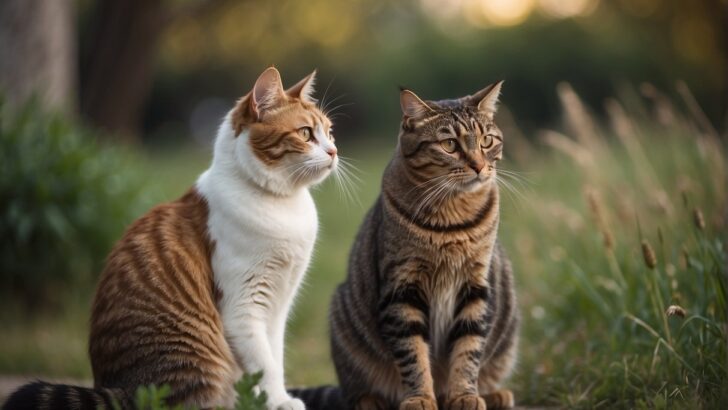
Cats hump for a variety of reasons, extending from natural mating behaviors to issues of stress or medical problems. If you’ve ever seen your cat engaging in this behavior, it could simply be a residue of its instinctual activities, even if they’ve been spayed or neutered.
In my own experience with cats, I’ve noticed that changes in the environment or routine can lead to stress-related humping.
A move to a new home, for instance, might trigger this as your cat tries to cope with the changes.
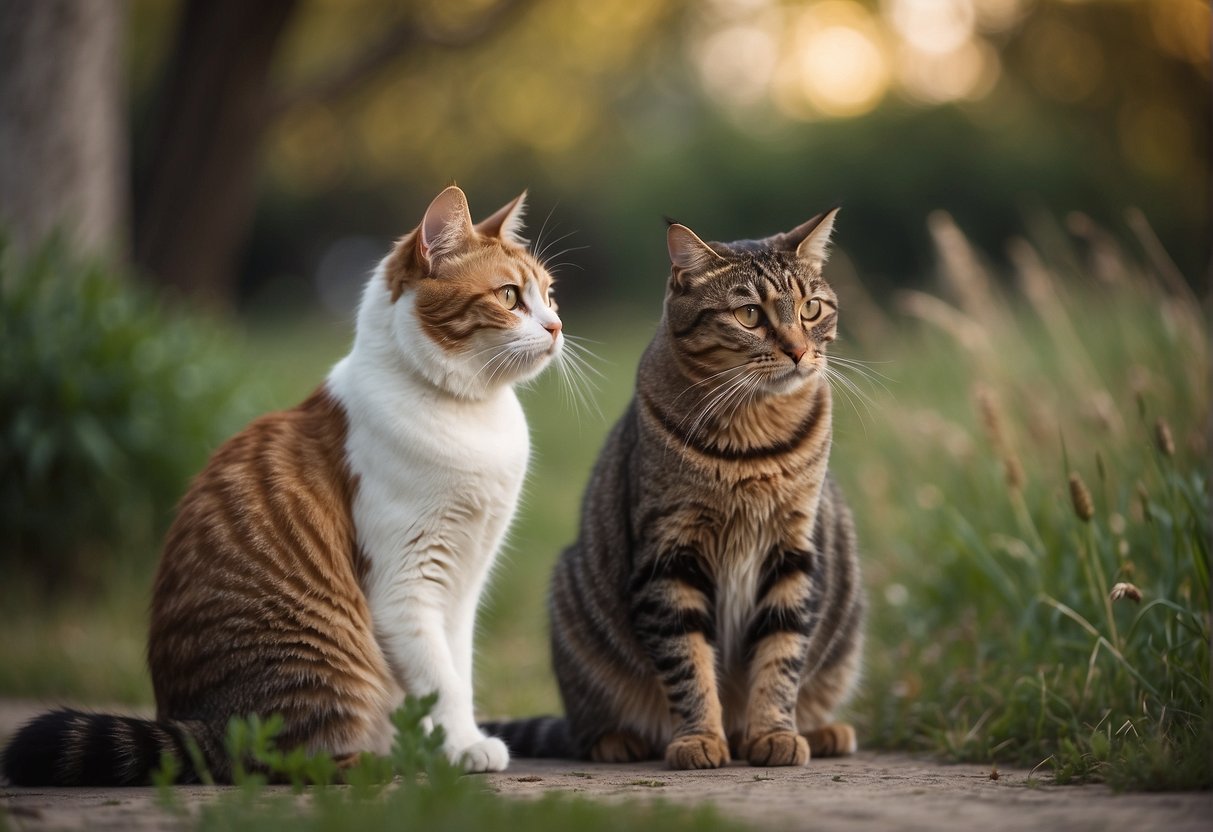
Interestingly enough, humping is not exclusive to male cats. Female cats might also display this behavior, which can be perplexing to some owners.
It’s not uncommon for cats to use humping as a way to show dominance or to respond to the scent of another cat, especially in multi-cat households.
I’ve seen cats, regardless of gender, exhibit humping when a new cat enters the home as a way to establish their presence and social standing.
When you notice your cat humping, it’s essential to parse the behavior’s roots, whether they stem from hormonal urges or have been learned over time.
Behavioral Aspects of Humping
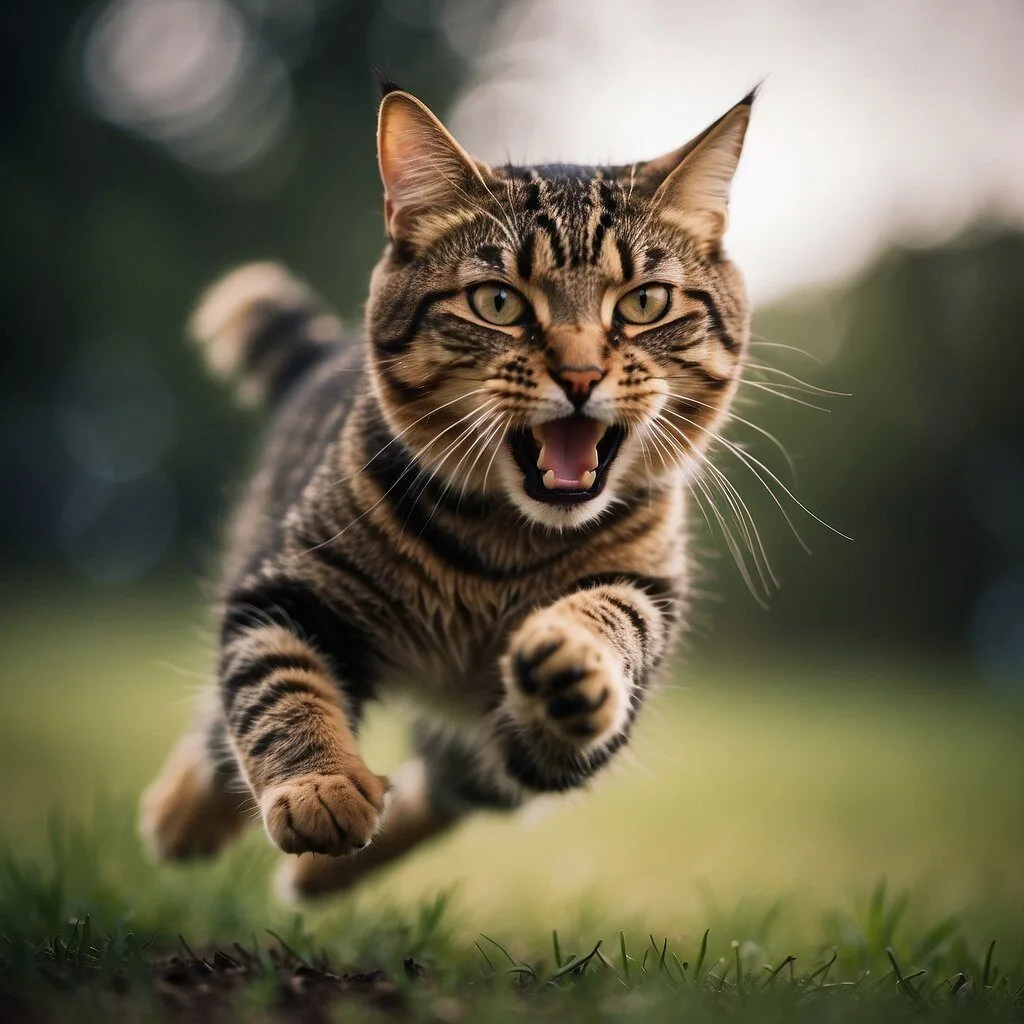
In the feline world, humping can be a nuanced part of your cat’s behavior.
While it might be surprising to see, it’s not uncommon for cats to engage in this activity.
Among the behavioral reasons, dominance can be a significant factor.
Your furry friend might be trying to assert its place in the household hierarchy by humping other pets or even objects.
Also, consider that stress, anxiety, and boredom can trigger this action.
A change in environment or routine might lead to humping as a way for your cat to cope with the new stressors. Cats that are not provided with enough stimulation might also adopt this behavior.
To keep in mind:
- Stress-induced humping can be resolved by providing comfort and stability
- Interactive play can help mitigate humping due to boredom
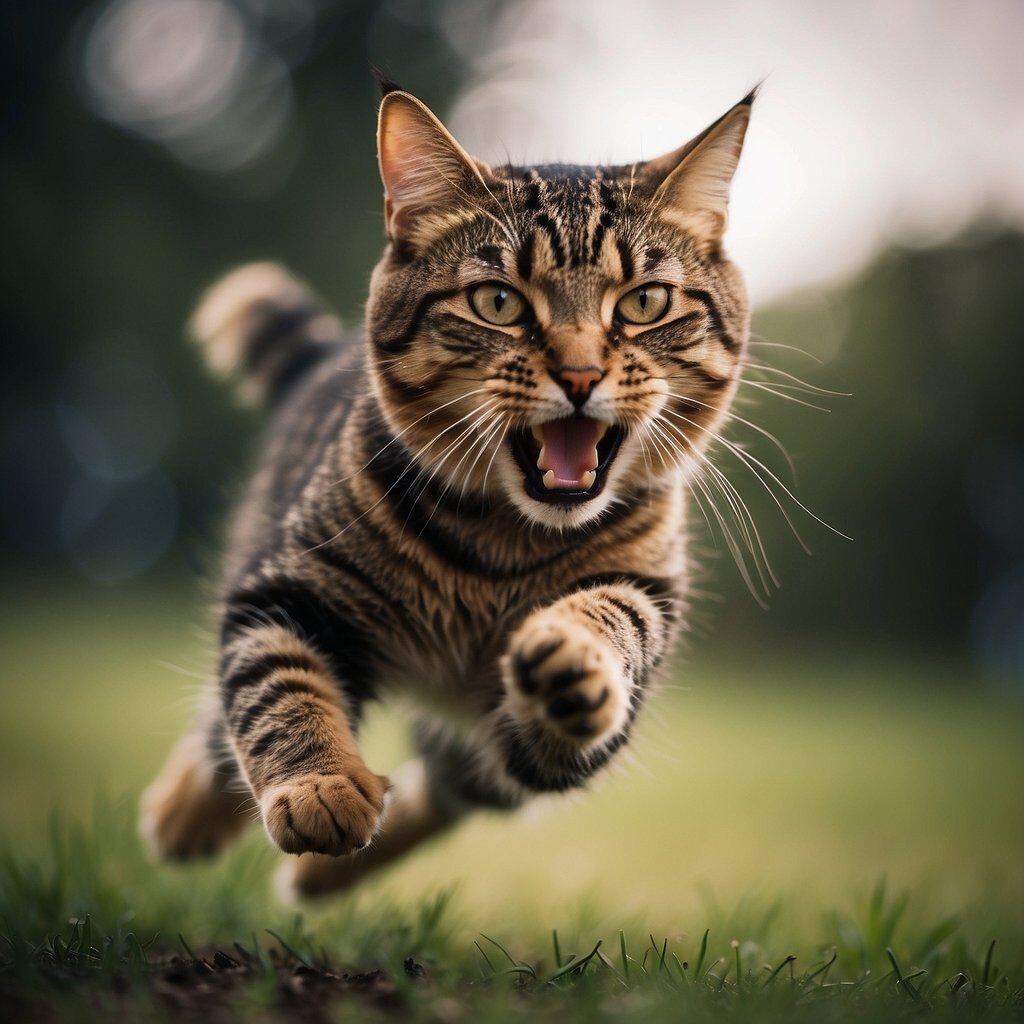
Hormonal Influences on Cat Behavior
Humping can be directly tied to the sexual behavior of cats. This is especially pronounced in cats that haven’t been neutered or spayed, as their actions are often driven by reproductive instincts.
However, if you notice that your neutered cats hump, this could be residual behavior, especially if the neutering occurred after reaching sexual maturity.
It might take time for their hormone levels to adjust post-surgery, so some patience may be required.
Key Insights:
- Intact cats are more likely to hump due to innate reproductive behavior.
- Neutered cats may continue humping due to learned behavior or remaining hormones.
Humping in cats can be indicative of underlying health issues which should not be overlooked.
Medical Concerns Related to Humping
It’s natural to be concerned when you notice your cat humping objects, other pets, or even your leg.
Occasionally, this can be a sign of a medical issue.
One common health problem linked to such behavior is a urinary tract infection (UTI).
If your cat is humping more frequently than usual and is also showing signs of pain or difficulty when urinating, it could be a sign of a UTI or other infections.
Aside from UTIs, your cat may display humping behavior in response to other health problems.
Sometimes cats exhibit this behavior due to discomfort or to self-soothe if they are experiencing an unrelated health issue.
Adrenal gland problems or other medical conditions could also trigger such actions.
The Impact of Neutering on Humping Behavior
Neutering or spaying your cat often leads to a decrease in humping behavior.
Neutering, which is the surgical removal of the testicles in male cats, and spaying, the removal of the ovaries and usually the uterus in female cats, significantly reduce the sex hormones that may drive your cat to exhibit mating-like behaviors, including humping.
After the surgery, it’s common for cats to mellow out and display less of the territorial or mating-driven activities associated with intact cats.
However, it’s important to note that while neutering or spaying can reduce instances of humping, it does not eliminate the behavior entirely.
Your cat may still hump due to other reasons, such as stress or excitement.
With careful observation and proper veterinary care, you can ensure your cat maintains a healthy and balanced lifestyle.
Social and Environmental Interactions
Cats display a variety of behaviors that are strongly influenced by their social and environmental interactions. Humping, in particular, can be reflective of a cat’s feelings and status in its home and social environments.
Environmental Contributions to Humping
Your cat’s home environment plays a significant role in their behavior, including humping.
Stress and anxiety can be prominent factors leading to such actions, often triggered by changes in the environment like moving furniture or introducing new pets.
Offering adequate mental stimulation through toys or environmental enrichment can often reduce boredom-led humping.
- Stress Relief: Cats may hump objects like pillows or toys as a form of self-soothing.
- Privacy and Personal Space: A home lacking secluded areas might prompt your cat to exhibit behaviors like humping due to a lack of personal space. This is their way of seeking control over their environment.
Inter-Cat Social Dynamics
Among cats, particularly in multi-cat households, humping can be a way to assert dominance and establish a social hierarchy.
Such behavior is not always aggressive; it can also illustrate affection.
However, if the humping cat ignores the signals of the other that it wants to be left alone, this can lead to tension.
- Attention Seeking: Sometimes, a cat may hump another feline friend or even your leg to get your attention.
- Hierarchy Signals: Cats might use humping as a non-aggressive cue to reinforce their standing in the home’s social structure.
Practical Guidance and Solutions
Understanding why cats engage in humping behavior is essential, but as a cat owner, you’re likely more interested in how to address it, especially if it becomes excessive. Whether it’s part of their play or a signal of underlying stress, we’ve got practical advice for you.
Addressing Excessive Humping
If you notice your cat is humping frequently, you’ll want to redirect that energy.
Exercise is key; an active cat is a happy cat.
Introduce more playtime with toys that stimulate their hunting instincts—think fishing pole toys or laser pointers.
A cat tree or elevated walkways can provide opportunities for climbing and exploring, which can reduce unwanted behaviors.
Consistency with treats during play can positively reinforce non-humping activities.
Replace objects that your cat commonly mounts with acceptable alternatives like plush toys. Regular grooming sessions also offer a way to bond and can be soothing, possibly reducing the urge to hump.
- Ensure food and water bowls are accessible without causing stress.
- Consider employing soothing aids such as pheromone diffusers to create a calm environment.
- If your cat humps due to territorial reasons, motion-activated sprinklers can deter other animals from entering your yard, reducing your cat’s stress.
When to Seek Professional Help
Humping is normal, but when it’s excessive or causes distress, it might be time to consult with a vet or an animal behaviorist.
If you’ve tried redirecting their behavior with more play and stimulation, yet the humping persists or intensifies, a professional can help determine if there’s a medical cause or provide behavior modification plans.
- Seek help if you notice any blockage in the litter box, as this could point to a medical issue.
- An increase in humping accompanied by other changes in behavior warrants a vet visit.
- An animal behaviorist can offer insights unique to your cat’s environment and history.
My name is James, and welcome to FAQCats!
Along with our team of cat owners, expert pet enthusiasts, and pet professionals, we aim to write engaging helpful, engaging content about cats. At FAQCats we strive to provide content that’s accurate and fun to read. Our team writes about everything related to cats; even the most complex of topics. Through extensive research and caring for our own fur-pals, we’re able to provide something cat owners worldwide will love. Have a look around, and leave us feedback anytime!