


Cats can receive their initial vaccinations as early as 6 to 8 weeks old. This is when your little furball can start their first round of shots, including the core vaccine FVRCP, which protects against feline viral rhinotracheitis, calicivirus, and panleukopenia (sometimes known as feline distemper).
From my own experience when I got my tabby, Harley, his first visit to the vet for vaccinations was a mix of nerves and excitement—knowing he was getting protection was a relief.
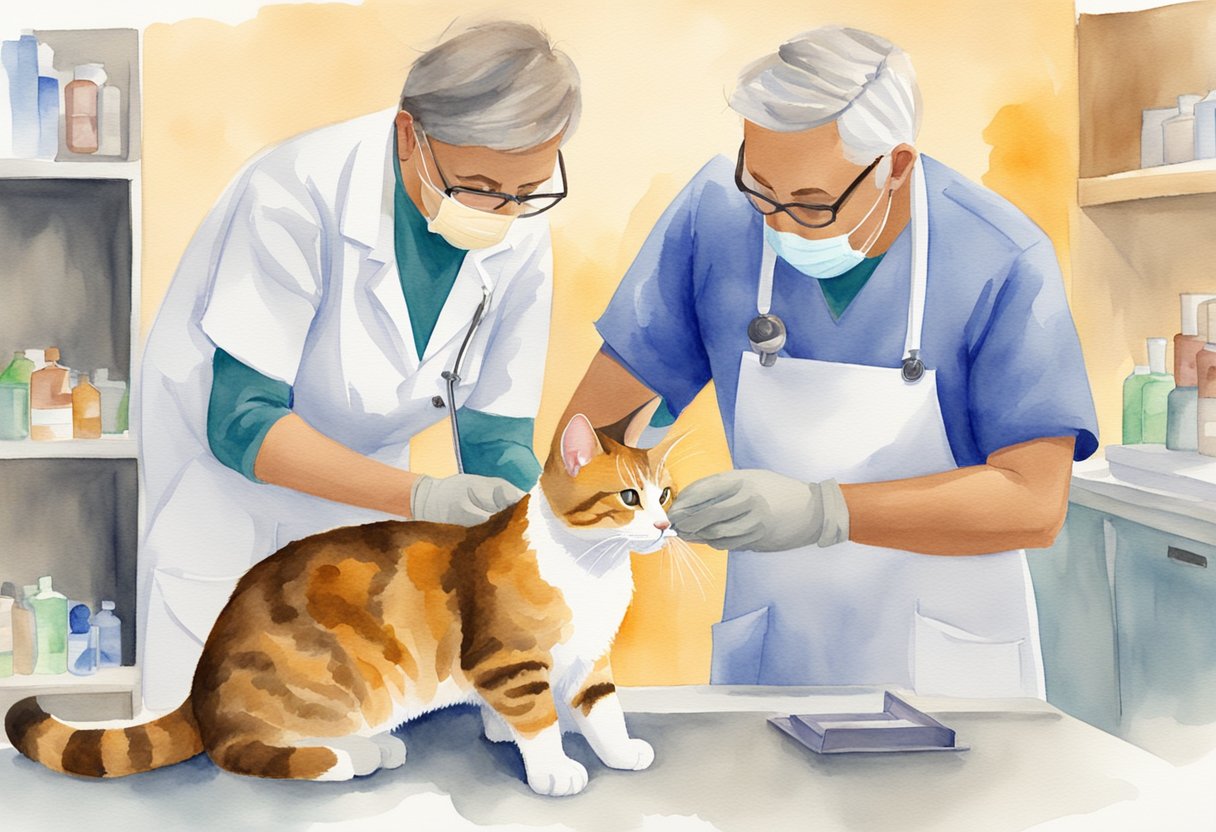
As kittens grow, they should follow a vaccination schedule to ensure they are properly protected. For instance, the rabies vaccine is another core vaccine that’s given when a kitten is around 12 to 16 weeks old, which I remember quite well because Harley was definitely more curious and mobile by that time!
Beyond their kitten years, adult cats will need periodic booster shots; these could be annual or triennial, depending on the vaccine and your cat’s health and lifestyle.
An indoor cat might have a different vaccination schedule compared to a feline friend who loves to explore the outdoors.
Understanding Cat Vaccinations
Before you consider vaccinating your beloved feline, it’s important to know that cats of almost any age can be vaccinated, though specific schedules apply. You’ll encounter terms like core and non-core vaccines, each addressing different levels of risk and necessity for your cat’s health.
Can You Vaccinate Cats at Any Age?
When it comes to vaccinating cats, age is more than just a number. You can vaccinate cats at many stages of life, but the optimal times relate directly to their immune system development.
For kittens, the process usually starts around 6 to 8 weeks of age. Before this age, they are typically protected by their mother’s antibodies.
As for adult cats, vaccination timing may depend on their vaccination history and current health status.
Core vs. Non-Core Vaccines
Core vaccines are vital for all felines regardless of their lifestyle because they protect against highly contagious and potentially fatal diseases. Examples are the vaccinations against feline distemper (panleukopenia), feline herpesvirus, feline calicivirus, and rabies.
On the other hand, non-core vaccines are given based on the individual risk assessment of your cat. For instance, the FeLV vaccine is recommended for cats that spend time outdoors or live with infected cats. Deciding on these involves assessing your cat’s habits, environment, and exposure to diseases.
Vaccine Schedule and Age Recommendations
The vaccination schedule is key to ensuring your cat’s long-term health. For kittens, a series of vaccines are typically administered every 3 to 4 weeks until around 16 weeks old, then a booster at one year.
For adult cats, the frequency of booster shots may vary: some vaccinations might be annually for high-risk cats, while others can go up to three year sbased on past immunization and risk factors. Regular vet visits are crucial to determine what’s best for your furry friend.
Remember, protecting your cat from diseases not only keeps them healthy but can also contribute to a longer life span. Vaccines are tools that bolster your cat’s immune system against the myriad of germs they encounter. And while vaccine costs can add up, the price of prevention is usually much less than treatment for the diseases vaccines guard against.


My name is James, and welcome to FAQCats!
Along with our team of cat owners, expert pet enthusiasts, and pet professionals, we aim to write engaging helpful, engaging content about cats. At FAQCats we strive to provide content that’s accurate and fun to read. Our team writes about everything related to cats; even the most complex of topics. Through extensive research and caring for our own fur-pals, we’re able to provide something cat owners worldwide will love. Have a look around, and leave us feedback anytime!