


Yes, a veterinarian may decide to euthanize an aggressive cat when they perceive a significant risk to human or animal safety and when behavior modification has not been successful or feasible.
For example, serious aggression issues that lead to injury or unmanageable behavior, despite trying all available behavioral modification techniques, might lead a vet to consider euthanasia. It is a last resort after thoroughly exploring other options such as retraining, medication, or rehoming.
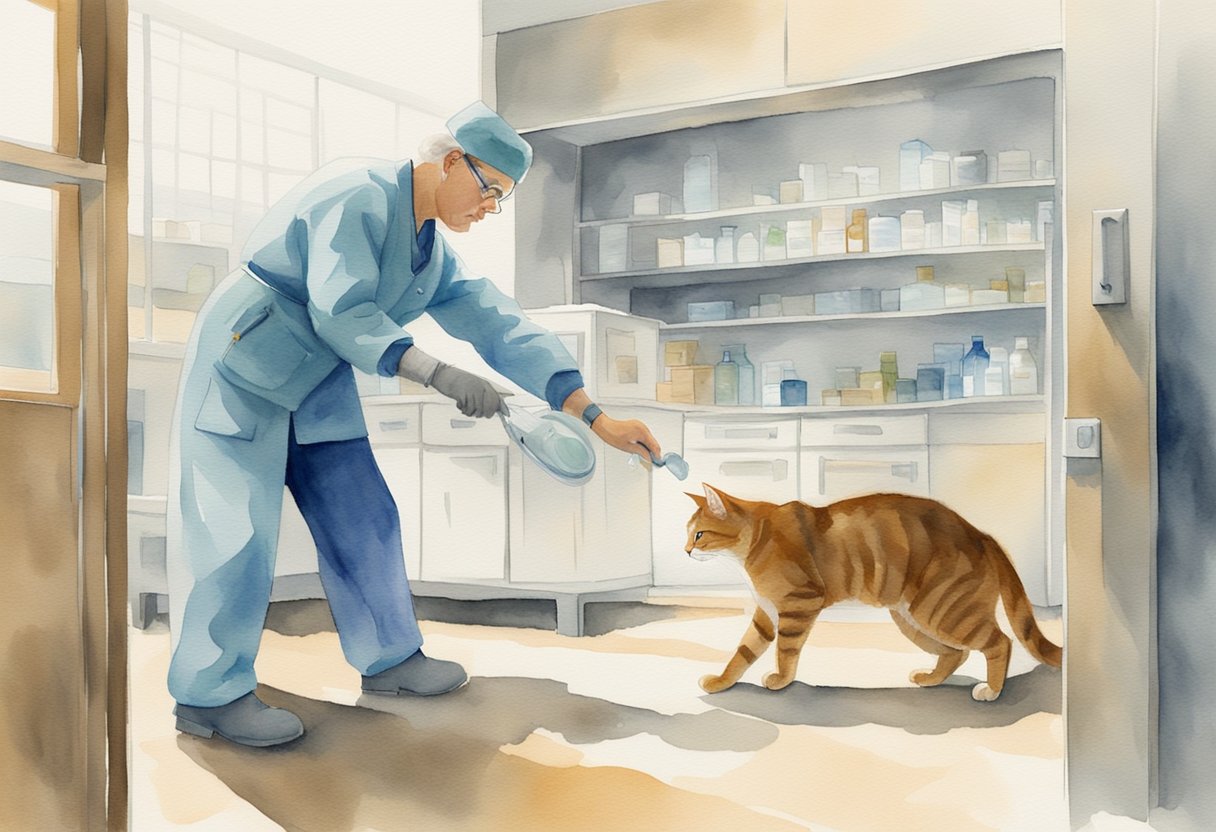
When you face aggressive behavior in your feline friend, it’s imperative to consult with your vet or a feline behaviorist to determine the underlying cause. Health issues like hyperthyroidism or pain can lead to increased aggression; addressing the medical problem can sometimes resolve behavioral issues.
Your vet’s primary concerns are the comfort and safety of both the cat and the people or animals it may interact with. The decision to euthanize is never taken lightly, and alternatives are sought to give every cat the best chance at a happy life.
As a cat owner, it can be both heartbreaking and daunting to navigate such a situation, but it’s essential to work closely with professionals who understand both your and your cat’s needs.
How Rare is it for a Vet to Put a Cat Down Due to Aggression?
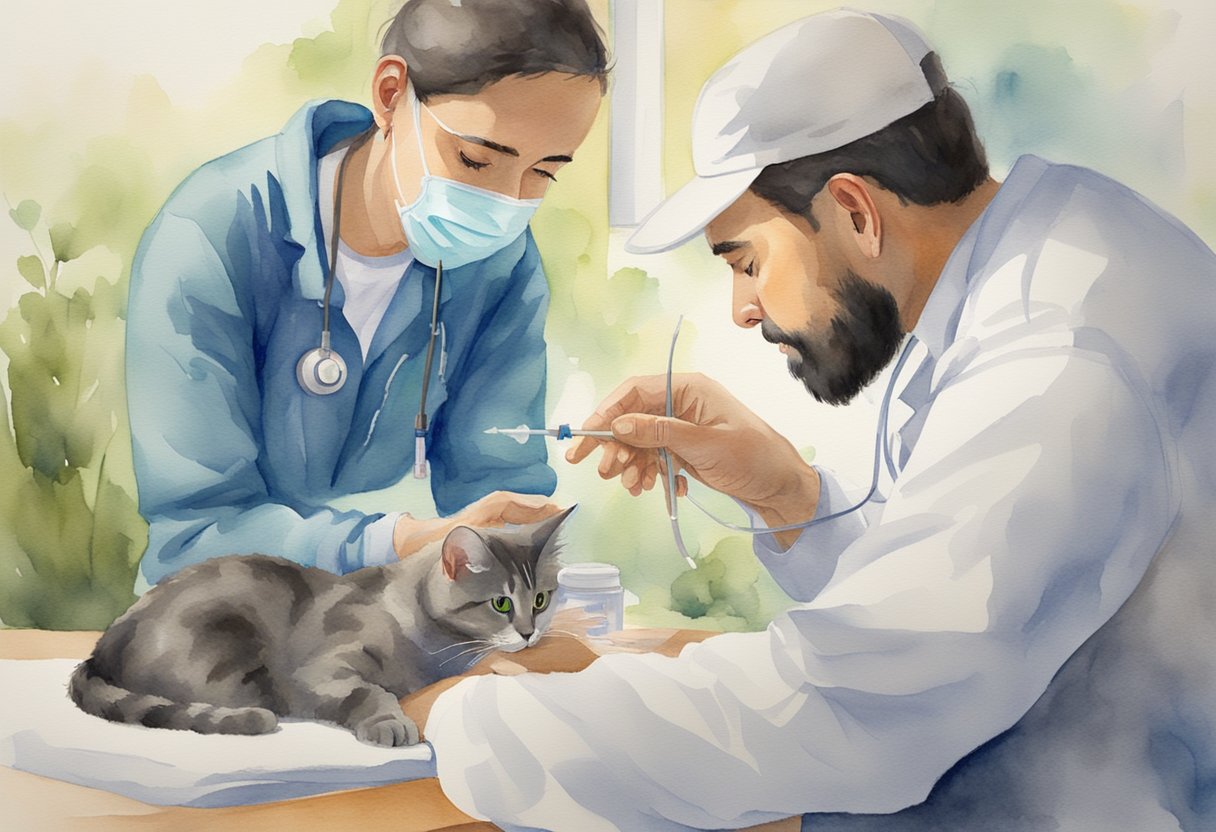
Euthanizing a cat due solely to aggression is a last resort and is considered quite rare. Vets usually explore all possible avenues before arriving at this point.
Aggressive behavior in cats can often stem from underlying medical conditions or environmental stressors, which are potentially treatable or manageable.
- Medical Evaluation: It’s important for you to know that medical issues can cause aggressive behavior. For example, conditions like hyperthyroidism or dental pain can lead to aggression. Vets will usually recommend a thorough medical evaluation to rule out such conditions.
- Behavioral Therapy: If your cat’s health is not the cause, behavioral modification techniques are an option. Professional behaviorists can work with you and your cat to alleviate aggressive behaviors.
- Safety Considerations: In extreme cases where aggression poses a significant risk to the safety of others and all other solutions have failed, euthanasia might be considered. It’s not only about the safety of humans but also about other pets that may be in your household.
Most vets strive to ensure that euthanasia for aggression is truly the only option left. They consider the well-being of the cat and the safety of others as top priorities.
You’ll find that veterinarians and cat specialists will provide guidance, such as at Cornell University College of Veterinary Medicine, which advises consulting a vet to address aggression issues which might be medical in nature.
Understanding Cat Aggression and Health
When concerning cat aggression, it’s essential to distinguish between the various types of aggression and understand how health issues can play a significant role in your cat’s behavior.
Identifying Types and Signs of Aggression
Fear-induced aggression often shows in a cat’s body language. You might see them crouching with their ears flattened, hissing, or spitting when they feel threatened.
On the other hand, pain-induced aggression can occur if a cat is handled when they’re hurt, leading to an aggressive response.
Redirected aggression happens when your cat lashes out at you because they can’t reach the source of their annoyance. Recognizing these signs early is crucial to addressing aggression.
Medical Conditions Related to Aggressive Behavior
Certain medical conditions can cause aggressive behavior in cats. For example, arthritis may make your cat more irritable and prone to lash out. Hyperthyroidism, an overactive thyroid, can significantly alter your feline’s mood and behavior.
A vet checkup is essential when you notice a change in behavior, as it could be the first sign of underlying health problems.
The Impact of Pain and Illness on Behavior
When cats are in pain or suffering from illness, their behavior can drastically change. This could manifest as aggression because they’re trying to protect themselves or because they’re feeling anxiety due to discomfort.
A thorough vet checkup can determine if there are any medical issues contributing to your cat’s aggression.
Once health problems are managed, your cat’s aggression may reduce or stop altogether. Consulting with a behaviorist can also provide strategies to minimize and cope with your cat’s aggressive tendencies.
Approaching Aggression: Behavior Management and Veterinary Care
When your cat displays aggressive behavior, it’s essential to tackle the issue with compassionate, informed strategies. Your approach could include consulting professionals, modifying your cat’s environment, and, if all else fails, contemplating difficult decisions regarding your cat’s well-being.
Consulting with a Veterinarian or Cat Behaviorist
Consulting with a professional should be your first step when addressing aggressive behavior in cats. Scheduling an appointment at a vet clinic or arranging a consultation with a cat behaviorist can provide you with a clear understanding of the root causes.
An examination may reveal if the aggression is linked to pain or fear, which is common in cases of fear aggression. For kittens, early socialization might be recommended to prevent behavioral issues from developing.
Behavior Modification Techniques and Environmental Adjustments
Behavior management often includes a combination of behavior modification techniques and environmental adjustments. You might use pheromone diffusers to help create a safe space for your cat, or implement regular play behavior schedules to help them burn off energy.
Simple changes like providing more toys and board options for climbing and scratching can significantly affect their behavior. Behavioral modification, like positive reinforcement, can effectively address issues like petting-induced aggression and maternal aggression.
Considering Euthanasia as a Last Resort
Even the thought of euthanasia is a difficult decision, only to be considered as a last resort. If a cat’s aggression puts family members or the animal itself at risk, and you’ve tried all other avenues, including rehoming, it might be brought up by your vet as an option for ensuring everyone’s safety.
This is usually discussed when a cat’s quality of life has deteriorated, and all efforts to manage or modify behavior have been exhausted.


My name is James, and welcome to FAQCats!
Along with our team of cat owners, expert pet enthusiasts, and pet professionals, we aim to write engaging helpful, engaging content about cats. At FAQCats we strive to provide content that’s accurate and fun to read. Our team writes about everything related to cats; even the most complex of topics. Through extensive research and caring for our own fur-pals, we’re able to provide something cat owners worldwide will love. Have a look around, and leave us feedback anytime!