

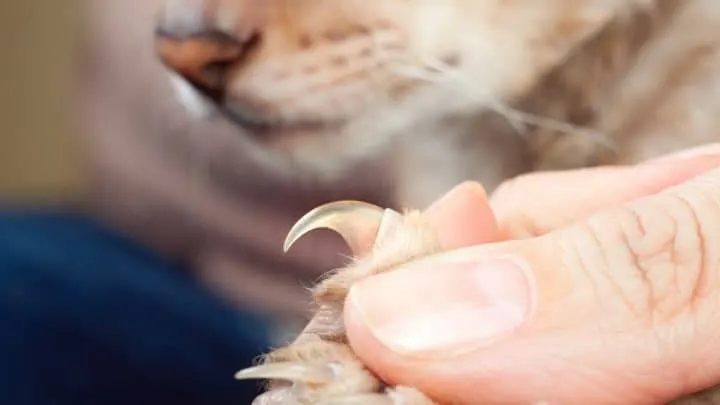
Maybe you’re a first-time cat-owner, and have just gotten your first cat scratch! Perhaps the cat scratch on your hand feels weird. In any case, you’re concerned that the cat scratch on your hand might be infected with some disease. People often believe that cat claws contain poison sac, and when they scratch you, the wound can become poisoned, possibly even necrotic. It sounds believable enough. So, is it true? Do cat claws contain poison?
Cat claws do not contain poison, however, they can host a range of bacteria such as B. henselae. The average cat scratch will not cause any lasting damage, especially if you clean it with warm soap and water after the time of injury.
While cat claws do not contain poison, the scratches can cause some uncomfortable sensations. Let’s dive into what cat claws have that’ll make you sick, how concerned you should be, and what to do about it.
Do Cats Have Chemicals In Their Claws
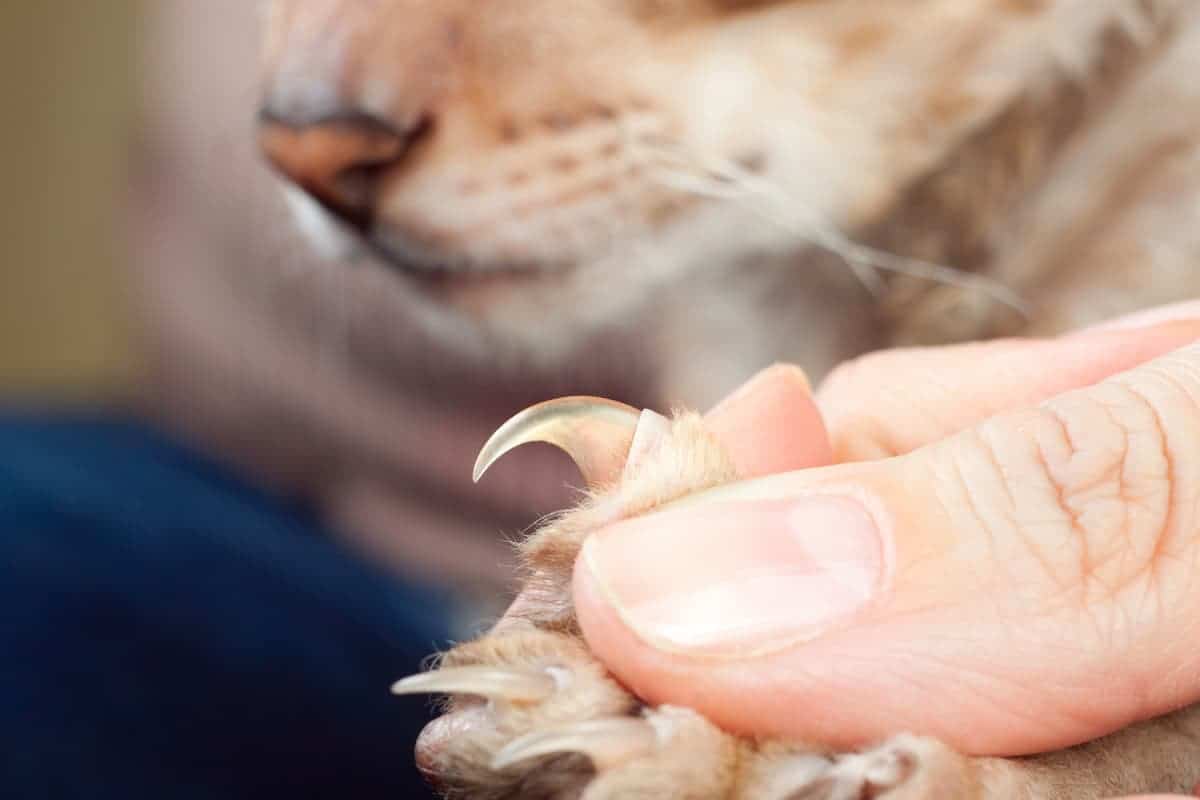
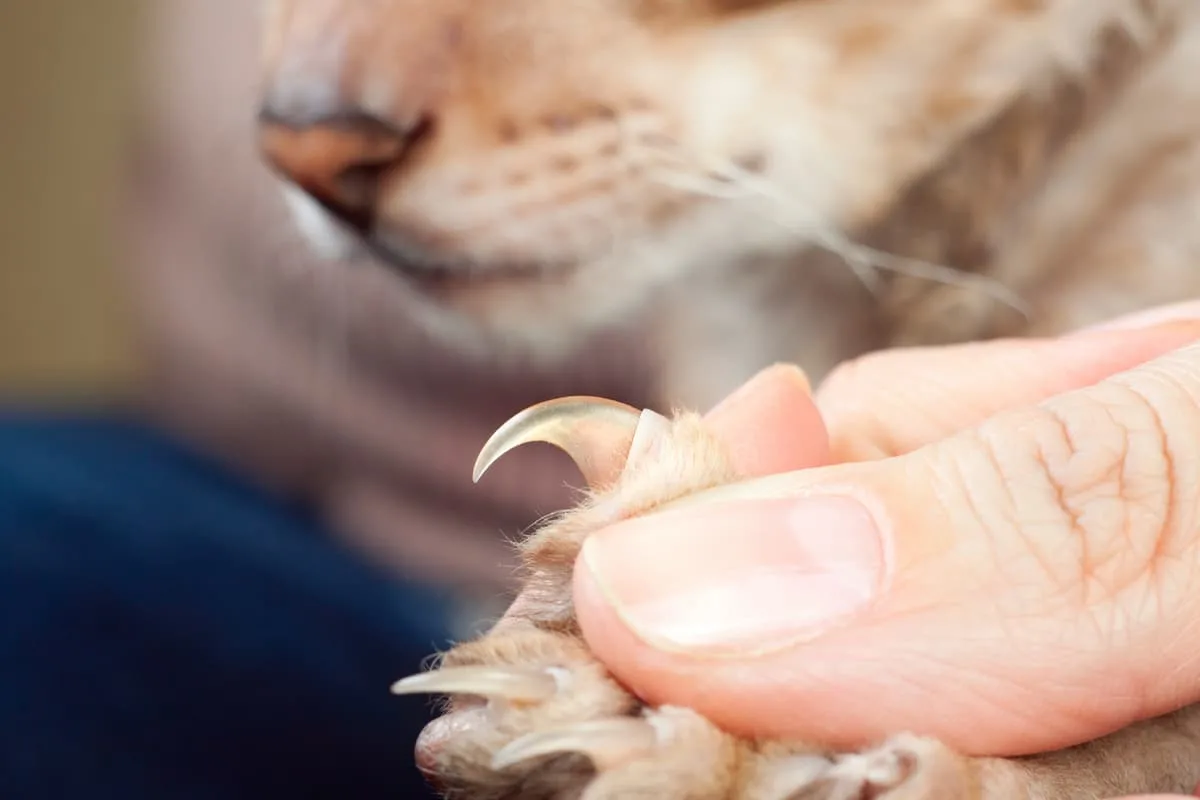
Cats do have chemicals in their claws, but not the kind you’re thinking of. Your kitty’s paws aren’t swimming in arsenic–they contain pheromones! You’ve likely heard of tomcats marking things by urinating on them, but cats mark things in other ways.
Many cats will scratch areas to mark them with the pheromones contained in their claws.
Don’t worry. Pheromones won’t make you sick. They make your kitten feel safer in her home. Pheromones essentially mark out a kitten’s territory, sort of like how your friend’s house might smell like their laundry detergent or fresh coffee. How sweet!
What Do Cats Have In Their Claws
Here’s the good news: cats keep themselves clean, so you usually don’t need to worry about their claws containing fecal matter or pieces of their prey. Here’s the bad news: not everything can be cleaned out by a cat’s rasping tongue.
The most notorious cat bacteria is B. henselae, which can be transmitted to humans. While it can be transmitted through a cat licking one of your wounds, it is more notably transmitted through cat claws.
If you are infected with this bacteria, you may develop cat scratch disease. This disease is rare, but it can entail serious complications. If you suspect you have cat scratch disease, you should contact your doctor immediately.
Can A Cat Scratch Make You Sick
Yes, a cat scratch can make you sick. Because cat claws may contain the bacteria B. henselae, a cat scratch can cause cat scratch disease. Younger cats are more likely than older cats to have this bacteria, but any cat is a potential vector.
Cat scratch disease usually manifests around the site of the cut. The wound will become swollen and tender and may leak pus. The lymph nodes around the wound may also swell.
The infected person may experience fevers or changes of appetite. If you suspect you have cat scratch disease, you should seek medical attention immediately because the disease may cause severe side effects.
Can Cat Scratches Cause Infection
Yes. Beyond cat scratch disease, cat scratches may get infected like any other cut. It is essential to treat a cut like that–a cut! After your cat nabs you with her claws, clean out the area with warm water and soap.
What Happens If A Cat Scratch Gets Infected
Infected cat scratches are never a good sign. They may lead to significant complications down the road, affecting your brain, eyes, and heart. It’s essential to get infected cat scratches checked out by a doctor. They will be able to minimize any damage caused by the scratch.
How Serious Is A Cat Scratch
Cat scratches are rarely severe. As scary as this article may sound, the chances of you getting a severe infection from your cat is low, especially if you take the proper precautions after being scratched.
Only 40% of cats will carry B. henselae, and that’s only at some point during their lives. If your wound doesn’t hurt or seem inflamed, it’s likely nothing to be worried about. Just remember to clean it out with soap and warm water as soon as possible, and you should be a-okay!
Do I Need Antibiotics For A Cat Scratch
No. You will never need special antibiotics for a cat scratch. Even if you are diagnosed with cat scratch disease, it is unlikely that your doctor will prescribe you antibiotics.
Doctors will only prescribe antibiotics if you are immunocompromised. Doctors will more likely prescribe pain relievers, anti-fever, and anti-inflammatory drugs.
It would help if you did not concern yourself with purchasing over-the-counter antibiotics. The easiest way to minimize a cat scratch’s damage is by cleaning out the area with warm water and soap.
That being said, antibiotic ointments won’t hurt you, so if that makes you feel safer, then, by all means, apply some!
What Should I Do If I Get Scratched By A Cat
It’s simple: clean the cut with warm, soapy water, and keep an eye on it. If you feel incredibly paranoid, you could use some antibacterial ointment to soothe your mind fully.
On the other hand, you should not take this as a sign to declaw your cat. Declawing a cat is one of the most legally abusive things a pet owner can do to their animal. Imagine removing a dog’s teeth so he can’t bite you. Doesn’t that sound awful?
How would he eat? Wouldn’t his mouth hurt all the time? A cat would run into problems of a similar level. Declawed cats are known to experience pain and infections in their paws after the surgery has been completed. It also stresses them out since declawing removes one of a cat’s few natural defenses. In short, don’t declaw your cat.
There is no way to prevent your cat from scratching you, but there are a few tactics you can employ to minimize risk. The easiest is to buy toys and cat towers for your cat to scratch up. This will exercise your cat’s need to scratch in a less harmful way.
You should also learn when your cat doesn’t want to be bothered. Flattened ears, dilated eyes, or flicking tails are all signs that you should step away from your feline friend. When your cat bites you firmly (but not loudly!), tell her, “No.”
Keep in mind that punishing your cat by hitting her or yelling at her does not work. Punishment is known to make animals more fearful, and in some instances, more aggressive, so punishment typically results in the opposite of the desired effect.


My name is James, and welcome to FAQCats!
Along with our team of cat owners, expert pet enthusiasts, and pet professionals, we aim to write engaging helpful, engaging content about cats. At FAQCats we strive to provide content that’s accurate and fun to read. Our team writes about everything related to cats; even the most complex of topics. Through extensive research and caring for our own fur-pals, we’re able to provide something cat owners worldwide will love. Have a look around, and leave us feedback anytime!